Skip to content
In stock Bactrim
Antibiotics

Bactrim

Adults and children with a confirmed or strongly suspected bacterial infection may be prescribed Bactrim tablets. Bactrim combines two antimicrobial agents that block bacterial folate production at…

Guaranteed quality Original product
Delivery: from 4 days Discreet shipping
24/7 Support Always available
Active ingredient: Sulfamethoxazole, Trimethoprim
Select dosage:
Select pack Package Per unit Price
$ 1.95 $ 175.78
$ 1.78 $ 234.37 $ 213.18 Save 9%
$ 1.61 $ 351.56 $ 289.85 Save 18%
Free Regular Delivery $ 1.52 $ 527.34 $ 411.40 Save 22%
Best value Free Regular Delivery $ 1.42 $ 703.12 $ 512.38 Save 27%
$ 2.90 $ 173.91
$ 2.51 $ 260.87 $ 226.27 Save 13%
$ 2.32 $ 347.82 $ 278.63 Save 20%
Free Regular Delivery $ 2.11 $ 521.73 $ 379.61 Save 27%
Free Regular Delivery $ 1.97 $ 782.60 $ 532.95 Save 32%
Best value Free Express Delivery $ 1.90 $ 1,043.46 $ 682.55 Save 35%

Free delivery on orders from $ 374.00, free express delivery from $ 561.00

Secure payment methods:
VISA AMEX JCB DISCOVER

Adults and children with a confirmed or strongly suspected bacterial infection may be prescribed Bactrim tablets. Bactrim combines two antimicrobial agents that block bacterial folate production at separate stages, helping treat susceptible infections such as urinary tract infections.

Product information

Bactrim is the commonly used name for the combination of sulfamethoxazole and trimethoprim, also called co-trimoxazole or SMZ-TMP. Sulfamethoxazole is a sulfonamide antibiotic, while trimethoprim inhibits bacterial folate metabolism. Together, they act against susceptible bacteria through two linked biochemical steps rather than one.

Directions for use

The amount of Bactrim taken at each intake is selected individually. It can vary according to the infection, age, body weight, kidney function, treatment goal, and tablet strength. Follow the specific regimen prescribed for the Bactrim tablets supplied on this page.

Typical administration principles include:

  • Take the tablets orally at evenly spaced times.
  • Swallow them with a substantial glass of water.
  • Complete the prescribed course unless a clinician stops treatment because of a reaction or another medical reason.
  • Take a missed dose when remembered unless the next dose is close.
  • Skip the missed dose if it is nearly time for the next one.
  • Do not double the next dose.

Course length depends on the infection and the clinical purpose of treatment. A short course for an acute infection is different from a longer plan for prevention or a difficult-to-treat infection. Long-term use requires monitoring because adverse effects involving the blood, kidneys, liver, and electrolytes become more relevant as exposure continues.

If nausea develops, taking Bactrim with food may make the tablets easier to tolerate. Do not take the dose with alcohol as a way to settle stomach symptoms; alcohol can worsen dehydration and make dizziness or nausea harder to manage.

Ingredients

Bactrim is the commonly used name for the combination of sulfamethoxazole and trimethoprim, also called co-trimoxazole or SMZ-TMP. Sulfamethoxazole is a sulfonamide antibiotic, while trimethoprim inhibits bacterial folate metabolism.

How it affects the body

Sulfamethoxazole resembles a substance bacteria need for folate production. Trimethoprim blocks a later enzyme in that pathway. Blocking both stages makes it harder for susceptible bacteria to produce DNA and multiply [1].

Therapeutic indications

Bactrim is used for bacterial infections caused by organisms that remain sensitive to sulfamethoxazole and trimethoprim. Common clinical uses include selected urinary tract infections, some respiratory infections, certain gastrointestinal infections, and specific opportunistic infections in people with impaired immunity.

Urinary tract infections require careful assessment because resistance varies between regions and between bacterial species. Bactrim may be selected for an uncomplicated infection when the suspected organism is likely to respond or laboratory testing confirms susceptibility. Recurrent infections need a separate assessment because repeated antibiotic exposure can select resistant bacteria and may indicate an underlying urinary problem.

Bactrim does not treat viral illnesses. It has no useful action against the viruses responsible for most colds, influenza, or many sore throats. It treats bacteria, not viruses. Antibiotics do not shorten most viral illnesses. Unnecessary exposure can cause harm.

The medicine may also be used for Pneumocystis jirovecii pneumonia and for prevention of this infection in selected high-risk patients. Those treatment plans involve different dosing schedules and monitoring requirements from routine urinary infections. The World Health Organization and Medsafe emphasise that antibiotic selection should reflect the infection, patient factors, and antimicrobial resistance patterns [2].

Common mistakes

Several mistakes can reduce treatment success or increase harm:

  • Taking doses at widely different times
  • Stopping after the first symptom improvement
  • Doubling a dose after forgetting one
  • Using leftover antibiotics for a new illness
  • Treating a viral cold with Bactrim
  • Ignoring a new rash
  • Failing to mention warfarin, methotrexate, or potassium medicines
  • Spending prolonged periods in strong sunlight without protection
  • Taking tablets with too little fluid
  • Continuing treatment despite severe diarrhoea or dehydration

Do not share Bactrim tablets with another person. The same urinary symptoms can arise from different causes, and the required treatment may differ.

Do not restart an old course for recurrent symptoms without assessment. Repeated urinary symptoms may reflect resistance, stones, prostate disease, vaginal infection, or another condition that needs a different approach.

Reasons not to use it

Bactrim is NOT for you if you have had a severe allergic reaction to sulfamethoxazole, trimethoprim, or another sulfonamide antibiotic. It is also unsuitable when a prescriber has identified severe renal impairment without an appropriate dosing plan, serious folate-deficiency anaemia, or a previous severe blood reaction linked to the combination.

Extra caution is required with:

  • Pregnancy, especially late pregnancy
  • Breastfeeding a premature or jaundiced infant
  • Severe liver disease
  • Kidney impairment
  • Folate deficiency
  • HIV infection, where adverse reactions may be more frequent
  • A history of severe drug rash
  • High potassium or clinically significant electrolyte disturbance

People taking methotrexate, warfarin, ACE inhibitors, angiotensin receptor blockers, potassium-sparing diuretics, cyclosporine, pyrimethamine, or diabetes medicines require a specific interaction review. Blood counts, kidney function, potassium, or INR may need monitoring according to the individual risk profile.

The EMA product information describes these interaction pathways and recommends attention to renal function, blood counts, and electrolytes in higher-risk patients [4].

When this is not for you

Bactrim may not be suitable for you if you have had a serious allergy to sulfonamide antibiotics or trimethoprim, severe kidney or liver problems, a blood disorder, or high potassium. Tell your prescriber if you are pregnant, breastfeeding a premature or jaundiced infant, living with HIV, or have previously developed a severe drug rash. You should also mention medicines such as methotrexate, warfarin, blood-pressure medicines, potassium medicines, cyclosporine, pyrimethamine, or diabetes treatments.

Unwanted effects

Bactrim can cause gastrointestinal, skin, neurological, metabolic, and blood-related adverse effects. Mild reactions may settle during treatment, but a new rash should not be dismissed automatically because sulfonamide antibiotics can rarely cause severe skin disease.

Commonly reported reactions include:

  • Nausea or stomach discomfort
  • Vomiting
  • Reduced appetite
  • Diarrhoea
  • Headache
  • Dizziness
  • Skin rash
  • Itching or hives
  • Increased sensitivity to sunlight
  • Changes in taste

Diarrhoea may occur during or after antibiotic treatment. Watery diarrhoea, blood in the stool, fever, or severe abdominal pain may indicate antibiotic-associated colitis and requires prompt medical assessment rather than self-treatment with an antidiarrhoeal product.

Low blood sugar has been reported, especially in people taking glucose-lowering treatment, older adults, or people with kidney impairment. Symptoms may include sweating, shakiness, confusion, weakness, blurred vision, and palpitations.

Headache and mild nausea are different from a rapidly spreading rash, facial swelling, breathing difficulty, or blistering skin. Those symptoms may represent a serious reaction.

Use sun protection during treatment if your skin becomes unusually sensitive. Sunburn can develop faster than expected, especially during outdoor work, sport, or long periods near reflective surfaces such as water.

Rare reactions to Bactrim can affect the skin, blood, kidneys, liver, nervous system, and electrolyte balance. The FDA prescribing information identifies serious hypersensitivity, haematological, renal, and metabolic reactions as reasons for urgent medical evaluation [3].

Stop taking the medicine and seek urgent medical help for:

  • Blistering or peeling skin
  • Painful sores in the mouth, eyes, or genitals
  • A rapidly spreading rash
  • Facial or throat swelling
  • Wheezing or difficulty breathing
  • Fainting or severe weakness
  • High fever with a rash
  • Unexplained bruising or bleeding
  • Severe sore throat with fever
  • Yellowing of the skin or eyes
  • Markedly reduced urine output
  • Confusion, severe muscle weakness, or abnormal heart rhythm

Stevens–Johnson syndrome and toxic epidermal necrolysis are rare but life-threatening skin reactions. Early symptoms may resemble an ordinary flu-like illness with fever, tiredness, sore throat, or burning eyes before skin lesions appear. Mucosal sores, blistering, or peeling skin require emergency assessment.

Thrombocytopenia can cause easy bruising, nosebleeds, pinpoint red spots, or prolonged bleeding. Bone marrow suppression may also present as fever or repeated infections caused by reduced white blood cells.

Bactrim may increase potassium, a condition called hyperkalaemia. Risk rises with kidney disease, older age, potassium supplements, potassium-sparing diuretics, ACE inhibitors, and angiotensin receptor blockers. Low sodium, or hyponatraemia, may cause headache, nausea, confusion, seizures, or unusual drowsiness.

A rash that appears during the first days of treatment deserves a same-day clinical review, even when it is not painful. Waiting for blisters or peeling can delay treatment of a severe cutaneous reaction.


Comparison

Bactrim is one option among several antimicrobial approaches. The best choice depends on the infection site, culture results, allergy history, kidney function, pregnancy status, local resistance, and previous antibiotic exposure.

Antimicrobial approach Main clinical distinction
Bactrim tablets Oral combination therapy that blocks bacterial folate production at two stages
Fluoroquinolone therapy Broad activity but important tendon, nerve, heart rhythm, and nervous-system restrictions
Narrow-spectrum antibiotic selected by culture Targets a confirmed organism while limiting unnecessary antimicrobial exposure

For a urinary infection, Bactrim may be suitable when the pathogen is susceptible and the patient has no relevant contraindication. A fluoroquinolone may be reserved for situations where other options are unsuitable because its adverse-effect profile can be significant. A narrow-spectrum antibiotic may be preferred when culture results identify a sensitive organism that can be treated with less broad coverage.

Topical treatment is not interchangeable with oral Bactrim. A cream may be appropriate for a local skin condition, while Bactrim reaches systemic circulation and is used for infections requiring oral therapy. The clinical choice should match the infection site rather than the convenience of the dosage form.

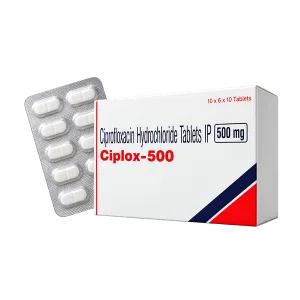
Ciprofloxacin, often referred to as Cipro, belongs to the fluoroquinolone class and works through a different bacterial target. The European Association of Urology and other infectious-disease guidance have restricted routine fluoroquinolone use for uncomplicated infections because of potentially persistent adverse effects [5].

What doctors say

In clinical practice, doctors usually assess three factors before choosing Bactrim: whether the suspected bacteria are likely to be sensitive, whether kidney function supports the planned regimen, and whether another medicine creates an avoidable interaction.

A physician will also distinguish treatment from prevention. A short course for an acute infection is not equivalent to prolonged prophylaxis, which carries a different monitoring burden and resistance risk.

Patients often focus on symptom relief rather than microbiological clearance. Burning during urination may improve before the infection has fully resolved, while fever, flank pain, vomiting, or worsening symptoms can indicate an infection requiring reassessment.

One practical detail is easy to miss: trimethoprim can raise potassium without producing obvious early symptoms. The risk is higher when kidney function is reduced or when several potassium-raising medicines are combined.

What customers often ask

How long does a Bactrim course last, and is long-term use acceptable?

The course length depends on the infection, bacterial susceptibility, kidney function, and treatment purpose. Medsafe's 2023 prescribing information supports different regimens for acute infections, Pneumocystis treatment, and prevention, so one fixed duration does not apply to every patient. Long-term use may be appropriate in selected situations, but it requires review of blood counts, kidney function, electrolytes, and adverse effects. Do not extend treatment after symptoms improve without a new clinical instruction.

Can Bactrim be taken with food or on an empty stomach?

Bactrim tablets can generally be taken with food when stomach upset occurs, and a full glass of water is advisable. Food does not replace the need to maintain evenly spaced doses. Medsafe's 2023 co-trimoxazole information supports oral administration with adequate fluid, while the best timing depends on the prescribed schedule and tolerability. Taking every dose in the same way can make adherence easier.

How soon does Bactrim start to work?

The medicine begins acting against susceptible bacteria after absorption, but symptom improvement varies by infection and severity. Urinary discomfort may begin to ease within the first few days, while fever, flank pain, or systemic symptoms may take longer and need medical review if they worsen. The WHO's 2022 antimicrobial guidance stresses that clinical response must be assessed alongside the suspected organism and resistance pattern. Lack of improvement within the expected period requires reassessment rather than automatic dose escalation.

What happens when Bactrim is stopped, and does it need tapering?

Bactrim is not usually tapered because it is an antibiotic rather than a medicine that produces a withdrawal syndrome. Stopping too early can leave bacteria behind and allow symptoms to return, especially when the infection has not cleared. EMA's 2022 product information supports completing the prescribed course unless a serious reaction or a clinician-directed change requires earlier discontinuation. A severe rash, breathing difficulty, blistering, or marked weakness is a reason to seek urgent help rather than taper gradually.

What should happen after a missed Bactrim dose?

Take the missed dose when remembered unless the next scheduled dose is close. In that situation, skip the missed dose and continue with the usual timetable. Medsafe's 2023 advice for missed oral doses follows the same principle: avoid taking two doses together because this increases adverse-effect risk without reliably improving treatment. If several doses have been missed, the prescriber may need to review whether the course remains suitable.

Do you offer anonymous delivery?

Your order will be securely packed and shipped within 24 hours. This is exactly what your package will look like (images of an actual item sent). It has the size and look of a regular private letter (24x11x0.7 cm) and its contents cannot be seen.

Comparison

How the medicines for Antibiotics compare

How Buyers Rate Bactrim

Based on 3 reviews

Claire, 35 Verified
Rating: 3 out of 5

The burning eased after a couple of days, and I found the tablets easier on my stomach when taken with food. I developed a mild headache at first, which settled, but I contacted the clinic when a small rash appeared.

Whangārei 2 Nov 2026
Natalie, 51 Verified
Rating: 3 out of 5

My symptoms improved quickly, but I felt nauseated during the first two days. Drinking more water helped. The part I had not expected was needing a blood test because I was already taking medicine for blood pressure.

Hamilton 6 Oct 2026
Helen F., 58 Verified
Rating: 3.5 out of 5

The treatment helped the infection, but I stopped early when I felt better and the symptoms returned. The second assessment showed that I needed a different plan, so I no longer treat recurring symptoms by using leftover tablets.

Gisborne 23 Oct 2026

Sources

  1. U.S. Food and Drug Administration (2023). Bactrim prescribing information
  2. World Health Organization (2023). WHO AWaRe Antibiotic Book
  3. U.S. Food and Drug Administration (2023). Sulfamethoxazole and trimethoprim: prescribing information and safety data
  4. European Medicines Agency (2022). Co-trimoxazole product information
  5. European Association of Urology (2024). EAU Guidelines on Urological Infections
Get our free app Shop faster and track your orders Install