Skip to content
In stock Amoxil
Antibiotics

Amoxil

Bacterial infections of the throat, ears, sinuses and chest may require antibiotic treatment when a susceptible organism is confirmed or strongly suspected. Amoxil contains amoxicillin, an…

Guaranteed quality Original product
Delivery: from 4 days Discreet shipping
24/7 Support Always available
Active ingredient: Amoxicillin
Select dosage:
Select pack Package Per unit Price
$ 7.67 $ 153.34
$ 5.80 $ 230.01 $ 173.91 Save 24%
$ 3.52 $ 460.02 $ 211.31 Save 54%
$ 2.53 $ 690.03 $ 228.14 Save 67%
$ 2.21 $ 920.04 $ 265.54 Save 71%
Free Regular Delivery $ 2.11 $ 1,380.06 $ 379.61 Save 72%
Free Regular Delivery $ 1.69 $ 2,070.09 $ 456.28 Save 78%
Best value Free Regular Delivery $ 1.48 $ 2,760.12 $ 531.08 Save 81%
$ 14.59 $ 145.86
$ 8.32 $ 291.72 $ 166.43 Save 43%
$ 6.11 $ 437.58 $ 183.26 Save 58%
$ 3.65 $ 875.16 $ 218.79 Save 75%
$ 2.66 $ 1,312.74 $ 239.36 Save 82%
$ 2.43 $ 1,750.32 $ 291.72 Save 83%
Free Regular Delivery $ 2.23 $ 2,625.48 $ 402.05 Save 85%
Free Regular Delivery $ 1.82 $ 3,500.64 $ 435.71 Save 88%
Best value Free Express Delivery $ 1.72 $ 5,250.96 $ 620.84 Save 88%

Free delivery on orders from $ 374.00, free express delivery from $ 561.00

Secure payment methods:
VISA AMEX JCB DISCOVER

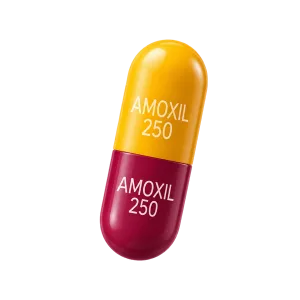
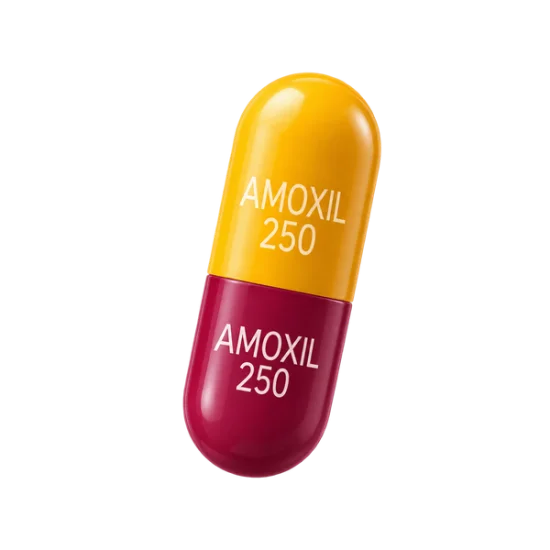
Bacterial infections of the throat, ears, sinuses and chest may require antibiotic treatment when a susceptible organism is confirmed or strongly suspected. Amoxil contains amoxicillin, an aminopenicillin that blocks bacterial cell-wall formation. It is supplied as 250 mg capsules for individually selected treatment plans.

Product information

The active ingredient is amoxicillin. Its pharmacological class is aminopenicillin antibiotic.

Directions for use

Amoxil dosage and administration

The dose is decided individually, taking age, other medicines and health conditions into account. The prescriber considers:

  • The site and severity of infection
  • The suspected or confirmed bacteria
  • Kidney function
  • Age and body weight
  • Penicillin allergy history
  • Previous antibiotic exposure
  • Other medicines being taken
  • Whether the treatment is part of an H. pylori regimen

Amoxil capsules are taken by mouth with water. The schedule should be followed at regular intervals for the prescribed duration. Do not double the next dose to compensate for a missed capsule unless a prescriber specifically instructs you to do so.

People with reduced kidney function may require a different interval or dose. Older adults often need a careful review of kidney function because renal clearance can decline without obvious symptoms.

If a dose is remembered fairly soon, take it when practical. If the next scheduled dose is close, skip the missed dose and continue with the regular timetable rather than taking two capsules together.

Alcohol does not directly deactivate amoxicillin, but drinking heavily can worsen nausea, dehydration and poor adherence during an infection. Avoid sharing capsules with another person, even when their symptoms appear similar.

Ingredients

Amoxil contains amoxicillin, a beta-lactam antibiotic in the aminopenicillin group. The dose is decided individually, taking age, other medicines and health conditions into account.

Amoxicillin belongs to the penicillin family. Bacteria that produce certain beta-lactamase enzymes may resist it, so the medicine is not suitable for every infection.

Tell the prescriber about any previous reaction to penicillin or cephalosporin antibiotics. A delayed rash and immediate swelling or breathing difficulty carry different levels of concern, so describe the timing and symptoms accurately.

How it affects the body

Amoxicillin works against susceptible bacteria by interfering with enzymes that build and maintain the bacterial cell wall. Human cells do not have this wall, which gives the medicine its selective antibacterial action. Amoxil is used for several bacterial infections, but it has no useful effect against viruses such as those responsible for most common colds and influenza.

Therapeutic indications

Bacterial infections treated with Amoxil

Amoxil may be prescribed for infections caused by bacteria that are sensitive to amoxicillin. Common clinical uses include:

  • Streptococcal pharyngitis, commonly called strep throat
  • Bacterial tonsillitis
  • Middle ear infection, also called acute otitis media
  • Selected bacterial sinus infections
  • Certain lower respiratory tract infections
  • Some urinary, skin and dental infections when the responsible bacteria are susceptible
  • Helicobacter pylori eradication as part of combination treatment

Respiratory tract and sinus infection treatment

Amoxicillin can be used for selected lower respiratory tract infections caused by susceptible bacteria. The diagnosis may involve chest examination, oxygen measurement, sputum assessment or imaging, depending on the symptoms and clinical findings.

Acute sinus symptoms often begin after a viral cold. Thick nasal discharge, facial pressure or coloured mucus alone does not prove a bacterial infection. Bacterial rhinosinusitis becomes more likely when symptoms persist without improvement, become severe, or worsen after an initial period of recovery.

Amoxil may be selected when the suspected bacteria are expected to respond to amoxicillin. Local resistance patterns influence prescribing decisions, and some infections require a different antibiotic or a combination containing a beta-lactamase inhibitor.

A bacterial chest infection can cause fever, productive cough, breathlessness or chest discomfort. Urgent assessment is needed for severe breathing difficulty, bluish lips, confusion, coughing blood or rapidly worsening illness.

Take each dose at evenly spaced times when possible. Setting a reminder linked to a regular meal can help, but the capsule can be taken with food if stomach upset occurs unless the prescriber gives different instructions.

Helicobacter pylori eradication and peptic ulcer disease

Helicobacter pylori is a bacterium that can colonise the stomach lining and contribute to gastritis, peptic ulcer disease and an increased long-term risk of gastric cancer. Amoxicillin is used in eradication regimens, not as a stand-alone treatment.

A typical eradication plan combines an acid-suppressing medicine with amoxicillin and one or more additional antibacterial agents. The acid-suppressing component raises stomach pH, while the antibacterial medicines attack H. pylori through different mechanisms. Combination therapy improves eradication and reduces the chance that resistant organisms will survive.

The exact regimen varies with previous antibiotic exposure, local resistance data, allergy history and treatment guidelines. Completion of the full combination course matters because incomplete therapy can leave H. pylori present and harder to eliminate.

Persistent upper-abdominal pain, black stools, vomiting blood, unexplained weight loss or difficulty swallowing requires prompt medical assessment. These symptoms can indicate ulcer bleeding or another gastrointestinal condition.

Common mistakes

Common patient mistakes

Several habits can reduce the benefit of antibiotic treatment:

  • Taking capsules only when symptoms feel severe
  • Stopping as soon as fever or pain improves
  • Doubling doses after a missed capsule
  • Using a relative’s remaining antibiotic supply
  • Treating a cold or influenza with amoxicillin
  • Failing to mention kidney disease
  • Forgetting to report a past penicillin reaction
  • Taking an H. pylori regimen incompletely
  • Ignoring severe diarrhoea after the course ends
  • Opening or chewing capsules without checking whether the formulation permits it

A capsule should not be opened simply to make it easier to swallow unless a pharmacist or prescriber confirms that this is suitable for the specific product. Some people mistake mild nausea for a reason to abandon therapy, while others ignore escalating diarrhoea that needs urgent assessment.

Keep a simple record of dose times when the course is more frequent than once daily. This is more reliable than estimating from memory, especially during a feverish illness or when caring for a child.

Reasons not to use it

Contraindications and important interactions

Amoxil is not suitable for you if you have previously experienced anaphylaxis, angioedema or another severe immediate reaction to amoxicillin, penicillin or a closely related beta-lactam antibiotic.

Specific situations requiring medical review include:

  • Previous antibiotic-associated jaundice or liver injury linked to amoxicillin
  • Significant kidney impairment
  • Suspected glandular fever or infectious mononucleosis
  • Severe gastrointestinal disease
  • Pregnancy or breastfeeding when the infection and treatment plan need assessment
  • A history of severe skin reactions to medicines

Amoxicillin can interact with several medicines. Methotrexate toxicity may increase because penicillin antibiotics can reduce methotrexate clearance. Warfarin and other anticoagulants may require closer monitoring if an antibiotic changes diet, illness status or gut vitamin K production. Allopurinol may increase the likelihood of an amoxicillin-associated rash.

Hormonal contraceptive reliability is not generally reduced by amoxicillin itself, although vomiting or severe diarrhoea can interfere with oral contraceptive absorption. Oral anticoagulant users should report unusual bruising or bleeding.

When this is not for you

Amoxil is not for you if you have ever had severe swelling, breathing difficulty or anaphylaxis after amoxicillin, penicillin or a related antibiotic. Tell a clinician before treatment if you have kidney problems, previous liver injury from amoxicillin, glandular fever, severe stomach or bowel disease, pregnancy or breastfeeding, or a history of severe medicine-related skin reactions. Also mention methotrexate, warfarin, other anticoagulants or allopurinol.

Unwanted effects

Amoxil side effects and tolerability

Common unwanted effects include nausea, loose stools, abdominal discomfort and skin rash. These effects may be mild and temporary, but a rash during antibiotic treatment should still be reported because its appearance and timing help distinguish a minor reaction from a serious allergy.

Antibiotic-associated diarrhoea can occur during treatment or after the course has ended. Watery or bloody diarrhoea, severe abdominal cramps or fever may indicate Clostridioides difficile infection and require urgent medical attention.

Other possible reactions include:

  • Headache
  • Vomiting
  • Oral or vaginal thrush
  • Temporary changes in taste
  • Dizziness
  • Abnormal liver blood tests
  • Rare changes in blood counts

Anaphylaxis is uncommon but serious. Swelling of the lips, tongue or throat, wheezing, difficulty breathing, faintness or rapidly spreading hives requires emergency care.

One practical detail is easy to miss: an amoxicillin rash can occur without a true penicillin allergy, especially during some viral illnesses. The medicine should still be stopped and assessed if a rash appears, because the pattern determines whether future penicillin use is appropriate.

Another detail concerns infectious mononucleosis. People with glandular fever who receive amoxicillin can develop a widespread rash. The rash does not always represent an immediate allergy, but the medicine still needs clinical review.

Comparison

Amoxil is a single-ingredient oral aminopenicillin that acts by blocking bacterial cell-wall formation. For some infections, it may be used alone, while Helicobacter pylori treatment requires combination therapy selected by the prescriber.

What doctors say

Doctor perspectives on Amoxil treatment

In clinical practice, doctors usually focus first on whether the illness is bacterial and whether amoxicillin is likely to cover the organism. A familiar antibiotic is not automatically the right antibiotic for every sore throat, cough or sinus symptom.

The prescriber also checks allergy history and kidney function. A person who tolerated penicillin years ago may still need review if the previous reaction was poorly remembered, while a past mild delayed rash may lead to a different plan from a history of airway swelling.

Consistency affects treatment success. Missed doses, stopping after early improvement and using leftover capsules all make treatment harder to assess. Antibiotics also should not be saved for a future illness because the later infection may have a different cause.

For H. pylori, doctors judge success with follow-up testing rather than symptoms alone. Stomach pain may improve even when the bacterium remains present, so eradication confirmation can be clinically relevant.

What customers often ask

How does Amoxil differ from antibiotics with another active substance?

Amoxil contains amoxicillin, an aminopenicillin that disrupts bacterial cell-wall construction. Antibiotics from other classes attack different bacterial targets and may cover organisms that resist penicillins. Medsafe guidance and the 2022 WHO AWaRe antibiotic book support choosing treatment according to the suspected organism, infection site and resistance risk rather than selecting by symptom alone [1]. A different active substance may be preferred after a confirmed allergy, recent antibiotic exposure or culture result.

Can Amoxil cause diarrhoea?

Amoxicillin can cause loose stools, nausea and abdominal discomfort because antibiotics alter the normal balance of intestinal bacteria. Mild diarrhoea may occur during treatment, while severe watery or bloody diarrhoea can indicate C. difficile-associated disease. The 2023 FDA Amoxicillin Prescribing Information treats persistent or severe diarrhoea after antibacterial treatment as a symptom requiring medical assessment [2]. Do not use anti-diarrhoeal medicines for severe symptoms without clinical advice.

Can older adults use Amoxil?

Older adults may use amoxicillin when the infection is suitable for this antibiotic and the dose has been selected for their health status. Kidney function deserves special attention because amoxicillin is cleared largely through the kidneys. The 2023 Medsafe amoxicillin data sheet advises dose or interval adjustment when renal function is reduced [3]. Older people should also provide a complete list of prescription medicines, anticoagulants and supplements before treatment begins.

Which symptoms mean stopping Amoxil and seeking urgent medical help?

Stop taking further capsules and seek urgent medical help for facial or throat swelling, breathing difficulty, faintness, widespread blistering rash or skin peeling. Urgent assessment is also needed for bloody diarrhoea, severe abdominal pain, yellowing of the eyes or marked confusion. The 2023 EMA Summary of Product Characteristics for amoxicillin identifies anaphylaxis and severe cutaneous reactions as emergencies [4]. A mild isolated stomach upset is different from these warning signs, but worsening symptoms still need clinical review.

Can Amoxil affect driving, concentration or work with machinery?

Amoxicillin does not commonly impair alertness, but dizziness, headache, nausea or illness itself can affect concentration. The New Zealand Medsafe medicine safety information from 2024 advises caution when a medicine causes symptoms that could reduce safe performance. Do not drive or operate machinery if you feel dizzy, faint, confused or unusually unwell. An allergic reaction requires emergency treatment rather than continuing work or travel.

What should I do after a missed Amoxil dose?

Take the missed capsule when remembered unless the next scheduled dose is close. If the next dose is due soon, skip the missed one and resume the normal timetable; do not take two capsules together. WHO antibiotic-use principles from 2022 support completing the prescribed course while avoiding unnecessary extra doses. For a multi-drug H. pylori regimen, write down the missed dose and obtain specific instructions because the timing of the other medicines may also matter.

Do you offer anonymous delivery?

Your order will be securely packed and shipped within 24 hours. This is exactly what your package will look like (images of an actual item sent). It has the size and look of a regular private letter (24x11x0.7 cm) and its contents cannot be seen.

Comparison

How the medicines for Antibiotics compare

Amoxil and related amoxicillin formulations

Amoxil and other amoxicillin products can contain the same active substance while differing in capsule strength, tablet design or release characteristics. Those differences affect how often a dose is taken and whether the formulation can be substituted directly.

Formulation category Pharmacological feature Practical implication
Immediate-release amoxicillin Releases amoxicillin after oral administration Doses are scheduled at regular intervals
Extended-release amoxicillin Releases the active ingredient over a longer period The dosing schedule may differ
Combination antibiotic formulation Adds another antibacterial or beta-lactamase inhibitor Used for organisms not adequately covered by amoxicillin alone

A prescription for one formulation should not be replaced with a different release type without a revised dosing plan. Capsules should be swallowed whole with water unless a prescriber has provided different instructions.

The key clinical distinction is the active ingredient and release profile, not the colour of the capsule. A pharmacist or prescriber needs to confirm the strength and formulation before making a substitution.

How Buyers Rate Amoxil

Based on 4 reviews

Lee, 47 Verified
Rating: 5 out of 5

I took Amoxil for a bacterial throat infection after testing. The fever eased after two days, and I finished the course. I had mild nausea on the first morning, which improved when I took the capsule with food.

Lower Hutt Five-day course 4 Nov 2026
Darren, 30 Verified
Rating: 3 out of 5

The chest infection improved, but the first few days were rough on my stomach. I missed one capsule during work and took the next one at the normal time rather than doubling it. The main frustration was loose stools near the end.

Auckland Seven-day course 6 Oct 2026
Tom, 62 Verified
Rating: 4 out of 5

The medicine helped my ear infection, and the pain reduced within a couple of days. I needed a kidney function review because I also take several regular medicines. That extra check made the schedule clearer.

Blenheim Prescribed course 21 Oct 2026
Michael, 55 Verified
Rating: 3.5 out of 5

The stomach treatment involved more than Amoxil, and the number of tablets was difficult to remember. I used a written timetable and completed the course. Nausea was noticeable, but it settled after treatment finished.

Te Awamutu Prescribed course 12 Oct 2026

Sources

  1. World Health Organization (2022). The WHO AWaRe (Access, Watch, Reserve) antibiotic book.
  2. U.S. Food and Drug Administration (2023). Amoxicillin: Prescribing Information.
  3. Medsafe (2023). Amoxicillin: Data Sheet.
  4. European Medicines Agency (2023). Summary of Product Characteristics (SmPC) — amoxicillin.
Get our free app Shop faster and track your orders Install