Directions for use
The amount taken at each intake is selected individually. Kidney function, serum urate, age, concurrent treatment, the reason for therapy, and the risk of adverse reactions all influence the regimen.
Typical administration principles include:
- Take the prescribed amount by mouth with water.
- Take it once daily or according to the schedule selected for the individual treatment plan.
- Use it regularly, including on days without joint pain.
- Take it after food if stomach upset occurs.
- Do not stop treatment abruptly without a clinical reason.
- If a dose is forgotten, take it when remembered unless the next scheduled dose is near.
- Do not double the next intake to compensate for a missed dose.
- Dose increases, when needed, are gradual rather than self-directed.
- Reduced kidney function requires a lower or more cautious regimen.
The first dose can be delayed or adjusted in people with severe kidney impairment. People receiving chemotherapy may follow a different timing plan because tumour lysis prevention must begin in relation to cancer treatment.
If a rash appears after starting Allopurinol, do not take another dose until urgent medical advice has been obtained. A mild-looking rash can precede a serious hypersensitivity reaction.
Prescribing information from Medsafe and other regulatory authorities supports gradual dose selection, renal adjustment, and continued monitoring of serum urate [3].
How it affects the body
This enzyme participates in the final stages of purine breakdown.
The biochemical pathway is:
- Hypoxanthine is converted into xanthine.
- Xanthine is converted into uric acid.
- Allopurinol and oxypurinol inhibit xanthine oxidase.
- Less uric acid is produced.
- Urate crystal formation becomes less likely.
Lower uric acid levels reduce the gradual accumulation of monosodium urate crystals in joints and tissues. Existing crystals may take months to dissolve, so treatment is designed for sustained urate control rather than immediate pain relief. The pharmacological pathway and dose-adjustment principles are described in regulatory prescribing information for allopurinol [1].
Enzymatic Inhibition Pathway
Uric acid is the final product of purine metabolism in humans. When production exceeds renal excretion, blood urate can rise. Crystals may then deposit in joints, kidneys, or soft tissues.
Allopurinol does not remove uric acid through a diuretic effect. It reduces production at the enzyme stage. This distinction explains why the medicine is used regularly, even when a person feels well.
A practical detail is easy to miss: urate levels can fall before joint symptoms improve. The body still needs time to clear deposits that formed before treatment began.
Take Allopurinol at the same time each day with water. A consistent routine supports adherence and makes missed doses easier to identify.
Therapeutic indications
Allopurinol is used for long-term urate lowering in selected patients. Its main uses involve excessive uric acid production, reduced uric acid excretion, or a clinical situation in which a sudden uric acid increase could be dangerous.
| Clinical situation |
Therapeutic goal |
Treatment role |
| Chronic gout |
Lower serum urate and reduce crystal burden |
Long-term prevention |
| Uric-acid kidney stones |
Reduce uric acid available for stone formation |
Preventive treatment |
| Tumour lysis syndrome risk |
Limit uric acid production after rapid cell breakdown |
Chemotherapy-related prophylaxis |
In gout, uric acid crystals cause inflammation inside and around joints. The first toe is common, but the ankle, knee, fingers, wrist, and elbow can also be affected. Allopurinol helps prevent future attacks after the treatment plan has been established.
Tumour lysis syndrome can occur when cancer cells break down rapidly, releasing intracellular substances into the blood. This may produce a sharp rise in uric acid and place stress on the kidneys. Allopurinol is used as prophylaxis in selected oncology settings, with treatment timing determined by the cancer team.
The drug may also be considered in other hyperuricaemic conditions. The indication depends on renal function, urate measurements, the underlying disease, and the person’s risk profile. NICE guidance treats urate-lowering therapy as a long-term strategy rather than a substitute for treatment of acute inflammation [2].
Common mistakes
Several practical errors can reduce the benefit of Allopurinol or delay recognition of harm:
- Taking it only when a joint becomes painful.
- Stopping it after the first symptom-free month.
- Increasing the amount without a urate result or clinical instruction.
- Doubling the next intake after a missed dose.
- Ignoring a new rash because it is small or not itchy.
- Assuming a gout flare proves the medicine is unsuitable.
- Forgetting to mention kidney disease.
- Combining it with azathioprine or mercaptopurine without specialist dose adjustment.
- Failing to report diuretics, ACE inhibitors, or anticoagulants.
- Expecting Allopurinol to work as an immediate painkiller.
A missed dose is usually handled by taking it when remembered unless the next scheduled dose is close. Taking two doses together can increase unwanted effects and does not restore urate control instantly.
Keep a written record of the daily intake and any skin changes during the first treatment period. This is useful when the regimen is reviewed and prevents accidental double dosing.
Reasons not to use it
Allopurinol is not suitable for everyone. The risk of serious reactions is higher in some clinical settings, including kidney impairment and exposure to interacting medicines.
Important drug interactions
- Azathioprine and mercaptopurine: Allopurinol can greatly increase their exposure. Major dose reduction and specialist monitoring are required when combined.
- Warfarin: Anticoagulant response may change, requiring closer INR monitoring.
- ACE inhibitors: Concurrent treatment may be associated with a greater risk of hypersensitivity reactions, especially in people with renal impairment.
- Thiazide diuretics: These medicines can raise urate and may be associated with greater risk of adverse reactions when used with Allopurinol.
- Penicillin antibiotics: Skin reactions may be more likely during combined use.
- Cytotoxic chemotherapy: Tumour lysis prevention requires a coordinated oncology plan.
- Iron-containing products: Some formulations may require attention to administration timing.
Severe cutaneous adverse reactions can begin with a rash, fever, sore throat, facial swelling, or general malaise. They may progress to blistering, mucosal injury, liver involvement, or kidney injury. A rash must be treated as a warning sign until assessed.
The FDA and international pharmacovigilance data identify allopurinol hypersensitivity, severe skin reactions, renal impairment, and important medicine interactions as central safety issues [4].
Tell the prescriber about kidney disease, previous antibiotic rashes, diuretic treatment, chemotherapy, and any use of azathioprine or mercaptopurine before the regimen is selected.
Unwanted effects
Common unwanted effects can include nausea, diarrhoea, stomach discomfort, headache, dizziness, and mild skin eruption. Taking the tablet after food may reduce stomach irritation for some people.
A rash is different from ordinary stomach upset. Any new rash requires prompt clinical assessment, especially when it appears with fever, mouth soreness, eye irritation, facial swelling, or peeling skin. Severe reactions are uncommon but can become life-threatening.
Other clinically relevant adverse effects include:
- Changes in liver tests.
- Worsening kidney function.
- Blood-count abnormalities.
- Drowsiness or dizziness.
- Hypersensitivity syndrome.
- Severe cutaneous adverse reactions.
A person who feels dizzy should avoid driving, climbing, or using machinery until the effect has settled. Allopurinol can also cause a flare during treatment initiation, which reflects crystal mobilisation rather than a direct pain-relieving effect.
One practical point is often overlooked: a rash may appear after the dose has been stable for some time. The timing does not exclude a medicine reaction.
Comparison
Allopurinol is a production-blocking treatment. Other approaches may reduce inflammation during an attack or remove urate through a different renal mechanism.
| Approach |
Main action |
Usual clinical role |
| Allopurinol |
Inhibits xanthine oxidase and lowers uric acid production |
Long-term urate control |
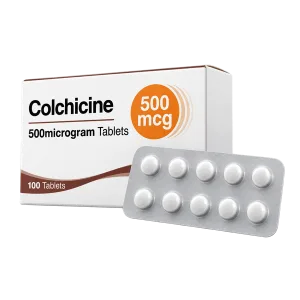
| Colchicine |
Reduces inflammatory activity caused by urate crystals |
Flare treatment or short-term prophylaxis |
| Prednisone |
Suppresses inflammation |
Selected acute flares or when other options are unsuitable |
Ibuprofen is another anti-inflammatory option used for some acute gout flares, but it does not lower the body’s uric acid production. Colchicine may be used when Allopurinol is started because changes in urate levels can mobilise existing crystals and temporarily increase flare risk. Prednisone may be selected when an oral corticosteroid is clinically appropriate.
Allopurinol should not be stopped automatically during a flare once long-term treatment has been established. The clinical plan depends on whether treatment has already begun, the severity of symptoms, kidney function, and the anti-inflammatory medicine being used.
What doctors say
In clinical practice, doctors usually frame Allopurinol as a long-term prevention treatment. The aim is sustained urate control and gradual reduction of crystal deposits, not a rapid change in pain during one attack.
A physician will commonly review:
- Serum urate response.
- Kidney function.
- Liver function when clinically indicated.
- The number and severity of gout flares.
- Tolerance during dose adjustment.
- Other medicines that alter urate or interact with Allopurinol.
- Adherence to the daily regimen.
Treatment may need adjustment when kidney function changes, when a diuretic is added, or when oncology treatment creates a risk of tumour lysis syndrome. Consistent dosing matters because stopping and restarting can complicate urate control and make adverse reactions harder to interpret.
The European Medicines Agency and Medsafe emphasise the importance of recognising hypersensitivity symptoms early. The WHO also identifies medicine-related severe skin reactions as conditions requiring rapid assessment when systemic symptoms occur [3].