I took the tablets for a bacterial urinary infection. The urinary discomfort eased after a few days, but I noticed mild nausea when I took a dose without enough water. Taking it with a full glass helped. I also moved my mineral supplement to a different time.
Tauranga Several days 3 Nov 2026Ciplox
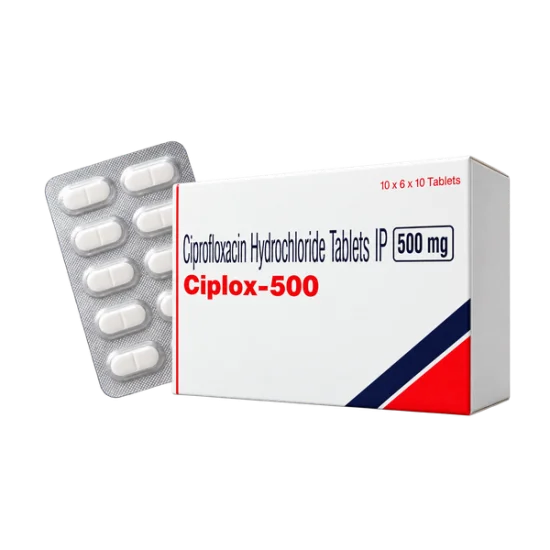
Ciplox contains ciprofloxacin, an antibiotic that blocks bacterial DNA replication and helps treat susceptible bacterial infections. It is intended for adults and other patients when a clinician has…
Ciplox contains ciprofloxacin, an antibiotic that blocks bacterial DNA replication and helps treat susceptible bacterial infections. It is intended for adults and other patients when a clinician has selected ciprofloxacin for the diagnosed infection.
Product information
Ciplox is an oral antibiotic containing ciprofloxacin, a fluoroquinolone. It is intended for adults and other patients when a clinician has selected ciprofloxacin for the diagnosed infection.
Directions for use
The regimen for the chosen strength must be confirmed with a healthcare professional before starting. Use the prescribed number of tablets at the prescribed intervals for the full course, even if symptoms improve earlier.
Practical administration points include:
- Swallow the tablet with water.
- Take each dose at the same planned time.
- Food can affect convenience, but mineral-containing products are the main timing concern.
- Separate ciprofloxacin from aluminium, magnesium, calcium, iron, and zinc products according to the prescriber’s or medicine-specific instructions.
- Do not share tablets with another person.
- Do not use leftover tablets for a later illness.
- If a dose is missed, take it when remembered unless the next scheduled dose is near; never double the next dose.
A course should not be extended because a cough, urinary symptom, or gastrointestinal complaint has not fully settled. Persistent symptoms can indicate resistance, an incorrect diagnosis, a complication, or a condition requiring a different treatment.
Ciprofloxacin reaches the bloodstream after oral administration and is eliminated mainly through the kidneys. Reduced kidney function can change the prescribed regimen.
Ingredients
Ciplox tablets contain ciprofloxacin, a fluoroquinolone antibiotic. The regimen for the chosen strength must be confirmed with a healthcare professional before starting.
How it affects the body
It acts against susceptible bacteria by inhibiting DNA gyrase and topoisomerase IV, enzymes bacteria need to copy and repair their genetic material [1]. This action stops bacterial multiplication and can lead to bacterial cell death.
Therapeutic indications
Ciprofloxacin treats some infections involving the urinary tract, gastrointestinal tract, respiratory system, skin, bones, joints, and other tissues when the causative organism is susceptible. It does not treat viral illnesses such as influenza or the common cold.
Ciprofloxacin may be selected for susceptible infections such as:
- Complicated urinary tract infections.
- Certain gastrointestinal bacterial infections.
- Some skin, bone, joint, or intra-abdominal infections.
- Selected respiratory infections when other options are unsuitable.
- Infections caused by organisms with confirmed susceptibility.
The exact clinical use depends on the diagnosis. Antibiotic treatment should match the organism and infection site rather than the brand name alone.
Ciplox is not a treatment for fungal infections, most viral infections, or uncomplicated symptoms without evidence of bacterial disease. Using an antibiotic when bacteria are not involved increases unnecessary exposure and contributes to antimicrobial resistance.
Common mistakes
Several habits reduce the chance of a smooth treatment course:
- Taking Ciplox together with an iron, calcium, magnesium, or zinc supplement.
- Stopping after one or two symptom-free days.
- Saving remaining tablets for a future infection.
- Doubling a dose after a missed tablet.
- Ignoring new tendon pain because the infection is improving.
- Continuing intense exercise despite tendon symptoms.
- Driving after noticing dizziness or impaired concentration.
- Failing to mention warfarin, diabetes treatment, or heart-rhythm medicines.
- Treating a viral illness with leftover antibiotics.
- Sharing tablets with a family member who has similar symptoms.
One detail is easy to overlook: ciprofloxacin exposure can be affected by nutritional drinks and fortified products, not only by traditional antacids. Read the active mineral ingredients of supplements before planning dose times; there is no need to stop a prescribed supplement permanently, but its timing may need adjustment.
Reasons not to use it
Ciplox is not suitable for you if you have previously had a serious allergic reaction to ciprofloxacin, another quinolone, or a related fluoroquinolone. It is also unsuitable with tizanidine because ciprofloxacin can substantially increase tizanidine exposure and cause dangerous sedation, low blood pressure, or impaired movement.
Extra caution or a different treatment may be needed with:
- Previous fluoroquinolone-associated tendon injury.
- Current tendon pain or a history of tendon disorders.
- Myasthenia gravis.
- Epilepsy or a lowered seizure threshold.
- Significant kidney impairment.
- Aortic aneurysm or major aortic disease.
- Heart rhythm disorders or medicines that prolong the QT interval.
- Diabetes treated with insulin or glucose-lowering medicines.
- Pregnancy or breastfeeding.
- Medicines that affect blood clotting, including warfarin.
Ciprofloxacin can interact with theophylline, methotrexate, ciclosporin, phenytoin, some antiarrhythmics, and certain antipsychotic or antidepressant medicines. Warfarin users may need closer monitoring because antibiotic treatment can alter anticoagulant effect.
Antacids and mineral supplements can reduce ciprofloxacin absorption. The same issue applies to some fortified nutrition products. Timing these products separately is not a minor detail; taking them together can leave less ciprofloxacin available for absorption.
The WHO classifies antimicrobial resistance as a major global health threat, and avoiding unnecessary antibiotic exposure helps preserve treatment options [3].
When this is not for you
Do not take Ciplox if you have ever had a serious allergic reaction to ciprofloxacin or a similar fluoroquinolone, or if you use tizanidine. Tell your clinician before treatment if you have tendon problems, muscle weakness from myasthenia gravis, seizures, kidney disease, heart-rhythm problems, diabetes, pregnancy, or breastfeeding. Also mention warfarin and all medicines and supplements you take regularly.
Unwanted effects
Ciprofloxacin can cause gastrointestinal and nervous-system symptoms. Reported effects include nausea, diarrhoea, abdominal discomfort, headache, dizziness, sleep disturbance, and changes in taste. A bitter or unusual taste can occur with medicines taken by mouth, although it is more commonly discussed with local formulations because drainage from the eyes or ears can reach the throat.
Diarrhoea during antibiotic treatment is often mild, but watery or bloody diarrhoea, severe abdominal pain, or fever may indicate Clostridioides difficile colitis. This can occur during treatment or after the course has finished. Do not self-treat severe antibiotic-associated diarrhoea with anti-diarrhoeal products without medical advice.
Dizziness can impair driving, cycling, or operating machinery. The first few doses are a sensible time to observe how Ciplox affects balance and alertness before undertaking activities requiring full concentration.
Rare but serious reactions require prompt medical attention:
- Pain, swelling, or sudden weakness in a tendon, especially the Achilles tendon.
- Tingling, burning, numbness, or reduced sensation in the hands or feet.
- New severe anxiety, confusion, hallucinations, agitation, or marked sleep changes.
- Fainting, rapid heartbeat, or symptoms suggesting an abnormal rhythm.
- Severe rash, facial swelling, breathing difficulty, or other allergic symptoms.
- Sudden weakness in a person with myasthenia gravis.
- Major blood-glucose changes in a person with diabetes.
Fluoroquinolone-related tendon or nerve symptoms may persist after treatment. The FDA and EMA have issued safety information about these class effects, which is why ciprofloxacin is reserved for situations where its expected benefit justifies its risks [2].
Comparison
Alternative antibiotics are selected according to the infection site, bacterial susceptibility, allergy history, pregnancy status, kidney function, and local antimicrobial guidance, including NICE recommendations. A different fluoroquinolone may share some mechanisms with ciprofloxacin but will not have identical activity, interactions, or dosing considerations.
| Treatment category | Main distinction | Clinical selection |
|---|---|---|
| Ciprofloxacin | Fluoroquinolone affecting bacterial DNA gyrase and topoisomerase IV | Susceptible bacterial infections where ciprofloxacin is appropriate |
| Other fluoroquinolones | Similar class, with different bacterial coverage and pharmacokinetics | Selected according to infection site and susceptibility |
| Non-fluoroquinolone antibiotics | Different targets and adverse-effect profiles | Used when resistance, contraindications, or infection type favour another class |
Culture results can guide the decision when the initial treatment does not work. Do not replace Ciplox with another antibiotic based only on symptom persistence, because the underlying problem may be viral, inflammatory, resistant, or unrelated to infection.
What doctors say
In clinical practice, prescribers usually reserve ciprofloxacin for infections where its bacterial coverage and tissue penetration offer a clear benefit. The decision is shaped by microbiology results, local resistance data, the patient’s kidney function, and the safety profile of available alternatives.
A doctor would expect symptom improvement to follow the biology of the infection, not an instant response after the first tablet. Fever, pain, urinary symptoms, or gastrointestinal symptoms may take time to settle even when the antibiotic is active. Worsening symptoms, new fever, or failure to improve within the timeframe given by the prescriber needs reassessment.
The strongest practical message is to report tendon pain, nerve symptoms, severe mood or neurological changes, or serious diarrhoea early. These effects are uncommon, but delaying action can make recovery more difficult.
Medsafe provides New Zealand medicine-safety information, while EMA safety reviews describe important fluoroquinolone restrictions and adverse effects [4]. These regulatory assessments support careful selection rather than routine use for minor infections.
What customers often ask
What should be discussed with a doctor before starting Ciplox?
Tell the prescriber about allergies to quinolone antibiotics, tendon problems, kidney disease, epilepsy, myasthenia gravis, diabetes, heart-rhythm disorders, pregnancy, and breastfeeding. Provide a complete list of medicines and supplements, with special attention to tizanidine, warfarin, antacids, mineral products, theophylline, and medicines affecting the QT interval. The 2016 FDA label describes these interactions and class warnings in detail [5]. A clinician may also decide that culture testing or a different antibiotic is more suitable.
Can Ciplox cause tendon pain?
Yes. Tendon inflammation or rupture is an uncommon but recognised fluoroquinolone reaction, with the Achilles tendon frequently involved. Pain, swelling, stiffness, or weakness can arise during treatment or after the course, and risk is higher in older adults, people with kidney disease, and those taking systemic corticosteroids. The EMA’s 2018 fluoroquinolone safety review supports stopping strenuous activity and obtaining prompt clinical assessment when tendon symptoms appear.
How does ciprofloxacin differ from other antibiotics?
Ciprofloxacin blocks bacterial DNA gyrase and topoisomerase IV, while antibiotics from other classes target structures such as the bacterial cell wall, ribosome, or folate pathway. Its usefulness depends on the organism and infection site, and resistance can limit its value. The WHO’s 2023 antimicrobial-resistance framework supports choosing an antibiotic according to microbiology and stewardship principles rather than selecting the broadest option automatically. Its safety warnings also differ from those of non-fluoroquinolone antibiotics.
What happens after stopping Ciplox, and does it need tapering?
Ciprofloxacin is an antibiotic, not a corticosteroid, opioid, or antidepressant, so it is not normally tapered. The prescribed course should be completed unless a prescriber tells you to stop because of an adverse reaction, a test result, or a change in diagnosis. Stopping early can leave infection insufficiently treated, while continuing after a serious reaction can increase harm. The EMA’s 2018 safety information supports urgent review when tendon, nerve, severe allergic, or serious neurological symptoms occur.
How long does one Ciplox dose keep working?
A dose continues to contribute to antibacterial exposure between scheduled administrations, which is why doses are spaced according to the prescribed regimen rather than taken whenever symptoms return. The exact interval depends on the infection, kidney function, and treatment plan. Missing doses or taking them too close together can produce uneven exposure and increase adverse effects. Clinical guidance from Medsafe (2022) and the FDA (2016) supports following the individual regimen confirmed before treatment begins.
Do you offer anonymous delivery?
Your order will be securely packed and shipped within 24 hours. This is exactly what your package will look like (images of an actual item sent). It has the size and look of a regular private letter (24x11x0.7 cm) and its contents cannot be seen.
Comparison
Amoxil
Ampicillin
Augmentin
Bactrim
Ciplox Current
Risks associated with prolonged corticosteroid combination therapy
Ciplox tablets do not contain a corticosteroid. The main concern with steroid combinations applies to other products that combine an antibiotic with a corticosteroid, especially ophthalmic preparations. Those formulations should not be substituted for Ciplox tablets.
Long-term or repeated corticosteroid exposure in the eye can raise intraocular pressure and may contribute to glaucoma or cataract formation. Steroids can also suppress local immune responses, allowing some fungal or viral eye infections to worsen. These risks are different from the adverse-effect profile of oral ciprofloxacin.
A person using a steroid-containing eye product needs a diagnosis that supports the steroid component and a duration determined by the prescriber. Redness alone is not enough reason to use an antibiotic-steroid combination. Eye pain, light sensitivity, reduced vision, or worsening discharge needs clinical assessment rather than repeated self-treatment.
How Buyers Rate Ciplox
Based on 3 reviews
The infection improved, and I did not have stomach problems. I did feel slightly dizzy after one dose, so I avoided driving and mentioned it to the clinic. The symptom passed, but the experience made me more careful about taking the medicine when I had to work.
Blenheim One treatment course 6 Oct 2026The first few doses caused loose stools and an unpleasant taste. The infection symptoms were settling, but I became concerned when my Achilles tendon felt sore after exercise. I stopped the exercise and contacted the prescriber rather than trying to push through it.
Hamilton Early treatment period 25 Oct 2026Sources
- U.S. Food and Drug Administration (2016). CIPRO (ciprofloxacin hydrochloride) Tablets — Prescribing Information.
- European Medicines Agency (2018). Quinolone- and fluoroquinolone-containing medicinal products — referral procedure.
- World Health Organization (2023). Antimicrobial resistance — fact sheet.
- Medsafe (2022). Fluoroquinolone antibiotics and the risk of disabling and potentially permanent side effects.
- U.S. Food and Drug Administration (2022). Fluoroquinolone Antimicrobial Drugs — Drug Safety Communication.