I was treated for a chest infection after the cough became productive and I had a fever. By the second day I was less wiped out, although my stomach felt unsettled for a day. Taking the tablet after breakfast helped.
Whanganui Three days 23 Oct 2026Zithromax
Zithromax is a prescription macrolide antibiotic containing azithromycin for susceptible bacterial infections. It is used when a prescriber selects it based on the infection and the patient’s health…
Zithromax is a prescription macrolide antibiotic containing azithromycin for susceptible bacterial infections. It is used when a prescriber selects it based on the infection and the patient’s health factors. It works by blocking bacterial protein production.
Product information
Zithromax contains azithromycin. Azithromycin belongs to the macrolide antibiotic group, which also includes clarithromycin and erythromycin. In New Zealand, it is supplied as a prescription medicine, and the dose is decided individually, taking age, other medicines and health conditions into account.
Directions for use
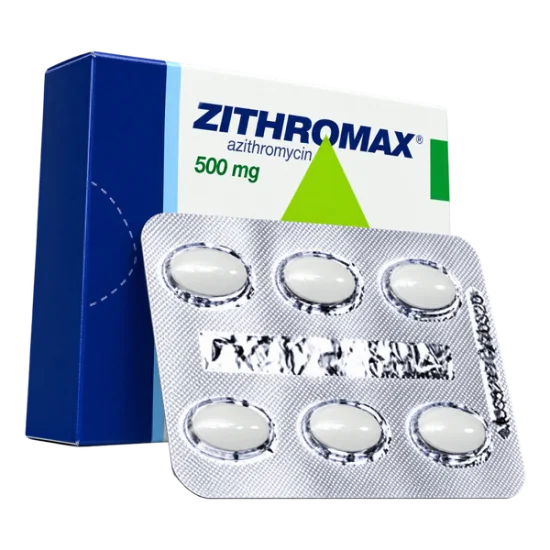
The dose is decided individually, taking age, other medicines and health conditions into account. Zithromax tablets are swallowed whole with water. They may usually be taken with or without food, although taking them after a light meal can be easier for people who develop nausea.
Follow these practical rules:
- Take the exact number of tablets prescribed each day.
- Finish the full course, even if symptoms improve early.
- If a dose is missed, take it when remembered unless the next dose is nearly due.
- Do not take two doses together to make up for a forgotten tablet.
- Leave at least two hours between Zithromax and antacids containing aluminium or magnesium.
- Seek prompt clinical advice if symptoms worsen, fever persists, or new symptoms develop during treatment.
Ingredients
Zithromax contains azithromycin. Azithromycin belongs to the macrolide antibiotic group, which also includes clarithromycin and erythromycin. In New Zealand, it is supplied as a prescription medicine and should be used for the infection and course selected by the prescriber.
Pharmacological classification and prescription status
Azithromycin binds to the 50S subunit of bacterial ribosomes. A ribosome is the part of a bacterial cell that produces proteins. By blocking protein production, azithromycin slows bacterial multiplication and allows the immune system to clear the infection.
Its long tissue half-life is clinically useful. Azithromycin remains in infected tissues after the tablet has been absorbed, which is why some infections can be treated with short courses. The World Health Organization classifies azithromycin as a Watch antibiotic because inappropriate use can contribute to antimicrobial resistance. [1]
How it affects the body
Azithromycin binds to the 50S subunit of bacterial ribosomes. A ribosome is the part of a bacterial cell that produces proteins. By blocking protein production, azithromycin slows bacterial multiplication and allows the immune system to clear the infection.
Therapeutic indications
Zithromax is prescribed when the suspected or confirmed bacteria are sensitive to azithromycin. A prescriber considers the infection site, severity, local resistance patterns, allergies, kidney and liver function, and other medicines before choosing it.
It does not treat viruses.
Common clinical uses include:
- Certain throat, sinus, ear, and chest infections caused by susceptible bacteria.
- Community-acquired respiratory infections, including some cases of bronchitis or pneumonia.
- Skin and soft-tissue infections where macrolide coverage is appropriate.
- Some sexually transmitted infections, including chlamydia in selected circumstances.
- Traveller’s diarrhoea caused by susceptible bacterial pathogens.
- Prevention or treatment plans for selected infections in people with reduced immunity.
Respiratory and gastrointestinal applications
A cough, sore throat, or diarrhoea does not automatically mean an antibiotic is needed. Viral respiratory infections generally resolve without antibacterial treatment, while uncomplicated diarrhoea often responds best to fluids and oral rehydration. Azithromycin is reserved for clinical situations where bacterial infection is likely or confirmed.
For chest infections, treatment choice depends on the likely organism and the person’s risk factors. For traveller’s diarrhoea, the target is usually moderate to severe bacterial diarrhoea rather than mild, self-limiting symptoms. New Zealand antimicrobial guidance supports targeted prescribing to limit resistance and avoid unnecessary adverse effects. [2]
Treatment of sexually transmitted infections
Chlamydia treatment needs a clear plan for testing, treatment completion, and sexual partners. A person treated for chlamydia may need partner notification and treatment to prevent reinfection. Testing for other sexually transmitted infections may also be appropriate, depending on the clinical setting.
Common mistakes
Several avoidable errors reduce the benefit of Zithromax or increase adverse effects.
- Starting leftover antibiotics for a new cough or sore throat. The infection may be viral or caused by bacteria not covered by azithromycin.
- Stopping after one or two tablets because symptoms improve. Symptoms can settle before bacteria are adequately cleared.
- Taking a missed dose together with the next dose. This raises adverse-effect risk without restoring the planned schedule.
- Using antacids at the same time as the antibiotic.
- Forgetting to mention warfarin, digoxin, ciclosporin, or medicines linked with heart rhythm changes.
- Assuming severe diarrhoea is harmless because antibiotics commonly upset the stomach.
- Resuming sexual contact before STI treatment and partner management are complete.
Reasons not to use it
- Serious allergic reaction to azithromycin, erythromycin, clarithromycin, or another macrolide antibiotic.
- Previous episode of cholestatic jaundice or significant liver dysfunction linked to azithromycin.
- Known congenital long-QT syndrome, previous torsades de pointes, or an unexplained history of fainting related to heart rhythm.
- Low blood potassium or magnesium.
- Severe liver disease.
- Myasthenia gravis, because macrolides can worsen muscle weakness in some patients.
- Pregnancy or breastfeeding, where the prescriber weighs the infection risk against treatment options.
- A suspected viral illness, because antibiotics do not shorten viral infections.
When this is not for you
This is not for you if you have previously had a serious allergic reaction to azithromycin or another macrolide antibiotic. Tell the prescriber if you have heart-rhythm problems, unexplained fainting, low potassium or magnesium, severe liver disease, myasthenia gravis, or a previous liver reaction to azithromycin. Pregnancy, breastfeeding, severe vomiting or diarrhoea, and a suspected viral illness also need medical assessment before treatment.
Unwanted effects
Most people tolerate short courses of azithromycin reasonably well. Digestive symptoms are the most common limitation. Nausea, diarrhoea, abdominal discomfort, vomiting, headache, and altered taste can occur.
Antibiotic-associated diarrhoea deserves attention. Mild loose stools may settle after the course ends, yet severe, persistent, bloody, or mucus-containing diarrhoea can signal a more serious bowel infection and needs urgent assessment. Antibiotics can alter normal gut bacteria, allowing Clostridioides difficile to multiply in some people.
Rare reactions matter because they can be serious. Stop treatment and seek urgent care for swelling of the face or throat, wheezing, widespread hives, blistering rash, yellowing of the eyes or skin, fainting, or a fast irregular heartbeat. Azithromycin can prolong the QT interval, an electrical measurement of heart rhythm, in people with relevant risk factors. The European Medicines Agency warns that this risk rises with existing rhythm disorders, low potassium or magnesium, slow heart rate, and medicines that also lengthen the QT interval. [3]
Comparison
Azithromycin, clarithromycin, and erythromycin are all macrolide antibiotics. The best option depends on the infection, expected bacteria, resistance patterns, allergies, coexisting illnesses, and interactions with regular treatment.
| Active ingredient | Dosing pattern and persistence | Practical limitation |
|---|---|---|
| Azithromycin | Often once daily; persists in tissues for several days | QT-risk precautions still apply |
| Clarithromycin | Usually taken twice daily | More interaction potential through liver enzymes |
| Erythromycin | Often requires more frequent dosing | Gastrointestinal effects are more common |
Azithromycin’s long tissue persistence can make short regimens possible. Clarithromycin may be chosen for infections where its antibacterial spectrum is preferred. Erythromycin remains useful in selected situations, though nausea, cramping, and diarrhoea often limit tolerability.
Macrolides are not interchangeable by default. A bacterial culture, previous antibiotic exposure, and local susceptibility data can change the preferred choice. A 2021 Cochrane review found that macrolide selection should be driven by infection-specific evidence rather than convenience alone. [4]
What doctors say
In clinical practice, prescribers focus first on whether the illness is bacterial and whether azithromycin covers the likely organism. Short courses are convenient, yet convenience is not the same as broad suitability. A person with recurrent chest symptoms, repeated sinus infections, or persistent diarrhoea may need testing rather than repeated antibiotics.
Doctors also pay close attention to heart history. A past irregular rhythm, fainting episode, electrolyte disturbance, or use of rhythm-affecting medicines changes the benefit-risk calculation. Symptoms should begin to improve within the timeframe explained for the diagnosed infection, though complete recovery can take longer than the antibiotic course itself.
A second antibiotic course should not be started simply because symptoms linger. Persistent symptoms may reflect viral illness, resistant bacteria, an abscess, asthma, reflux, another sexually transmitted infection, or a non-infectious cause.
What customers often ask
Can Zithromax tablets be split, crushed, or chewed?
Zithromax 500 mg tablets should be swallowed whole unless a prescriber or pharmacist has given a specific alternative instruction. Crushing or chewing can leave an intensely bitter taste and makes it easier to lose part of a dose. Medsafe’s 2023 azithromycin prescribing information supports oral administration of tablets as directed for the prescribed regimen. If swallowing tablets is difficult, discuss a suitable formulation before treatment begins. A pharmacist can advise whether another formulation is available.
Which condition rules out Zithromax use?
A previous serious allergy to azithromycin or another macrolide antibiotic rules out Zithromax use. This includes past anaphylaxis, facial or throat swelling, breathing difficulty, or severe blistering skin reactions after a macrolide. The EMA’s 2023 safety information describes hypersensitivity reactions as an urgent reason to stop azithromycin and obtain medical care. Mild nausea from a previous antibiotic is not the same as an allergy, so the exact past reaction should be described clearly.
How long does one Zithromax dose keep working?
Azithromycin has a long terminal half-life and accumulates in tissues, so antibacterial exposure continues after each tablet has been absorbed. The WHO’s 2023 antibiotic classification materials describe azithromycin as a long-acting macrolide, which supports short prescribed courses for selected infections. This does not mean a person should skip doses or extend the interval independently. The prescribed schedule is designed to maintain appropriate antibacterial concentrations for the diagnosed infection.
What should be discussed before starting Zithromax?
Discuss any previous macrolide allergy, liver disease, heart rhythm disorder, fainting history, low potassium or magnesium, pregnancy, breastfeeding, and all regular medicines. Warfarin, digoxin, ciclosporin, and QT-prolonging medicines need special attention because monitoring or an alternative antibiotic may be needed. Medsafe’s 2023 azithromycin information also highlights antacids containing aluminium or magnesium, which should be separated from the antibiotic. Mention recent antibiotic use and whether symptoms have persisted or returned after earlier treatment.
Can Zithromax be used under 18?
Azithromycin can be used in children and adolescents for selected bacterial infections, though treatment should be prescribed according to age, body weight, infection type, and formulation. The 500 mg tablet strength may not suit every young person. The New Zealand Formulary for Children, updated in 2025, uses weight-based approaches for paediatric azithromycin treatment. A young person with severe vomiting, dehydration, breathing difficulty, or marked drowsiness needs urgent assessment rather than routine oral treatment alone.
How does azithromycin differ from clarithromycin?
Both are macrolide antibiotics that block bacterial protein synthesis at the 50S ribosomal subunit. Azithromycin tends to have a longer tissue half-life and is often prescribed once daily, while clarithromycin is commonly dosed twice daily. Clarithromycin has more clinically significant liver-enzyme interactions, which can matter for people taking several long-term medicines. The EMA’s 2023 macrolide safety materials emphasise that both medicines require attention to QT-related cardiac risk.
Do you offer anonymous delivery?
Your order will be securely packed and shipped within 24 hours. This is exactly what your package will look like (images of an actual item sent). It has the size and look of a regular private letter (24x11x0.7 cm) and its contents cannot be seen.
Comparison
How Buyers Rate Zithromax
Based on 4 reviews
The clinic explained the partner part clearly, which I had not thought much about. I had mild nausea that evening but no rash or dizziness. The follow-up test was the part I nearly forgot.
Gisborne Single dose 2 Nov 2026My throat pain eased quickly, but I had loose bowel motions on day two. They settled after the course. I would not take it on an empty stomach again.
Christchurch Three days 8 Nov 2026It helped within a day, but I had assumed I could stop after the first tablet once I felt better. I completed the course after being reminded that the schedule was set for the infection, not just the symptoms.
Greymouth Three days 18 Nov 2026Sources
- World Health Organization (2023). WHO AWaRe classification of antibiotics for evaluation and monitoring of use.
- New Zealand Formulary (2025). Azithromycin.
- European Medicines Agency (2023). Azithromycin: product information.
- Cochrane (2021). Macrolide antibiotics for respiratory tract infections.