Skip to content
In stock Terramycin
Antibiotics

Terramycin

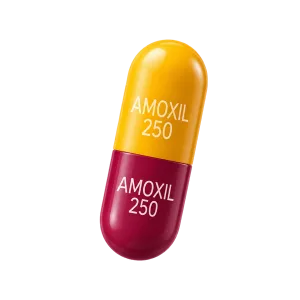
Terramycin capsules are an oral antibacterial treatment for patients with susceptible bacterial infections. They work by slowing bacterial growth through interference with bacterial protein…

Guaranteed quality Original product
Delivery: from 4 days Discreet shipping
24/7 Support Always available
Active ingredient: Oxytetracycline
Select pack Package Per unit Price
$ 1.16 $ 209.44
Best value $ 1.04 $ 418.88 $ 374.00 Save 11%

Free delivery on orders from $ 374.00, free express delivery from $ 561.00

Secure payment methods:
VISA AMEX JCB DISCOVER

Terramycin capsules are an oral antibacterial treatment for patients with susceptible bacterial infections. They work by slowing bacterial growth through interference with bacterial protein production. The prescribed dose depends on the infection, patient factors, and other medicines.

Product information

Terramycin capsules are taken by mouth as a prescribed tetracycline antibiotic for susceptible bacterial infections.

Directions for use

There is no single amount that suits every patient. Dosing differs between strengths and between users, so the prescribed dose should be followed exactly.

Practical administration points include:

  • Take the capsules by mouth with a generous glass of water.
  • Keep the timing as even as possible when more than one daily dose is prescribed.
  • Separate the dose from antacids and mineral supplements containing calcium, magnesium, aluminium, iron, or zinc because these substances can reduce absorption.
  • Avoid taking the capsule at the same time as dairy products unless the prescribing instructions specifically allow it.
  • Swallow the capsule whole. Do not crush or chew it.
  • Complete the prescribed course unless a clinician instructs you to stop because of a reaction or another medical reason.
  • If a dose is forgotten, take it when remembered unless the next scheduled dose is close. Do not take two doses together.

A subtle practical problem is the morning routine. Breakfast milk, an iron tablet, and an antacid can all fall close together, making the antibiotic less reliably absorbed. Spacing these products is often more useful than simply changing the time by a few minutes.

Create a written schedule when Terramycin is taken with iron, zinc, magnesium, calcium, or antacids. The separation interval should follow the prescribed product instructions, because mineral binding can reduce antibiotic absorption.

Ingredients

Terramycin capsules are an oral tetracycline antibiotic for susceptible bacterial infections. They work by slowing bacterial growth through interference with bacterial protein production. The capsules are taken by mouth as prescribed, with dosing adjusted to the infection, patient factors, and other medicines. Separate doses from antacids and mineral supplements containing calcium, magnesium, aluminium, iron, or zinc because these substances can reduce absorption.

How it affects the body

Tetracycline antibiotics enter susceptible bacterial cells and bind to the 30S ribosomal subunit. This prevents transfer RNA from delivering amino acids needed to build bacterial proteins. Bacterial growth is suppressed while the immune system clears the remaining organisms.

This mechanism differs from antibiotics that damage the bacterial cell wall or block bacterial DNA replication. The distinction matters because resistance to one antibiotic group does not automatically predict resistance to another, although bacteria can carry several resistance mechanisms at once.

Resistance can make treatment fail even when the diagnosis is correct. Pseudomonas aeruginosa is an example of a bacterium that often requires separate susceptibility testing because it has multiple natural and acquired resistance mechanisms. A tetracycline antibiotic should not be assumed to cover every organism found in a wound, urine sample, or respiratory specimen.

WHO and NICE antimicrobial guidance places emphasis on targeted treatment, appropriate duration, and avoiding unnecessary exposure. These principles protect the patient and reduce selection pressure that allows resistant bacteria to survive. [1]

Therapeutic indications

Oral tetracycline antibiotics may be used for susceptible bacterial infections involving the respiratory tract, skin, urinary tract, or other tissues. The exact role of Terramycin depends on local resistance patterns and the result of clinical assessment.

Terramycin does not treat viruses. It is not useful for influenza, most sore throats caused by viruses, or uncomplicated viral coughs. Using an antibacterial drug when bacteria are not responsible increases the chance of side effects without treating the underlying illness.

A clinical response can include reduced fever, less pain, improved discharge, reduced swelling, or better function in the affected area. These changes do not always appear immediately. A worsening infection, new fever, breathing difficulty, severe pain, or rapidly spreading redness requires prompt medical assessment.

The antibiotic may be prescribed for:

  • Susceptible bacterial infections confirmed by testing or judged likely from clinical findings.
  • Infections where another antibiotic is unsuitable because of allergy, resistance, or treatment history.
  • Conditions in which a tetracycline-class antibiotic is appropriate for the identified organism.

A culture and sensitivity test may be useful when the infection is severe, recurrent, or not improving. The result shows which bacteria are present and which antibiotics are likely to work.

Common mistakes

Several avoidable habits can reduce treatment reliability:

  • Taking the capsule with an iron or calcium supplement.
  • Lying down immediately after swallowing it.
  • Using leftover capsules for a new illness.
  • Stopping treatment after the first improvement.
  • Taking two doses after forgetting one.
  • Spending prolonged periods in strong sunlight without protection.
  • Treating severe diarrhoea with over-the-counter medicine without assessment.
  • Sharing capsules with another person who has similar symptoms.

A common mistake is assuming that a missed dose should be replaced with two capsules. The safer approach is to take the missed dose when remembered, unless the next dose is near, then return to the regular schedule.

Another error is judging treatment failure too early. Some symptoms improve before the infection has cleared, while other symptoms can take longer because damaged tissue continues to heal after bacterial growth has been controlled.

Reasons not to use it

  • You have had a serious allergic reaction to a tetracycline antibiotic.
  • You are taking isotretinoin or another medicine associated with raised pressure inside the skull, unless a prescriber has specifically assessed the combination.
  • You have severe swallowing problems or cannot remain upright after taking an oral capsule.
  • A previous tetracycline course caused severe liver injury or a serious immune-mediated reaction.
  • The infection is known to be caused by bacteria that are not susceptible to tetracycline treatment.

Additional caution applies during pregnancy, when planning pregnancy, and during breastfeeding. Tetracycline-class antibiotics can affect developing teeth and bones, so the potential benefit must be weighed against fetal or infant exposure. Young children also require careful specialist assessment because of dental and skeletal concerns.

Tell the prescriber about kidney disease, liver disease, swallowing disorders, raised pressure in the skull, myasthenia gravis, and previous antibiotic-associated colitis. Warfarin and related anticoagulants may require closer monitoring because antibiotic treatment can alter anticoagulant response.

Important interaction groups include:

  • Antacids containing aluminium, magnesium, or calcium.
  • Iron, zinc, and other mineral supplements.
  • Oral retinoids such as isotretinoin.
  • Anticoagulants such as warfarin.
  • Certain medicines that can irritate the oesophagus or increase sun sensitivity.

When this is not for you

This medication is not for you if you have had a serious allergy to a tetracycline antibiotic, cannot swallow capsules safely, or cannot remain upright after taking one. It may also be unsuitable if you are pregnant, planning pregnancy, breastfeeding, or giving it to a young child unless a clinician has carefully assessed the situation. Tell the prescriber about serious liver problems, kidney disease, raised pressure in the skull, or medicines such as isotretinoin, warfarin, iron, calcium, magnesium, zinc, or antacids.

Unwanted effects

Digestive symptoms are among the more common problems with oral tetracycline antibiotics. Nausea, abdominal discomfort, loose stools, and reduced appetite may occur. Taking the capsule with enough water can reduce upper gastrointestinal irritation, while mineral-containing products should be separated because they interfere with absorption.

Other possible reactions include:

  • Headache or dizziness.
  • Sensitivity to sunlight, with easier sunburn.
  • Skin rash, itching, or redness.
  • Vaginal or oral fungal overgrowth after antibiotic exposure.
  • Persistent or severe diarrhoea.

Severe watery or bloody diarrhoea can indicate antibiotic-associated colitis, including Clostridioides difficile infection. It can develop during treatment or after the course has ended. Do not self-treat this symptom with anti-diarrhoeal medicines without medical advice.

Sun sensitivity is easy to underestimate on cloudy days. Exposed skin can burn faster than expected, especially during outdoor work, gardening, boating, or sport. Protective clothing and high-factor sunscreen reduce exposure but do not remove the possibility of photosensitivity.

Rare but urgent reactions include swelling of the face or throat, difficulty breathing, blistering skin, widespread peeling, severe headache with visual disturbance, or sudden visual changes. These symptoms need urgent medical attention.

If nausea occurs, remain upright after swallowing the capsule and avoid taking it immediately before lying down. Pain behind the breastbone or difficulty swallowing can signal medicine-related irritation of the oesophagus.


Comparison

Treatment approach Main action Practical limitation
Tetracycline-class antibiotic Blocks bacterial protein production Absorption can fall with mineral products and antacids
Beta-lactam antibiotic Disrupts bacterial cell-wall construction Allergy and bacterial resistance can limit use
Macrolide antibiotic Interferes with bacterial protein production at a different ribosomal site Drug interactions and resistance may affect selection

The best choice depends on the organism, infection site, allergy history, kidney and liver function, pregnancy status, and local resistance data. A broader antibiotic is not automatically a better antibiotic. Treatment directed at the identified bacterium can reduce unnecessary adverse effects.

A switch may be needed when symptoms worsen, cultures show resistance, or side effects become clinically significant. Changing treatment without assessment can leave the infection undertreated and make the next antibiotic choice less clear.

What doctors say

In clinical practice, doctors usually judge response by the infection itself rather than by one isolated symptom. Falling fever, reduced swelling, less discharge, and improved energy can support improvement, while persistent deterioration suggests that reassessment may be needed.

A prescriber would also ask whether the capsules were taken with antacids, iron, or dairy products. Poor absorption can look like antibiotic failure. This is one of the most common practical explanations when the diagnosis is correct but the expected response does not appear.

The antibiotic should be selected with antimicrobial stewardship in mind. The European Medicines Agency supports using antibacterial treatment according to the likely organism, susceptibility information, and clinical need rather than extending treatment without a clear reason. [2]

Patients sometimes stop as soon as pain or fever improves. That can be unsafe when bacteria remain present. The prescribed duration should be followed unless a specific adverse reaction requires a change.

What customers often ask

What happens when Terramycin is stopped, and does it need tapering?

Terramycin is an antibiotic, so it is generally stopped rather than tapered when the prescribed course is complete. The World Health Organization’s 2022 AWaRe guidance supports using the planned duration and avoiding leftover treatment. If a serious rash, breathing difficulty, severe diarrhoea, or swallowing pain develops, treatment may need urgent review rather than gradual reduction. Restarting or extending capsules after stopping should be based on a new clinical decision.

What is the best time of day to take Terramycin?

The best time is the one that allows the prescribed doses to remain evenly spaced and separated from interacting mineral products. Medsafe product information from 2018 emphasises practical administration with water and attention to absorption-reducing medicines. Morning or evening can both work when the timing is consistent and the capsule is not taken close to iron, calcium, magnesium, zinc, or antacids. A routine linked to a regular activity can reduce forgotten doses.

Can Terramycin affect driving, concentration, or machinery work?

The New Zealand Medicines and Medical Devices Safety Authority, Medsafe, identifies dizziness and visual symptoms as issues that can affect activities requiring alertness in susceptible patients. Do not drive or operate machinery if you feel dizzy, unusually drowsy, visually disturbed, or unwell after taking a capsule. Alcohol can worsen dizziness and impair judgement, even when it does not directly block the antibiotic’s action. Resume these activities only when you feel fully alert and able to respond safely.

What should happen if the expected result does not come?

European Medicines Agency guidance published in 2022 support reassessing the diagnosis, organism, absorption, adherence, and resistance when improvement does not occur. Contact the prescribing service promptly if symptoms worsen, new fever develops, pain spreads, or discharge increases. Do not increase the dose, borrow another antibiotic, or use leftover capsules. A culture, examination, or change in treatment may be needed.

How soon does the effect of Terramycin become noticeable?

The FDA prescribing information for oxytetracycline, published in 2019, describes clinical response as dependent on the infection, organism, treatment exposure, and patient factors. Some symptoms may begin improving after several doses, while deeper or more extensive infections can take longer. Persistent symptoms do not always mean the medicine has failed, but deterioration or a lack of any improvement requires reassessment. Complete the prescribed course unless a clinician changes it because of a reaction or a different diagnosis.

Do you offer anonymous delivery?

Your order will be securely packed and shipped within 24 hours. This is exactly what your package will look like (images of an actual item sent). It has the size and look of a regular private letter (24x11x0.7 cm) and its contents cannot be seen.

Comparison

How the medicines for Antibiotics compare

How Buyers Rate Terramycin

Based on 4 reviews

Mark, 57 Verified
Rating: 4.5 out of 5

The fever settled after several days, and the capsules were easy to swallow with water. I had mild nausea when I took one before breakfast, so moving it away from my empty stomach helped.

Oamaru Prescribed duration 16 Nov 2026
Ben, 33 Verified
Rating: 4 out of 5

I expected the problem to clear almost immediately. It took longer than I thought, and I became more careful about taking the capsule away from my mineral supplement. The result improved after the timing was corrected.

Greymouth Prescribed duration 19 Oct 2026
Richard, 64 Verified
Rating: 3.5 out of 5

The infection improved, but I noticed that sunlight bothered my skin more than usual. I limited outdoor exposure during the course. The main inconvenience was keeping the doses separate from my other tablets.

Porirua Prescribed duration 8 Nov 2026
Ian, 61 Verified
Rating: 2.5 out of 5

The first few doses caused stomach discomfort, and I stopped before speaking to the prescriber. The infection returned, so I needed another assessment. I would now report the reaction promptly instead of making the decision alone.

Blenheim Shortened duration 28 Oct 2026

Sources

  1. World Health Organization (2022). The WHO AWaRe Antibiotic Book
  2. European Medicines Agency (2022). Antimicrobial resistance
Get our free app Shop faster and track your orders 3.9 · 414 reviews Install