Skip to content
In stock Karela
Diabetes

Karela

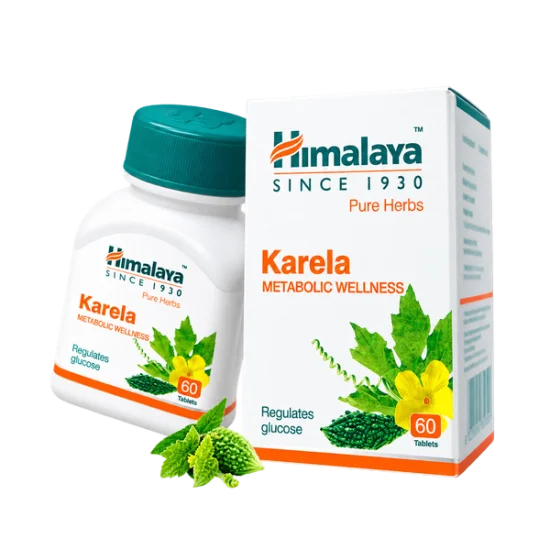
Karela, also known as bitter gourd, is a herbal tablet used to support metabolic wellness and healthy blood glucose regulation. It is intended for adults seeking plant-based support alongside a…

Guaranteed quality Original product
Delivery: from 4 days Discreet shipping
24/7 Support Always available
Active ingredient: Momordica charantia
Select pack Package Per unit Price
$ 1.28 $ 230.01
Best value $ 0.81 $ 460.02 $ 289.85 Save 37%

Free delivery on orders from $ 374.00, free express delivery from $ 561.00

Secure payment methods:
VISA AMEX JCB DISCOVER

Karela, also known as bitter gourd, is a herbal tablet used to support metabolic wellness and healthy blood glucose regulation. It is intended for adults seeking plant-based support alongside a balanced diet and appropriate medical care.

Product information

Bitter gourd contains bioactive plant compounds traditionally associated with glucose metabolism.

Directions for use

Karela is supplied as tablets. The amount and frequency depend on the purpose of use and are agreed with a doctor or pharmacist. The appropriate plan differs for general metabolic support, impaired fasting glucose, or a person already using glucose-lowering treatment.

Practical use points include:

  • Take the tablets by mouth with water.
  • Use the agreed dose and schedule consistently.
  • Do not increase the amount because blood glucose remains high.
  • Do not combine Karela with a change in diabetes medicine unless the treatment plan has been reviewed.
  • If a dose is missed, take it when remembered unless the next scheduled dose is close.
  • Do not double the next dose to compensate.

A person monitoring glucose should record readings in the same way each day during the first period of use. Symptoms such as sweating, shakiness, sudden hunger, dizziness, confusion, or unusual weakness can indicate low blood glucose, especially when Karela is combined with insulin or other glucose-lowering treatment.

Keep Karela at a consistent time each day if that is part of the agreed plan. Consistency makes it easier to relate symptoms and glucose readings to the supplement.

Food is not a substitute for dose control. Eating bitter gourd at lunch does not provide a predictable equivalent of a Karela tablet, and taking extra tablets after a high-carbohydrate meal is not a safe correction strategy.

Ingredients

Karela tablets contain bitter gourd, a plant ingredient with bioactive compounds traditionally associated with glucose metabolism. The product supports metabolic wellness and healthy blood glucose regulation for adults alongside a balanced diet and appropriate medical care.

How it affects the body

Modern research has examined compounds in Momordica charantia, including charantin, polypeptide-p, and other cucurbitane-related substances. Laboratory and small human studies suggest that bitter gourd may influence glucose handling, insulin signalling, and glucose transport, but the evidence is not strong enough to treat diabetes independently [1].

  • Plant compounds may influence how cells respond to insulin.
  • Some bitter gourd constituents may affect glucose uptake and carbohydrate metabolism.
  • Reduced intestinal absorption of some carbohydrates has also been proposed, although the size and clinical importance of this effect remain uncertain.

The phrase “plant insulin” can cause confusion. Polypeptide-p has been described as an insulin-like peptide in experimental research, but it is not interchangeable with prescribed human insulin.

The World Health Organization describes diabetes management as a combination of glucose monitoring, lifestyle measures, and appropriate medical treatment rather than reliance on one food or herb [2].

Therapeutic indications

Karela has a long history of traditional dietary use for metabolic health.

Karela may therefore be considered supportive rather than curative. It cannot reverse established diabetes, prevent every complication, or substitute for medicines prescribed for blood glucose control.

Common mistakes

Several practical errors can make Karela harder to use safely:

  • Treating a herbal tablet as a replacement for insulin or prescribed diabetes medicine.
  • Taking extra tablets after a high glucose reading.
  • Using it without telling the clinician who manages diabetes treatment.
  • Assuming fresh bitter gourd and tablets have identical effects.
  • Ignoring repeated dizziness or sweating.
  • Starting it during fasting or acute illness without a monitoring plan.
  • Stopping prescribed treatment after one improved glucose reading.
  • Failing to mention the supplement before surgery.
  • Expecting a short course to correct long-standing glucose problems.

One common misunderstanding concerns “natural insulin.” Bitter gourd contains plant compounds studied for insulin-like or insulin-sensitising activity, but these compounds do not provide the same controlled replacement as pharmaceutical insulin. Another mistake is judging the product only by immediate symptoms. Glucose management should be assessed through appropriate readings and clinical measures, not by whether the tablet produces a noticeable sensation. Readings matter more than immediate sensations.

Reasons not to use it

  • Pregnancy, because concentrated bitter gourd preparations may affect uterine activity or glucose regulation.
  • Breastfeeding, because safety data for concentrated preparations are limited.
  • A history of recurrent low blood glucose.
  • Use of insulin or glucose-lowering medicines.
  • Known allergy to bitter gourd or other members of the Cucurbitaceae family.
  • Planned surgery, where changing glucose control may create additional risk.
  • Significant liver or kidney disease.
  • Childhood use without a paediatric treatment plan.

Karela may interact with treatment for diabetes by adding to its glucose-lowering effect. It can also complicate glucose management when a person is fasting, eating very little, drinking alcohol, or experiencing vomiting or diarrhoea.

When this is not for you

Karela is not appropriate for everyone. NOT for you if you have recurrent hypoglycaemia, use glucose-lowering medicines without clinical guidance, or are pregnant without medical advice.

People with diabetes should continue prescribed monitoring and treatment. Do not use Karela to alter insulin or medicine doses without a clinician-directed plan. A herbal product cannot safely replace emergency treatment for severe hyperglycaemia or diabetic ketoacidosis.

Unwanted effects

Karela may be tolerated without difficulty by some adults, though digestive symptoms can occur. Reported concerns with bitter gourd preparations include abdominal discomfort, nausea, diarrhoea, headache, and low blood glucose, with the risk influenced by dose and concurrent medicines .

Possible effects include:

  • Stomach upset or cramping
  • Loose stools
  • Nausea
  • Headache or light-headedness
  • Symptoms of low blood glucose
  • Allergic reactions in people sensitive to the plant or its ingredients

Low blood glucose deserves special attention. The risk is more relevant when Karela is used with insulin, sulfonylureas, or other medicines that lower glucose. A reading below the target range, or symptoms such as sweating and confusion, should be treated as a medical issue rather than as proof that the supplement is working.

A bitter taste is expected from the plant but does not indicate strength. Likewise, the absence of a bitter taste in a tablet does not show that the product has no metabolic activity.

If dizziness, sweating, tremor, or confusion develops after starting Karela, pause further doses until the glucose-lowering treatment plan has been reviewed and check blood glucose when possible.

Stop use and seek urgent medical attention for facial swelling, breathing difficulty, widespread hives, fainting, severe weakness, or persistent vomiting.

Comparison

Karela fits within the broader category of plant-based metabolic support. The alternatives below differ in evidence, predictability, and clinical role.

Approach Main role
Karela tablets Herbal support based on bitter gourd compounds; glucose-lowering effects may vary
Fresh bitter gourd in meals Food-based intake with fibre, water, and naturally occurring nutrients
Prescribed glucose-lowering treatment Measured therapy selected for the person’s diabetes type, glucose pattern, and health status

Fresh bitter gourd has a nutritional role, while tablets provide a more convenient concentrated format. Neither option provides the predictable pharmacological dosing of prescribed diabetes treatment.

People with diagnosed diabetes should regard Karela as an adjunctive option only when it fits their treatment plan. Medsafe and other medicines regulators treat herbal products as products requiring careful attention to claims, ingredients, directions, and possible interactions; botanical origin does not remove the possibility of adverse effects.

The closest mechanism-based comparison is not another brand. It is the difference between a food-derived botanical approach and a medicine with a defined active ingredient, tested dose, and established treatment indication. Karela may suit someone seeking plant-based metabolic support, but it is not a replacement for prescribed therapy.

What doctors say

In clinical practice, the most useful role for Karela is usually supportive rather than substitutive. A doctor will want to know whether the person has diagnosed diabetes, prediabetes, or a general interest in metabolic wellness, because those situations carry different monitoring requirements.

A clinician will also review medicines, glucose readings, kidney function, pregnancy status, and the planned duration of use. A person using several glucose-lowering products may need closer monitoring after introducing any additional botanical product.

The evidence for bitter gourd is mixed. Some small clinical studies have reported improvements in glucose measures, while reviews have identified limitations such as small sample sizes, variable preparations, and inconsistent dosing . This makes product-specific expectations difficult to generalise.

A realistic clinical goal is a stable routine, not a rapid drop in glucose. If readings remain above target, the answer is not automatically a higher amount of Karela. The person may need assessment of diet, adherence, infection, stress, other medicines, or the underlying diabetes treatment.

What customers often ask

Is Karela suitable for someone with recurrent low blood glucose?

Recurrent hypoglycaemia is a reason to avoid self-directed use of Karela. Bitter gourd may add to the glucose-lowering effect of insulin or other medicines, and the combined effect can be difficult to predict. The American Diabetes Association's 2024 Standards of Care describe hypoglycaemia as a clinically significant complication requiring an individual treatment plan [3]. A person with repeated low readings needs the cause assessed before adding a glucose-support supplement.

Can Karela cause stomach upset or diarrhoea?

Yes, digestive upset is possible with bitter gourd preparations. Nausea, abdominal discomfort, and loose stools have been reported in clinical and traditional-use literature, although frequency varies between preparations. A 2019 review in Pharmacognosy Reviews described gastrointestinal effects among the possible adverse reactions associated with bitter gourd products . Persistent diarrhoea can also disturb glucose control and fluid balance, so continued use is unsuitable while these symptoms persist.

How does Karela differ from prescribed glucose-lowering treatment?

Karela is a botanical product based on bitter gourd compounds, whereas prescribed treatment contains a defined active medicine selected for a specific clinical indication. Research on bitter gourd has examined insulin signalling, glucose uptake, and carbohydrate metabolism, but preparation strength and response can vary. The European Medicines Agency (EMA) applied defined quality, safety, and efficacy requirements to authorised medicines in 2024; those standards do not automatically apply in the same way to every herbal product. Karela should therefore be viewed as supportive and not as a direct substitute for prescribed treatment.

What should I do after missing a Karela dose?

Take the missed dose when remembered if the next scheduled dose is not close. If the next dose is due soon, skip the missed dose and return to the usual schedule. Never take two doses together to compensate. The FDA's 2023 medication-safety guidance supports avoiding double dosing after a missed dose unless a specific product direction states otherwise [4].

What happens when Karela is stopped, and does it need tapering?

Karela is not generally associated with a recognised withdrawal syndrome that requires a taper. Its possible metabolic effect is expected to decline after stopping, so glucose readings may change if it was contributing to glucose control. A person using it alongside diabetes treatment should continue prescribed medicines and monitoring unless the treatment plan changes. The American Diabetes Association's 2024 Standards of Care support recording changes such as stopping Karela when discussing glucose results with the clinician managing diabetes.

How long does a Karela course last, and is long-term use acceptable?

There is no universal course length for every person or purpose. The duration depends on the reason for use, glucose readings, other treatment, tolerability, and the advice of a doctor or pharmacist. Long-term use should not be assumed to be risk-free because extended safety data can differ between herbal preparations and doses. The American Diabetes Association's 2024 Standards of Care support periodic review when Karela is used beyond a short trial, especially in diabetes, pregnancy planning, liver disease, kidney disease, or polypharmacy.

Do you offer anonymous delivery?

Your order will be securely packed and shipped within 24 hours. This is exactly what your package will look like (images of an actual item sent). It has the size and look of a regular private letter (24x11x0.7 cm) and its contents cannot be seen.

Comparison

How the medicines for Diabetes compare

How Buyers Rate Karela

Based on 3 reviews

Nicola, 44 Verified
Rating: 3.5 out of 5

Nicola, 44 - Upper Hutt, used the tablets for five weeks alongside changes to breakfast and evening snacks. She felt that the routine helped her stay more consistent, although she did not notice a dramatic change in energy.

Upper Hutt Five weeks 7 Nov 2026
Sophie, 41 Verified
Rating: 2.5 out of 5

Sophie, 41 - Masterton, tried Karela during a period of irregular meals. She reported mild stomach discomfort during the first few days and stopped after it continued, rather than increasing the dose.

Masterton The first few days 11 Oct 2026
Jessica, 60 Verified
Rating: 3.5 out of 5

Jessica, 60 - Hastings, used Karela while already monitoring blood glucose. After several weeks, she felt more comfortable with her dietary routine, but her treatment plan still required prescribed medicine and regular monitoring.

Hastings Several weeks 30 Oct 2026

Sources

  1. Pharmacognosy Reviews (2019). Momordica charantia: A review of its phytochemistry and pharmacology
  2. World Health Organization (2020). WHO Guidelines on Physical Activity and Sedentary Behaviour
  3. American Diabetes Association (2024). Standards of Care in Diabetes—2024
  4. U.S. Food and Drug Administration (2023). Medicines in My Home: What You Need to Know
Get our free app Shop faster and track your orders 3.9 · 258 reviews Install