Skip to content
In stock Actos
Diabetes

Actos

Type 2 diabetes involves insulin resistance, which can leave too much glucose in the bloodstream. Actos contains pioglitazone, an oral thiazolidinedione tablet for adults whose diabetes plan includes…

Guaranteed quality Original product
Delivery: from 4 days Discreet shipping
24/7 Support Always available
Active ingredient: Pioglitazone
Select dosage:
Select pack Package Per unit Price
$ 2.74 $ 164.56
$ 2.39 $ 246.84 $ 215.05 Save 13%
$ 2.23 $ 329.12 $ 267.41 Save 19%
$ 2.06 $ 493.68 $ 370.26 Save 25%
Free Regular Delivery $ 1.98 $ 658.24 $ 474.98 Save 28%
Best value Free Express Delivery $ 1.90 $ 987.36 $ 684.42 Save 31%
$ 3.09 $ 185.13
$ 2.74 $ 277.70 $ 246.84 Save 11%
$ 2.56 $ 370.26 $ 306.68 Save 17%
Free Regular Delivery $ 2.34 $ 555.39 $ 420.75 Save 24%
Free Express Delivery $ 2.23 $ 833.09 $ 602.14 Save 28%
Best value Free Express Delivery $ 2.15 $ 1,110.78 $ 772.31 Save 30%
$ 3.80 $ 114.07
$ 3.02 $ 228.14 $ 181.39 Save 20%
$ 2.70 $ 342.21 $ 243.10 Save 29%
$ 2.46 $ 456.28 $ 295.46 Save 35%
Best value Free Regular Delivery $ 2.19 $ 684.42 $ 394.57 Save 42%

Free delivery on orders from $ 374.00, free express delivery from $ 561.00

Secure payment methods:
VISA AMEX JCB DISCOVER

Type 2 diabetes involves insulin resistance, which can leave too much glucose in the bloodstream. Actos contains pioglitazone, an oral thiazolidinedione tablet for adults whose diabetes plan includes diet, physical activity, and glucose-lowering treatment. It activates PPAR-γ receptors to help body tissues respond to insulin more effectively.

Product information

Actos is an oral thiazolidinedione tablet containing pioglitazone for adults with type 2 diabetes. It is an insulin-sensitising medicine that improves how body tissues respond to insulin.

Directions for use

Actos is supplied as tablets. The appropriate strength and daily regimen are confirmed with a healthcare professional before treatment begins. The dose depends on glycaemic response, liver status, tolerability, and other medicines.

Actos is treated as a prescription-only medicine in New Zealand. The product’s dispensing information and Consumer Medicine Information provide the administration details for the specific presentation.

Prescribed use and dose adjustments

  • Take the tablet by mouth at the prescribed time.
  • Swallow it with water.
  • Follow the prescribed daily schedule.
  • Do not increase, stop, or restart Actos without clinical advice.
  • Do not double the next dose after a missed tablet.
  • If a dose is missed, follow the missed-dose instructions supplied with the treatment plan or contact the prescribing team for specific direction.

Actos may be taken with or without food when permitted by the applicable product information. Taking it at a consistent time can make adherence easier.

Keep a simple record of glucose readings, body weight, and any ankle swelling during the first weeks of treatment. A pattern is more useful to the prescriber than trying to remember one unusually high or low result.

One practical point is easy to miss: improved glucose readings do not justify stopping treatment suddenly. Pioglitazone changes insulin sensitivity gradually, and stopping it can allow glucose levels to rise again.

Ingredients

Actos contains pioglitazone, an insulin-sensitising medicine used for type 2 diabetes. It belongs to the thiazolidinedione class and is taken as an oral tablet. Pioglitazone addresses insulin resistance rather than directly stimulating the pancreas to release more insulin. Its role is to improve blood glucose control within an individualised treatment plan.[1]

Active ingredient and pharmacological class

Pioglitazone is the active pharmaceutical ingredient in Actos. The tablet also contains inactive ingredients needed to form and stabilise the dosage form, but these excipients do not provide the glucose-lowering action.

Thiazolidinediones act through a cellular receptor called PPAR-γ. The effect develops gradually because pioglitazone changes how certain tissues respond to insulin over time.

Actos does not replace meals, physical activity, glucose monitoring, or other diabetes treatment prescribed for you. A better glucose reading usually shows treatment response, not that type 2 diabetes has disappeared.

How it affects the body

Pioglitazone activates PPAR-γ receptors, which regulate processes involved in glucose and fat metabolism. This activation improves the responsiveness of body tissues to insulin, helping glucose move from the bloodstream into cells more effectively. The resulting increase in insulin sensitivity can support improved blood glucose control.

Therapeutic indications

Actos may be used alone or alongside other glucose-lowering medicines when insulin resistance contributes to poor control. Suitability depends on medical history, liver assessment, kidney function, glucose readings, heart health, and concurrent medicines.

The medicine is not used to treat type 1 diabetes, where the body requires insulin replacement.

Common mistakes

Common mistakes include:

  • doubling a dose after forgetting a tablet;
  • stopping Actos when glucose readings improve;
  • ignoring a gradual increase in body weight;
  • starting rifampicin or another interacting medicine without reporting it;
  • assuming ankle swelling is only a normal sign of ageing;
  • changing insulin or sulfonylurea doses independently;
  • judging treatment from one glucose reading;
  • overlooking blood in the urine.

A frequent misunderstanding is that a medicine working well means diabetes has been cured. Actos improves insulin sensitivity while it is being used; it does not remove the underlying tendency toward type 2 diabetes.

Reasons not to use it

It also requires caution when there is a history of heart failure, significant fluid retention, liver disease, bladder cancer, or unexplained blood in the urine. Actos is NOT for you if your prescriber identifies a contraindication, including severe heart failure or significant liver disease.

When this is not for you

People with heart failure, liver disease, bladder cancer risk, or unexplained blood in the urine need clinical assessment before pioglitazone is used.

Contact the treatment team promptly about:

  • rapid weight gain over a short period;
  • swelling of the ankles or legs;
  • breathlessness, especially when lying down;
  • dark urine or yellowing of the skin or eyes;
  • severe or persistent abdominal discomfort;
  • blood in the urine;
  • unusual tiredness with worsening swelling.

Severe breathlessness, chest discomfort, fainting, or rapidly worsening swelling requires urgent medical attention. These symptoms can indicate significant fluid retention or another serious condition.

Unwanted effects

Pioglitazone-related fluid retention can appear as tight shoes, sock marks, swollen ankles, or a noticeable change in body weight. Breathlessness when lying down is more concerning than mild ankle swelling and warrants urgent assessment.

The FDA prescribing information warns about fluid retention, heart failure risk, fractures, liver injury, and bladder-related concerns with pioglitazone. The risks are not identical for every patient, which is why medical history and follow-up matter.[2]

Comparison

Pioglitazone, metformin, sulfonylureas, and insulin work through different treatment pathways. The best choice depends on glucose targets, kidney and liver status, cardiovascular history, heart failure risk, hypoglycaemia risk, and personal treatment priorities.

Treatment approach Main role and mechanism Main monitoring concern
Pioglitazone Improves insulin sensitivity through PPAR-γ activation Oedema, weight gain, heart failure risk, liver symptoms
Metformin Reduces hepatic glucose production and improves insulin handling Gastrointestinal effects, kidney function, rare lactic acidosis risk
Sulfonylureas or insulin Increase available insulin activity or provide insulin replacement Hypoglycaemia; insulin with pioglitazone also raises fluid-retention concern

Pioglitazone may be useful when insulin resistance is central to the treatment problem. Its trade-off is the possibility of weight gain and fluid retention. Metformin has a different mechanism and different kidney-related restrictions. Sulfonylureas and insulin can lower glucose more directly but carry a more prominent hypoglycaemia risk.

The American Diabetes Association and NICE both frame diabetes treatment around individual clinical factors rather than a single medicine being suitable for everyone. A treatment plan may change as HbA1c, renal function, weight, symptoms, and other health conditions change.[3]

What doctors say

In clinical practice, prescribers usually judge pioglitazone by sustained glucose trends rather than a single home reading. HbA1c provides a longer view of control, while daily readings help identify patterns related to meals, illness, activity, or missed doses.

Doctors also watch weight and swelling because the glucose-lowering benefit can coexist with fluid retention. A small change in weight may have several explanations, but rapid gain with ankle swelling or breathlessness should not be ignored.

Patients sometimes expect a fast effect because the tablet is taken daily. Pioglitazone works through altered gene activity and improved insulin sensitivity, so the treatment response develops over time. The clinical team may need to reassess the regimen if glucose remains above target or if adverse effects appear.

A useful consultation detail is to bring a complete medicine list, including occasional antifungals, antibiotics, lipid-lowering medicines, supplements, and non-prescription products. Drug interactions can be missed when only regular medicines are mentioned.

What customers often ask

What is the best time of day to take Actos?

Actos is generally taken once daily at a consistent time, with or without food when allowed by the relevant product information. The 2023 FDA prescribing information does not require a specific morning or evening schedule for pioglitazone. A regular time linked to an established routine can reduce missed doses, while the prescriber’s directions take priority if the regimen is part of combination therapy.

How long does an Actos course last, and is long-term use acceptable?

Actos may be used long term when the glucose-lowering benefit continues and monitoring shows that the risks remain acceptable. The 2022 NICE type 2 diabetes guidance supports ongoing review of treatment response, adverse effects, comorbidities, and HbA1c. Pioglitazone is not normally treated as a short course; duration depends on sustained clinical benefit and the person’s changing health status.

How soon does the effect of Actos become noticeable?

The glucose-lowering effect of pioglitazone develops gradually because it improves insulin sensitivity through changes in cellular gene activity. The 2023 FDA prescribing information describes a delayed treatment response compared with medicines that act directly on insulin release. Some people notice changing readings before HbA1c reflects the full effect, so treatment should be assessed through trends rather than a single day.

Can Actos be combined with medicines or supplements?

Actos can be combined with medicines such as metformin, insulin, or a sulfonylurea when prescribed, but the combination may alter hypoglycaemia or oedema risk. Medsafe’s 2024 medicines safety information supports reviewing the complete treatment list, including non-prescription products and supplements. Gemfibrozil and ketoconazole may increase pioglitazone exposure, while rifampicin may reduce it.

Which diet, exercise, or habits help Actos work better?

Regular physical activity, a diabetes-appropriate eating pattern, weight management, and consistent glucose monitoring support the treatment plan. The 2023 WHO guidance on diabetes care emphasises healthy dietary patterns and physical activity as part of long-term glucose management. Alcohol intake, irregular meals, inactivity, and stopping other prescribed treatment can make glucose control harder, so lifestyle changes should complement rather than replace the prescribed regimen.

What should I do after a missed Actos dose?

Do not take two tablets together to compensate for a missed dose. The 2023 FDA product information advises taking the missed dose when remembered unless it is close to the next scheduled dose, in which case the missed dose is generally skipped. The prescriber or pharmacist can provide the correct instruction for the individual regimen, especially when Actos is combined with insulin or a sulfonylurea.

Do you offer anonymous delivery?

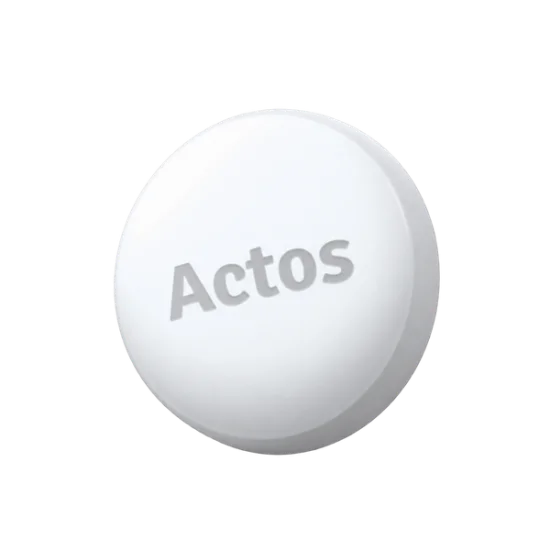
Your order will be securely packed and shipped within 24 hours. This is exactly what your package will look like (images of an actual item sent). It has the size and look of a regular private letter (24x11x0.7 cm) and its contents cannot be seen.

Comparison

How the medicines for Diabetes compare

How Buyers Rate Actos

Based on 3 reviews

Simon, 38 Verified
Rating: 3 out of 5

After several weeks, my readings became steadier. I had to pay more attention to my weight because my ankles looked puffy by the evening, so I arranged a review rather than ignoring it.

Auckland Several weeks 1 Nov 2026
Steven, 57 Verified
Rating: 3 out of 5

The medicine fitted my routine and I did not have trouble swallowing the tablet. My main complaint was gradual weight gain, which made me question the treatment until my prescriber reviewed the full combination.

Gisborne Several months 6 Oct 2026
Liam, 45 Verified
Rating: 3.5 out of 5

I missed a dose and nearly doubled the next one. The treatment team told me not to do that. My glucose control improved over time, but I needed closer monitoring after another medicine was added.

Masterton Several weeks 20 Oct 2026

Sources

  1. U.S. Food and Drug Administration (2023). ACTOS (pioglitazone hydrochloride) tablets, prescribing information.
  2. U.S. Food and Drug Administration (2023). Actos medication guide and safety information.
  3. National Institute for Health and Care Excellence (2022). Type 2 diabetes in adults: management, NICE guideline NG28.
Get our free app Shop faster and track your orders Install