Skip to content
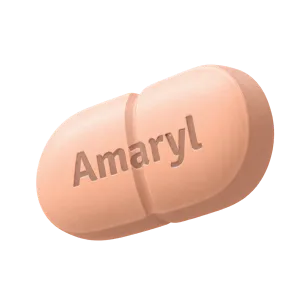
In stock Amaryl
Diabetes

Amaryl

Amaryl contains glimepiride, a sulfonylurea that helps the pancreas release insulin. It is prescribed for adults with type 2 diabetes alongside diet and physical activity to improve blood-glucose…

Guaranteed quality Original product
Delivery: from 4 days Discreet shipping
24/7 Support Always available
Active ingredient: Glimepiride
Select dosage:
Select pack Package Per unit Price
$ 5.24 $ 157.08
$ 4.08 $ 314.16 $ 244.97 Save 22%
$ 3.70 $ 471.24 $ 332.86 Save 29%
Free Regular Delivery $ 3.51 $ 628.32 $ 420.75 Save 33%
Free Express Delivery $ 3.32 $ 942.48 $ 598.40 Save 37%
Free Express Delivery $ 3.18 $ 1,413.72 $ 858.33 Save 39%
Best value Free Express Delivery $ 3.14 $ 1,884.96 $ 1,131.35 Save 40%
$ 5.86 $ 175.78
$ 4.64 $ 351.56 $ 278.63 Save 21%
Free Regular Delivery $ 4.20 $ 527.34 $ 377.74 Save 28%
Free Regular Delivery $ 3.97 $ 703.12 $ 476.85 Save 32%
Free Express Delivery $ 3.77 $ 1,054.68 $ 678.81 Save 36%
Free Express Delivery $ 3.66 $ 1,582.02 $ 989.23 Save 37%
Best value Free Express Delivery $ 3.58 $ 2,109.36 $ 1,290.30 Save 39%
$ 5.80 $ 173.91
$ 4.58 $ 347.82 $ 274.89 Save 21%
Free Regular Delivery $ 4.18 $ 521.73 $ 375.87 Save 28%
Free Regular Delivery $ 3.99 $ 695.64 $ 478.72 Save 31%
Free Express Delivery $ 3.78 $ 1,043.46 $ 680.68 Save 35%
Free Express Delivery $ 3.65 $ 1,565.19 $ 985.49 Save 37%
Best value Free Express Delivery $ 3.59 $ 2,086.92 $ 1,294.04 Save 38%
$ 5.80 $ 173.91
$ 3.18 $ 347.82 $ 190.74 Save 45%
$ 2.43 $ 521.73 $ 218.79 Save 58%
$ 2.04 $ 695.64 $ 244.97 Save 65%
$ 1.83 $ 1,043.46 $ 329.12 Save 68%
Best value Free Express Delivery $ 1.63 $ 2,086.92 $ 585.31 Save 72%

Free delivery on orders from $ 374.00, free express delivery from $ 561.00

Secure payment methods:
VISA AMEX JCB DISCOVER

Amaryl contains glimepiride, a sulfonylurea that helps the pancreas release insulin. It is prescribed for adults with type 2 diabetes alongside diet and physical activity to improve blood-glucose control.

Product information

Amaryl is an oral tablet containing glimepiride, a second-generation sulfonylurea used in type 2 diabetes mellitus. Glimepiride works through pancreatic beta cells, which are the cells responsible for producing insulin. It increases insulin release when blood glucose needs to be lowered, helping glucose move from the bloodstream into body tissues. This treatment is used with dietary measures and physical activity rather than as a replacement for them. [1]

Active Ingredient and Drug Classification

Glimepiride belongs to the sulfonylurea class. These medicines stimulate insulin secretion by acting on potassium channels in pancreatic beta cells. The resulting change in the cell membrane promotes calcium entry and insulin release.

Therapeutic Indication for Glycaemic Control

Amaryl may be prescribed when diet, activity, and other diabetes measures do not provide sufficient glycaemic control.

Directions for use

Dosing differs between strengths and between users, so there is no single amount that suits everyone. A prescriber adjusts glimepiride according to blood-glucose results, HbA1c, kidney and liver function, age, meal pattern, and other diabetes medicines.

Amaryl tablets are taken orally. The prescribed daily dose is generally taken with the first substantial meal of the day, unless the treating clinician has given a different schedule. The tablet should be swallowed with water rather than used to replace a meal.

Practical Dosing Principles

  • Take the prescribed dose with food at the scheduled time.
  • Do not take an extra tablet to compensate for a missed dose.
  • If a dose is forgotten, follow the individual instructions provided by the prescriber rather than doubling the next dose.
  • Keep meal timing reasonably consistent.
  • Report repeated low-glucose readings, morning sweating, night-time disturbance, or unexplained confusion.
  • Dose changes should follow blood-glucose results and clinical review, not a single isolated reading.

The treatment course may continue for months or years when it remains suitable and provides acceptable glucose control. Long-term treatment requires periodic assessment because diabetes, kidney function, diet, activity, and other medicines can change.

The strongest practical warning concerns dose escalation. A person may see a high glucose reading after a large meal and assume that an additional tablet will correct it safely. With glimepiride, unsupervised extra dosing can produce delayed hypoglycaemia later in the day or during sleep.

Keep a quick source of glucose available for recognised low-blood-sugar symptoms, such as shakiness, sweating, sudden hunger, or unusual weakness. Do not drive while confused, faint, or unable to concentrate.

Ingredients

Amaryl is an oral tablet containing glimepiride, a second-generation sulfonylurea. Glimepiride acts on pancreatic beta cells to increase insulin release when blood glucose needs to be lowered.

How it affects the body

Glimepiride works through pancreatic beta cells, which are the cells responsible for producing insulin. It increases insulin release when blood glucose needs to be lowered, helping glucose move from the bloodstream into body tissues. [1]

These medicines stimulate insulin secretion by acting on potassium channels in pancreatic beta cells. The resulting change in the cell membrane promotes calcium entry and insulin release.

Therapeutic indications

Amaryl is intended for type 2 diabetes. It is not an insulin replacement for type 1 diabetes, and it does not treat diabetic ketoacidosis.

Amaryl may be prescribed when diet, activity, and other diabetes measures do not provide sufficient glycaemic control. The target is not a rapid fall in glucose after one tablet. The treatment works as part of a continuing plan that includes regular meals, monitoring, and follow-up of diabetes markers such as HbA1c.

A missed meal matters with glimepiride. Do not take a glucose-lowering tablet and then deliberately skip food, because the insulin-stimulating effect can continue while glucose intake falls.

A practical detail is often missed: appetite changes, stomach illness, or a sudden increase in exercise can alter the risk of low blood sugar even when the prescribed dose has not changed.

Common mistakes

Several avoidable habits can reduce glucose control or increase adverse effects:

  • Taking the tablet and then skipping breakfast or the first main meal.
  • Doubling the next dose after forgetting one.
  • Increasing the dose because of one high glucose reading.
  • Ignoring recurring night sweats or morning headaches.
  • Drinking alcohol without eating.
  • Exercising much more than usual without discussing glucose monitoring.
  • Failing to mention a new steroid, diuretic, antibiotic, or pain medicine.
  • Stopping treatment abruptly without a replacement diabetes plan.
  • Driving after symptoms of low blood sugar have started.
  • Assuming dizziness is harmless without checking for hypoglycaemia.

One easily overlooked issue is illness. Vomiting, diarrhoea, and poor food intake can make the usual treatment pattern unsafe. A sick-day plan should be agreed with the diabetes team before illness occurs, especially when several glucose-lowering medicines are used together.

Reasons not to use it

This Treatment Is Not Suitable If

  • You have type 1 diabetes.
  • You have diabetic ketoacidosis or another acute diabetic emergency.
  • You have had a severe allergic reaction to glimepiride or a related sulfonylurea.
  • You cannot eat reliably because of severe illness, repeated vomiting, or a prolonged fasting period.
  • You have severe kidney or liver impairment requiring a different diabetes strategy.
  • You have recurrent severe hypoglycaemia that has not been evaluated.
  • You are pregnant or planning pregnancy and the treatment plan has not been reviewed.

When this is not for you

Kidney and liver impairment can prolong or intensify glucose-lowering effects. Older adults may also be more vulnerable to prolonged hypoglycaemia, falls, and confusion. These factors can require a lower starting approach or a different medicine.

Unwanted effects

Hypoglycaemia is the key adverse effect associated with glimepiride and other sulfonylureas. Early symptoms can include sweating, tremor, hunger, palpitations, dizziness, irritability, headache, blurred vision, and difficulty concentrating. More severe episodes may cause seizures, loss of consciousness, or a need for urgent medical treatment. [2]

Other reported reactions include nausea, asthenia, abdominal discomfort, and headache. Dizziness may result from low glucose rather than a direct neurological effect, so checking glucose during symptoms can help distinguish the cause.

Low Blood Sugar

A mild episode may improve after rapid-acting carbohydrate, provided the person is awake and able to swallow. Examples include glucose tablets or a measured sugary drink. A meal or snack containing longer-acting carbohydrate may be needed afterwards, especially if the next meal is not soon.

Severe hypoglycaemia is an emergency. A person who is unconscious, having a seizure, or unable to swallow should not be given food or drink by mouth.

Some people notice a pattern only after several days. Night-time sweating, vivid dreams, waking with a headache, or unusual morning tiredness can signal overnight glucose reduction.

Other Tolerability Concerns

Allergic reactions are uncommon but may involve rash, itching, swelling, breathing difficulty, or extensive skin changes. Liver problems and blood-count abnormalities are rare but require medical assessment when jaundice, dark urine, persistent fever, sore throat, unusual bruising, or marked fatigue develops.

Vision can change temporarily when glucose control changes quickly. A person who notices new blurred vision should avoid assuming that the tablet itself is the only cause.

Alcohol can make glucose control less predictable and may hide early hypoglycaemia symptoms. Drinking without food is a higher-risk pattern for someone taking an insulin-releasing medicine.

Comparison

Amaryl belongs to the insulin-secretagogue group. Other approaches to type 2 diabetes use different mechanisms, such as improving insulin sensitivity, reducing glucose production by the liver, slowing carbohydrate absorption, increasing urinary glucose excretion, or enhancing glucose-dependent insulin release.

Treatment approach Main pharmacological action Main trade-off
Glimepiride and other sulfonylureas Stimulate pancreatic insulin release Hypoglycaemia and possible weight gain
Insulin-sensitising therapy Improves the way tissues respond to insulin Gastrointestinal effects or other class-specific restrictions
Glucose-dependent incretin therapy Increases insulin release when glucose is elevated Gastrointestinal effects and treatment-specific cautions

A medicine with the same active ingredient may be considered when a prescriber wants equivalent glimepiride therapy, but substitution should account for strength, formulation, supply, and the patient’s glucose response. Changing between pharmacological classes is a different decision because the mechanism, adverse effects, and dose adjustment process also change.

The closest alternatives are not automatically interchangeable. Glimepiride depends on functioning pancreatic beta cells, while insulin treatment supplies insulin directly. That distinction becomes clinically significant when endogenous insulin production is very limited.

What doctors say

In clinical practice, doctors usually focus first on the pattern of glucose readings rather than a single high or low value. The timing of meals, exercise, alcohol, kidney function, and other medicines often explains unexpected results.

A clinician may ask whether symptoms occur before meals, overnight, after exercise, or after a dose change. That information can be more useful than simply reporting that the medicine “did not work.”

The main advantage of glimepiride is its direct insulin-releasing action and established role in type 2 diabetes. The main limitation is that insulin release can occur when food intake is reduced, so hypoglycaemia remains a central treatment concern. The medicine is not a suitable choice for type 1 diabetes or diabetic ketoacidosis.

HbA1c is usually interpreted over several weeks rather than after one dose. If expected improvement does not appear, the clinician may assess adherence, meal timing, illness, steroid use, injection or tablet technique for other treatments, and whether the current mechanism still fits the person’s diabetes.

What customers often ask

Can Amaryl be combined with pain medicines or supplements?

Some pain medicines, including salicylates, can alter the glucose-lowering effect of glimepiride, while alcohol can make hypoglycaemia harder to predict. The WHO diabetes guidance reviewed in 2025 supports checking all prescription medicines, over-the-counter products, and supplements when glucose control changes. Do not assume that an herbal product is neutral simply because it is sold without a prescription. A new medicine should prompt closer glucose observation until its effect is clear.

Can people drive, concentrate, or work with machinery while taking Amaryl?

Glimepiride does not automatically prevent driving or machinery work, but hypoglycaemia can impair reaction time, judgement, vision, and concentration. Medsafe product information for glimepiride (2025) identifies low blood sugar as the practical hazard, especially during treatment changes or missed meals. Do not drive or operate machinery during shaking, sweating, confusion, blurred vision, dizziness, or unusual weakness. Treat suspected low glucose promptly and resume safety-sensitive work only when fully recovered.

How does Amaryl differ from medicines that supply insulin directly?

Amaryl stimulates the person’s pancreatic beta cells to release insulin, while insulin treatment provides insulin from an external source. The EMA describes glimepiride as a sulfonylurea with an insulin-secretagogue mechanism in regulatory information published in 2018. This difference means Amaryl requires functioning insulin-producing cells and is used for type 2 diabetes, not type 1 diabetes. Insulin may be required when the pancreas cannot produce enough insulin or during specific acute conditions.

What should happen if the expected glucose improvement does not come?

Do not respond by taking extra tablets without a prescribed adjustment. The ADA Standards of Care 2025 support assessing adherence, meal pattern, activity, HbA1c, illness, kidney function, and interacting medicines when treatment goals are not reached. Repeated high readings, excessive thirst, frequent urination, vomiting, abdominal pain, or marked drowsiness require prompt medical assessment. A clinician may adjust the dose, add another mechanism, or change the treatment plan.

Can Amaryl cause dizziness or low blood sugar?

Yes. Dizziness can occur when glimepiride lowers blood glucose too far, and hypoglycaemia is the recognised class-related risk. Medsafe information available in 2026 describes symptoms such as sweating, tremor, hunger, headache, confusion, and weakness as warning signs that need prompt action. Check glucose when possible, use rapid-acting carbohydrate if awake and able to swallow, and seek emergency help for unconsciousness, seizures, or inability to swallow.

How long can an Amaryl course last, and is long-term use acceptable?

There is no fixed universal course length for type 2 diabetes treatment. The WHO diabetes guidance from 2025 supports continuing a medicine when it provides suitable glucose control and its risks remain acceptable. Long-term use requires periodic review of HbA1c, hypoglycaemia, kidney and liver function, weight, meal patterns, and interacting medicines. Treatment may be adjusted or replaced when diabetes changes, side effects recur, or another mechanism becomes more suitable.

Do you offer anonymous delivery?

Your order will be securely packed and shipped within 24 hours. This is exactly what your package will look like (images of an actual item sent). It has the size and look of a regular private letter (24x11x0.7 cm) and its contents cannot be seen.

Comparison

How the medicines for Diabetes compare

How Buyers Rate Amaryl

Based on 5 reviews

Luke, 42 Verified
Rating: 5 out of 5

My readings became steadier after the first few weeks. I had mild nausea at the beginning, but it settled when I took the tablet with breakfast. I still needed to keep meals regular.

Queenstown Three months 6 Oct 2026
Daniel K., 31 Verified
Rating: 3 out of 5

I noticed fewer high readings after about a month. The frustrating part was feeling shaky after a late gym session, so I learned not to exercise hard after skipping food.

Timaru Several weeks 16 Oct 2026
Christopher, 68 Verified
Rating: 3 out of 5

The glucose numbers improved, although I had two episodes of sweating and weakness overnight. My treatment was reviewed, and I became more careful about evening meals.

Te Awamutu Several months 21 Oct 2026
Gary V., 43 Verified
Rating: 3 out of 5

It helped at first, but my control became less predictable during a course of steroid tablets. I needed extra monitoring until the steroid treatment finished.

Lower Hutt Several months 28 Oct 2026
Steven, 43 Verified
Rating: 3.5 out of 5

Taking it with my first proper meal was easy to remember. I did not notice major side effects, although I was disappointed that the tablet alone did not replace changes to food and activity.

Auckland Several months 4 Nov 2026

Sources

  1. European Medicines Agency (2018). Summary of Product Characteristics for glimepiride-containing medicinal products.
  2. Medsafe (2025). New Zealand medicines information for glimepiride.
Get our free app Shop faster and track your orders Install