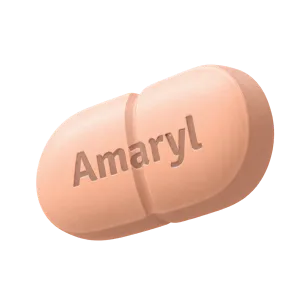
I started Glucophage with my evening meal. The first week brought loose stools, but the problem eased after my prescriber adjusted the schedule. My morning readings became steadier over the next month.
Queenstown 1 week 5 Nov 2026Glucophage
Glucophage tablets are used by adults with type 2 diabetes as part of blood sugar control. Its metformin hydrochloride lowers glucose production by the liver and helps the body respond to insulin. It…
Glucophage tablets are used by adults with type 2 diabetes as part of blood sugar control. Its metformin hydrochloride lowers glucose production by the liver and helps the body respond to insulin. It is commonly used alongside diet, physical activity, and other diabetes treatments when required.
Product information
Directions for use
Glucophage tablets are taken by mouth with meals for blood sugar control in adults with type 2 diabetes.
Consistent daily use can improve fasting glucose and post-meal glucose over time. It does not replace meals, exercise, blood glucose monitoring, or follow-up testing such as HbA1c. A missed dose should not be compensated for by taking extra tablets later.
Ingredients
Glucophage contains metformin hydrochloride, an oral biguanide used in the management of type 2 diabetes.
How it affects the body
Metformin hydrochloride reduces glucose production by the liver and improves the body’s response to insulin. This lowers excess glucose release and supports glucose uptake by tissues, helping improve blood glucose control in adults with type 2 diabetes.
Therapeutic indications
Glucophage is commonly used as an initial medicine for adults with type 2 diabetes when lifestyle measures alone do not maintain the desired blood glucose range. The World Health Organization and NICE recognise metformin as a core treatment option for type 2 diabetes, with treatment choices adjusted to the person’s kidney function, cardiovascular risk, weight, and other clinical factors [1].
- Metformin alone: used when it provides adequate blood glucose control and is tolerated.
- Combination treatment: another glucose-lowering medicine may be added when metformin alone does not meet the agreed HbA1c target.
- Insulin-containing treatment: considered when blood glucose remains high despite oral treatment, when insulin production is inadequate, or when clinical circumstances require faster or stronger glucose lowering.
Diet and physical activity remain central. A medication plan works best when meals, movement, sleep, and glucose monitoring are treated as part of the same routine.
Common mistakes
- taking tablets before food because the timing seems more convenient;
- doubling the next dose after a missed tablet;
- stopping treatment after a few days of nausea without arranging a review;
- assuming that metformin alone protects against high glucose after large meals;
- continuing normal dosing during severe vomiting or diarrhoea without considering dehydration;
- forgetting to mention non-diabetes medicines such as cimetidine, topiramate, or a beta-blocker;
- failing to report numbness, fatigue, or balance changes that could indicate vitamin B12 deficiency;
- treating every episode of dizziness as hypoglycaemia without checking glucose when possible;
- overlooking alcohol intake during periods of poor food intake or illness.
Reasons not to use it
- there is severe kidney impairment or a rapidly worsening kidney function;
- there is current or previous lactic acidosis;
- severe dehydration is present from vomiting, diarrhoea, fever, or inadequate fluid intake;
- severe infection, shock, or a condition causing inadequate tissue oxygen is present;
- severe liver impairment or heavy acute alcohol exposure creates a high lactic-acidosis risk;
- there is a known allergy to metformin or an excipient in the prescribed product.
Kidney function should be assessed before treatment and reviewed during ongoing therapy. The dose may need adjustment when renal function declines. The EMA has emphasised kidney-function assessment as a central part of safe metformin use .
When this is not for you
NOT for you if: Glucophage may be unsuitable when severe kidney impairment, current or previous lactic acidosis, severe dehydration, or inadequate tissue oxygen is present. The main issue is whether the kidneys can remove metformin adequately and whether the body is at risk of excess lactic acid.
Pregnancy planning, pregnancy, breastfeeding, major surgery, acute illness, and contrast imaging should be discussed as specific treatment situations. These circumstances do not all mean that metformin must stop, but they can require a planned review.
Unwanted effects
Digestive side effects are the most familiar problem with metformin. They are more common when treatment begins, when the dose is increased quickly, or when tablets are taken without food. The Medsafe product information describes gastrointestinal symptoms and rare lactic acidosis among the clinically relevant adverse effects .
Common Tolerability Effects
Possible effects include:
- nausea or an unsettled stomach;
- diarrhoea or softer stools;
- abdominal discomfort, bloating, or reduced appetite;
- a metallic taste in the mouth;
- headache, especially during the adjustment period.
These effects may settle as the body adapts. Taking tablets during or immediately after meals can help. Persistent diarrhoea deserves attention because fluid loss can affect kidney function.
Vitamin B12 and Long-Term Treatment
Long-term metformin use can reduce vitamin B12 absorption in some people. The risk is more relevant when treatment continues for several years, the dose is higher, or other factors already make B12 deficiency more likely.
Possible signs include persistent tiredness, a sore or smooth tongue, pale skin, numbness, pins and needles, balance problems, or changes in concentration. A clinician may arrange a blood test if symptoms develop or if the person has additional risk factors. Vitamin B12 deficiency can be treated without automatically stopping metformin.
Lactic Acidosis
Lactic acidosis is rare but serious. The risk rises when metformin accumulates because of severe kidney impairment, tissue oxygen shortage, serious infection, dehydration, heavy alcohol intake, or certain acute illnesses.
Urgent symptoms can include marked weakness, repeated vomiting, abdominal pain, deep or rapid breathing, unusual sleepiness, feeling cold, dizziness, or a slow heartbeat. These symptoms need emergency assessment rather than routine self-management.
One practical detail is easy to miss: severe vomiting or diarrhoea can change the safety of a previously stable dose. The problem is not simply stomach upset; fluid loss may reduce kidney clearance of metformin.

Comparison
Metformin is distinguished by its effect on liver glucose production and insulin sensitivity. Other categories act through different pathways.
| Approach | Main action | Main limitation |
|---|---|---|
| Metformin | Reduces hepatic glucose output and improves insulin sensitivity | Gastrointestinal effects and kidney-related restrictions |
| Sulfonylurea treatment | Stimulates pancreatic insulin release | Hypoglycaemia and weight gain can occur |
| Insulin treatment | Replaces or supplements insulin directly | Requires careful dosing; hypoglycaemia is a major risk |
A person with substantial insulin deficiency may need insulin rather than relying on metformin alone. Someone with preserved insulin production may use metformin as the foundation of treatment, either alone or alongside another category.
The best choice depends on HbA1c, kidney function, cardiovascular and kidney disease, weight goals, hypoglycaemia risk, other medicines, and treatment preferences.
What doctors say
In clinical practice, doctors often treat metformin as a long-term foundation rather than a quick rescue medicine. Its value is judged through trends in fasting glucose, post-meal readings when relevant, HbA1c, kidney function, weight, and tolerability.
A common prescribing mistake is increasing the dose too quickly after a single high reading. Digestive intolerance can then lead the person to stop treatment completely. Gradual adjustment, meal-time dosing, and a review of the formulation may produce a better result.
Another practical point concerns illness. A person who normally tolerates Glucophage may need a temporary sick-day plan during dehydration, severe infection, or prolonged inability to eat. The plan should be agreed before illness occurs, especially when insulin or other glucose-lowering medicines are also used.
The New Zealand diabetes context includes Medsafe safety information, while WHO’s 2020 guidance supports individualised selection of glucose-lowering therapy rather than a single identical plan for every adult .
What customers often ask
What should happen if the expected blood sugar improvement does not come?
Metformin may need several weeks of consistent use before its effect is judged through readings and HbA1c rather than a single result. Persistent high glucose can reflect missed doses, illness, meal patterns, reduced kidney function, or insufficient treatment intensity. The American Diabetes Association’s 2025 guidance recommends reviewing the wider treatment plan when glycaemic targets are not reached, rather than simply taking extra tablets . A prescriber may adjust treatment or add another glucose-lowering approach. The review should also consider adherence and tolerability.
How should Glucophage be stored at home and while travelling?
Keep the tablets in a dry place at ordinary room temperature, away from excessive heat and moisture. During travel, carry them in their labelled medicine container rather than loose in a pill organiser, especially when crossing borders or passing through security checks. Do not leave them in a hot vehicle or in direct sunlight. Medsafe’s 2023 storage advice for medicines supports protecting tablets from heat, moisture, and access by children [2].
What should be checked before starting Glucophage?
Kidney function is the key baseline safety check because metformin is removed mainly through the kidneys. The prescribing clinician should also review liver disease, heavy alcohol use, previous lactic acidosis, dehydration risk, pregnancy, planned surgery, contrast imaging, and every current medicine. Cimetidine, dolutegravir, ranolazine, and carbonic anhydrase inhibitors deserve specific attention. The EMA’s 2016 guidance identifies renal assessment and risk-factor review as central to safe metformin prescribing .
Should Glucophage be taken with food or on an empty stomach?
Glucophage is generally taken with meals to reduce nausea, abdominal discomfort, and diarrhoea. Taking it on an empty stomach can make digestive symptoms more troublesome, especially during treatment initiation. The exact schedule depends on the prescribed formulation and the agreed regimen. Medsafe’s 2024 product information supports administration with food for better gastrointestinal tolerability .
Which condition rules out Glucophage?
Severe kidney impairment is a clear reason that metformin may be unsuitable. Acute dehydration, severe infection with poor circulation, tissue oxygen shortage, and previous lactic acidosis also require treatment exclusion or urgent review. The decision depends on clinical assessment rather than one symptom alone. The EMA’s 2016 metformin safety guidance places kidney function and lactic-acidosis risk at the centre of this decision .
How does Glucophage differ from the closest alternative by mechanism?
Glucophage contains metformin, which mainly reduces liver glucose production and improves insulin sensitivity. A sulfonylurea works by stimulating pancreatic insulin release, so it has a different mechanism and a greater tendency to cause hypoglycaemia. Insulin treatment supplies insulin directly and may be required when the pancreas cannot produce enough. WHO guidance supports choosing among these approaches according to the person’s clinical needs and risk profile .
Do you offer anonymous delivery?
Your order will be securely packed and shipped within 24 hours. This is exactly what your package will look like (images of an actual item sent). It has the size and look of a regular private letter (24x11x0.7 cm) and its contents cannot be seen.
Comparison
How Buyers Rate Glucophage
Based on 4 reviews
I had nausea and a metallic taste during the first few days. Eating before the tablet helped. I still needed changes to meals and activity, so the tablets were only one part of the plan.
Taupō A few days 10 Oct 2026After several months I felt more tired and noticed tingling in my feet. Blood tests found low vitamin B12, and treatment was arranged. My glucose control had improved, but the new symptoms needed separate attention.
Wellington Several months 17 Oct 2026Glucophage alone did not bring my HbA1c to the agreed range. Another treatment was added, and I had to learn the warning signs of low blood sugar. The combination helped, but it required more monitoring than I expected.
Timaru Several months 26 Oct 2026Sources
- World Health Organization (2020). WHO Guidelines on Medicines for Diabetes Treatment.
- Medsafe (2023). Medicines Safety Information for Consumers.