My morning readings improved gradually, and I liked not having another injection. I urinated more during the first fortnight, but that settled enough to manage.
Rotorua About three months 1 Nov 2026Empagliflozin
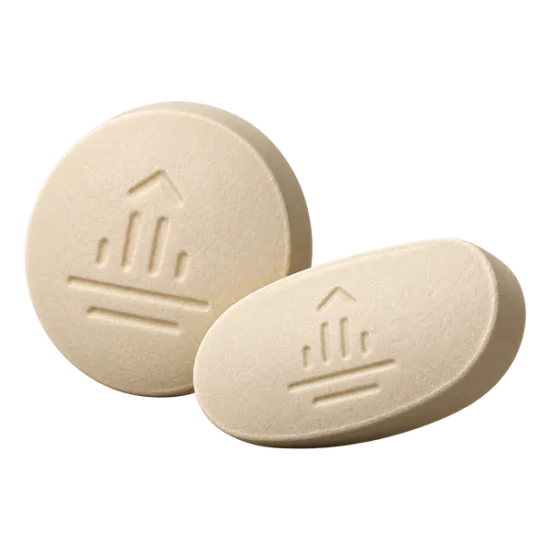
Empagliflozin tablets are taken orally once daily, with or without food, to help manage type 2 diabetes in adults. They lower blood glucose by reducing kidney reabsorption of filtered glucose and…
Empagliflozin tablets are taken orally once daily, with or without food, to help manage type 2 diabetes in adults. They lower blood glucose by reducing kidney reabsorption of filtered glucose and increasing its removal in urine.
Product information
Empagliflozin belongs to the sodium-glucose cotransporter 2, or SGLT2, inhibitor class. It is used alongside diet, physical activity, and other diabetes treatments when clinically appropriate.
Directions for use
Empagliflozin is taken by mouth once daily. It may be taken with food or on an empty stomach. Take it consistently.
- Use the prescribed strength once each day.
- Swallow the tablet with water.
- Maintain ordinary fluid intake unless a clinician has given a fluid restriction.
- Do not double the next dose after forgetting one.
- If the next scheduled dose is close, skip the missed dose and resume the usual schedule.
- Do not restart with extra tablets.
- Treatment may need temporary interruption during major surgery, prolonged fasting, severe illness, or substantial dehydration.
The tablet should be swallowed whole unless a prescriber or pharmacist has confirmed that a particular product can be altered. Modified-release formulations require special handling, although standard empagliflozin tablets are generally taken as intact oral tablets.
Empagliflozin can increase urine output. Taking it very late at night may be inconvenient for some people because nighttime urination can become more noticeable. Morning administration is often practical, provided it matches the prescribed schedule.
A person who uses insulin should not stop insulin simply because urine glucose rises after starting an SGLT2 inhibitor. Urine glucose is expected with this class and does not reliably show whether the whole treatment plan is working.
Ingredients
Empagliflozin is supplied as oral tablets. The dose is decided individually, taking age, other medicines, and health conditions into account.
How it affects the body
Empagliflozin inhibits the sodium-glucose cotransporter 2 (SGLT2) in the kidneys. This reduces reabsorption of filtered glucose and increases its removal in urine, helping lower blood glucose.
Therapeutic indications
Empagliflozin tablets are taken orally once daily, with or without food, to help manage type 2 diabetes in adults.
It is used alongside diet, physical activity, and other diabetes treatments when clinically appropriate.
Common mistakes
Several practical errors can reduce benefit or increase risk:
- Taking an extra tablet after a high glucose reading
- Stopping insulin without medical direction
- Continuing the medicine through repeated vomiting or severe diarrhoea
- Ignoring genital itching because it seems minor
- Following a strict ketogenic diet while using an SGLT2 inhibitor
- Forgetting to mention empagliflozin before surgery or prolonged fasting
- Treating increased urine glucose as evidence that the medicine has failed
- Using the medicine during severe dehydration
- Assuming normal blood glucose excludes ketoacidosis
- Combining it with strong diuretic treatment without monitoring blood pressure and kidney function
One detail patients often miss is that dehydration can develop without dramatic thirst, especially in older adults. Light-headedness when standing, unusual fatigue, or a noticeably dry mouth can appear first.
Another common mistake is waiting for a very high glucose value before reporting illness. Vomiting, abdominal pain, rapid breathing, or profound weakness can be more relevant than the glucose number itself.
Reasons not to use it
Empagliflozin should not be used in situations such as:
- A known allergy to empagliflozin or an excipient in the tablet
- Current diabetic ketoacidosis
- Severe dehydration or unstable volume depletion
- Severe acute illness with vomiting, diarrhoea, or inability to maintain fluids
- Type 1 diabetes unless managed within a specialist protocol specifically designed for that situation
- Severe kidney impairment where glucose-lowering benefit is inadequate or the regulatory product information excludes use
- Recurrent serious genital or urinary infections requiring specialist review
Insulin and sulfonylureas can increase hypoglycaemia risk. Diuretics may add to fluid loss and can increase dizziness or low blood pressure. Lithium concentrations may also be affected by changes in kidney function and fluid balance. [3]
When this is not for you
Empagliflozin should not be used if you have a known allergy to empagliflozin or an excipient in the tablet, current diabetic ketoacidosis, severe dehydration, or a severe acute illness that prevents you from maintaining fluids. It may not be suitable for people with type 1 diabetes, severe kidney impairment, or recurrent serious genital or urinary infections.
People taking loop diuretics, thiazide diuretics, blood-pressure medicines, insulin, or sulfonylureas may require closer monitoring. Alcohol excess, prolonged fasting, ketogenic diets, and acute infection can increase metabolic stress and may contribute to ketoacidosis risk.
Pregnancy requires a separate treatment decision because glucose control remains important while SGLT2 inhibitor exposure may not be appropriate. Breastfeeding also requires medical review before use.
Unwanted effects
Clinical studies and regulatory information identify genital fungal infections, urinary tract infections, increased urination, thirst, and volume depletion among recognised adverse effects. The risk of low blood glucose is higher when empagliflozin is combined with insulin or an insulin-releasing medicine than when it is used alone. [1]
Common reactions
Possible reactions include:
- Genital thrush or balanitis
- Urinary tract infection symptoms
- Increased urination
- Thirst
- Dizziness from reduced circulating fluid
- Constipation
- Mild changes in blood lipid measurements
- Temporary changes in kidney filtration after treatment begins
Genital itching, soreness, redness, unusual discharge, or discomfort when urinating should not be ignored. Early treatment is usually simpler than waiting for symptoms to become severe.
A burning sensation during urination, urinary urgency, lower abdominal pain, fever, or pain in the back may indicate a urinary infection. Fever with flank pain requires urgent assessment because kidney infection can progress quickly.
Serious reactions
Rare but serious complications include diabetic ketoacidosis, severe dehydration, acute kidney injury, and necrotising infection of the perineal area. Ketoacidosis can occur even when blood glucose is not extremely high, which is why it is described as euglycaemic diabetic ketoacidosis. Warning symptoms include nausea, vomiting, abdominal pain, deep or rapid breathing, marked tiredness, confusion, and a sweet or solvent-like breath odour. [2]
Stop and seek urgent medical care for severe symptoms suggestive of ketoacidosis. Do not rely on a normal-looking glucose reading to exclude it.
Some people experience a small early fall in estimated glomerular filtration rate. This can reflect a haemodynamic change rather than progressive kidney injury, but a significant or persistent decline needs clinical review.

Comparison
Empagliflozin works through the kidney rather than directly increasing insulin secretion. Other glucose-lowering categories act through different pathways, so treatment selection depends on kidney function, cardiovascular risk, body weight, hypoglycaemia risk, and other medicines.
| Treatment approach | Main action | Practical limitation |
|---|---|---|
| Empagliflozin and other SGLT2 inhibitors | Increase urinary glucose excretion and promote sodium loss | Genital infections, dehydration, and rare ketoacidosis can occur |
| Metformin | Reduces hepatic glucose production and improves insulin sensitivity | Gastrointestinal symptoms and reduced use in advanced renal impairment |
| GLP-1 receptor agonists | Enhance glucose-dependent insulin release and reduce appetite | Nausea is common; most are administered by injection |
Empagliflozin may be selected when a clinician wants glucose lowering with a low intrinsic risk of hypoglycaemia and possible heart or kidney benefits. The cardiovascular and renal effects depend on the patient’s condition and cannot be assumed for every person.
What doctors say
In clinical practice, doctors often focus on three points before starting empagliflozin: kidney function, hydration status, and the patient’s wider diabetes regimen. The medicine can offer useful glucose lowering without directly forcing insulin release, yet its urinary mechanism creates specific infection and fluid-balance concerns.
Heart and kidney protection has been observed in selected high-risk populations receiving SGLT2 inhibitors, but the size of benefit varies by diagnosis and baseline risk. The EMPA-REG OUTCOME trial helped establish the cardiovascular importance of empagliflozin in adults with type 2 diabetes and established cardiovascular disease, while later kidney studies examined broader chronic kidney disease groups. [4]
Patients should expect gradual changes rather than an immediate correction of every glucose reading. HbA1c reflects average glucose over roughly two to three months, so treatment assessment uses a longer view than a single home measurement.
What customers often ask
How long does one dose of empagliflozin keep working?
Empagliflozin is designed for once-daily use, with glucose-lowering activity extending across the day through continued SGLT2 inhibition and urinary glucose excretion. The medicine’s elimination half-life is approximately 12 hours, while its pharmacodynamic effect lasts long enough to support daily dosing. The EMA product information reviewed in 2024 describes once-daily administration for its approved uses. A missed dose should not be replaced by taking two tablets together.
What happens when empagliflozin is stopped, and does it need tapering?
Empagliflozin generally does not require gradual dose reduction before stopping, but glucose levels may rise after its glucose-lowering effect wears off. The reason for stopping matters: temporary interruption may be used during surgery, fasting, severe illness, or dehydration, while permanent discontinuation may require another diabetes treatment. WHO diabetes guidance published in 2023 supports reassessing the full glucose-lowering plan when treatment changes. Never compensate for discontinuation with extra doses of another medicine.
Can the empagliflozin tablet be split, crushed, or chewed?
The tablet should normally be swallowed whole with water rather than crushed or chewed. Altering a tablet can create swallowing problems, affect handling, or lead to an inaccurate dose if the tablet is not designed to be divided. Medsafe product information current before 2026 describes empagliflozin as an oral tablet for swallowing. If swallowing is difficult, the treatment plan should be changed through a clinician rather than by altering tablets independently.
How soon does empagliflozin’s effect become noticeable?
Urinary glucose excretion begins after treatment is absorbed, but a person may not feel a clear difference immediately. Home glucose readings can change within days, while HbA1c needs several weeks to show a meaningful treatment trend. NICE guidance updated in 2022 evaluates diabetes treatment through ongoing glucose measures, clinical response, and tolerability rather than symptoms alone. Increased urination may appear sooner than the full glucose-lowering benefit.
Can empagliflozin be used during pregnancy or breastfeeding?
Pregnancy and breastfeeding require a separate clinical decision because the balance between maternal glucose control and infant exposure must be assessed. Empagliflozin is not routinely selected during pregnancy, and breastfeeding treatment should be reviewed before use. The EMA’s 2024 product information advises against routine use during pregnancy and lactation. A person who becomes pregnant while taking it should contact the treating diabetes team promptly rather than stopping essential diabetes treatment without a replacement plan.
Do you offer anonymous delivery?
Your order will be securely packed and shipped within 24 hours. This is exactly what your package will look like (images of an actual item sent). It has the size and look of a regular private letter (24x11x0.7 cm) and its contents cannot be seen.
Comparison
Actos
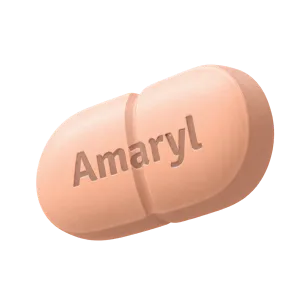
Amaryl
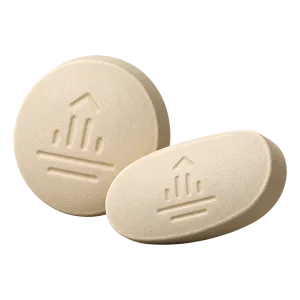
Empagliflozin Current
How Buyers Rate Empagliflozin
Based on 4 reviews
The glucose readings moved in the right direction after several weeks. I developed thrush early on, which was frustrating, but treatment cleared it and I continued with closer attention to fluids.
Blenheim Several weeks 5 Nov 2026I felt dizzy when standing after a spell of hot weather. My clinician reviewed my diuretic and fluids, and the symptoms improved. The tablet was useful, but I learned that it was not something to take casually during dehydration.
Taupō Several weeks 9 Oct 2026I expected an immediate change and was disappointed after the first few days. The longer-term readings were better, although increased urination remained inconvenient when travelling.
Masterton Several weeks 13 Oct 2026Sources
- European Medicines Agency (2024). Product information for empagliflozin.
- Medsafe (2024). Data sheet for empagliflozin.
- National Institute for Health and Care Excellence (2022). Type 2 diabetes in adults: management.
- New England Journal of Medicine (2015). Empagliflozin, cardiovascular outcomes, and mortality in type 2 diabetes.