Skip to content
In stock Zoloft
Antidepressants

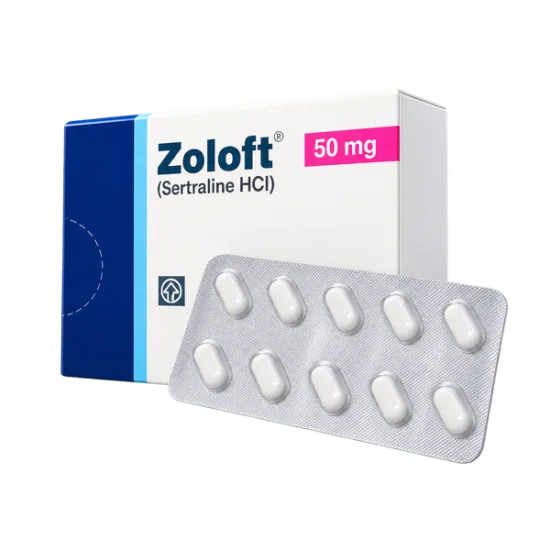
Zoloft

Depression, obsessive-compulsive disorder, panic disorder, and several anxiety-related conditions may require treatment that regulates serotonin signalling. Zoloft helps increase serotonin…

Guaranteed quality Original product
Delivery: from 4 days Discreet shipping
24/7 Support Always available
Active ingredient: Sertraline
Select dosage:
Select pack Package Per unit Price
$ 5.49 $ 164.56
$ 3.68 $ 329.12 $ 220.66 Save 33%
$ 3.05 $ 493.68 $ 274.89 Save 44%
$ 2.82 $ 658.24 $ 338.47 Save 49%
Free Regular Delivery $ 2.50 $ 987.36 $ 450.67 Save 54%
Free Express Delivery $ 2.28 $ 1,481.04 $ 615.23 Save 58%
Best value Free Express Delivery $ 2.20 $ 1,974.72 $ 792.88 Save 60%
$ 2.93 $ 175.78
$ 2.26 $ 263.67 $ 203.83 Save 23%
$ 1.95 $ 351.56 $ 233.75 Save 34%
$ 1.61 $ 527.34 $ 289.85 Save 45%
Free Regular Delivery $ 1.41 $ 791.01 $ 379.61 Save 52%
Best value Free Regular Delivery $ 1.30 $ 1,054.68 $ 467.50 Save 56%
$ 1.10 $ 99.11
$ 0.97 $ 132.15 $ 115.94 Save 12%
$ 0.86 $ 198.22 $ 155.21 Save 22%
$ 0.78 $ 297.33 $ 211.31 Save 29%
Best value $ 0.74 $ 396.44 $ 267.41 Save 33%

Free delivery on orders from $ 374.00, free express delivery from $ 561.00

Secure payment methods:
VISA AMEX JCB DISCOVER

Depression, obsessive-compulsive disorder, panic disorder, and several anxiety-related conditions may require treatment that regulates serotonin signalling. Zoloft helps increase serotonin availability between nerve cells, supporting gradual improvement in mood, anxiety, intrusive thoughts, and panic symptoms.

Product information

Zoloft contains sertraline, a selective serotonin reuptake inhibitor (SSRI) supplied as tablets. The active ingredient is the same pharmacological substance referred to by the generic name sertraline.

Directions for use

Zoloft tablets are taken by mouth. The regimen for the chosen strength should be confirmed with a healthcare professional before starting, with the treatment plan matched to the diagnosed condition and the person’s medical history.

Key administration points include:

  • Take the prescribed tablet once daily at a consistent time.
  • Swallow it with water.
  • Take it with or without food, then keep the routine consistent.
  • Do not double the next dose after a missed tablet.
  • Do not crush or alter the tablet unless the prescriber or dispensing pharmacist has confirmed that this is suitable.
  • Do not stop suddenly after regular use.
  • Allow several weeks for the full therapeutic response to develop.

A missed dose is usually handled by taking it when remembered unless the next scheduled dose is close. In that situation, the missed tablet is skipped rather than doubled. The correct approach can differ when a person takes other psychiatric medicines, so the prescribed plan takes priority.

One practical mistake is judging sertraline after only a few days. Early nausea or sleep disruption can appear before any improvement, while the main benefit may require continued treatment over several weeks. Another is changing the administration time repeatedly, which makes side effects harder to interpret.

Ingredients

Zoloft contains sertraline hydrochloride, the hydrochloride form of the active substance sertraline. The product is supplied as tablets. The regimen for the chosen strength should be confirmed with a healthcare professional before starting. Sertraline belongs to the selective serotonin reuptake inhibitor class, which is widely used in psychiatric medicine for depression and anxiety disorders.

The active ingredient is the same pharmacological substance referred to by the generic name sertraline. The brand formulation and generic sertraline use the same therapeutic principle: increasing serotonin signalling in relevant areas of the central nervous system.

Active Ingredient Sertraline

Sertraline works mainly by inhibiting the serotonin transporter. This reduces the reuptake of serotonin into nerve cells after it has been released. More serotonin remains available in the synaptic space, allowing repeated signalling between neurons.

The response is gradual. Changes in sleep, appetite, anxiety, or physical tension may appear before mood improves. A fuller antidepressant response develops gradually.

Mechanism as a Selective Serotonin Reuptake Inhibitor

Serotonin influences mood, threat perception, impulse control, sleep, appetite, and emotional processing. Sertraline does not act like a sedative that immediately switches off distress. Its effect develops through continued changes in serotonin transmission.

Zoloft has a different mechanism from medicines that directly affect noradrenaline, dopamine, or several receptor systems at once. This can make an SSRI approach suitable when depressive or anxiety symptoms are prominent, though nausea, sleep changes, and sexual side effects remain relevant limitations. The US Food and Drug Administration describes sertraline’s SSRI mechanism and approved psychiatric uses in its prescribing information [1].

Take the tablet at the same time each day when possible. A stable routine makes missed doses less likely and helps distinguish temporary start-up effects from persistent problems.

How it affects the body

Sertraline works mainly by inhibiting the serotonin transporter. This reduces the reuptake of serotonin into nerve cells after it has been released. More serotonin remains available in the synaptic space, allowing repeated signalling between neurons.

Serotonin influences mood, threat perception, impulse control, sleep, appetite, and emotional processing. Sertraline does not act like a sedative that immediately switches off distress. Its effect develops through continued changes in serotonin transmission.

Therapeutic indications

Zoloft is prescribed for several conditions in which persistent anxiety, low mood, panic, intrusive thoughts, or trauma-related symptoms interfere with daily life. The treatment target depends on the diagnosis, symptom pattern, previous treatment, and the person’s response to sertraline.

Recognised clinical uses include:

  • Major depressive disorder: persistent low mood, loss of interest, reduced motivation, sleep disturbance, appetite changes, guilt, and impaired concentration.
  • Obsessive-compulsive disorder: intrusive thoughts and repetitive behaviours that feel difficult to control.
  • Panic disorder: recurrent panic attacks, anticipatory fear, and avoidance of situations associated with panic.
  • Post-traumatic stress disorder: intrusive memories, heightened alertness, avoidance, and emotional distress after trauma.
  • Social anxiety disorder: intense fear of scrutiny, embarrassment, or social performance situations.
  • Premenstrual dysphoric disorder: severe mood and physical symptoms linked to the menstrual cycle.

The same tablet may be used for different diagnoses, but the treatment plan is not interchangeable. A person taking sertraline for OCD may need a different duration or dose adjustment from someone being treated for panic disorder. The clinical emphasis also differs: depression treatment focuses on mood and functioning, while OCD treatment often requires sustained work on intrusive thoughts and compulsive behaviours.

Sertraline may be combined with psychological treatment when appropriate. Cognitive behavioural therapy is frequently used for depression, OCD, panic disorder, PTSD, and social anxiety, with the combination selected according to clinical need. The National Institute for Health and Care Excellence (NICE) places medication and psychological therapy within diagnosis-specific treatment pathways [2]. Treatment goals should be reviewed during follow-up. Combining approaches can help when symptoms affect several areas of daily life.

Common mistakes

Several patterns can reduce treatment benefit or create avoidable problems:

  • Stopping after the first uncomfortable week without discussing the reaction.
  • Taking an extra tablet after a missed dose.
  • Changing the daily timing repeatedly.
  • Using St John’s wort or another antidepressant without reporting it.
  • Assuming sexual side effects will disappear automatically.
  • Drinking heavily while trying to judge whether mood and sleep are improving.
  • Expecting Zoloft to remove panic or intrusive thoughts immediately.
  • Forgetting to mention a history of mania, seizures, bleeding, or bipolar disorder.
  • Restarting a previous dose after a long break without clinical confirmation.

A useful practical record includes the daily dose time, sleep quality, anxiety level, mood, gastrointestinal symptoms, and any unusual agitation. This gives the prescriber specific information instead of a vague impression that the medicine is “not working.”

Reasons not to use it

Zoloft is not suitable for everyone. This treatment is not for you if you are taking a monoamine oxidase inhibitor, have had a serious allergic reaction to sertraline, or have been advised to avoid SSRIs because of a specific medical condition.

Extra caution is needed with:

  • Bipolar disorder or a previous manic episode
  • Epilepsy or a history of seizures
  • Liver disease
  • Bleeding disorders
  • Low blood sodium
  • Narrow-angle glaucoma
  • Previous severe reaction to an antidepressant
  • Medicines that increase bleeding, including warfarin, aspirin, ibuprofen, naproxen, and other antiplatelet or anticoagulant treatments

Combining sertraline with anticoagulants or regular non-steroidal anti-inflammatory drugs can increase bruising or gastrointestinal bleeding risk. Sertraline can also interact with medicines that affect heart rhythm or cause drowsiness.

Pregnancy and breastfeeding require an individual risk assessment. Untreated depression and anxiety also carry risks, so stopping sertraline without a planned alternative is not a neutral decision. The prescriber considers symptom severity, previous relapse, pregnancy stage, breastfeeding, and the newborn’s health.

When this is not for you

Do not use this treatment without medical advice if you take medicines for depression called monoamine oxidase inhibitors or if you have ever had a serious allergic reaction to sertraline. Tell your prescriber if you have bipolar disorder, seizures, liver problems, bleeding problems, low sodium, glaucoma, or a previous severe reaction to an antidepressant. Also mention blood thinners, regular anti-inflammatory painkillers, pregnancy, or breastfeeding before starting.

Unwanted effects

Side effects are most noticeable during the first days or weeks of treatment. Gastrointestinal symptoms often settle as the body adapts, but persistent or severe reactions require prompt clinical review.

Commonly reported effects include:

  • Nausea or stomach discomfort
  • Diarrhoea or looser stools
  • Headache
  • Dizziness
  • Dry mouth
  • Tiredness or sleepiness
  • Difficulty sleeping or vivid dreams
  • Increased sweating
  • Tremor or a feeling of inner restlessness
  • Reduced appetite
  • Delayed orgasm, reduced libido, or erectile dysfunction

Sexual side effects can be easy to overlook during the first appointment because mood symptoms receive most of the attention. Sertraline may affect sexual desire, arousal, orgasm, or erection. These effects can continue after other early side effects have improved, so they deserve direct discussion rather than silent acceptance.

Some people feel more activated or anxious at the beginning. This may include restlessness, agitation, irritability, or difficulty sleeping. Taking the tablet earlier in the day can help when insomnia occurs, while evening dosing may suit someone who becomes sleepy. The timing should remain consistent once a workable routine is established.

If nausea appears, taking the tablet with a light meal may make the first weeks easier. Avoid changing the dose to manage nausea because dose changes can alter both side effects and symptom control.

A headache or mild dizziness may improve without stopping treatment. Severe dizziness, fainting, marked agitation, unusual bruising, black stools, or persistent vomiting needs medical assessment.

Comparison

Treatment approach Main therapeutic focus Key limitation
Sertraline SSRI Depression, anxiety, panic, OCD, PTSD, social anxiety, and PMDD Nausea, sleep changes, and sexual side effects may occur
SNRI therapy Depression and anxiety with additional noradrenaline effects Can increase sweating, blood pressure, pulse, or activation
Psychological therapy Thought patterns, avoidance, compulsions, trauma responses, and coping skills Requires regular participation and may take time to access or complete

Sertraline is often selected when an SSRI is suitable for the symptom profile. An SNRI may be considered when pain, low energy, or inadequate response to an SSRI influences the treatment decision. Psychological therapy addresses learned patterns and avoidance directly, while Zoloft changes neurotransmitter signalling. These approaches can be used separately or together.

What doctors say

In clinical practice, doctors often assess three things before deciding whether sertraline is suitable: the diagnosis, the risk profile, and the person’s previous response to antidepressants. The same symptom, such as poor sleep, may improve with treatment in one person and worsen during the first week in another.

A psychiatrist will usually set expectations that improvement is gradual. Anxiety can feel more unsettled before it becomes calmer, and compulsive thoughts may require sustained treatment rather than a short course. A general practitioner may review sleep, appetite, concentration, suicidal thoughts, agitation, and daily functioning during follow-up.

Doctors also ask about alcohol, recreational drugs, pain medicines, migraine treatment, herbal products, and medicines bought without a prescription. Patients sometimes mention only their regular prescriptions, even though tramadol, St John’s wort, and anti-inflammatory painkillers can change the risk profile.

What customers often ask

Can Zoloft be used during pregnancy or breastfeeding?

Sertraline may be considered during pregnancy or breastfeeding when the expected benefit justifies the potential risks. The EMA’s 2021 safety information reviews SSRI exposure in pregnancy and the postnatal period, including possible newborn adaptation symptoms and the risks of untreated maternal depression. A planned discussion should cover pregnancy stage, previous relapse, current symptoms, breastfeeding intentions, and alternatives; sudden discontinuation can cause withdrawal and relapse.

Is Zoloft suitable for older adults?

Older adults can receive sertraline, but clinicians monitor sodium levels, falls, dizziness, bleeding, sleep changes, and interactions with multiple medicines. Guidance from the WHO in 2019 and geriatric prescribing practice supports starting cautiously when several age-related risk factors are present. Extra review is useful when the person takes diuretics, anticoagulants, sedatives, or medicines that affect heart rhythm.

How soon can the effect of Zoloft become noticeable?

Some people notice early changes in sleep, appetite, physical tension, or panic intensity during the first one or two weeks, while mood and obsessive symptoms often take longer. NICE guidance published in 2022 describes antidepressant response as developing over weeks rather than after a single tablet. A lack of immediate improvement does not prove treatment failure, but marked agitation, suicidal thoughts, or severe insomnia requires prompt clinical attention.

How long does a course of Zoloft last, and is long-term use acceptable?

Treatment duration depends on the diagnosis, relapse history, symptom response, and adverse effects. The Royal College of Psychiatrists’ 2020 guidance states that antidepressants are often continued after recovery to reduce relapse risk, with longer treatment considered when depression or anxiety has returned repeatedly. Long-term use can be appropriate for some people, but the need for continuation should be reviewed periodically rather than stopped abruptly.

Do you offer anonymous delivery?

Your order will be securely packed and shipped within 24 hours. This is exactly what your package will look like (images of an actual item sent). It has the size and look of a regular private letter (24x11x0.7 cm) and its contents cannot be seen.

Comparison

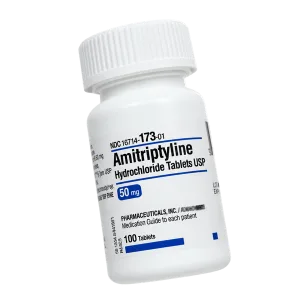
Amitriptyline

Active ingredient: Amitriptyline
50mg
From $ 237.49
pills
3.8 (5)

Anafranil

Active ingredient: Clomipramine
25mg 50mg 75mg 10mg
From $ 162.69
pills
3.5 (4)

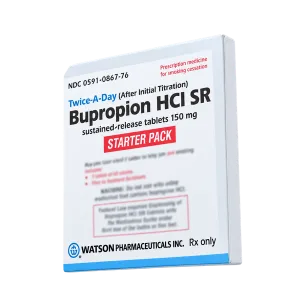
Bupropion

Active ingredient: Bupropion
150mg
From $ 162.69
pills
3.9 (4)

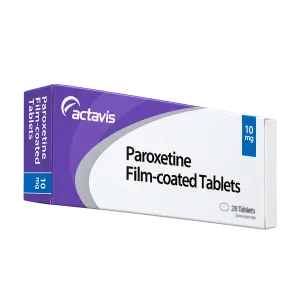
Paroxetine

Active ingredient: Paroxetine
20mg
From $ 192.61
pills
3.9 (5)

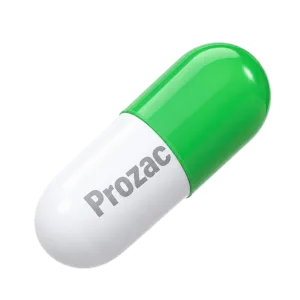
Prozac

Active ingredient: Fluoxetine
10mg 20mg 40mg 60mg
From $ 151.47
capsules
3.7 (5)

How the medicines for Antidepressants compare

How Buyers Rate Zoloft

Based on 3 reviews

Alison, 38 Verified
Rating: 4.5 out of 5

The first week brought nausea and loose stools, which settled after that. My panic symptoms were still present at two weeks, but I was sleeping more normally by the sixth week and could drive to work without the same dread.

Pukekohe Six weeks 20 Nov 2026
Natalie, 57 Verified
Rating: 3.5 out of 5

Zoloft reduced the constant anxious feeling and helped me return to ordinary routines. I noticed reduced libido and some sweating, so the benefit was not uncomplicated. My follow-up appointment helped me decide how to handle those effects.

Queenstown Three months 24 Oct 2026
Kate, 51 Verified
Rating: 2.5 out of 5

I stopped taking it early because I felt restless and could not sleep properly. I had expected an immediate improvement, and the start-up effects made me more anxious. The experience taught me that the first days do not show the final result, but I needed a different plan.

Palmerston North Ten days 5 Nov 2026

Sources

  1. U.S. Food and Drug Administration (2023). ZOLOFT (sertraline hydrochloride) Tablets and Oral Concentrate Prescribing Information.
  2. National Institute for Health and Care Excellence (2022). Depression in adults: treatment and management, NICE guideline NG222.
Get our free app Shop faster and track your orders 3.9 · 471 reviews Install