Skip to content
In stock Bupropion
Antidepressants

Bupropion

Adults with major depressive disorder, seasonal affective disorder, or a planned smoking-cessation programme may be prescribed Bupropion. It is a sustained-release tablet containing bupropion…

Guaranteed quality Original product
Delivery: from 4 days Discreet shipping
24/7 Support Always available
Active ingredient: Bupropion
Select pack Package Per unit Price
$ 5.42 $ 162.69
$ 4.24 $ 325.38 $ 254.32 Save 22%
$ 3.82 $ 488.07 $ 344.08 Save 30%
Free Regular Delivery $ 3.65 $ 650.76 $ 437.58 Save 33%
Free Express Delivery $ 3.44 $ 976.14 $ 618.97 Save 37%
Free Express Delivery $ 3.30 $ 1,464.21 $ 891.99 Save 39%
Best value Free Express Delivery $ 3.24 $ 1,952.28 $ 1,166.88 Save 40%

Free delivery on orders from $ 374.00, free express delivery from $ 561.00

Secure payment methods:
VISA AMEX JCB DISCOVER

Adults with major depressive disorder, seasonal affective disorder, or a planned smoking-cessation programme may be prescribed Bupropion. It is a sustained-release tablet containing bupropion hydrochloride, acting mainly on dopamine and noradrenaline pathways.

Product information

Bupropion is an aminoketone antidepressant supplied as sustained-release tablets. The product sold here is a sustained-release bupropion hydrochloride tablet. It is taken by mouth and releases the active substance gradually rather than all at once.

Directions for use

Bupropion SR tablets are swallowed whole with water. Strengths and individual regimens vary, so there is no single amount that suits everyone.

A typical adult SR regimen may involve:

  • An initial dose once daily.
  • An increase to twice daily when prescribed and tolerated.
  • At least several hours between doses to reduce peak exposure.
  • A maximum daily amount determined by the prescriber and the specific indication.
  • A treatment duration based on response, relapse prevention, or the smoking-cessation plan.

The second dose is usually taken in the afternoon rather than late at night. Sustained-release treatment should not be altered by crushing, chewing, or splitting the tablet.

If a dose is missed, the usual approach is to skip it and take the next scheduled dose. Do not take two doses together. Extra bupropion can raise the risk of seizures, agitation, vomiting, palpitations, and confusion.

Ingredients

Bupropion is a sustained-release tablet containing bupropion hydrochloride as its active substance. The formulation is designed to release the substance gradually after swallowing.

How it affects the body

Bupropion is commonly described as a dopamine and noradrenaline reuptake inhibitor. In technical terms, it reduces the reuptake of dopamine and norepinephrine in the central nervous system, allowing these neurotransmitters to remain available between nerve cells for longer.

Dopamine contributes to motivation, reward processing, attention, and interest. Noradrenaline, also called norepinephrine, contributes to alertness, energy, attention, and the body’s response to stress. Bupropion does not work through primary serotonin reuptake inhibition, which distinguishes it from SSRIs such as fluoxetine or sertraline.

The clinical effect is not an immediate surge in mood. Changes in sleep, energy, appetite, or concentration may appear before improvement in depressed mood. Mood benefits often require several weeks of consistent treatment.

Role of active metabolites

The liver converts bupropion into active metabolites, including hydroxybupropion. These metabolites contribute to the medicine’s pharmacological activity and remain in the body longer than the original compound. Genetic variation, liver function, age, and interacting medicines can alter exposure.

A prescriber may adjust treatment when a person has liver disease, takes medicines that affect CYP2B6 enzymes, or develops marked agitation, insomnia, or other dose-related problems. The product information describes bupropion and its active metabolites as contributors to both therapeutic action and adverse effects [2].

Therapeutic indications

Bupropion may be prescribed for:

  • Major depressive disorder, including depressive symptoms such as low mood, reduced motivation, loss of interest, and low energy.
  • Seasonal affective disorder in formulations specifically authorised for that use.
  • Smoking cessation, where treatment is combined with a planned quit attempt and behavioural support.
  • Selected specialist situations, such as depression with prominent fatigue or reduced concentration, when a prescriber considers the benefit-risk balance suitable.

The US Food and Drug Administration has approved bupropion formulations for major depressive disorder and seasonal affective disorder, while a separate bupropion formulation has been used to support smoking cessation [1].

Common mistakes

Several practical errors can reduce benefit or increase risk:

  • Taking the second SR tablet close to bedtime.
  • Crushing or chewing the tablet.
  • Doubling the next dose after forgetting one.
  • Combining Bupropion with another bupropion product.
  • Starting it without mentioning a seizure history or past eating disorder.
  • Stopping heavy alcohol use abruptly without medical support.
  • Treating a smoking lapse as a reason to take an extra tablet.
  • Assuming early alertness means the depression has fully improved.
  • Continuing a medicine that causes severe agitation, mania, rash, or suicidal thoughts without urgent review.

One mistake deserves emphasis: bupropion is not interchangeable tablet-for-tablet across immediate-release, sustained-release, and extended-release products. The release pattern changes exposure, timing, and dosing frequency.

Reasons not to use it

Bupropion is contraindicated in people with bulimia nervosa or anorexia nervosa because eating disorders involving bingeing, purging, or significant nutritional disturbance increase seizure risk. This restriction applies even when depressive symptoms are also present.

  • Previous seizure disorder.
  • Current or past bulimia nervosa or anorexia nervosa.
  • Abrupt withdrawal from alcohol, benzodiazepines, barbiturates, or some sedatives.
  • Severe head injury or significant neurological disease.
  • Medicines that also lower the seizure threshold.
  • Excessive use of stimulants or cocaine.
  • Uncontrolled hypertension in relevant treatment settings.

Bupropion is not suitable for you if any of the following applies:

  • You are taking an MAOI or have stopped one too recently for a safe treatment change.
  • You have had a serious allergic reaction to bupropion.
  • You are taking another bupropion-containing product.
  • A prescriber has identified a medicine combination that substantially increases seizure risk.

When this is not for you

A clinical review is also needed with bipolar disorder, psychosis, uncontrolled hypertension, significant liver disease, kidney impairment, pregnancy, breastfeeding, diabetes treated with medicines that can cause low blood glucose, or a history of severe head injury.

Tell the prescriber about antidepressants, antipsychotics, stimulants, opioid pain medicines, sedatives, sleep medicines, blood-pressure medicines, and medicines for heart rhythm. Bupropion inhibits CYP2D6, so it can raise exposure to some medicines even when the dose of bupropion appears modest.

Unwanted effects

Common adverse effects include dry mouth, nausea, headache, restlessness, tremor, sweating, reduced appetite, and insomnia. These effects may be more noticeable after starting treatment or increasing the dose. Taking the medicine earlier in the day can help when sleep becomes lighter.

Some people lose weight, while others experience appetite changes without meaningful weight change. Bupropion may improve energy before mood improves, which can feel uncomfortable if motivation returns before hopelessness has eased. New suicidal thoughts, severe agitation, or an abrupt behavioural change require urgent medical attention.

The key serious risk is seizure. The risk increases with higher doses and with factors that lower the seizure threshold.

Other urgent reactions include a severe allergic response, facial or throat swelling, widespread blistering rash, hallucinations, mania, severe confusion, and dangerously high blood pressure. A seizure requires emergency care and no further dose should be taken until the treating clinician has reviewed the event.

Bupropion may interact with monoamine oxidase inhibitors, medicines metabolised through CYP2D6, some antipsychotics, antidepressants, beta-blockers, and antiarrhythmics. It can also affect the metabolism of other medicines. Alcohol may worsen dizziness, mood instability, or seizure risk, especially in people who drink heavily or stop suddenly.

One practical detail is easy to miss: bupropion can produce a false-positive amphetamine result on some urine drug screens. Tell the testing service about prescribed medicines before the result is interpreted.

A second detail concerns sleep. If insomnia appears after adding a late dose, moving the dose earlier may help, but changing the prescribed interval without medical direction is not appropriate.

The FDA label identifies seizures as a dose-related risk and gives specific contraindications for eating disorders and abrupt withdrawal states [4].

Comparison

Pharmacological comparison with SSRIs and SNRIs

Bupropion, SSRIs, and SNRIs all influence mood-related brain circuits, but they do so through different primary targets.

Treatment class Main neurotransmitter target Practical profile
Bupropion Dopamine and noradrenaline More activating; sexual side effects and weight gain may be less prominent for some people
SSRIs Serotonin Strong evidence for depression and anxiety; nausea, sexual dysfunction, and emotional blunting can occur
SNRIs Serotonin and noradrenaline May help mood and pain-related symptoms; nausea, sweating, blood-pressure changes, or sexual effects can occur

SSRIs increase serotonergic signalling by reducing serotonin reuptake. SNRIs affect both serotonin and noradrenaline reuptake. Bupropion has little primary serotonergic activity, so its adverse-effect pattern differs.

A clinician may consider bupropion when sexual dysfunction or increased appetite has become a concern during SSRI treatment. Its drawbacks include activation, insomnia, anxiety, dry mouth, and a dose-dependent seizure risk. People with marked anxiety or severe sleep disturbance may tolerate a serotonergic medicine more comfortably.

The comparison is not a ranking. The preferred option depends on diagnosis, previous response, coexisting anxiety, pain, sleep, blood pressure, seizure risk, and other medicines. A 2022 Cochrane review found meaningful variation in antidepressant benefits and tolerability between individuals, supporting a patient-specific approach rather than a single universal first choice [3].

If bupropion is replacing another antidepressant, the changeover plan matters. Some medicines require tapering, while others create interaction risks if overlapped; the schedule should be written specifically for the medicines involved.

What doctors say

In clinical practice, prescribers often use Bupropion when low energy, reduced motivation, hypersomnia, or SSRI-related sexual dysfunction is prominent. They also watch for early activation, because increased drive can appear before depressive thinking improves.

A psychiatrist will usually ask about sleep, alcohol intake, eating patterns, previous seizures, head injury, bipolar symptoms, and all current medicines before selecting a dose. This history is more useful than focusing only on the depression score.

Patients often expect a rapid lift in mood. The more realistic pattern is gradual change, with early side effects settling for some people while therapeutic benefits develop over subsequent weeks. Lack of improvement after an adequate trial may prompt a diagnostic review, dose adjustment, augmentation, or a switch.

Keep a simple record of sleep, anxiety, mood, smoking urges, and missed doses during the first few weeks. A short pattern often helps a prescriber distinguish activation from useful improvement.

What customers often ask

Which diet, exercise, or habits help or hinder Bupropion?

Regular sleep, moderate physical activity, consistent meals, and a structured smoking-cessation plan can support treatment for depression or nicotine dependence. Large amounts of alcohol, stimulant use, severe sleep deprivation, and abrupt sedative withdrawal can increase safety concerns. The World Health Organization’s 2023 guidance on mental health and tobacco cessation supports combining pharmacological treatment with behavioural measures rather than relying on tablets alone. Caffeine may worsen tremor, anxiety, or insomnia in sensitive people, especially during the first weeks.

What is the best time of day to take Bupropion?

The first SR dose is commonly taken in the morning, with a second dose earlier in the afternoon when twice-daily treatment has been prescribed. Late-evening dosing can worsen insomnia because Bupropion may be activating. Medsafe’s 2021 product information emphasises following the prescribed interval and avoiding extra doses after a missed tablet. The exact schedule still depends on the formulation, indication, sleep pattern, and other medicines.

Which symptoms mean stopping Bupropion and seeking urgent medical help?

A seizure, severe allergic swelling, blistering rash, hallucinations, mania, severe confusion, or suicidal thoughts requires urgent medical assessment. Chest pain, fainting, severe palpitations, or a sudden severe headache with very high blood pressure also needs prompt attention. FDA safety information updated in 2024 continues to identify seizures and serious neuropsychiatric reactions as reasons for immediate review. Do not take another dose after a seizure until a clinician has assessed the event.

What happens when Bupropion is stopped, and does it need tapering?

Some people can stop Bupropion without a prolonged taper, while others experience irritability, sleep changes, anxiety, or a return of depressive or nicotine-withdrawal symptoms. A taper may be chosen when treatment has lasted a long time, when symptoms return during dose reductions, or when another medicine is being introduced. NICE guidance reviewed in 2022 recommends planning antidepressant discontinuation around the individual medicine, treatment duration, and withdrawal symptoms. Do not compensate for missed treatment by restarting at a higher amount.

What should happen if the expected result does not come?

A lack of improvement should lead to a review of diagnosis, dose, adherence, sleep, alcohol use, interacting medicines, and the length of the treatment trial. Depression may require assessment for bipolar disorder, anxiety, substance use, thyroid disease, or another condition that changes treatment selection. The Royal Australian and New Zealand College of Psychiatrists’ 2023 clinical guidance supports reviewing response and tolerability before switching or adding treatment. Persistent suicidal thoughts require urgent help rather than waiting for the medicine to start working.

Can Bupropion be used during pregnancy or breastfeeding?

Pregnancy and breastfeeding require an individual assessment of the expected benefit, alternatives, smoking-related risks, and the baby’s exposure. Do not start, stop, or change Bupropion solely because pregnancy is suspected. The WHO 2023 reproductive-health guidance supports shared clinical decisions based on the condition being treated and the available evidence. A breastfeeding infant should be monitored for feeding difficulty, unusual irritability, sleep changes, or other symptoms if treatment is continued.

Do you offer anonymous delivery?

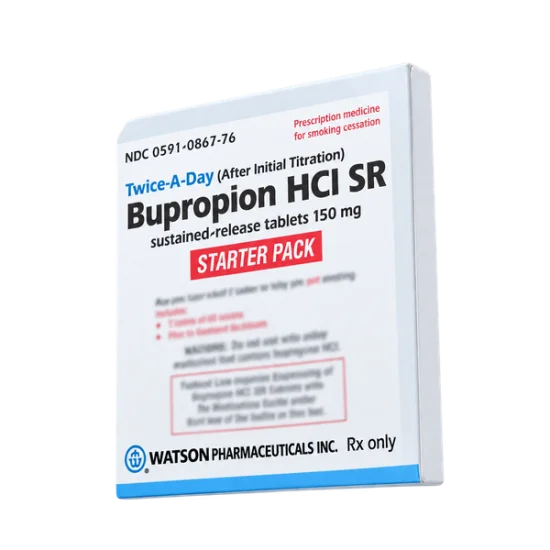
Your order will be securely packed and shipped within 24 hours. This is exactly what your package will look like (images of an actual item sent). It has the size and look of a regular private letter (24x11x0.7 cm) and its contents cannot be seen.

Comparison

How the medicines for Antidepressants compare

How Buyers Rate Bupropion

Based on 4 reviews

Christopher B., 31 Verified
Rating: 3 out of 5

The first few days brought dry mouth and a wired feeling, so I moved the morning tablet earlier. My energy improved before my mood did. By week four, getting out for a walk felt less difficult, although sleep remained lighter than usual.

Gisborne Six weeks 26 Oct 2026
Megan, 30 Verified
Rating: 3.5 out of 5

I hoped it would help quickly, but the first fortnight was uncomfortable. I had headaches and felt impatient in the afternoons. My smoking urges became less intense, but the mood benefit was still unclear, so the dose was reviewed rather than increased by myself.

Nelson Three weeks 17 Oct 2026
Thomas, 64 Verified
Rating: 5 out of 5

The medicine helped my concentration and I did not have the sexual side effects I experienced with an SSRI. Dry mouth was manageable with water. I kept the second dose too late for several evenings and slept badly until the timing was corrected.

Masterton Two months 3 Nov 2026
John, 47 Verified
Rating: 2.5 out of 5

I stopped after developing marked agitation and very little sleep. There was no seizure, but the change felt wrong and needed prompt medical advice. The experience reminded me that feeling more activated is not automatically a sign that treatment is working.

Pukekohe One month 6 Oct 2026

Sources

  1. U.S. Food and Drug Administration (2024). Wellbutrin XL (bupropion hydrochloride extended-release tablets) Prescribing Information
  2. Medsafe (2021). Zyban (bupropion hydrochloride) Data Sheet
  3. Cochrane (2022). Antidepressants for major depressive disorder in adults
  4. Medsafe (2021). Zyban Consumer Medicine Information
Get our free app Shop faster and track your orders Install