Skip to content
In stock Paroxetine
Antidepressants

Paroxetine

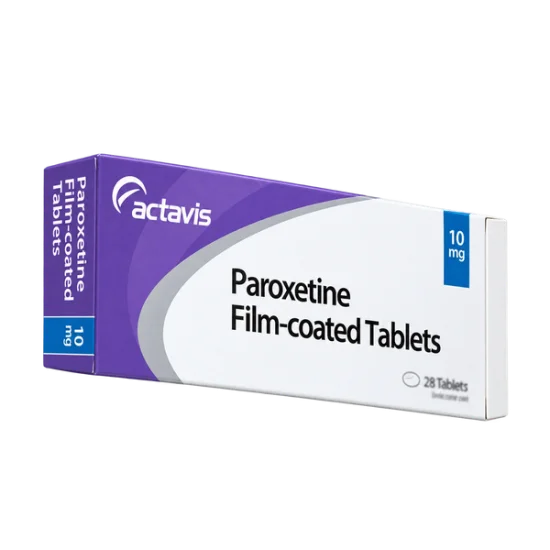
Paroxetine tablets are taken by mouth, usually once daily, for depression and several anxiety-related disorders. The dose is individualised, and the medicine works by increasing serotonin signalling…

Guaranteed quality Original product
Delivery: from 4 days Discreet shipping
24/7 Support Always available
Active ingredient: Paroxetine
Select pack Package Per unit Price
$ 6.42 $ 192.61
$ 5.02 $ 385.22 $ 301.07 Save 22%
Free Regular Delivery $ 4.59 $ 577.83 $ 413.27 Save 28%
Free Regular Delivery $ 4.35 $ 770.44 $ 521.73 Save 32%
Free Express Delivery $ 4.08 $ 1,155.66 $ 734.91 Save 36%
Free Express Delivery $ 3.95 $ 1,733.49 $ 1,067.77 Save 38%
Best value Free Express Delivery $ 3.87 $ 2,311.32 $ 1,393.15 Save 40%

Free delivery on orders from $ 374.00, free express delivery from $ 561.00

Secure payment methods:
VISA AMEX JCB DISCOVER

Paroxetine tablets are taken by mouth, usually once daily, for depression and several anxiety-related disorders. The dose is individualised, and the medicine works by increasing serotonin signalling in the brain. It is an SSRI requiring careful dose changes and monitoring.

Product information

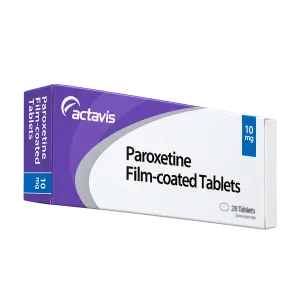
Paroxetine is an SSRI antidepressant used for depression and several anxiety-related disorders. Its active pharmaceutical ingredient is paroxetine, and some formulations use a hydrochloride salt to improve tablet manufacture and delivery. The tablets are film-coated and designed for oral administration.

Directions for use

The amount per intake is individually selected. The prescriber considers the diagnosis, previous antidepressant treatment, age, liver function, kidney function, other medicines, and sensitivity to side effects.

Typical administration principles are:

  • take the prescribed amount by mouth once daily unless the prescriber gives different instructions;
  • swallow the tablet with water;
  • take it at a consistent time;
  • take it with food if nausea occurs;
  • do not double the next dose after a missed dose;
  • if a missed dose is remembered close to the next scheduled dose, skip the missed dose and continue the usual schedule;
  • never stop suddenly after regular use without a planned reduction.

The first days may bring nausea, loose stools, headache, sleepiness, insomnia, or increased nervousness. These effects can lessen as the body adjusts. Mood improvement may take several weeks, while panic symptoms and obsessive thoughts can require a longer period of consistent treatment.

Stopping paroxetine abruptly can cause dizziness, electric-shock sensations, irritability, anxiety, sweating, nausea, vivid dreams, and sleep disturbance. A gradual reduction reduces this risk, although the tapering speed must match the person’s symptoms and treatment history.

A missed dose should not be “replaced” with two tablets. Doubling increases exposure without restoring the stable daily pattern that antidepressant treatment depends on.

Alcohol can worsen sleepiness, impaired judgement, dizziness, or low mood. Driving and machinery work require extra caution during the first days, after dose changes, and whenever drowsiness or blurred vision occurs.

Ingredients

Paroxetine tablets contain paroxetine as the active antidepressant. The product sold on this page is presented as film-coated tablets. The amount taken at each intake is set individually rather than being one fixed number for every person.

Standard tablets release the active ingredient after swallowing and absorption through the gastrointestinal tract. Modified-release tablets use a different delivery design and must not be treated as interchangeable with standard tablets. A controlled-release tablet may have a different starting dose, titration schedule, and maximum daily amount.

Formulation category Pharmacological feature Practical implication
Standard oral tablet Releases paroxetine after gastrointestinal absorption Taken at a regular daily time
Modified-release tablet Uses a release-controlling design Must be prescribed and adjusted as that formulation
Film-coated tablet Coating helps swallowing and protects the tablet surface Swallow whole unless the specific product instructions allow another method

Do not crush, chew, or split a modified-release tablet unless the product’s approved instructions specifically allow it. Breaking the release system can change how quickly the medicine enters the bloodstream. Standard film-coated tablets also should not be altered casually because tablet design and dose accuracy matter.

How it affects the body

The medicine blocks the serotonin transporter, known as SERT, on nerve cells. This reduces the speed at which serotonin returns from the synaptic cleft into the presynaptic neuron. More serotonin remains available between nerve cells, allowing repeated signalling through several serotonin receptor pathways.

Clinical benefit does not appear immediately. Changes in sleep, appetite, agitation, or anxiety may occur before mood improves. The full response often develops gradually as neural networks adapt to sustained serotonin signalling. FDA prescribing information describes this delayed therapeutic pattern and also warns that early treatment can bring changes in mood or behaviour that require attention [1].

Synaptic Regulation of Serotonin

A synapse is the small communication space between two nerve cells. One cell releases serotonin into this space, and the next cell receives the signal through specialised receptors. Paroxetine does not supply serotonin directly. It slows its reuptake, changing the duration and intensity of serotonin transmission. The resulting clinical effects develop gradually rather than immediately.

Paroxetine also has mild anticholinergic activity compared with some other antidepressants. This can help explain dry mouth, constipation, blurred vision, or sweating in some patients. Its influence on liver enzyme CYP2D6 is clinically relevant because it can alter the blood concentration or activity of other medicines.

Paroxetine is usually taken at the same time each day. A fixed routine, such as taking it with breakfast or an evening meal, reduces missed doses and makes early side effects easier to track.

Therapeutic indications

Paroxetine is used for several conditions involving persistent low mood, excessive fear, intrusive thoughts, or panic symptoms. The exact approved indications can vary by formulation and national regulatory wording, so the prescriber’s diagnosis determines the appropriate use.

Common clinical applications include:

  • major depressive disorder;
  • generalised anxiety disorder;
  • panic disorder, with or without agoraphobia;
  • obsessive-compulsive disorder;
  • social anxiety disorder;
  • post-traumatic stress disorder.

For depression, treatment aims to reduce low mood, loss of interest, guilt, hopelessness, sleep disruption, and reduced concentration. For generalised anxiety disorder, the target symptoms include excessive worry, tension, irritability, and physical restlessness.

Panic disorder may initially become more uncomfortable if the starting dose is increased too quickly. Prescribers often use a gradual titration strategy for that reason. OCD treatment may require sustained treatment and behavioural therapy, because intrusive thoughts and compulsive behaviours usually respond more slowly than uncomplicated anxiety.

Social anxiety disorder involves marked fear of scrutiny or embarrassment. PTSD may involve unwanted memories, avoidance, hypervigilance, and sleep disturbance. Medication can reduce symptom intensity, while psychological treatment addresses triggers, avoidance patterns, and trauma-related beliefs. NICE guidance supports antidepressant treatment as one option within a wider treatment plan for depression and anxiety disorders [2].

The strongest response is usually measured by functional improvement, not only by feeling less sad. Useful signs include returning to regular sleep, completing ordinary tasks, leaving home more easily, or spending less time trapped in repetitive thoughts.

Common mistakes

  • stopping after a few days because mood has not improved;
  • taking extra tablets after a missed dose;
  • changing morning dosing to evening dosing repeatedly;
  • crushing or chewing a tablet designed for modified release;
  • using St John’s wort without checking for serotonin toxicity;
  • assuming sexual side effects will disappear without reporting them;
  • mixing paroxetine with recreational stimulants or heavy alcohol use;
  • forgetting to mention tamoxifen, tramadol, anticoagulants, migraine medicines, or other antidepressants;
  • stopping suddenly when feeling better;
  • treating an early increase in agitation as something to ignore.
Keep a brief daily record of sleep, anxiety, mood, panic episodes, bowel symptoms, and sexual side effects during the first weeks. Patterns are more useful than trying to remember isolated days.

Reasons not to use it

Specific situations requiring careful prescribing include:

  • current use of an MAO inhibitor, including some medicines used for depression or Parkinson’s disease;
  • use of linezolid or intravenous methylene blue;
  • use of pimozide or thioridazine;
  • concurrent tamoxifen treatment, because paroxetine can reduce conversion to the active metabolite endoxifen;
  • bipolar disorder without appropriate mood-stabilising treatment;
  • a history of seizures;
  • bleeding disorders or use of medicines that increase bleeding;
  • pregnancy, planned pregnancy, or breastfeeding;
  • significant liver or kidney impairment;
  • glaucoma risk or low blood sodium.

A washout period is required when changing between paroxetine and an MAO inhibitor. Combining serotonergic medicines can cause serotonin syndrome. Examples include tramadol, some migraine medicines, lithium, linezolid, St John’s wort, and other antidepressants.

Non-steroidal anti-inflammatory medicines, aspirin, anticoagulants, and antiplatelet medicines can increase bleeding risk when combined with an SSRI. Pimozide and thioridazine may create serious cardiac rhythm concerns. Paroxetine’s CYP2D6 inhibition can reduce the benefit of tamoxifen, a key reason that another antidepressant may be selected for people receiving breast cancer treatment.

The FDA prescribing information specifically identifies MAO inhibitors, pimozide, thioridazine, tamoxifen, serotonergic medicines, and bleeding-risk medicines as clinically important interaction areas [3].

When this is not for you

Paroxetine is not suitable for everyone. This medication is not for you if you have a current or recent treatment with a contraindicated monoamine oxidase inhibitor, certain serious heart-rhythm risks, or a previous severe allergic reaction to paroxetine.

Unwanted effects

Common adverse effects include nausea, diarrhoea or constipation, dry mouth, sweating, headache, dizziness, tremor, fatigue, insomnia, and sleepiness. Sexual dysfunction may involve reduced libido, delayed orgasm, erectile difficulty, or reduced genital sensation. These effects can occur even when mood is improving.

Sleep may change in either direction. Some people feel sedated, while others experience restlessness or difficulty falling asleep. Taking the tablet in the morning can help if it causes activation; an evening dose may be more suitable if it causes drowsiness, but the timing should remain consistent.

Weight change and appetite change are possible. Raised cholesterol has been reported in some patients, though the result may also reflect diet, reduced activity, depression, or another health condition. A clinician may order blood tests when symptoms or medical history make monitoring appropriate.

Less common but serious reactions include:

  • suicidal thoughts or worsening depression, especially during early treatment or dose changes;
  • serotonin syndrome, with agitation, confusion, sweating, fever, diarrhoea, tremor, muscle rigidity, or rapid heartbeat;
  • severe allergic reaction, facial swelling, wheezing, or widespread blistering rash;
  • abnormal bleeding, especially with anticoagulants or antiplatelet medicines;
  • low blood sodium, which may cause headache, confusion, weakness, or seizures;
  • manic symptoms in someone with bipolar disorder;
  • angle-closure glaucoma symptoms, including severe eye pain, halos, headache, or sudden visual change.

Urgent medical attention is needed for a seizure, fainting, severe confusion, high fever with muscle stiffness, suicidal intent, or symptoms of a serious allergic reaction. These warning signs are described in regulatory antidepressant information and pharmacovigilance guidance from Medsafe.

Sexual side effects are often under-reported. A new reduction in desire, orgasm, or genital sensation is clinically relevant and can be discussed without stopping the medicine suddenly.

Comparison

Paroxetine is one option within the SSRI group. Other antidepressants may differ in their influence on sleep, appetite, sexual function, activation, blood pressure, withdrawal symptoms, or drug metabolism.

Treatment approach Main pharmacological feature Clinical trade-off
Paroxetine Strong serotonin reuptake inhibition Useful for depression and anxiety, with possible sexual dysfunction and discontinuation symptoms
Another SSRI Serotonin reuptake inhibition with different receptor and metabolic profile Tolerability may differ between individuals
Psychological therapy Changes attention, behaviour, coping, and fear responses without a drug mechanism Requires regular participation and may be slower for severe symptoms

Paroxetine can suit people whose anxiety is prominent alongside depression. Its disadvantages include a higher likelihood of withdrawal symptoms after abrupt cessation and clinically significant CYP2D6 inhibition. Sexual dysfunction may persist during treatment and can affect adherence.

Doctors often choose between an antidepressant and structured psychological therapy based on symptom severity, previous response, patient preference, risk factors, and access to therapy. Combined treatment may be useful when symptoms are severe, recurrent, or accompanied by marked functional impairment.

What doctors say

In clinical practice, doctors usually judge paroxetine by symptom change over time rather than by a single good or bad day. Improvement in sleep or appetite can come before relief from hopelessness, panic, or intrusive thoughts.

A prescriber will usually ask about suicidal thoughts, agitation, sleep, alcohol, other medicines, sexual function, and any history of mania. These questions help distinguish a manageable early adverse effect from a reaction requiring a treatment change.

Older adults may be more vulnerable to low sodium, falls, confusion, and bleeding. People with liver disease may need a lower amount because paroxetine is extensively metabolised in the liver. Children and adolescents require close monitoring for behavioural changes and suicidal thinking when antidepressant treatment is used.

WHO guidance on depression emphasises assessment of suicide risk, functional impairment, comorbid illness, and psychosocial support rather than relying on medication alone [4].

What customers often ask

Which symptoms mean stopping paroxetine and seeking urgent medical help?

Suicidal thoughts, severe agitation, hallucinations, a seizure, fainting, facial swelling, breathing difficulty, or a high fever with muscle rigidity require urgent medical attention. Serotonin syndrome may include confusion, sweating, tremor, diarrhoea, rapid heartbeat, and muscle stiffness. The FDA safety information updated in 2023 treats new suicidal thinking and severe behavioural change as urgent clinical concerns. Do not take extra doses or restart after an interruption without a clear treatment plan.

Which diet, exercise, or habits help or hinder the result?

Regular sleep, moderate physical activity, structured meals, and reduced alcohol intake can support recovery from depression and anxiety. Alcohol may worsen sedation, impaired judgement, sleep disruption, and low mood. Caffeine can intensify tremor, restlessness, or panic in sensitive people, especially during early treatment. NICE guidance current in 2022 supports combining medication decisions with behavioural and psychological measures rather than relying on one intervention alone.

Can paroxetine be combined with herbal supplements or other serotonergic medicines?

St John’s wort should not be combined with paroxetine because serotonin toxicity and unpredictable treatment effects can occur. Other serotonergic medicines, including tramadol, lithium, some migraine treatments, linezolid, and other antidepressants, also require specific clinical review. The EMA interaction guidance for antidepressant treatment (2019) identifies serotonin syndrome as a serious pharmacodynamic risk. Avoid starting a supplement simply because it is described as natural.

How long does one dose of paroxetine keep working?

A daily dose is intended to maintain exposure across the dosing interval, rather than provide a rapid, short-lived effect like a painkiller. Paroxetine has a comparatively short elimination half-life, so missed doses may be felt more readily than with some longer-acting antidepressants. Medsafe product information (2023) describes steady-state exposure after repeated daily administration rather than immediate symptom relief from one tablet. A single dose should not be used to judge whether the treatment is working.

How long does a course last, and is long-term use acceptable?

Treatment duration depends on the diagnosis, relapse history, symptom severity, and response. After recovery from a depressive episode, treatment may continue for months to reduce relapse risk; recurrent depression or persistent anxiety may require longer treatment. The WHO 2023 guidance supports ongoing review of benefits, adverse effects, functioning, and suicide risk during extended antidepressant use. Long-term treatment can be appropriate when benefits remain clear, but stopping should involve a gradual plan rather than an abrupt interruption.

Do you offer anonymous delivery?

Your order will be securely packed and shipped within 24 hours. This is exactly what your package will look like (images of an actual item sent). It has the size and look of a regular private letter (24x11x0.7 cm) and its contents cannot be seen.

Comparison

How the medicines for Antidepressants compare

How Buyers Rate Paroxetine

Based on 5 reviews

Ruth, 58 Verified
Rating: 5 out of 5

The nausea was noticeable during the first week, especially before breakfast. It settled when I took the tablet with food, and by the second month I was getting through ordinary tasks without the constant dread.

Taupō About six weeks 15 Oct 2026
Alison, 41 Verified
Rating: 4 out of 5

My panic attacks became less frequent after the first month. I still had vivid dreams and felt tired in the afternoon, so changing the dosing time helped. The improvement was useful, but it was not immediate.

Hamilton Several months 22 Oct 2026
Sarah, 41 Verified
Rating: 3.5 out of 5

The obsessive thoughts were quieter, and I spent less time checking things. The difficult part was delayed orgasm, which I had not expected and found upsetting.

Te Awamutu Around three months 29 Oct 2026
Joanne L., 26 Verified
Rating: 2 out of 5

I felt dizzy, tearful, and had strange electric sensations after stopping suddenly. The original anxiety had not returned in the same way, but the withdrawal symptoms were unpleasant and lasted longer than I expected.

Palmerston North A short period 3 Nov 2026
Amanda, 31 Verified
Rating: 5 out of 5

The medication reduced the physical panic symptoms, while therapy helped me change the avoidance habits. I had dry mouth and some reduced appetite at first, but those problems became less noticeable.

Upper Hutt 10 Nov 2026

Sources

  1. U.S. Food and Drug Administration (2023). Paxil (paroxetine hydrochloride) Prescribing Information
  2. National Institute for Health and Care Excellence (2022). Depression in adults: treatment and management, NG222
  3. European Medicines Agency (2019). Guideline on the investigation of drug interactions
  4. World Health Organization (2023). Mental Health Gap Action Programme guideline update: mental, neurological and substance use disorders
Get our free app Shop faster and track your orders 3.9 · 370 reviews Install