Skip to content
In stock Prozac
Antidepressants

Prozac

Fluoxetine, the active ingredient of Prozac, is a selective serotonin reuptake inhibitor (SSRI) for adults with depression and several anxiety-related disorders. It raises serotonin availability in…

Guaranteed quality Original product
Delivery: from 4 days Discreet shipping
24/7 Support Always available
Active ingredient: Fluoxetine
Select dosage:
Select pack Package Per unit Price
$ 1.80 $ 179.52
$ 1.63 $ 359.04 $ 325.38 Save 9%
Free Regular Delivery $ 1.60 $ 538.56 $ 480.59 Save 11%
Best value Free Express Delivery $ 1.48 $ 718.08 $ 592.79 Save 17%
$ 5.05 $ 151.47
$ 4.52 $ 302.94 $ 271.15 Save 10%
Free Regular Delivery $ 4.43 $ 454.41 $ 398.31 Save 12%
Best value Free Regular Delivery $ 4.13 $ 605.88 $ 495.55 Save 18%
$ 3.09 $ 308.55
Free Express Delivery $ 2.81 $ 617.10 $ 562.87 Save 9%
Free Express Delivery $ 2.76 $ 925.65 $ 828.41 Save 11%
Best value Free Express Delivery $ 2.55 $ 1,234.20 $ 1,021.02 Save 17%
$ 6.36 $ 190.74
$ 5.86 $ 381.48 $ 351.56 Save 8%
Free Regular Delivery $ 5.73 $ 572.22 $ 516.12 Save 10%
Best value Free Express Delivery $ 5.28 $ 762.96 $ 633.93 Save 17%

Free delivery on orders from $ 374.00, free express delivery from $ 561.00

Secure payment methods:
VISA AMEX JCB DISCOVER

Fluoxetine, the active ingredient of Prozac, is a selective serotonin reuptake inhibitor (SSRI) for adults with depression and several anxiety-related disorders. It raises serotonin availability in the brain and may improve mood, intrusive thoughts, panic symptoms, and bulimia nervosa when prescribed for the appropriate condition.

Product information

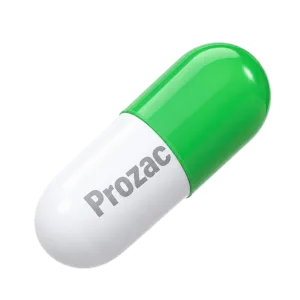
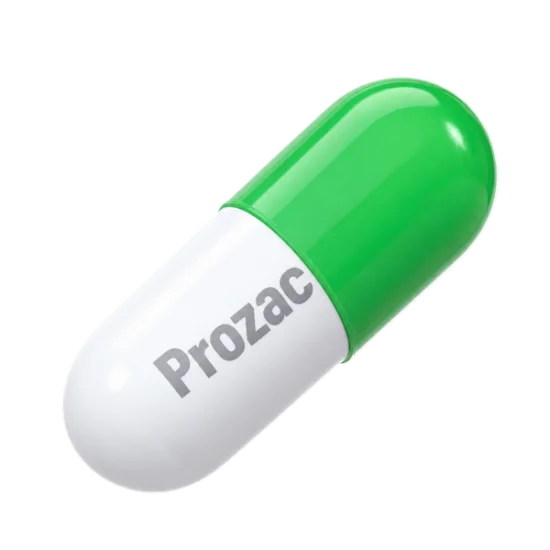
Prozac contains fluoxetine, an SSRI antidepressant. It is supplied as oral capsules and is prescribed for specific psychiatric conditions rather than general stress or occasional low mood. Fluoxetine is also the generic name associated with the Prozac brand.

The medicine is not a sedative, benzodiazepine, sleep aid, or dietary supplement. Its benefits develop through continued treatment and are assessed over time, not after a single capsule.

Mechanism of Serotonin Reuptake Inhibition

Fluoxetine inhibits the serotonin transporter, a protein that normally removes serotonin from the synaptic space between nerve cells. Blocking this transporter increases serotonin availability for signalling between neurons. Changes in receptor activity and neuroplasticity develop more gradually, which helps explain why mood improvement often takes longer than relief from some physical symptoms [1].

The early response can feel uneven. Sleep, appetite, anxiety, concentration, and emotional reactivity may change at different speeds. Fluoxetine also has a long elimination half-life, so its effects and interactions can persist after the last dose.

If Prozac feels stimulating, taking the prescribed daily dose earlier in the day may reduce sleep disruption. Do not change the schedule without confirming it with the prescriber.

Directions for use

Dosing differs between strengths and between users, so there is no single amount that suits everyone. The prescriber selects the capsule strength, frequency, and treatment duration according to the diagnosis and response.

  • Take the prescribed capsule by mouth at the scheduled time.
  • Swallow the capsule whole with water.
  • Take it with or without food unless the prescriber gives different instructions.
  • Use it consistently; irregular dosing makes response harder to assess.
  • If a dose is missed, take it when remembered unless the next dose is due soon. Do not take two doses together.
  • Continue treatment for the prescribed duration, even if improvement appears before the planned review.

Fluoxetine treatment often requires several weeks before its full benefit becomes clear. Initial effects may include nausea, restlessness, headache, loose stools, or changes in sleep. These effects may settle, but marked agitation, suicidal thoughts, severe rash, or symptoms of serotonin syndrome require urgent medical attention.

Capsules should not be opened and mixed into food unless a prescriber or pharmacist has specifically confirmed that method for the supplied product. A patient who has difficulty swallowing should raise the issue before treatment begins.

Keep a simple record of the dose time, sleep quality, anxiety, and mood during the first weeks. This gives the prescriber useful information without relying on memory during a short appointment.

Ingredients

Prozac contains fluoxetine, an SSRI antidepressant. Fluoxetine is also the generic name associated with the Prozac brand.

How it affects the body

Fluoxetine inhibits the serotonin transporter, a protein that normally removes serotonin from the synaptic space between nerve cells. Blocking this transporter increases serotonin availability for signalling between neurons. Changes in receptor activity and neuroplasticity develop more gradually.

Therapeutic indications

Fluoxetine is used for several established psychiatric indications. The appropriate dose and treatment duration depend on the diagnosis, age, other medicines, and response.

Clinical use Regulatory status Main treatment goal
Major depressive disorder Approved indication Improve persistent low mood, loss of interest, sleep changes, guilt, and impaired concentration
Obsessive-compulsive disorder, bulimia nervosa, and panic disorder Established clinical indications Reduce intrusive thoughts, compulsive behaviour, binge–purge symptoms, or recurrent panic
Binge eating disorder, body dysmorphic disorder, and dysthymia Off-label use in some clinical settings Considered only after an individual assessment and a documented treatment plan

Major depressive disorder involves persistent depressive symptoms that impair daily function. Prozac may be selected when low mood occurs with anxiety, reduced motivation, or intrusive negative thinking.

In obsessive-compulsive disorder, the aim is to reduce the intensity and frequency of obsessions and compulsions. Improvement can require a longer trial than treatment for uncomplicated depression.

Fluoxetine is also used in bulimia nervosa to reduce binge eating and compensatory behaviours. Panic disorder treatment aims to reduce panic attacks and anticipatory fear. Binge eating disorder, body dysmorphic disorder, and dysthymia may be considered in specialist practice, though these uses require clinical judgement and are not interchangeable with the established indications.

Common mistakes

  • Stopping after a few days because mood has not improved.
  • Taking extra capsules after a difficult day.
  • Moving the dose repeatedly between morning and evening.
  • Combining Prozac with another antidepressant or St John’s wort without medical approval.
  • Assuming a missed dose should be replaced with a double dose.
  • Failing to mention recreational substances, migraine treatment, tramadol, or lithium.
  • Ignoring new agitation, racing thoughts, or severe insomnia.
  • Treating sexual side effects as a reason to stop without discussing alternatives.
  • Expecting the medicine to replace psychological treatment, sleep improvement, or nutritional support when those are part of the treatment plan.

Alcohol may worsen drowsiness, impaired judgement, or mood instability in some people. Regular heavy alcohol use can also complicate depression treatment and should be discussed openly.

Do not use leftover capsules from a previous treatment course after a relapse. The diagnosis, interacting medicines, and required dose may have changed since the earlier prescription.

Reasons not to use it

  • Current or recent use of an MAOI antidepressant.
  • Previous allergic reaction to fluoxetine or a capsule ingredient.
  • Bipolar disorder, previous mania, or unexplained episodes of markedly reduced sleep and elevated energy.
  • Epilepsy, seizures, or conditions that lower the seizure threshold.
  • Significant liver disease, which may alter fluoxetine exposure.
  • Increased bleeding risk or treatment with warfarin, aspirin, ibuprofen, naproxen, or other medicines affecting clotting.
  • Pregnancy, planned pregnancy, or breastfeeding.
  • Use of medicines that can prolong the QT interval or alter heart rhythm.
  • Age under 18, where the decision requires careful specialist assessment and monitoring.

When this is not for you

Prozac is not suitable for everyone. It is NOT for you if you are taking an MAOI, have had an allergic reaction to fluoxetine, or have symptoms suggesting mania; seek a prescriber's assessment first.

Unwanted effects

Common early adverse effects include nausea, diarrhoea, headache, dry mouth, sweating, tremor, fatigue, insomnia, nervousness, and reduced appetite. Sexual problems, such as delayed orgasm or reduced libido, can occur with SSRIs. Weight changes vary between individuals.

Fluoxetine can be activating. People who already have severe anxiety or insomnia may need closer review during the first weeks. Taking it later in the day can worsen sleep for some patients, while others experience daytime drowsiness.

Urgent assessment is needed for:

  • New suicidal thoughts, severe impulsivity, or dangerous agitation.
  • Manic symptoms, such as very little sleep, racing thoughts, unusually elevated mood, or reckless behaviour.
  • A seizure, fainting, severe allergic reaction, or serious skin reaction.
  • Fever, confusion, sweating, diarrhoea, muscle stiffness, tremor, or a fast heartbeat.
  • Unusual bruising or bleeding, especially with anticoagulants or anti-inflammatory medicines.

Serotonin syndrome is a potentially serious reaction caused by excessive serotonergic activity. It is more likely when fluoxetine is combined with MAOI antidepressants, certain other antidepressants, linezolid, intravenous methylene blue, tramadol, lithium, some migraine medicines, or serotonergic recreational substances.

MAOIs require strict separation from fluoxetine. Because fluoxetine and its active metabolite remain in the body for a prolonged period, switching plans must be made by a prescriber rather than improvised. Medsafe product information gives specific warnings about interacting medicines, psychiatric monitoring, and prolonged persistence after discontinuation [2].

Tell the prescriber about tramadol, migraine medicines, lithium, St John’s wort, anticoagulants, and regular anti-inflammatory tablets before starting fluoxetine. The interaction may depend on the combination and timing, not just on the individual medicine.

Comparison

Prozac acts mainly through serotonin reuptake inhibition. Older tricyclic antidepressants affect several neurotransmitter receptors, while SNRIs inhibit serotonin and noradrenaline reuptake. MAOI antidepressants work through a different enzyme pathway and have more extensive interaction restrictions.

Treatment category Main pharmacology Practical distinction
Fluoxetine and other SSRIs Inhibit the serotonin transporter Often chosen for depression, obsessive-compulsive symptoms, panic, or bulimia; gastrointestinal and sexual side effects can occur
Tricyclic antidepressants such as imipramine Affect serotonin and noradrenaline transporters plus several receptors May cause more anticholinergic, cardiovascular, and sedation-related effects
SNRIs and MAOI antidepressants SNRIs affect serotonin and noradrenaline; MAOIs inhibit monoamine breakdown Useful in selected cases, but blood pressure, interaction, and switching considerations differ

Fluoxetine’s long half-life can be helpful when occasional missed doses occur, since blood concentrations decline slowly. The same feature complicates switching to an MAOI or another serotonergic medicine because a washout period may be required.

Unlike a sedating antidepressant, fluoxetine may increase alertness or restlessness in some people. It can also cause sexual dysfunction, which may continue after mood symptoms improve. The choice is a trade-off between symptom targets, tolerability, medical history, and previous treatment response.

What doctors say

In clinical practice, prescribers often assess Prozac in stages. The first review may focus on nausea, agitation, sleep, suicidal thinking, and adherence. Later reviews examine whether mood, anxiety, compulsions, panic, or binge–purge behaviour has improved enough to justify continuing the same plan.

Doctors also look for activation rather than assuming every early increase in energy is recovery. A sudden reduction in sleep, unusually rapid speech, impulsive decisions, or intense irritability can signal hypomania or mania.

Patients sometimes expect fluoxetine to provide immediate calm. It does not work like a sedative. A more realistic expectation is gradual change over approximately two to six weeks, with longer assessment periods sometimes used for obsessive-compulsive symptoms.

The FDA prescribing information describes the importance of monitoring for clinical worsening and suicidality, especially during treatment changes. A clear record of symptom changes helps distinguish temporary adverse effects from a developing psychiatric emergency [3].

What customers often ask

Is Prozac suitable for older adults?

Older adults may use fluoxetine when a prescriber considers the benefits and risks appropriate. The 2022 NICE depression guideline recommends attention to physical illness, concurrent medicines, falls, sodium changes, and suicide risk when treating depression in later life. Fluoxetine’s long persistence means adverse effects and interactions may take longer to resolve after a change. Regular review is useful when several medicines are taken at the same time. Treatment goals should also be reassessed during follow-up.

What should be discussed with a doctor before starting Prozac?

Before treatment, discuss previous antidepressants, bipolar symptoms, seizures, liver disease, pregnancy, breastfeeding, allergies, and all prescription or non-prescription medicines. Medsafe's 2022 information highlights the need to identify MAOIs and other medicines that increase serotonin or bleeding risk. Mention tramadol, lithium, migraine medicines, St John’s wort, anticoagulants, and regular anti-inflammatory tablets. The prescriber also needs to know about suicidal thoughts, severe insomnia, or recent manic symptoms.

Can Prozac cause sexual side effects?

Yes. Fluoxetine can cause reduced libido, delayed orgasm, erectile difficulty, or reduced lubrication in some patients. NICE guidance published in 2022 recognises sexual dysfunction as a treatment issue that should be discussed rather than ignored. Symptoms may improve with time, but they can persist while treatment continues. Dose adjustment, switching, or another management approach should be decided clinically.

What happens when Prozac is stopped, and does it need tapering?

Fluoxetine has a long half-life, so withdrawal symptoms may be less prominent than with some shorter-acting SSRIs. Relapse of depression, anxiety, panic, or obsessive-compulsive symptoms can still occur after stopping. The Royal College of Psychiatrists’ 2023 guidance supports an individual plan, with gradual reduction used when clinically appropriate. A washout period is also essential before some medicines, especially MAOIs.

What is the best time of day to take Prozac?

The best time depends on whether it causes activation or drowsiness. Many people take it in the morning when it interferes with sleep, while others tolerate an evening schedule better. The FDA's 2023 prescribing information permits daily administration according to the prescribed regimen, with or without food. Choose one consistent time and report persistent insomnia, daytime sedation, or worsening agitation at review.

Do you offer anonymous delivery?

Your order will be securely packed and shipped within 24 hours. This is exactly what your package will look like (images of an actual item sent). It has the size and look of a regular private letter (24x11x0.7 cm) and its contents cannot be seen.

Comparison

How the medicines for Antidepressants compare

How Buyers Rate Prozac

Based on 5 reviews

Gareth, 56 Verified
Rating: 4 out of 5

The first week brought nausea and restless sleep. By the fourth week I was getting through work without the constant heavy feeling, although I still needed counselling for the anxiety.

Wellington About five weeks 3 Nov 2026
Peter, 57 Verified
Rating: 3.5 out of 5

My panic attacks became less frequent after the early weeks. I noticed delayed orgasm, which was frustrating, and I discussed it at the review rather than stopping suddenly.

Levin Several months 16 Oct 2026
Matthew, 63 Verified
Rating: 4.5 out of 5

Fluoxetine improved my appetite and morning routine gradually. The first few days felt jittery, and taking it earlier helped with sleep.

Tauranga Several weeks 12 Nov 2026
Neil V., 34 Verified
Rating: 4 out of 5

The intrusive thoughts did not disappear quickly. After several weeks they felt less gripping, but the treatment worked best alongside exposure-based therapy.

Palmerston North Several weeks 29 Oct 2026
Paul T., 43 Verified
Rating: 2.5 out of 5

I felt more restless and had trouble sleeping, so the prescriber changed the plan. It was not the right fit for me, but the review made the next step clearer.

Whangārei A short trial 19 Oct 2026

Sources

  1. U.S. Food and Drug Administration (2023). PROZAC (fluoxetine hydrochloride) capsules: Prescribing Information
  2. Medsafe New Zealand (2022). Prozac Data Sheet
  3. U.S. Food and Drug Administration (FDA) (2023). PROZAC (fluoxetine hydrochloride) capsules: Prescribing Information
Get our free app Shop faster and track your orders 3.9 · 370 reviews Install