Skip to content
In stock Remeron
Antidepressants

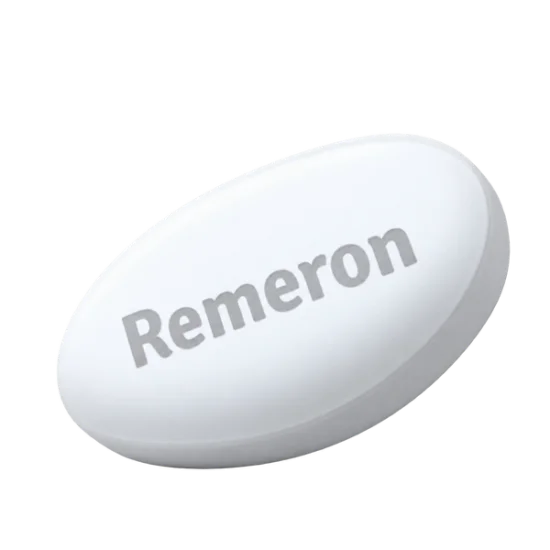
Remeron

Remeron tablets are taken by mouth, usually once daily, for adults with major depressive disorder. Their active ingredient, mirtazapine, is an atypical antidepressant that changes serotonin and…

Guaranteed quality Original product
Delivery: from 4 days Discreet shipping
24/7 Support Always available
Active ingredient: Mirtazapine
Select dosage:
Select pack Package Per unit Price
$ 6.92 $ 207.57
$ 5.49 $ 415.14 $ 329.12 Save 21%
Free Regular Delivery $ 5.03 $ 622.71 $ 452.54 Save 27%
Free Express Delivery $ 4.78 $ 830.28 $ 574.09 Save 31%
Free Express Delivery $ 4.54 $ 1,245.42 $ 817.19 Save 34%
Best value Free Express Delivery $ 4.39 $ 1,868.13 $ 1,185.58 Save 37%
$ 5.80 $ 173.91
$ 4.77 $ 347.82 $ 286.11 Save 18%
Free Regular Delivery $ 4.32 $ 695.64 $ 517.99 Save 26%
Free Express Delivery $ 4.09 $ 1,391.28 $ 981.75 Save 29%
Best value Free Express Delivery $ 4.04 $ 1,739.10 $ 1,211.76 Save 30%
$ 5.86 $ 175.78
$ 4.68 $ 351.56 $ 280.50 Save 20%
Free Regular Delivery $ 4.20 $ 527.34 $ 377.74 Save 28%
Free Regular Delivery $ 3.79 $ 703.12 $ 454.41 Save 35%
Free Express Delivery $ 3.43 $ 1,054.68 $ 617.10 Save 41%
Best value Free Express Delivery $ 3.08 $ 2,109.36 $ 1,107.04 Save 48%

Free delivery on orders from $ 374.00, free express delivery from $ 561.00

Secure payment methods:
VISA AMEX JCB DISCOVER

Remeron tablets are taken by mouth, usually once daily, for adults with major depressive disorder. Their active ingredient, mirtazapine, is an atypical antidepressant that changes serotonin and norepinephrine signalling. It may also improve sleep and appetite when depression includes insomnia or reduced food intake.

Product information

Remeron contains mirtazapine, an atypical antidepressant used mainly for major depressive disorder. Mirtazapine is often described as a noradrenergic and specific serotonergic antidepressant.

Directions for use

The appropriate amount differs between strengths and between users. A prescriber selects the dose according to the diagnosis, response, age, other medicines, liver or kidney function, and tolerability.

Typical administration principles include:

  • Take Remeron orally once daily, usually in the evening before sleep.
  • Swallow the tablet with water.
  • Take it at approximately the same time each night.
  • Continue for the duration prescribed, even if sleep improves before mood does.
  • Do not stop suddenly after regular use without a planned reduction.
  • If a dose is missed and the next dose is not close, take it when remembered.
  • If the next scheduled dose is near, skip the missed dose rather than taking two doses together.

Remeron tablets should not be altered unless the specific dosage form allows it. Crushing or splitting a tablet can change how it is swallowed and may make accurate dosing harder.

A missed evening dose is usually best handled by avoiding a double dose the next morning. Extra mirtazapine can increase sedation, dizziness, and impaired coordination.

Ingredients

Remeron tablets contain mirtazapine, an atypical antidepressant described as a noradrenergic and specific serotonergic antidepressant. The tablets are taken orally and are intended primarily for adults with major depressive disorder.

How it affects the body

Unlike selective serotonin reuptake inhibitors (SSRIs), it does not work by simply blocking serotonin reuptake. Mirtazapine increases central noradrenergic and serotonergic neurotransmission through receptor blockade, which can improve mood, anxiety symptoms, sleep, and appetite in selected patients [1].

Mirtazapine is absorbed after swallowing and reaches the central nervous system, where it affects several receptor systems. Its action at alpha-2 adrenergic receptors increases the release of norepinephrine and serotonin. Its blockade of certain serotonin receptors helps explain why it may cause less nausea and sexual dysfunction than some SSRIs, while its histamine-receptor activity contributes to drowsiness and increased appetite.

Pharmacological profile of mirtazapine

Mirtazapine is often described as a noradrenergic and specific serotonergic antidepressant. In plain language, it adjusts the release and activity of neurotransmitters involved in mood, alertness, stress response, and sleep.

The same receptor profile creates both benefits and limitations:

  • Increased noradrenergic and serotonergic signalling may support mood improvement.
  • Histamine H1 blockade can produce sleepiness, especially after starting treatment.
  • Appetite may increase, with possible weight gain during continued use.
  • Sexual side effects may be less frequent than with many SSRIs, though they can still occur.
  • Sedation can impair driving, cycling, machinery use, or early-morning concentration.
The first few doses can feel more sedating than later doses. Plan the initial evening doses around a full night of sleep, and avoid driving until you know how Remeron affects your alertness.

Therapeutic indications

Remeron is primarily prescribed for major depressive disorder in adults. Depression may involve persistent low mood, loss of interest, guilt, hopelessness, reduced concentration, sleep disruption, appetite changes, or thoughts of self-harm. Mirtazapine is selected when sleep loss or poor appetite is a prominent part of the clinical picture.

Doctors may also prescribe mirtazapine off-label for anxiety symptoms or insomnia. Off-label means that a clinician uses an established medicine for a purpose supported by clinical experience or research, even when that use is not the medicine’s primary regulatory indication. The strength of evidence differs between conditions, so an off-label prescription requires an individual assessment.

Mirtazapine is not a rapid tranquilliser. Sleepiness may appear during the first days, while improvement in depressive symptoms commonly takes longer. Mood, motivation, and interest may improve gradually over several weeks.

A doctor may consider Remeron when:

  • Depression occurs with difficulty falling asleep or staying asleep.
  • Depression is accompanied by reduced appetite or unwanted weight loss.
  • An SSRI has caused troublesome nausea or sexual dysfunction.
  • A patient needs an antidepressant with a different pharmacological profile.
  • Anxiety symptoms occur alongside a depressive illness.

Common mistakes

Several practical mistakes can reduce benefit or increase risk:

  • Taking the tablet in the morning despite significant evening sedation.
  • Doubling the next dose after a missed tablet.
  • Stopping suddenly once sleep improves.
  • Drinking alcohol during the first days before knowing the sedative effect.
  • Driving early in treatment while feeling slowed or dizzy.
  • Ignoring rapid weight gain or a marked increase in appetite.
  • Combining Remeron with tramadol, St John’s wort, or sedating medicines without a medication review.
  • Assuming a higher dose will automatically produce less drowsiness.
  • Treating a new sore throat or fever as an ordinary infection without mentioning mirtazapine.
  • Expecting the medicine to work immediately for depressive symptoms.

One useful habit is to record the tablet time and next-morning alertness for the first week. This gives the prescriber practical information about whether the evening schedule is suitable.

Reasons not to use it

This medication is not for you if you have had a serious allergic reaction to mirtazapine or any tablet ingredient, or if you are currently taking a monoamine oxidase inhibitor (MAOI).

Other conditions requiring careful review include:

  • Bipolar disorder or previous mania.
  • Epilepsy or a lowered seizure threshold.
  • Liver disease or significant kidney impairment.
  • Glaucoma or raised pressure inside the eye.
  • Low blood pressure, fainting, or a high risk of falls.
  • Diabetes or a history of substantial weight gain.
  • Pregnancy, planned pregnancy, or breastfeeding.
  • Suicidal thoughts, worsening depression, or new agitation.

MAO inhibitors are contraindicated with mirtazapine.

When this is not for you

Remeron is not suitable for everyone. Tell the prescriber about previous manic episodes, seizures, severe drug rashes, and unexplained low blood counts. These details can change whether mirtazapine is appropriate.

Young adults may experience increased suicidal thoughts when starting or changing an antidepressant, especially during early treatment. Sudden behavioural changes, intense restlessness, or thoughts of self-harm need urgent clinical attention.

Unwanted effects

The most familiar adverse effects are drowsiness, increased appetite, dry mouth, constipation, dizziness, and weight gain. Sedation often appears early and may lessen as the body adapts, though some people continue to feel sleepy throughout treatment.

Clinical trial data in the FDA prescribing information identify somnolence, increased appetite, and weight gain among the prominent adverse reactions. Peripheral oedema, abnormal dreams, headache, nausea, and fatigue can also occur. The risk of weight gain is relevant when treatment continues for months, especially in people with diabetes, metabolic syndrome, or a history of appetite-related difficulties [2].

Effect Practical significance
Drowsiness or sedation Can be strongest after starting treatment; affects driving and morning alertness
Increased appetite or weight gain May require weight, appetite, and glucose monitoring
Dry mouth or constipation Often responds to fluids, fibre, movement, and a regular bowel routine
Dizziness More likely with standing quickly, dehydration, or alcohol
Abnormal dreams or fatigue Can affect sleep quality and daytime function

Lower doses are sometimes more sedating than higher doses, although this pattern is not identical for every patient. Increasing the dose does not reliably remove sleepiness and should never be done to improve alertness.

One detail patients often miss is that appetite can return before mood does. Someone may begin eating more while still feeling depressed. Keeping a simple record of sleep, appetite, weight, and mood can help a prescriber judge whether the balance remains suitable.

Dry mouth can make morning dental care uncomfortable. Water, sugar-free gum, and careful brushing may help, while persistent constipation deserves specific treatment rather than being ignored.

Comparison

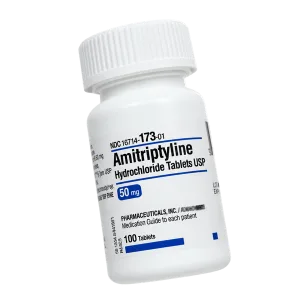
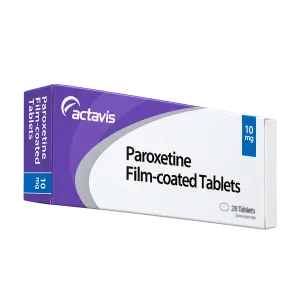
Remeron differs from SSRIs and serotonin–norepinephrine reuptake inhibitors (SNRIs) through its receptor action. SSRIs such as fluoxetine, sertraline, escitalopram, and paroxetine primarily block serotonin reuptake. SNRIs such as venlafaxine and duloxetine block the reuptake of serotonin and norepinephrine.

Treatment group Main clinical profile
Remeron, mirtazapine Often useful when depression includes insomnia or poor appetite; sedation and weight gain are important limitations
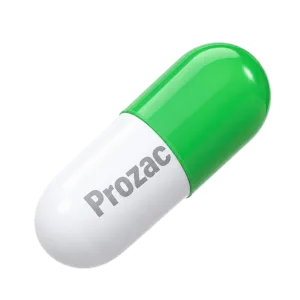
SSRIs, including Prozac, Zoloft, and Lexapro Common first-line options; nausea, activation, and sexual dysfunction can occur
SNRIs, including Effexor and Cymbalta May help depression with anxiety or pain; nausea, sweating, blood-pressure changes, and withdrawal symptoms can occur

Prozac is the brand name for fluoxetine, Zoloft for sertraline, Lexapro for escitalopram, Paxil for paroxetine, Effexor for venlafaxine, and Cymbalta for duloxetine. These medicines are pharmacologically related but are not interchangeable tablet-for-tablet.

A clinician may favour Remeron when insomnia, reduced appetite, or SSRI-related sexual side effects are central concerns. An SSRI may suit a person who wants to avoid weight gain and daytime sedation. An SNRI may be considered when pain symptoms or low energy are prominent, though blood pressure and withdrawal effects require attention.

No antidepressant is best for every patient. The choice depends on symptoms, previous response, coexisting conditions, other medicines, and the adverse effects a person is most likely to tolerate.

What doctors say

In clinical practice, doctors often judge Remeron by more than mood scores. They look at sleep continuity, appetite, daytime functioning, anxiety, suicidal thoughts, weight, and the patient’s ability to maintain the treatment plan.

A common prescribing error is judging the medicine after only a few sedating nights. Sleep may change before depression does. A fair assessment of mood usually requires consistent use over several weeks, unless adverse effects demand earlier adjustment.

Doctors also pay attention to the reason for switching. Someone moving from an SSRI because of sexual dysfunction may value Remeron’s different profile, yet still need monitoring for increased appetite and weight. Someone with obesity, diabetes, or severe daytime fatigue may require a different balance.

The aim is not simply to produce sleep. Excessive daytime sedation can reduce work performance, exercise, driving safety, and social contact. The useful dose is the one that supports mood without creating an unacceptable burden.

What customers often ask

What should be discussed with a doctor before starting Remeron?

Tell the prescriber about bipolar disorder, mania, seizures, glaucoma, liver or kidney disease, diabetes, pregnancy, breastfeeding, and previous reactions to antidepressants. Include every prescription medicine, over-the-counter product, sleep aid, painkiller, and herbal supplement, especially tramadol, diazepam, St John’s wort, and MAO inhibitors. Medsafe safety information and the New Zealand data sheet support reviewing these factors before treatment begins in 2026. Suicidal thoughts, severe agitation, or a history of agranulocytosis require direct discussion before the first dose. Medsafe follow-up information from 2024 can help guide later safety reviews.

Can alcohol be used while taking Remeron?

Alcohol can add to mirtazapine-related drowsiness, dizziness, slowed reactions, and impaired coordination. The risk is higher during the first days, after a dose change, or when Remeron is combined with diazepam, opioids, sleeping tablets, or sedating antihistamines. WHO medicines-safety principles published in 2023 support avoiding combinations that compound central nervous system depression. A person who feels sleepy or unsteady should not drive, cycle on roads, or operate machinery.

Does Remeron cause weight gain?

Yes, increased appetite and weight gain are recognised effects of mirtazapine. The FDA (2020) prescribing information identifies these reactions among the prominent adverse effects, with appetite changes sometimes appearing before mood improvement. Weight, waist measurement, appetite, and glucose control can be monitored when treatment continues. A rapid or substantial change should be reported rather than managed by stopping the antidepressant abruptly.

Does epilepsy rule out Remeron?

Epilepsy does not automatically exclude mirtazapine, but it requires careful prescribing because antidepressants can affect seizure threshold. The risk may rise with excessive doses, abrupt withdrawal from alcohol or sedatives, tramadol, sleep deprivation, or other medicines that increase seizure susceptibility. EMA product information published in 2023 advises clinical caution in people with seizure disorders. Any seizure during treatment requires urgent medical assessment and a review of the treatment plan.

How long does a Remeron course last, and is long-term use acceptable?

Antidepressant treatment commonly continues after mood improves to reduce the chance of relapse, with duration determined by the illness history and response. Some people need longer-term treatment when depression has been recurrent or severe. NICE guidance published in 2022 supports reviewing benefit, adverse effects, adherence, and relapse risk during ongoing antidepressant therapy. Stopping after a short period because sleep improved can leave the underlying depressive illness insufficiently treated.

Can Remeron be taken with food or on an empty stomach?

Mirtazapine can generally be taken with or without food. Taking it at the same evening time each day may make the sedative effect more predictable, while a light meal can be useful if nausea occurs. FDA prescribing information from 2020 describes oral administration without a requirement for a specific meal relationship. Food does not remove the need to avoid alcohol or other sedating substances.

Do you offer anonymous delivery?

Your order will be securely packed and shipped within 24 hours. This is exactly what your package will look like (images of an actual item sent). It has the size and look of a regular private letter (24x11x0.7 cm) and its contents cannot be seen.

Comparison

How the medicines for Antidepressants compare

How Buyers Rate Remeron

Based on 4 reviews

Gareth, 37 Verified
Rating: 3.5 out of 5

The first few nights made me sleep heavily, and I felt slow before breakfast. My appetite improved before my mood. By about the fifth week, getting out of bed felt less difficult, although I had to be more deliberate about evening snacking.

Queenstown Seven weeks 17 Oct 2026
Harry C., 57 Verified
Rating: 4 out of 5

Sleep came quickly, which was welcome after months of waking at 3 a.m. The downside was a dry mouth and feeling groggy on two mornings when I had taken it late. Moving the dose earlier in the evening helped.

Wellington Three weeks 25 Oct 2026
James, 35 Verified
Rating: 3.5 out of 5

Remeron helped my depression and I did not have the sexual problems I had experienced with a previous SSRI. Weight gain became a concern after the second month, so my doctor and I started tracking meals and weight rather than ignoring it.

Timaru Four months 6 Nov 2026
Liam A., 41 Verified
Rating: 2.5 out of 5

I expected the higher dose to make me less sleepy, but that was not my experience. Mood was beginning to lift, yet daytime fatigue affected work. The treatment was changed after review because the benefit did not outweigh the sedation.

Te Awamutu Six weeks 14 Nov 2026

Sources

  1. Medsafe (2024). Mirtazapine New Zealand Data Sheet
  2. U.S. Food and Drug Administration (2020). Remeron (mirtazapine) Prescribing Information
Get our free app Shop faster and track your orders 3.9 · 370 reviews Install