Skip to content
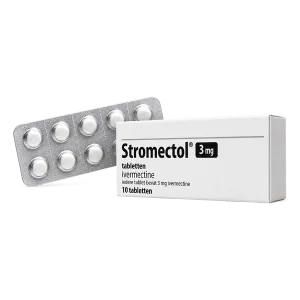
In stock Stromectol
Antiparasitics

Stromectol

Patients diagnosed with intestinal strongyloidiasis or onchocerciasis may be prescribed Stromectol, an oral tablet containing ivermectin. It targets susceptible parasites by disrupting nerve and…

Guaranteed quality Original product
Delivery: from 4 days Discreet shipping
24/7 Support Always available
Active ingredient: Ivermectin
Select dosage:
Select pack Package Per unit Price
$ 13.09 $ 130.90
$ 11.22 $ 261.80 $ 224.40 Save 14%
$ 10.60 $ 392.70 $ 317.90 Save 19%
Free Express Delivery $ 9.97 $ 785.40 $ 598.40 Save 24%
Free Express Delivery $ 9.77 $ 1,178.10 $ 878.90 Save 25%
Free Express Delivery $ 9.66 $ 1,570.80 $ 1,159.40 Save 26%
Free Express Delivery $ 9.14 $ 2,356.20 $ 1,645.60 Save 30%
Free Express Delivery $ 6.58 $ 3,534.30 $ 1,776.50 Save 50%
Best value Free Express Delivery $ 5.19 $ 4,712.40 $ 1,870.00 Save 60%
$ 9.35 $ 93.50
$ 7.48 $ 187.00 $ 149.60 Save 20%
$ 6.86 $ 280.50 $ 205.70 Save 27%
$ 6.23 $ 561.00 $ 374.00 Save 33%
Free Regular Delivery $ 5.82 $ 841.50 $ 523.60 Save 38%
Free Express Delivery $ 5.45 $ 1,122.00 $ 654.50 Save 42%
Free Express Delivery $ 5.19 $ 1,683.00 $ 935.00 Save 44%
Free Express Delivery $ 4.92 $ 2,524.50 $ 1,327.70 Save 47%
Best value Free Express Delivery $ 4.42 $ 3,366.00 $ 1,589.50 Save 53%
$ 11.22 $ 112.20
$ 9.35 $ 224.40 $ 187.00 Save 17%
$ 8.10 $ 336.60 $ 243.10 Save 28%
Free Regular Delivery $ 7.48 $ 673.20 $ 448.80 Save 33%
Free Express Delivery $ 7.06 $ 1,009.80 $ 635.80 Save 37%
Free Express Delivery $ 6.55 $ 1,346.40 $ 785.40 Save 42%
Free Express Delivery $ 6.23 $ 2,019.60 $ 1,122.00 Save 44%
Free Express Delivery $ 5.82 $ 3,029.40 $ 1,570.80 Save 48%
Best value Free Express Delivery $ 4.93 $ 4,039.20 $ 1,776.50 Save 56%

Free delivery on orders from $ 374.00, free express delivery from $ 561.00

Secure payment methods:
VISA AMEX JCB DISCOVER

Patients diagnosed with intestinal strongyloidiasis or onchocerciasis may be prescribed Stromectol, an oral tablet containing ivermectin. It targets susceptible parasites by disrupting nerve and muscle signalling, helping clear infection when used in an individually selected regimen.

Product information

Stromectol tablets contain ivermectin, an antiparasitic active ingredient in the avermectin class.

Directions for use

Take Stromectol tablets by mouth for diagnosed intestinal strongyloidiasis or onchocerciasis. Ivermectin targets susceptible parasites by disrupting nerve and muscle signalling, while the dose, number of doses and treatment duration are selected individually according to the infection, age, other medicines and health conditions.

  • Take the prescribed dose by mouth.
  • Do not take an extra tablet if symptoms persist after a dose.

Ingredients

Each tablet contains ivermectin, and the product is supplied as tablets for oral administration. Ivermectin was developed from compounds produced by soil microorganisms and acts mainly on invertebrate nerve and muscle cells rather than human neural tissue [1].

The clinical use of Stromectol centres on selected parasitic infections, including intestinal strongyloidiasis caused by Strongyloides stercoralis and onchocerciasis caused by Onchocerca volvulus. The dose and treatment schedule are decided individually, taking age, other medicines, and health conditions into account.

The product is an oral tablet, not a topical treatment. The tablet strength helps prescribers calculate the total amount required for a person’s body weight and diagnosis.

Tell the prescriber about recent travel, previous treatment for intestinal worms, liver disease, and every medicine or supplement being used. These details can change the treatment plan.

How it affects the body

Stromectol is used against the parasitic stages that maintain this infection. Ivermectin binds to glutamate-gated chloride channels found in many invertebrates. This increases chloride-ion movement across parasite nerve and muscle membranes, causing paralysis and eventual death of susceptible organisms [2].

Ivermectin has strong microfilaricidal activity. It reduces the number of circulating microfilariae, which helps lessen itching and skin inflammation and reduces the risk of progressive eye damage.

Therapeutic indications

Strongyloidiasis is an intestinal infection caused by the nematode Strongyloides stercoralis. The parasite can enter through the skin, migrate through the bloodstream and lungs, and mature in the small intestine. Its ability to reproduce inside the human host allows infection to persist for many years without obvious symptoms.

Stromectol is used against the parasitic stages that maintain this infection. Ivermectin binds to glutamate-gated chloride channels found in many invertebrates. This increases chloride-ion movement across parasite nerve and muscle membranes, causing paralysis and eventual death of susceptible organisms [2].

Symptoms can be mild or absent. Some people develop intermittent abdominal discomfort, diarrhoea, nausea, bloating, an itchy rash, or a rapidly moving linear rash known as larva currens. A blood test may show eosinophilia, although a normal eosinophil count does not exclude infection.

Strongyloidiasis becomes more dangerous when immune function is suppressed. Corticosteroids, certain transplant medicines, blood cancers, and other immunosuppressive treatments can allow massive parasite multiplication, leading to hyperinfection or dissemination. Fever, breathing problems, severe abdominal symptoms, confusion, or sepsis in this setting requires urgent medical assessment.

A person with possible strongyloidiasis should mention any planned steroid treatment before starting it. Screening and treatment decisions can become time-sensitive when immunosuppression is expected.

Treatment response may not be judged by symptom relief alone. Follow-up stool testing or other investigations can be needed, because persistent infection may remain clinically quiet.

Therapeutic application in onchocerciasis management

Onchocerciasis, also called river blindness, is caused by the filarial nematode Onchocerca volvulus. Infection follows repeated bites from infected blackflies in endemic regions. Adult worms live in subcutaneous nodules and produce microfilariae that migrate through the skin and ocular tissues.

Ivermectin has strong microfilaricidal activity. It reduces the number of circulating microfilariae, which helps lessen itching and skin inflammation and reduces the risk of progressive eye damage. Its effect on adult worms is limited, so treatment programmes may require repeat dosing at planned intervals.

Typical clinical features include intense itching, skin thickening, pigment changes, nodules, and eye inflammation. Visual impairment can develop when microfilariae or the inflammatory response affect the cornea, uvea, retina, or optic nerve.

The treatment approach depends on exposure history, examination findings, body weight, community control programmes, and the possibility of other filarial infections. Medical teams may assess for Loa loa in people who have lived in areas where that parasite occurs, because a high Loa loa burden can alter ivermectin treatment risk.

The response in onchocerciasis is measured through clinical follow-up and, where appropriate, parasitological assessment. Ivermectin may reduce microfilarial disease activity without removing every adult worm immediately.

Common mistakes

Several avoidable mistakes can reduce treatment quality or increase risk:

  • Taking ivermectin for symptoms without confirming a susceptible parasite.
  • Repeating the dose because itching or abdominal discomfort has not disappeared immediately.
  • Failing to mention warfarin, sedatives, anticonvulsants, or herbal supplements.
  • Starting corticosteroids without reporting a previous diagnosis or risk of strongyloidiasis.
  • Crushing or chewing tablets when the prescribed product instructions do not allow it.
  • Drinking alcohol while already experiencing dizziness or drowsiness.
  • Missing follow-up testing after treatment for strongyloidiasis.
  • Assuming that one treatment plan applies to intestinal strongyloidiasis and onchocerciasis equally.

One subtle mistake is judging success only by symptoms. Strongyloidiasis may remain silent, while onchocerciasis symptoms may reflect inflammation that continues after parasite numbers fall.

Record the date of each dose and any new symptoms. This simple timeline helps the clinician distinguish a treatment reaction from persistent infection or reinfection.

Reasons not to use it

Stromectol is not suitable for everyone. Its use requires careful consideration in people with ivermectin allergy, severe neurological symptoms after antiparasitic treatment, heavy Loa loa infection, significant liver disease, or treatment with warfarin.

  • Do not use it after a serious allergic reaction to ivermectin or a tablet ingredient.
  • Heavy Loa loa infection requires specialist assessment before treatment.
  • Warfarin treatment requires an anticoagulation monitoring plan.
  • Pregnancy or breastfeeding requires individual assessment of expected benefit and potential risk.
  • Significant liver disease must be considered when selecting treatment.
  • Stromectol is used for diagnosed intestinal strongyloidiasis or onchocerciasis.

Unwanted effects

Many people tolerate ivermectin without major difficulty, but adverse effects can occur. Reported reactions include headache, dizziness, nausea, abdominal discomfort, diarrhoea, fatigue, and skin symptoms. These effects may arise from the medicine itself or from the inflammatory response produced when parasites die.

During treatment for onchocerciasis, itching, rash, fever, muscle pain, swollen lymph nodes, low blood pressure, or eye discomfort can represent a Mazzotti-type reaction. The reaction may be more intense when the microfilarial burden is high.

Neurological symptoms require attention. Severe drowsiness, confusion, tremor, poor coordination, seizures, or loss of consciousness are not routine effects and warrant urgent assessment. People with heavy Loa loa infection may face a higher risk of serious neurological reactions after ivermectin.

A mild stomach upset does not always mean the treatment has failed. Repeated dosing should still be avoided unless a clinician has selected it.

If dizziness occurs, avoid driving, climbing ladders, or operating machinery until coordination and alertness have returned. Alcohol can make this impairment stronger.

People with liver disease may need an individual assessment before treatment. Pregnancy, breastfeeding, very young age, and low body weight also require a tailored clinical decision rather than automatic use of an adult regimen.

Comparison

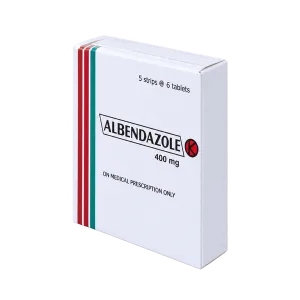
Ivermectin and albendazole are both antiparasitic medicines, but they do not have identical target organisms or pharmacological actions. The choice depends on the confirmed parasite, infection site, patient factors, and local treatment guidance.

Treatment approach Main pharmacological role Clinical distinction
Ivermectin Paralyses susceptible nematodes through glutamate-gated chloride channels Used for selected strongyloidiasis and onchocerciasis regimens
Albendazole Disrupts parasite tubulin and microtubule function Used for several intestinal and tissue helminth infections
Specialist-directed combination or follow-up treatment Targets complex or persistent infection Chosen only when parasite testing and clinical findings justify it

Albendazole may be selected for infections caused by parasites that respond poorly to ivermectin. Ivermectin is the more targeted choice for strongyloidiasis and has an established role in onchocerciasis control. Neither medicine should be substituted for the other based only on the presence of abdominal symptoms or a history of travel.

The two medicines also differ in monitoring needs. Albendazole courses may require attention to liver enzymes and blood counts when treatment is prolonged, while ivermectin decisions focus on the parasite, body weight, neurological status, liver function, and relevant interactions [3].

What doctors say

In clinical practice, doctors first confirm that the suspected organism matches ivermectin’s activity. Strongyloidiasis, onchocerciasis, scabies, and other parasitic conditions do not automatically share the same regimen, follow-up plan, or need for repeat treatment.

A clinician also considers body weight, age, pregnancy status, immune function, liver health, travel history, and possible Loa loa exposure. This assessment is why another person’s number of tablets should not be copied.

The response may take time to assess. Skin symptoms can persist after the parasites have been reduced because inflammation takes longer to settle. Persistent gastrointestinal symptoms may indicate ongoing infection, another diagnosis, reinfection, or a separate intestinal problem.

Patients receiving corticosteroids deserve special attention. Strongyloidiasis can become severe during immunosuppression, so a doctor may arrange testing or treatment before steroids begin. This is one of the most important practical details in patients with a history of residence or travel in endemic regions.

What customers often ask

Can Stromectol be taken with warfarin or other medicines that affect clotting?

Warfarin requires special handling because ivermectin has been associated with changes in anticoagulant control. Medsafe safety information and anticoagulation practice standards published in 2024 support checking the full medicine list and arranging INR monitoring when a clinically relevant interaction is possible. Aspirin, clopidogrel, and anti-inflammatory medicines also influence bleeding risk, though they act through different pathways. The prescriber managing anticoagulation should decide whether additional testing or dose adjustment is needed. Documenting the monitoring plan helps prevent missed follow-up.

What happens after stopping Stromectol, and is tapering required?

Ivermectin is not usually tapered because it is used in defined antiparasitic doses rather than as a medicine that requires gradual withdrawal. FDA prescribing information from 2020 describes treatment in relation to the diagnosed infection and prescribed regimen, not a withdrawal schedule. Symptoms may improve gradually, and returning symptoms can indicate persistent infection or reinfection rather than withdrawal. Follow-up testing is more useful than taking extra tablets after the planned course has ended.

Can Stromectol tablets be split, crushed, or chewed?

Tablets should be swallowed as directed unless the prescriber or pharmacist has specifically approved another method. The Medsafe product information available in 2024 should guide handling of the particular tablet formulation, because splitting can produce unequal portions and crushing can alter administration conditions. Chewing may also leave a bitter taste and make it harder to take the complete dose. Do not alter the tablet when accurate dosing is important, especially in children or people with swallowing difficulties.

Should Stromectol be taken with food or on an empty stomach?

The administration schedule should follow the regimen selected for the infection and the product information supplied for Stromectol. The FDA label from 2020 reports that food can increase ivermectin exposure, which is why consistency in relation to meals matters. Taking a dose with a large or unusually fatty meal may not produce the same exposure as taking it under fasting conditions. Use the same meal relationship for each dose unless the prescriber changes the instruction.

Is alcohol allowed while using Stromectol?

WHO treatment guidance from 2023 does not identify alcohol as a treatment for the underlying parasitic infection, and alcohol can add to dizziness, drowsiness, or impaired coordination. Avoid alcohol around dosing if you feel light-headed, unusually tired, confused, or unsteady. People with liver disease have an additional reason to avoid unnecessary alcohol exposure. Seek urgent care for severe confusion, loss of coordination, fainting, or breathing difficulty.

Do you offer anonymous delivery?

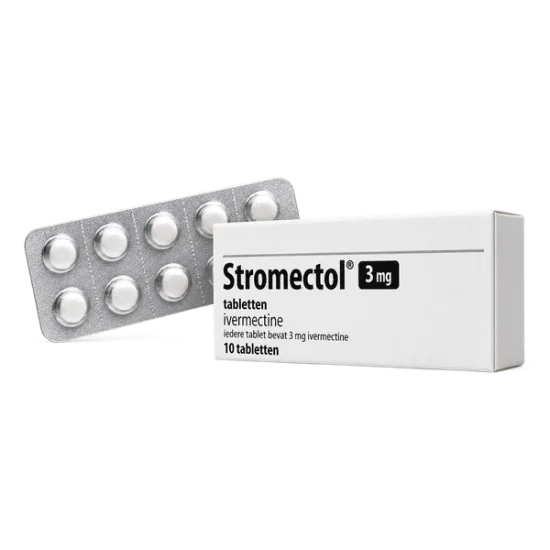
Your order will be securely packed and shipped within 24 hours. This is exactly what your package will look like (images of an actual item sent). It has the size and look of a regular private letter (24x11x0.7 cm) and its contents cannot be seen.

Comparison

How the medicines for Antiparasitics compare

How Buyers Rate Stromectol

Based on 4 reviews

Peter, 68 Verified
Rating: 4.5 out of 5

I took the tablets for a diagnosed intestinal infection. The stomach discomfort eased over the following week, but my doctor still arranged follow-up testing. I had mild dizziness on the day of treatment, so I avoided driving.

Levin 9 Nov 2026
Ben, 62 Verified
Rating: 3.5 out of 5

The course was straightforward. I noticed more itching for a short time before it settled, which was worrying at first. The clinic explained that the skin reaction could continue while the inflammation calmed down.

Nelson 15 Nov 2026
Tom, 57 Verified
Rating: 4 out of 5

I had expected one dose to solve everything immediately. My abdominal symptoms improved, but not overnight, and I needed another assessment because the first follow-up result was still uncertain.

Oamaru 19 Oct 2026
Kevin B., 61 Verified
Rating: 3.5 out of 5

I was taking warfarin and needed extra INR checks around the treatment. The parasite symptoms improved, although arranging the monitoring was inconvenient and I would not repeat the tablets without the same supervision.

Whanganui 2 Nov 2026

Sources

  1. U.S. Food and Drug Administration (2020). STROMECTOL (ivermectin) Tablets Prescribing Information.
  2. Centers for Disease Control and Prevention (2024). Clinical Care of Strongyloides.
  3. World Health Organization (2022). WHO guideline for the control and elimination of human onchocerciasis.
Get our free app Shop faster and track your orders 3.9 · 414 reviews Install