I used Propranolol before work presentations for several months. The shaking hands settled and I could speak without hearing my heartbeat in my ears. I felt a little flat and tired the first two times, so I avoided driving until I knew how it affected me.
Masterton Several months 15 Oct 2026Propranolol
Propranolol is an oral medicine prescribed for high blood pressure, selected irregular heart rhythms, migraine prevention, and physical symptoms of situational anxiety. The amount taken at one time…
Propranolol is an oral medicine prescribed for high blood pressure, selected irregular heart rhythms, migraine prevention, and physical symptoms of situational anxiety. The amount taken at one time is selected individually, while its effects may include reducing cardiac workload, slowing an overly rapid rhythm, or reducing migraine frequency and tremor.
Product information
The amount of propranolol taken at one time is determined individually rather than being a fixed amount for everyone. Propranolol belongs to the beta-blocker class. Beta-blockers reduce the effects of adrenaline on the heart and circulation, so the pulse becomes slower and the heart works less forcefully.
Mechanism of action of Propranolol
Beta receptors are protein targets on cells that respond to adrenaline and noradrenaline. Propranolol blocks beta-1 receptors in the heart and beta-2 receptors in other tissues, reducing heart rate, cardiac output, and blood pressure [1].
For someone whose heart races before a presentation, the effect may be felt as a steadier pulse and less tremor. The medicine does not sedate the mind. It mainly reduces the body’s alarm response.
Immediate-release and modified-release forms
Propranolol is available in immediate-release and modified-release formulations. This product is a tablet for oral use. Release type affects how often a person takes the medicine and how the blood level changes through the day.
Do not swap between formulations or alter a dosing schedule independently. Modified-release tablets should not be crushed or chewed unless a prescriber has specifically confirmed that this is appropriate.
Directions for use
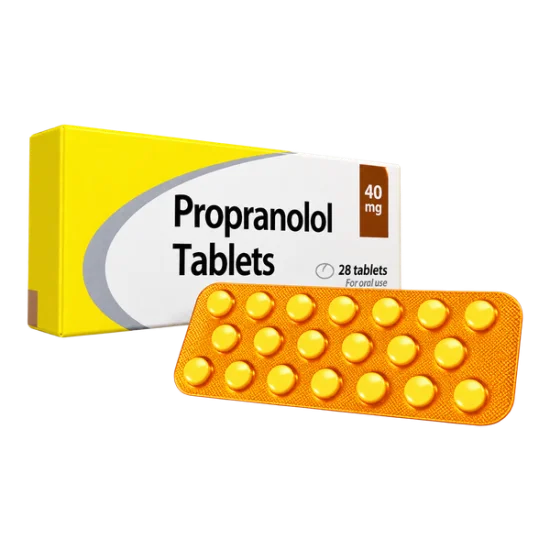
- Dose: The amount of Propranolol taken at one time is selected individually rather than being a fixed amount for everyone. The product is marked 40 mg per tablet.
- Frequency: Take Propranolol at the individually prescribed frequency for the treated condition.
- Timing: Take the tablets at the prescribed times.
- Duration: Continue treatment for the duration prescribed for the treated condition.
- Route: Propranolol is taken orally. As a beta-blocker, it reduces the effects of adrenaline on the heart and circulation, which can slow the pulse and reduce how forcefully the heart works.
Ingredients
The amount of propranolol taken at one time is determined individually rather than being a fixed amount for everyone. Propranolol belongs to the beta-blocker class.
How it affects the body
Beta receptors are protein targets on cells that respond to adrenaline and noradrenaline. Propranolol blocks beta-1 receptors in the heart and beta-2 receptors in other tissues, reducing heart rate, cardiac output, and blood pressure [1]. It mainly reduces the body’s alarm response.
Therapeutic indications
Propranolol may be prescribed for high blood pressure, certain irregular heart rhythms, migraine prevention, and physical manifestations of situational anxiety. The reason for treatment determines the dose, timing, monitoring, and expected benefit.
- High blood pressure: reduces cardiac workload and may lower blood pressure.
- Selected irregular heartbeats: can slow an overly rapid rhythm in suitable clinical situations.
- Migraine prevention: may reduce migraine frequency over time; it does not usually stop a migraine already underway.
- Performance anxiety: may reduce tremor, sweating, blushing, and rapid heartbeat around a specific event.
Cardiovascular uses
Propranolol can be useful when excessive adrenaline stimulation contributes to a fast pulse or raised blood pressure. Not every irregular heartbeat is suitable for beta-blocker treatment. ECG findings, heart pumping function, blood pressure, and other medicines all influence the clinical decision.
The World Health Organization includes propranolol in its Model List of Essential Medicines for defined cardiovascular and neurological uses [2]. That reflects established clinical utility, not a one-size-fits-all treatment approach.
Migraine prevention
For migraine prevention, the aim is fewer migraine days or less disabling attacks over repeated weeks. A simple migraine diary can be more useful than memory alone: record the day, duration, severity, and any acute treatment used.
Performance anxiety symptom control
Propranolol may help the physical surge of performance anxiety. It can reduce visible shaking or a thudding heartbeat before a speech, examination, audition, or similar event.
It does not treat persistent worry in the same way as psychological therapy or medicines used for anxiety disorders. Some people also find that a reduced pulse during exercise feels unfamiliar at first.

Common mistakes
- Stopping suddenly after regular use: this may trigger rebound palpitations or raised blood pressure.
- Doubling a forgotten tablet: this can lower the pulse and blood pressure too far.
- Starting another heart-rate-lowering medicine without mentioning Propranolol: the combination may cause marked dizziness or bradycardia.
- Assuming it treats all anxiety: Propranolol mainly targets physical adrenaline symptoms.
- Ignoring wheeze because the medicine helped palpitations: beta-blockade can worsen airway narrowing in susceptible people.
- Judging migraine prevention after one week: preventive benefit needs a longer pattern of observation.
Reasons not to use it
This medicine is NOT for you if you have a history of severe asthma or bronchospasm, a very slow heart rate, certain heart conduction blocks, cardiogenic shock, or untreated heart failure.
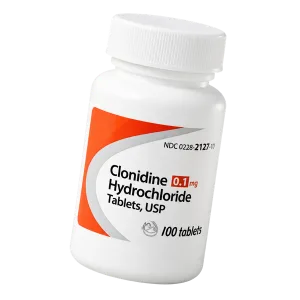
Combining Propranolol with other medicines that slow heart rate can increase the risk of bradycardia, low blood pressure, dizziness, or conduction problems. Relevant examples include verapamil, diltiazem, digoxin, amiodarone, clonidine, and some antiarrhythmic medicines.
When this is not for you
Extra caution is needed with diabetes, peripheral circulation problems, low blood pressure, thyroid disease, and a history of fainting. Propranolol can mask a fast heartbeat caused by low blood glucose. Sweating, hunger, confusion, and unusual weakness may still signal hypoglycaemia.
Unwanted effects
Tiredness, dizziness, cold hands or feet, sleep changes, and a slower pulse are recognised effects of beta-blockers. They may be more noticeable when treatment begins or after a dose increase. For many people, these effects lessen as the body adjusts.
Common adverse effects
Common effects include fatigue, light-headedness, cold extremities, nausea, vivid dreams, and reduced exercise tolerance. Stand up slowly from bed or a chair if dizziness occurs, since blood pressure can fall more noticeably with sudden position changes.
Seek clinical advice for persistent faintness, breathlessness, wheezing, a very slow pulse, or swelling of the ankles. Urgent assessment is needed for collapse, severe breathing difficulty, or chest pain.
Anti-inflammatory pain medicines may reduce the blood-pressure-lowering effect in some patients. Insulin and sulfonylureas need attention because warning signs of low glucose can become less obvious. The Medsafe data sheet lists respiratory disease, cardiac conduction disorders, and interacting cardiovascular medicines among key prescribing considerations [3].
Comparison
Propranolol, escitalopram, and bupropion act on different systems. They are not interchangeable treatments. Choice depends on whether the main problem is a physical adrenaline response, an anxiety disorder, depression, or a combination of symptoms.
| Medicine or approach | Main action | Main limitation |
|---|---|---|
| Propranolol | Beta-blocker; reduces physical adrenaline effects | Does not treat every form of anxiety or depression |
| Escitalopram | SSRI antidepressant; changes serotonin signalling | May take weeks and can cause nausea or sexual adverse effects |
| Bupropion | Antidepressant affecting noradrenaline and dopamine | Can increase anxiety, agitation, or insomnia for some people |
An SSRI is a selective serotonin reuptake inhibitor. It is commonly used for depression and several anxiety disorders. Bupropion is an antidepressant with a different mechanism and may suit some forms of depression, though activating effects can be difficult for people with prominent anxiety.
Propranolol is often most relevant when the body symptoms are the issue: a racing heart, tremor, or sweating. It has a faster physical effect than antidepressants, while antidepressants may be selected for ongoing mood or anxiety symptoms. NICE guidance on generalised anxiety disorder places psychological therapies and antidepressant options within a broader treatment plan, rather than treating beta-blockers as universal anxiety treatment [4].
What doctors say
In clinical practice, prescribers look beyond the symptom that brought someone in. A fast pulse may arise from anxiety, thyroid disease, anaemia, infection, excess caffeine, an arrhythmia, or medicine effects. Propranolol may reduce the pulse, but the reason for that symptom still matters.
Doctors commonly check blood pressure, resting pulse, breathing history, diabetes status, circulation in the hands and feet, and concurrent medicines before starting therapy. They also ask whether dizziness occurs after standing and whether exercise tolerance has changed.
A useful expectation is specific: fewer palpitations, reduced tremor, steadier blood pressure, or fewer migraine days. Vague expectations make it harder to judge whether the treatment is helping.
What customers often ask
How does Propranolol differ from escitalopram?
Propranolol is a beta-blocker that reduces the physical effects of adrenaline, such as tremor, sweating, and a fast heartbeat. Escitalopram is an SSRI antidepressant used for conditions such as depression and anxiety disorders, where benefit often develops gradually. The EMA describes escitalopram as acting through serotonin reuptake inhibition, a mechanism distinct from beta-blockade. This distinction remained clinically relevant in 2025 guidance for anxiety treatment selection.
Is Propranolol suitable for older adults?
Older adults may be more sensitive to low blood pressure, dizziness, falls, and a slow pulse. Prescribers commonly review kidney and liver function, other cardiovascular medicines, diabetes treatment, and fall history before deciding on a regimen. Medsafe advises careful consideration of bradycardia and hypotension risks with beta-blockers. In 2025, these safety considerations remained central when treating older people with medicines that affect heart rate.
What is the best time of day to take Propranolol?
The best timing depends on the reason it was prescribed and the individual schedule selected by the prescriber. For regular treatment, taking doses at consistent times helps keep effects predictable and makes side effects easier to identify. If it causes fatigue or sleep disturbance, timing may need review rather than self-adjustment. WHO medicine-use principles in 2023 emphasised consistent dosing routines as a way to support adherence.
Does Propranolol cause cold hands and feet?
Yes, cold hands or feet can occur because beta-blockade may reduce circulation to the extremities. The effect is often mild, though it can be more troublesome in cold weather or in people with circulation problems such as Raynaud’s phenomenon. Persistent numbness, pain, colour change, or worsening circulation needs clinical review. The Medsafe propranolol information available in 2024 lists cold extremities among recognised adverse effects.
Can Propranolol be taken with food or on an empty stomach?
Propranolol can be taken with food or on an empty stomach, but it should be taken the same way each day where possible. Food can alter absorption for some propranolol formulations, so consistency matters more than choosing one approach for everyone. The FDA prescribing information for propranolol advises maintaining a consistent relationship to meals. This recommendation was retained in the 2023 FDA-approved prescribing information.
Do you offer anonymous delivery?
Your order will be securely packed and shipped within 24 hours. This is exactly what your package will look like (images of an actual item sent). It has the size and look of a regular private letter (24x11x0.7 cm) and its contents cannot be seen.
Comparison
Adalat
Azor
Clonidine
Propranolol Current
How Buyers Rate Propranolol
Based on 3 reviews
My pulse had been racing during stressful meetings, and the physical symptoms were much easier to manage after starting treatment. I still had to work on the actual worry, because the tablet did not change my thoughts. Taking it at inconsistent times made me feel more light-headed.
Levin Ongoing 29 Oct 2026I took it for migraine prevention and saw fewer attacks after several weeks, though they did not disappear completely. Cold hands were annoying during winter, and my doctor adjusted the plan after I mentioned that my exercise pulse felt lower than usual.
Hamilton Several weeks 13 Nov 2026Sources
- Medsafe (2024). Propranolol hydrochloride tablets data sheet
- World Health Organization (2023). WHO Model List of Essential Medicines
- Medsafe (2024). Propranolol hydrochloride tablets consumer medicine information
- National Institute for Health and Care Excellence (2020). Generalised anxiety disorder and panic disorder in adults: management