Wellington, took the prescribed individual dose for hypertension for about three months. His home readings became steadier after the first couple of weeks, although ankle swelling appeared in the evenings. A medication review helped him manage the problem.
Wellington About three months 4 Nov 2026Adalat
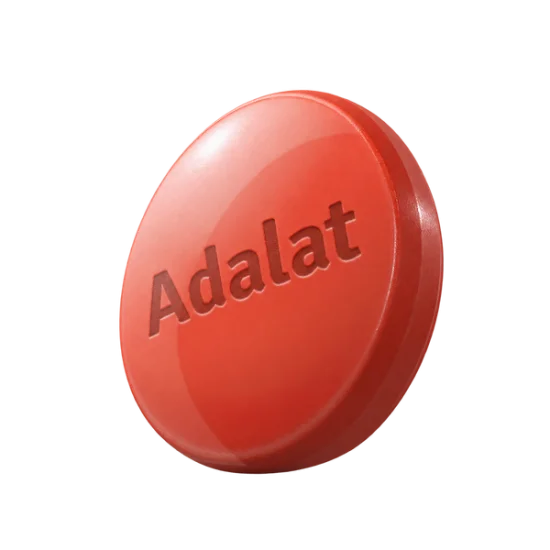
Adalat contains nifedipine, which relaxes blood vessels and reduces resistance against blood flow. It is prescribed for adults with hypertension or angina, where lowering vascular pressure can reduce…
Adalat contains nifedipine, which relaxes blood vessels and reduces resistance against blood flow. It is prescribed for adults with hypertension or angina, where lowering vascular pressure can reduce cardiac workload and chest discomfort.
Product information
Adalat belongs to the calcium-channel blocker class. Its active ingredient, nifedipine, limits the movement of calcium into vascular smooth-muscle cells.
Directions for use
Adalat tablets and release formulations
Adalat is supplied as tablets. Nifedipine products can differ in how quickly the active ingredient is released, so tablets with the same active substance are not automatically interchangeable on a tablet-for-tablet basis.
The prescribed amount per intake is individualised. It may depend on blood-pressure readings, angina symptoms, age, kidney and liver function, other medicines, and how strongly the person responds to vasodilation.
Individual dosing and administration
The correct regimen is selected by the prescriber. Practical principles include:
- Take the tablets at the prescribed interval.
- Use the same timing each day when regular treatment is required.
- Swallow modified-release tablets whole with water.
- Do not crush, chew, or split a modified-release tablet unless the product instructions specifically allow it.
- If a dose is missed, take it when remembered unless the next scheduled dose is near; do not double the next intake.
- Do not stop long-term treatment suddenly without a prescriber’s plan, especially when Adalat is being used for angina or persistent hypertension.
The term “LA” means long-acting. An LA formulation releases nifedipine gradually, helping maintain exposure over a longer period. Immediate-release and extended-release preparations have different pharmacokinetic behaviour, so changing between them requires a deliberate prescribing decision.
One practical mistake causes avoidable problems: chewing a long-acting tablet can release the medicine faster than intended. That may produce a sharper fall in blood pressure, flushing, headache, or palpitations.
The European Medicines Agency explains that modified-release medicines require attention to their release characteristics because altering the dosage form can change drug exposure [2].

Ingredients
Adalat contains nifedipine, a dihydropyridine calcium-channel blocker. Nifedipine limits calcium movement into vascular smooth-muscle cells, helping relax blood vessels and reduce resistance to blood flow.
How it affects the body
This vasodilation lowers systemic vascular resistance. The heart can then pump blood against less pressure, which helps reduce elevated blood pressure. Wider coronary arteries may also improve blood flow to heart muscle in people with stable angina.
The US Food and Drug Administration describes extended-release nifedipine as a treatment that lowers blood pressure through arterial vasodilation [1]. Medsafe also recognises nifedipine as a calcium-channel blocker used in cardiovascular care.
Therapeutic indications
Nifedipine is a dihydropyridine calcium-channel blocker. Its main action is vascular rather than direct suppression of the heart’s electrical conduction. Adalat is used in the management of:
- Hypertension, meaning persistently elevated arterial blood pressure.
- Stable angina, where exertion or stress produces predictable chest discomfort because the heart needs more oxygen than the coronary circulation can provide.
- Some other blood-pressure-related conditions when a prescriber considers nifedipine appropriate.
Generic Adalat refers to treatment based on the same active molecule, nifedipine. The clinical result depends on the formulation, prescribed strength, release pattern, and the patient’s response.
A useful distinction: nifedipine does not remove plaque from arteries. It changes vascular tone, reducing the pressure load on the heart and improving blood-flow conditions.
Common mistakes
Several practical errors can make Adalat appear ineffective or poorly tolerated:
- Taking tablets only when a blood-pressure reading looks high.
- Doubling a missed dose.
- Crushing a long-acting tablet.
- Starting grapefruit juice after treatment has already been stabilised.
- Ignoring ankle swelling because it is painless.
- Treating severe chest pain as a routine side effect.
- Adding a non-prescription decongestant without checking its cardiovascular effects.
- Stopping treatment suddenly after a few normal readings.
- Measuring blood pressure immediately after exercise and using that result to change the regimen.
- Failing to mention a short course of rifampicin, an antibiotic, or an antifungal medicine.
Another common error is comparing a tablet’s strength without considering its release pattern. A long-acting tablet and an immediate-release tablet may contain the same active ingredient while producing different concentration profiles.
If vomiting or diarrhoea prevents reliable tablet use, dehydration may compound the blood-pressure-lowering effect. The prescribing team should be contacted for specific advice when this continues.
Reasons not to use it
This medication is not for you if
- You have had a serious allergic reaction to nifedipine or a tablet component.
- You are in cardiogenic shock, where the heart cannot provide adequate circulation.
- You have severe aortic stenosis and the prescriber considers vasodilation unsafe.
- You are taking rifampicin and no suitable treatment adjustment has been arranged.
- You have unstable or worsening chest pain requiring urgent cardiovascular assessment rather than routine dose adjustment.
- You have very low blood pressure or repeated fainting episodes.
- You are pregnant, planning pregnancy, or breastfeeding and the treatment has not been specifically reviewed.
When this is not for you
Adalat is not suitable for everyone. This medication is not for you if a prescriber has identified a contraindication or a serious interaction that makes nifedipine unsuitable.
Unwanted effects
Nifedipine’s vasodilating action explains many of its common unwanted effects. Headache, flushing, warmth, dizziness, ankle swelling, and palpitations may occur, especially after treatment begins or the regimen changes.
Ankle swelling is caused by fluid movement from small blood vessels into surrounding tissue. It does not always mean that the heart is failing, but new or worsening swelling deserves clinical assessment. Diuretics do not always correct calcium-channel-blocker-related ankle oedema because the underlying mechanism is different.
Other possible effects include:
- Tiredness or weakness.
- Nausea or abdominal discomfort.
- Constipation.
- A faster awareness of the heartbeat.
- Low blood pressure.
- Gum enlargement with longer exposure in susceptible people.
- Skin rash or hypersensitivity.
Serious reactions need urgent medical attention. These include fainting, severe breathing difficulty, swelling of the face or throat, severe chest pain, collapse, or a markedly irregular heartbeat.
A rare but important problem is a sudden worsening of chest pain after an unsuitable formulation or dose change. New, severe, prolonged, or unexplained chest pain should not be managed by taking extra Adalat.
One detail patients often miss: ankle swelling may become more noticeable late in the day and improve overnight. Mentioning this pattern helps a clinician distinguish it from swelling that remains constant or rapidly progresses.
Comparison
Treatment choice depends on the clinical goal rather than the product name alone. Nifedipine mainly relaxes arterial smooth muscle, while other cardiovascular approaches may reduce heart rate, alter fluid balance, or block different hormonal pathways.
| Treatment approach | Main pharmacological effect | Typical clinical role |
|---|---|---|
| Nifedipine calcium-channel blockade | Relaxes arterial smooth muscle | Hypertension and selected forms of angina |
| Beta-blockade | Slows heart rate and reduces cardiac workload | Some angina, rhythm disorders, and selected hypertension cases |
| Renin–angiotensin system blockade | Reduces vasoconstrictor and fluid-retaining signals | Hypertension, heart failure, or kidney protection in suitable patients |
Nifedipine may be useful when arterial pressure is the main issue or when a calcium-channel blocker fits the broader treatment plan. A beta-blocker may be favoured when heart-rate control is also needed. A renin–angiotensin system medicine may suit a person with specific kidney or heart indications.
These categories can sometimes appear in the same treatment plan, but combined blood-pressure effects require monitoring. A lower reading is not always better if it causes faintness, falls, weakness, or reduced kidney perfusion.
What doctors say
In clinical practice, doctors usually assess the trend in blood pressure rather than reacting to one isolated result. Home readings taken under similar conditions can reveal whether control lasts through the day.
A physician may also ask about walking tolerance, chest discomfort, ankle swelling, flushing, headaches, and episodes of near-fainting. These details help separate expected vasodilation from a dose that is too strong or an interaction that has developed.
Adalat reduces vascular resistance, but it does not reverse the causes of hypertension. Salt intake, sleep, kidney disease, thyroid disorders, body weight, alcohol use, and other medicines can still influence blood pressure.
Long-term use can be appropriate when nifedipine continues to control the intended condition and remains well tolerated. Follow-up may include blood-pressure review, symptom assessment, and testing related to other medicines or underlying disease.
A useful clinical point is that symptom improvement and blood-pressure improvement do not always happen together. Angina may become less frequent while blood pressure still needs adjustment, or blood pressure may improve while chest pain signals a different problem.
What customers often ask
Which diet, exercise, or daily habits support Adalat treatment?
Limiting excess sodium, maintaining suitable physical activity, and moderating alcohol can support blood-pressure control alongside prescribed nifedipine. Grapefruit and grapefruit juice may increase nifedipine exposure through CYP3A4 inhibition and should be avoided unless specifically cleared. The World Health Organization’s 2021 hypertension guidance supports dietary sodium reduction and regular activity as part of cardiovascular risk management [4].
Can Adalat cause ankle swelling?
Yes, ankle oedema is a recognised effect of arterial vasodilation with nifedipine. It may be more visible in the evening and can occur without pain, but rapidly increasing swelling, breathlessness, or swelling on one side requires prompt medical assessment. Medsafe’s 2023 cardiovascular medicine information describes peripheral oedema as a possible adverse effect of nifedipine.
Which condition rules out Adalat?
Cardiogenic shock is a condition in which nifedipine may be unsuitable because the circulation is already severely compromised. Severe low blood pressure, certain forms of aortic stenosis, serious nifedipine allergy, and important interactions such as rifampicin treatment also require exclusion or specialist review. The EMA’s 2022 product information for nifedipine describes these contraindication and warning categories.
Which symptoms mean stopping and seeking urgent medical help?
Severe or persistent chest pain, fainting, collapse, severe shortness of breath, facial or throat swelling, and signs of a severe allergic reaction require urgent medical attention. Do not take extra Adalat to treat new chest pain. The FDA’s 2023 prescribing information identifies serious cardiovascular and hypersensitivity symptoms that need immediate assessment rather than routine self-adjustment.
How long does an Adalat course last, and is long-term use acceptable?
The course length depends on whether treatment is being used for ongoing hypertension, angina, or another cardiovascular indication. Long-term use can be appropriate when blood pressure or symptoms remain controlled and adverse effects are acceptable. Medsafe’s 2023 treatment information supports continued clinical review during chronic cardiovascular therapy, with adjustments based on readings, symptoms, interactions, and organ function.
Do you offer anonymous delivery?
Your order will be securely packed and shipped within 24 hours. This is exactly what your package will look like (images of an actual item sent). It has the size and look of a regular private letter (24x11x0.7 cm) and its contents cannot be seen.
Comparison
Adalat Current
Azor
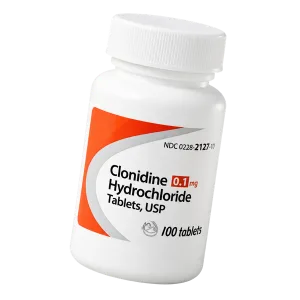
Clonidine
Grapefruit, diet, exercise, and daily habits
A balanced diet supports blood-pressure management, while high sodium intake can make control more difficult. Regular moderate exercise can support cardiovascular health when it is appropriate for the person’s condition. Anyone with exertional chest pain should follow an agreed activity plan rather than increasing exercise suddenly.
Helpful habits include:
- Keeping sodium intake moderate.
- Maintaining regular physical activity suited to cardiovascular status.
- Recording home blood-pressure readings at consistent times.
- Taking tablets consistently rather than reacting to a single home reading.
The World Health Organization links sodium reduction, appropriate physical activity, and cardiovascular risk management with improved blood-pressure control [3].
How Buyers Rate Adalat
Based on 4 reviews
Upper Hutt, used Adalat as part of treatment for high blood pressure. He reported mild flushing during the first week and occasional headaches after taking a dose. The symptoms settled, but he found that taking the tablet at a consistent time made the routine easier.
Upper Hutt The first week 30 Oct 2026Whangārei, had used nifedipine for several weeks when he noticed palpitations after drinking grapefruit juice. The symptoms were uncomfortable and led to a treatment review. He stopped the grapefruit product and did not change the tablet amount without medical advice.
Whangārei Several weeks 6 Oct 2026New Plymouth, found the treatment helpful for blood-pressure control but disliked dizziness when standing quickly during the first days. He improved the problem by rising more slowly and keeping track of readings, though he still needed a follow-up appointment to review tolerability.
New Plymouth The first days 18 Oct 2026Sources
- U.S. Food and Drug Administration (2023). ADALAT CC (nifedipine) extended-release tablets prescribing information.
- European Medicines Agency (2022). Summary of Product Characteristics for nifedipine-containing medicines.
- World Health Organization (2021). Guideline for the pharmacological treatment of hypertension in adults.
- Medsafe (2023). Nifedipine: New Zealand medicine data and safety information.