Skip to content
In stock Benicar
Hypertension

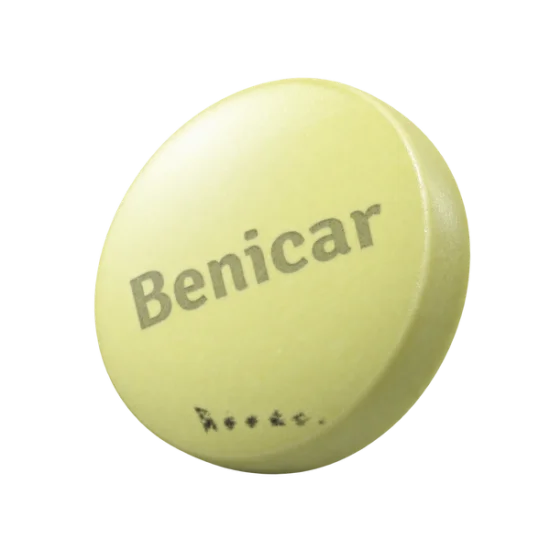
Benicar

High blood pressure requires long-term control to lower the risk of stroke, heart disease, and kidney damage. Benicar contains olmesartan medoxomil, an angiotensin II receptor blocker (ARB)…

Guaranteed quality Original product
Delivery: from 4 days Discreet shipping
24/7 Support Always available
Active ingredient: Olmesartan medoxomil
Select dosage:
Select pack Package Per unit Price
$ 4.11 $ 246.84
$ 3.55 $ 370.26 $ 319.77 Save 14%
Free Regular Delivery $ 3.18 $ 493.68 $ 381.48 Save 23%
Free Regular Delivery $ 2.84 $ 740.52 $ 510.51 Save 31%
Free Express Delivery $ 2.62 $ 1,110.78 $ 706.86 Save 36%
Best value Free Express Delivery $ 2.51 $ 1,481.04 $ 903.21 Save 39%
$ 5.42 $ 162.69
$ 4.27 $ 325.38 $ 256.19 Save 21%
$ 3.93 $ 488.07 $ 353.43 Save 28%
Free Regular Delivery $ 3.72 $ 650.76 $ 446.93 Save 31%
Free Express Delivery $ 3.53 $ 976.14 $ 635.80 Save 35%
Free Express Delivery $ 3.41 $ 1,464.21 $ 921.91 Save 37%
Best value Free Express Delivery $ 3.33 $ 1,952.28 $ 1,200.54 Save 39%
$ 6.36 $ 190.74
$ 5.08 $ 381.48 $ 304.81 Save 20%
Free Regular Delivery $ 4.68 $ 572.22 $ 420.75 Save 26%
Free Regular Delivery $ 4.46 $ 762.96 $ 534.82 Save 30%
Free Express Delivery $ 4.24 $ 1,144.44 $ 762.96 Save 33%
Best value Free Express Delivery $ 4.11 $ 1,716.66 $ 1,108.91 Save 35%

Free delivery on orders from $ 374.00, free express delivery from $ 561.00

Secure payment methods:
VISA AMEX JCB DISCOVER

High blood pressure requires long-term control to lower the risk of stroke, heart disease, and kidney damage. Benicar contains olmesartan medoxomil, an angiotensin II receptor blocker (ARB) prescribed for adults with hypertension. It relaxes blood vessels, helping blood move through the circulation with less pressure.

Product information

Benicar contains olmesartan medoxomil, which the body converts to the active compound olmesartan. Olmesartan belongs to the ARB class.

Directions for use

Benicar tablets are taken by mouth. The dose is decided individually, taking age, other medicines, kidney function, liver function, fluid status, and other health conditions into account. A prescriber may adjust the dose after reviewing blood-pressure readings and tolerability.

Practical administration points include:

  • Take the tablet at the prescribed frequency.
  • Swallow it with water.
  • Take it at a consistent time each day.
  • Continue treatment for as long as the prescriber directs.
  • Do not take extra tablets to compensate for a missed dose.
  • If the next scheduled dose is near, skip the forgotten dose and return to the usual schedule.

A home blood-pressure record can help a clinician assess the response. Recordings are more useful when taken under similar conditions, such as after several minutes of quiet sitting rather than immediately after exercise, caffeine, or an argument.

The product information reviewed by Medsafe describes individual dose selection and monitoring for blood-pressure response [3]. A person with vomiting, diarrhoea, heavy sweating, or poor fluid intake may become more vulnerable to dizziness or kidney strain while taking a blood-pressure medicine.

If a dose is forgotten, avoid doubling the next tablet. A simple phone reminder or linking the dose with an established morning or evening routine can prevent repeated missed doses.

Ingredients

Benicar contains olmesartan medoxomil, which the body converts to olmesartan. Olmesartan is an angiotensin II receptor blocker (ARB) that helps relax blood vessels and supports lower blood pressure. The tablets are taken by mouth as prescribed for hypertension.

How it affects the body

Benicar contains olmesartan medoxomil, which the body converts to the active compound olmesartan. ARBs block the action of angiotensin II, a hormone that narrows blood vessels and promotes sodium retention.

When angiotensin II cannot activate its main receptor, the arteries remain more relaxed. This lowers resistance within the circulation and reduces the workload placed on the heart. The kidney also receives a different hormonal signal, which can reduce aldosterone-driven retention of sodium and water.

Olmesartan does not lower blood pressure by slowing the heart in the same way as a beta-blocker. Its primary action is hormonal: it interrupts angiotensin II signalling at the blood-vessel receptor. The United States Food and Drug Administration describes olmesartan medoxomil as an angiotensin II receptor antagonist used to reduce elevated blood pressure [1].

A useful detail for daily routines: Benicar works through sustained receptor blockade, so taking it at a consistent time helps maintain a regular treatment pattern even when the person feels well.

Therapeutic indications

Benicar is prescribed for hypertension, also called high blood pressure. Hypertension often causes no clear symptoms, yet persistent elevation places mechanical stress on arteries and organs. Treatment aims to reduce that pressure over time rather than provide a short-term sensation of relief.

Long-term uncontrolled hypertension can contribute to:

  • Stroke caused by damage to brain blood vessels
  • Coronary heart disease and heart failure
  • Progressive kidney impairment
  • Enlargement of the heart muscle
  • Damage to the retina and other small blood vessels

Olmesartan lowers one important driver of vascular stress: excessive angiotensin II activity. Blood-pressure treatment does not remove every cardiovascular risk, and the size of risk reduction depends on the person’s baseline pressure, kidney function, diabetes status, smoking history, cholesterol level, and treatment adherence.

Hypertension-related problem Role of blood-pressure control
Stroke Lower arterial pressure reduces stress on cerebral vessels
Heart disease Reduced vascular resistance lowers cardiac workload
Kidney damage Sustained pressure control helps limit pressure-related renal injury

The World Health Organization identifies blood-pressure control as a central strategy for reducing cardiovascular and kidney complications. Benicar supports that goal when used as part of an individually selected treatment plan [2].

Blood pressure may improve before a person notices any change. That is normal. The absence of symptoms does not show that treatment is unnecessary.

Common mistakes

Several avoidable habits can make blood-pressure treatment appear less useful:

  • Taking tablets only when a high reading occurs
  • Doubling the next dose after forgetting one
  • Stopping treatment after several normal readings
  • Using frequent anti-inflammatory painkillers without discussing kidney risks
  • Taking potassium supplements without accounting for other medicines
  • Measuring blood pressure immediately after exercise or caffeine
  • Ignoring ongoing diarrhoea or repeated dizziness
  • Changing the dose without a clinical review

Another overlooked issue is dehydration. Vomiting, diarrhoea, fever, intense exercise, or hot-weather fluid loss can make the usual dose feel stronger because the circulating volume has fallen.

Keep a short record of blood-pressure readings, missed doses, dizziness, diarrhoea, and new medicines. This gives the prescriber more useful information than a single clinic reading.

Tablets should not be shared with another person who has high blood pressure. The same symptom can arise from different conditions, and the suitable dose depends on kidney function, age, other medicines, and overall health.

Reasons not to use it

Benicar is not suitable for everyone. This medication is not for you if you have had a serious allergic reaction to olmesartan or another component of the tablet. It is also not suitable during pregnancy because medicines that block the renin–angiotensin system can harm the developing fetus, especially during later pregnancy.

Extra caution is needed with:

  • Reduced kidney function
  • Narrowing of both renal arteries
  • High blood potassium
  • Significant dehydration
  • Severe liver impairment
  • A history of severe intestinal symptoms during olmesartan treatment

Important interactions include:

  • Aliskiren: combining it with Benicar can increase the risk of low blood pressure, high potassium, and kidney impairment, especially in people with diabetes or reduced renal function.
  • ACE inhibitors: dual blockade of the renin–angiotensin system can increase kidney and potassium complications.
  • Potassium supplements and potassium-sparing diuretics: these may raise blood potassium excessively.
  • Non-steroidal anti-inflammatory drugs: regular use may reduce blood-pressure control and increase kidney stress, especially during dehydration.
  • Lithium: ARBs may increase lithium concentrations and toxicity risk.
  • Bile-acid sequestrants: these can reduce absorption if taken too close to olmesartan.

The European Medicines Agency highlights the fetal risk associated with renin–angiotensin system blockers and the need for caution with medicines that affect kidney function or potassium balance [5].

When this is not for you

Do not use Benicar if you have previously had a serious allergic reaction to olmesartan or one of the tablet’s ingredients, or if you are pregnant. Speak with a clinician before taking it if you have kidney or liver problems, high potassium, dehydration, narrowing of the kidney arteries, or severe intestinal symptoms linked to olmesartan. Your medicine list also needs review if it includes aliskiren, ACE inhibitors, potassium products, anti-inflammatory painkillers, lithium, or bile-acid sequestrants.

Unwanted effects

Many people tolerate olmesartan without major difficulty. Possible adverse effects include dizziness, headache, fatigue, diarrhoea, and changes in kidney function. Dizziness is more likely when blood pressure falls too quickly, when a person is dehydrated, or when several blood-pressure medicines are combined.

Olmesartan has also been associated with a rare sprue-like enteropathy. This may cause persistent, severe diarrhoea, weight loss, abdominal discomfort, or dehydration. Symptoms can begin after prolonged treatment rather than immediately after the first tablet. The FDA safety information describes this rare intestinal reaction and the need to assess ongoing gastrointestinal symptoms [4].

Seek prompt medical assessment for:

  • Facial, lip, tongue, or throat swelling
  • Difficulty breathing or swallowing
  • Severe fainting or confusion
  • Persistent watery diarrhoea with weight loss
  • Markedly reduced urination
  • Severe weakness or irregular heartbeat

One practical nuance is that diarrhoea can create two problems at once: it may signal a rare intestinal reaction, and it can also reduce circulating fluid volume. That combination can increase the risk of kidney injury and low blood pressure.

Persistent diarrhoea should not be treated as an ordinary stomach upset when olmesartan is involved. The duration, weight change, and hydration status are clinically relevant details to report promptly.

Some people notice light-headedness after the first doses or after a dose increase. Rising slowly from bed, maintaining ordinary fluid intake, and avoiding sudden strenuous activity can reduce falls while the response is being assessed.

Comparison

Benicar belongs to the ARB class. Other blood-pressure medicines act through different physiological pathways, so one class may suit a particular clinical situation better than another.

Treatment category Main action Common clinical role
ARB such as Benicar Blocks angiotensin II receptors Hypertension, especially when renin–angiotensin signalling is a treatment target
ACE inhibitor Reduces formation of angiotensin II Hypertension and selected heart or kidney conditions
Beta-blocker Reduces sympathetic cardiac stimulation Selected heart-rate, rhythm, angina, or post-heart-attack situations
Calcium-channel blocker Relaxes arterial smooth muscle or slows conduction Hypertension, angina, and some rhythm disorders

ARBs are often considered when an ACE inhibitor causes a persistent dry cough. They can still raise potassium or affect kidney function, so changing classes does not remove the need for monitoring.

Beta-blockers may be useful when a person also has a fast heart rate, angina, or a specific rhythm disorder. They are not interchangeable with Benicar because they do not block angiotensin II receptors. An ACE inhibitor may be selected for certain heart-failure or kidney-protection strategies, while an ARB may be preferred when cough limits ACE-inhibitor use.

A clinician chooses the class according to the condition being treated, not only the blood-pressure reading.

What doctors say

In clinical practice, doctors often judge Benicar by the blood-pressure pattern over several days or weeks rather than by one isolated reading. A single high result can follow poor sleep, pain, caffeine, stress, or an incorrect measurement technique.

A prescriber will usually consider:

  • Repeated seated blood-pressure readings
  • Kidney function and electrolyte results
  • Other medicines and supplements
  • Episodes of dizziness or fainting
  • Pregnancy potential or pregnancy status
  • Evidence of heart, vascular, or kidney disease

The main advantage of an ARB is targeted interruption of angiotensin II signalling without the dry cough commonly associated with ACE inhibitors. The main limitations are the possibility of high potassium, kidney-function changes, low blood pressure, and rare intestinal injury.

“Feeling normal” is not a reliable reason to stop an antihypertensive. High blood pressure is often silent, and the protective value of treatment depends on continued control.

What customers often ask

How does Benicar differ from an ACE inhibitor?

Benicar blocks angiotensin II receptors, while an ACE inhibitor reduces the formation of angiotensin II. Both approaches reduce activity in the renin–angiotensin system and can lower blood pressure. The 2023 NICE hypertension guidance recognises both ARBs and ACE inhibitors as important treatment classes, with the choice influenced by age, diabetes status, tolerability, and clinical history. ARBs are often chosen when an ACE inhibitor causes troublesome cough.

What should I do after missing a Benicar dose?

Take the missed tablet when remembered unless the next scheduled dose is close. If the next dose is near, skip the forgotten tablet and resume the ordinary schedule. Do not take two tablets together to compensate. Medsafe patient-safety advice from 2024 supports avoiding double doses after a missed antihypertensive tablet, because an excessive dose may cause dizziness or fainting.

Can Benicar be used by people under 18?

Benicar is not routinely used for children or adolescents unless a specialist has selected it for that patient. The dose and monitoring requirements differ from adult treatment, especially when kidney disease, dehydration, or other medicines are present. The FDA paediatric prescribing information available in 2023 describes age-specific use rather than treating adult dosing as interchangeable with younger patients. A child should not use an adult’s tablets.

Can Benicar cause dizziness?

Yes, dizziness can occur, especially when treatment begins, after a dose adjustment, during dehydration, or when other blood-pressure medicines are added. The 2024 Medsafe datasheet identifies dizziness and hypotension as clinically relevant tolerability concerns. Sit or lie down if light-headedness develops, and seek urgent help for fainting, severe weakness, breathing difficulty, or swelling of the face and throat.

Can Benicar be combined with potassium supplements?

Potassium supplements, potassium-containing salt substitutes, and potassium-sparing diuretics can increase blood potassium when combined with Benicar. The WHO 2023 hypertension guidance supports medication review when multiple agents affect blood pressure, kidney function, or electrolytes. A clinician may need to monitor kidney function and potassium after a combination is started or changed. Do not add a potassium product without accounting for the full medicine list.

What happens if Benicar is stopped, and does it need tapering?

Stopping Benicar can allow blood pressure to rise again because the underlying hypertension remains present. ARBs do not usually require a gradual taper to prevent a classic withdrawal syndrome, but abrupt stopping can remove blood-pressure control and may increase cardiovascular risk over time. The 2022 European Society of Hypertension guidance recommends maintaining a planned treatment strategy rather than stopping antihypertensive therapy after isolated normal readings. A prescriber may replace Benicar with another treatment or adjust the regimen when discontinuation is necessary. Follow-up blood-pressure checks can confirm that the replacement regimen is working.

Do you offer anonymous delivery?

Your order will be securely packed and shipped within 24 hours. This is exactly what your package will look like (images of an actual item sent). It has the size and look of a regular private letter (24x11x0.7 cm) and its contents cannot be seen.

Comparison

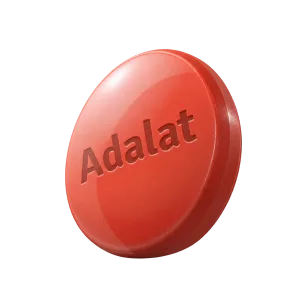
Adalat

Active ingredient: Nifedipine
20mg 30mg 10mg
From $ 158.95
pills
4 (4)

Azor

Active ingredient: Olmesartan medoxomil
20mg5mg 40mg5mg
From $ 224.40
pills
4.3 (5)

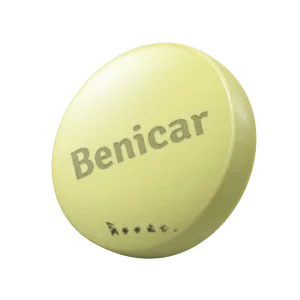
Benicar Current

Active ingredient: Olmesartan medoxomil
10mg 20mg 40mg
From $ 162.69
pills
4 (3)

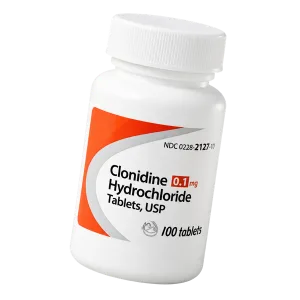
Clonidine

Active ingredient: Clonidine
0.1mg
From $ 145.86
pills
3.8 (5)

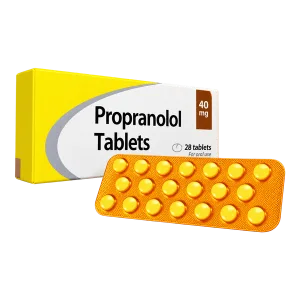
Propranolol

Active ingredient: Propranolol
40mg 80mg
From $ 147.73
pills
3.7 (3)

How the medicines for Hypertension compare

How Buyers Rate Benicar

Based on 3 reviews

Stephen, 65 Verified
Rating: 5 out of 5

I used Benicar for several months and my home readings became much steadier. I liked that it fitted into my morning routine without making me feel slowed down during the day.

Dunedin Several months 22 Nov 2026
Gareth D., 47 Verified
Rating: 2 out of 5

It did not suit me as well as I hoped. I felt light-headed during the first part of treatment, and the readings were still inconsistent, so I stopped after speaking with my doctor and reviewed other options.

Invercargill The first part of treatment 25 Oct 2026
Alan, 43 Verified
Rating: 5 out of 5

My readings gradually improved after I started taking the tablets consistently. I kept a notebook beside the blood-pressure monitor, and that made it easier to see the benefit over time.

New Plymouth 8 Nov 2026

Sources

  1. U.S. Food and Drug Administration (2023). BENICAR (olmesartan medoxomil) tablets, prescribing information.
  2. World Health Organization (2023). Guideline for the pharmacological treatment of hypertension in adults.
  3. Medsafe (2024). Olmesartan medoxomil: New Zealand data sheet.
  4. U.S. Food and Drug Administration (2013). Olmesartan medoxomil: Drug Safety Communication — sprue-like enteropathy.
  5. European Medicines Agency (2019). Angiotensin II receptor antagonists: product information and safety considerations.
Get our free app Shop faster and track your orders 3.9 · 521 reviews Install