Skip to content
In stock Zofran
Nausea and Vomiting

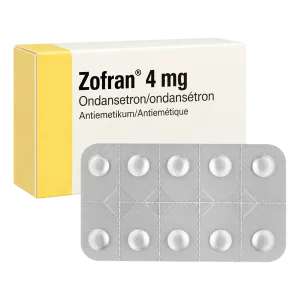
Zofran

People use Zofran to prevent nausea and vomiting in selected clinical situations. Zofran contains ondansetron, a 5-HT3 receptor antagonist that blocks serotonin signals involved in vomiting.

Guaranteed quality Original product
Delivery: from 4 days Discreet shipping
24/7 Support Always available
Active ingredient: Ondansetron
Select dosage:
Select pack Package Per unit Price
$ 1.93 $ 173.91
$ 1.75 $ 231.88 $ 209.44 Save 10%
$ 1.54 $ 347.82 $ 276.76 Save 20%
Free Regular Delivery $ 1.39 $ 521.73 $ 375.87 Save 28%
Best value Free Regular Delivery $ 1.32 $ 695.64 $ 474.98 Save 32%
$ 2.90 $ 173.91
$ 2.68 $ 260.87 $ 241.23 Save 8%
$ 2.54 $ 347.82 $ 304.81 Save 12%
Free Regular Delivery $ 2.41 $ 521.73 $ 433.84 Save 17%
Free Express Delivery $ 2.32 $ 782.60 $ 626.45 Save 20%
Best value Free Express Delivery $ 2.27 $ 1,043.46 $ 817.19 Save 22%

Free delivery on orders from $ 374.00, free express delivery from $ 561.00

Secure payment methods:
VISA AMEX JCB DISCOVER

People use Zofran to prevent nausea and vomiting in selected clinical situations. Zofran contains ondansetron, a 5-HT3 receptor antagonist that blocks serotonin signals involved in vomiting.

Product information

It is used for adults and children when a clinician identifies an appropriate cause, such as treatment-related nausea or postoperative sickness. Zofran contains ondansetron, an antiemetic medicine used to prevent or reduce nausea and vomiting.

Directions for use

  • Dose: The amount per intake is set individually by a clinician; no single dose in mg or ml is established in the available information.
  • Frequency: Take it only as prescribed for the relevant clinical situation; the number of doses per day is not established here.
  • Timing: Use it at the time directed for treatment-related nausea, radiotherapy, surgery, anaesthesia, or another suitable indication; meal timing is not established here.
  • Duration: Continue for the period prescribed for the relevant indication; no standard duration is established here.
  • Route: Take the pills by mouth as directed.
  • Do not take extra pills because nausea continues. If vomiting persists, especially with signs of dehydration or other severe symptoms, seek prompt medical attention.

Ingredients

Zofran contains ondansetron, an antiemetic medicine used to prevent or reduce nausea and vomiting. Ondansetron does not treat every cause of vomiting or remove the underlying illness, so the reason for nausea still needs clinical assessment.

Chemotherapy, radiotherapy, and surgery are recognised settings in which ondansetron may be prescribed. A clinician selects the regimen according to the treatment causing nausea, the patient’s age, liver function, other medicines, and cardiac risk. Medsafe product information identifies ondansetron as a selective 5-HT3 receptor antagonist [1].

Ondansetron pharmacological class

An antiemetic is a medicine that helps prevent or control nausea and vomiting. Ondansetron works mainly by blocking serotonin activity at 5-HT3 receptors in the gut and nervous system. In plain language, it reduces one of the chemical signals that can trigger the vomiting reflex.

The effect can be useful even when nausea is expected from a medical treatment. It does not replace fluids, correct an intestinal blockage, treat infection, or diagnose abdominal pain.

How it affects the body

Ondansetron is a 5-HT3 receptor antagonist. It blocks serotonin activity at 5-HT3 receptors in the gut and nervous system, reducing chemical signals that can trigger the vomiting reflex.

Therapeutic indications

Clinical uses of Zofran

Zofran may be prescribed for nausea associated with:

  • Chemotherapy
  • Radiotherapy
  • Surgery or anaesthesia
  • Other situations judged suitable by a prescriber

Persistent vomiting needs assessment when it occurs with blood, severe abdominal pain, confusion, fainting, a severe headache, neurological symptoms, or signs of dehydration. Minimal urination, marked weakness, a dry mouth, and inability to keep fluids down require prompt medical attention.

Feeling less nauseated does not prove that dehydration has been corrected. Continue the fluid-replacement plan provided by the treating clinician, and seek urgent assessment if fluids will not stay down.

Zofran and motion sickness

Zofran is not generally the first-choice treatment for motion sickness. Motion sickness involves signals from the inner-ear balance system, vision, and the brain, while ondansetron mainly blocks serotonin-mediated vomiting pathways.

Cause of nausea Treatment consideration Medical review trigger
Motion sickness Inner-ear balance signals may require a different treatment approach Recurrent, severe, or disabling episodes
Treatment-related nausea Ondansetron may be prescribed within a planned regimen Poor control despite prescribed treatment
Gastroenteritis-related vomiting Fluids and assessment of infection or dehydration remain central Blood, severe pain, confusion, or inability to drink

Persistent vomiting, fainting, severe headache, neurological symptoms, or very low urine output need medical assessment rather than repeated antiemetic doses.

Common mistakes

  • Confusing the tablet strength with the number of tablets to take.
  • Taking an extra dose because nausea has not settled.
  • Switching between a conventional tablet and Zofran Zydis without confirming the administration method.
  • Assuming that a generic tablet has the same inactive ingredients or appearance.
  • Using ondansetron for recurrent motion sickness without assessing the cause.
  • Sharing antiemetic tablets with another person.
  • Forgetting to mention tramadol, carbamazepine, rifampicin, apomorphine, or rhythm medicines.
  • Treating reduced nausea as proof that dehydration has resolved.
  • Delaying assessment when vomiting is persistent or accompanied by severe pain, blood, confusion, or fainting.
After a substitution, confirm the tablet strength and formulation before the first dose. A change in appearance alone does not identify the dose.

Reasons not to use it

Zofran is not suitable for everyone. It should not be used with apomorphine because the combination can cause severe hypotension and loss of consciousness. A person with a previous serious allergic reaction to ondansetron or an ingredient should not take it.

Additional clinical review is needed with:

  • Long QT syndrome or a history of significant rhythm disturbance
  • Heart failure, bradycardia, or other cardiac disease
  • Low potassium or magnesium
  • Moderate or severe liver impairment
  • Medicines that prolong the QT interval
  • Medicines that affect serotonin
  • Pregnancy or breastfeeding
  • A history of seizures or unexplained fainting

Children and adolescents require age-appropriate prescribing. The safety of a regimen under 18 depends on the reason for treatment, body size, formulation, and clinical setting.

When this is not for you

Zofran is NOT for you if you take apomorphine, have had a serious allergic reaction to ondansetron, or have been advised to avoid it by a clinician.

Unwanted effects

Headache, constipation, and dizziness are recognised side effects of ondansetron. The likelihood can vary with the indication, dose, co-medications, and individual health factors. Constipation may become more troublesome when reduced fluid intake, reduced movement, or other constipating medicines are present.

Medsafe and the FDA identify important cardiac and interaction precautions for ondansetron [2].

Common side effects

Possible effects include:

  • Headache
  • Constipation
  • Dizziness
  • A feeling of warmth or flushing
  • Fatigue or unusual tiredness

Dizziness can increase the risk of a fall, especially after surgery or when dehydration is present. Sitting down before standing may help identify whether light-headedness is temporary, but fainting or persistent dizziness requires prompt assessment.

Clinically relevant interactions

A medication review is needed before combining ondansetron with:

  • Apomorphine, which should not be combined with ondansetron because of the risk of profound low blood pressure and loss of consciousness.
  • Carbamazepine or rifampicin, which may alter ondansetron exposure.
  • Tramadol, because the combination may affect pain control and serotonin-related risk.
  • Other medicines that prolong the QT interval.
  • Other medicines that increase serotonin activity.

Do not stop a prescribed medicine independently. A pharmacist or prescriber should assess the complete combination and decide whether changes are needed.

Heart-rhythm and serotonin risks

QT prolongation means that the heart takes longer to electrically reset between beats. In a susceptible person, this can contribute to an abnormal rhythm. Risk is higher with some heart conditions, low potassium, low magnesium, bradycardia, liver impairment, or combinations with other QT-prolonging medicines.

Urgent symptoms include fainting, rapid or irregular heartbeat, chest discomfort, or severe dizziness. Serotonin toxicity is uncommon but may involve agitation, confusion, fever, sweating, muscle stiffness, tremor, or seizures, especially when several serotonin-active medicines are combined.

Dehydration and electrolyte concerns

Severe vomiting or diarrhoea can cause dehydration and electrolyte imbalance. Ondansetron may reduce the urge to vomit while the fluid deficit continues. Reduced urination, confusion, marked weakness, rapid heartbeat, or inability to keep fluids down warrants urgent assessment.


Comparison

Generic ondansetron equivalence

The active ingredient determines the main pharmacological action. Excipients can affect taste, colour, coating, or tolerability without changing the active drug. A pharmacist can review a proposed substitution when the strength or formulation changes.

What doctors say

In clinical practice, the first task is identifying why the patient is vomiting. A medicine that reduces the vomiting reflex may improve comfort, yet persistent abdominal pain, blood, neurological symptoms, or dehydration can signal an illness requiring separate treatment. The indication guides the treatment plan. Age and organ function also affect prescribing. Follow-up depends on symptom control and hydration.

Prescribers also review cardiac history, electrolytes, liver function, and interacting medicines before increasing ondansetron exposure. The New Zealand Formulary provides prescribing information for medicine selection and safety review in New Zealand [3].

A common practical error is judging success only by whether vomiting stops. Fluid intake, urine output, alertness, pain, and the duration of symptoms also matter. If nausea continues despite the prescribed regimen, repeating doses without review may delay diagnosis and increase adverse-effect risk.

What customers often ask

Can Zofran be taken with food or on an empty stomach?

Ondansetron tablets can generally be taken with or without food when prescribed for an appropriate indication. Food does not determine whether the medicine is suitable, and the prescribed timing remains the controlling instruction. Medsafe product information supports oral administration according to the clinical regimen, while food should not be used to justify extra doses [4]. Medsafe's 2021 ondansetron information also describes administration within the prescribed regimen.

Is Zofran suitable for people under 18?

Children and adolescents may receive ondansetron in selected clinical settings, but the regimen depends on age, body size, indication, liver function, and formulation. A child should not be given an adult’s tablets without an age-appropriate prescription. WHO guidance on paediatric medicines supports weight- and age-sensitive prescribing rather than applying one adult schedule to every child [5]. The World Health Organization's 2010 paediatric medicines guidance also supports age-appropriate dosing decisions.

How long does a Zofran course last, and is long-term use acceptable?

The course can be a single planned dose, several doses around a treatment session, or another duration selected for the underlying condition. Long-term or repeated use needs clinical review because ongoing nausea may signal an untreated illness, dehydration, constipation, or an interacting medicine. Medsafe information describes indication-specific dosing rather than one universal course length. Medsafe's 2021 ondansetron information likewise presents dosing according to the clinical indication.

Can alcohol be used while taking Zofran?

Alcohol may worsen dizziness, impaired alertness, dehydration, or stomach upset while nausea is present. It can also make it harder to judge whether symptoms are improving. The FDA ondansetron label advises attention to central nervous system effects and individual tolerability; avoiding alcohol during active vomiting or dizziness is the safer practical choice. The U.S. Food and Drug Administration's 2023 label also supports reviewing individual tolerability.

What should happen if the expected result does not come?

Do not keep adding tablets when nausea or vomiting continues. Contact the prescriber or pharmacist for advice, especially if fluids will not stay down, urine output falls, pain becomes severe, or blood appears. Persistent symptoms require assessment of the underlying cause rather than automatic escalation of ondansetron. Medsafe's 2021 ondansetron information supports clinical review when the prescribed regimen does not control symptoms.

Can a Zofran tablet or capsule be split, crushed, or chewed?

A conventional tablet should not be crushed or chewed unless the specific product instructions permit that method. An orally disintegrating Zofran Zydis formulation is handled differently and is placed on the tongue. Altering a formulation can affect administration, taste, dose delivery, or swallowing safety, so the correct method should be confirmed before use. Medsafe's 2021 product information distinguishes administration instructions for different ondansetron formulations.

What is the best time of day to take Zofran?

There is no universal best time of day because timing depends on the cause of nausea and the treatment schedule. It may be planned before chemotherapy, radiotherapy, surgery, or another anticipated trigger. Take it at the prescribed time, and contact the clinical team if nausea breaks through or symptoms occur outside the expected treatment window. Medsafe's 2021 ondansetron information also ties timing to the prescribed clinical regimen.

Do you offer anonymous delivery?

Your order will be securely packed and shipped within 24 hours. This is exactly what your package will look like (images of an actual item sent). It has the size and look of a regular private letter (24x11x0.7 cm) and its contents cannot be seen.

Comparison

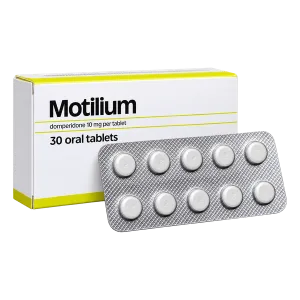
Motilium

Active ingredient: Domperidone
10mg
From $ 143.99
pills
4.1 (4)

Zofran Current

Active ingredient: Ondansetron
4mg 8mg
From $ 173.91
pills
4.4 (4)

How the medicines for Nausea and Vomiting compare

How Buyers Rate Zofran

Based on 4 reviews

Robert G., 62 Verified
Rating: 4 out of 5

I used it after a treatment session when nausea made drinking difficult. The nausea eased within the planned regimen, but constipation became noticeable, so fluids and movement mattered more than I expected.

Nelson Three days 24 Oct 2026
Jessica V., 56 Verified
Rating: 4.5 out of 5

The tablets helped me keep small amounts of fluid down after surgery. I felt a little dizzy when standing, so I moved slowly and mentioned it during the follow-up.

Oamaru Two days 4 Nov 2026
David, 43 Verified
Rating: 4 out of 5

It reduced the vomiting, but the stomach pain continued. I needed another assessment rather than taking more tablets, and that turned out to be the right decision.

Whangārei One episode 11 Nov 2026
Ruth, 28 Verified
Rating: 5 out of 5

The medicine was useful for treatment-related nausea. I found the tablet easier with water, while a previous orally dissolving formulation had a different handling method.

Blenheim Several doses 22 Nov 2026

Sources

  1. Medsafe (2021). Ondansetron data sheet and consumer medicine information.
  2. U.S. Food and Drug Administration (2023). Zofran (ondansetron hydrochloride) prescribing information.
  3. New Zealand Formulary (2025). Ondansetron: prescribing and medicines information.
  4. European Medicines Agency (2022). Ondansetron: summary of product characteristics.
  5. World Health Organization (2010). Model Formulary for Children.
Get our free app Shop faster and track your orders 3.9 · 471 reviews Install