The first night made me sleepy within a reasonable period, and I slept longer than usual. I felt dry-mouthed the next morning, so I kept water beside the bed and did not drive until I knew how it affected me.
Rotorua Short-term use for night-time symptoms 15 Oct 2026Phenergan
Phenergan contains promethazine hydrochloride and is used for allergic symptoms, nausea and travel sickness. It reduces histamine-related symptoms and can cause drowsiness; the regimen for the chosen…
Phenergan contains promethazine hydrochloride and is used for allergic symptoms, nausea and travel sickness. It reduces histamine-related symptoms and can cause drowsiness; the regimen for the chosen strength should be confirmed with a healthcare professional before starting.
Product information
Unlike newer antihistamines designed to cause less sedation, promethazine crosses the blood–brain barrier readily. This explains both its therapeutic action and its tendency to cause sleepiness, slower reactions, dizziness or impaired concentration. The sedative effect can be useful for short-term night-time symptoms, yet it can become a problem during daytime activities.
Directions for use
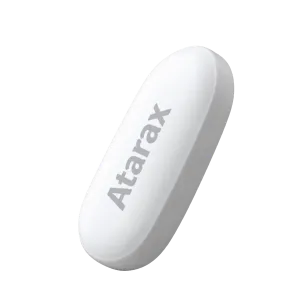
The product sold on this page is Phenergan tablets containing promethazine hydrochloride. The regimen for the chosen strength should be confirmed with a healthcare professional before starting.
- Take the tablet by mouth with water.
- Use the prescribed amount and timing for the condition being treated.
- Do not take extra tablets because nausea, allergy symptoms or poor sleep continue.
- Do not combine the dose with alcohol.
- Avoid driving or machinery work until you know how strongly it affects you.
- If a dose is missed, do not double the next dose. Use the next scheduled dose unless a healthcare professional gives different instructions.
- Swallow the tablet as directed. Do not crush or chew it unless a prescriber or pharmacist has specifically confirmed that this is appropriate for your product.
The chosen strength is not automatically suitable for every adult or every indication. Older adults may be more sensitive to confusion, falls, urinary retention and prolonged drowsiness. Liver disease, breathing problems, glaucoma, epilepsy and prostate-related urinary symptoms can also alter the risk profile.
Ingredients
Phenergan contains promethazine hydrochloride, a phenothiazine-derived first-generation antihistamine. Each tablet strength sold on this page is intended for oral use. Promethazine blocks histamine H1 receptors, which reduces allergic symptoms such as itching, sneezing and runny nose. It also affects pathways in the brain involved in nausea, balance and wakefulness [1].
Unlike newer antihistamines designed to cause less sedation, promethazine crosses the blood–brain barrier readily. This explains both its therapeutic action and its tendency to cause sleepiness, slower reactions, dizziness or impaired concentration. The sedative effect can be useful for short-term night-time symptoms, yet it can become a problem during daytime activities.
Active ingredient profile
Promethazine hydrochloride belongs to the first-generation antihistamine group. It has antihistamine, antiemetic and sedative properties. “Antiemetic” means that it can help reduce nausea and vomiting.
The medicine also has anticholinergic activity. In plain terms, this can reduce secretions and affect vision, bowel movement and bladder function. Dry mouth, blurred vision and constipation can occur for this reason.
How it affects the body
Promethazine is a first-generation antihistamine that blocks histamine H1 receptors, reducing histamine-related symptoms. It also influences brain pathways involved in nausea, balance and wakefulness, while its anticholinergic activity affects secretions, vision, bowel movement and bladder function.
Therapeutic indications
Phenergan is used for several problems in which histamine activity, nausea or excessive wakefulness contributes to symptoms. The appropriate regimen depends on the condition being treated, age, medical history and the selected strength. For the 25 mg tablets, the regimen should be confirmed with a healthcare professional before starting.
Common therapeutic uses include:
- Allergies: Promethazine may relieve itching, sneezing, runny nose and other histamine-related symptoms.
- Travel sickness: Its effect on balance-related signalling can help prevent or reduce motion sickness.
- Nausea and vomiting: The antiemetic action may help with nausea from selected causes.
- Short-term insomnia: Sedation may support temporary sleep problems, rather than ongoing treatment of chronic insomnia.
A sedating antihistamine does not correct every cause of poor sleep. Pain, depression, anxiety, sleep apnoea, restless legs syndrome, shift work and stimulant use may require different approaches. Using a sedating tablet night after night can also make it harder to judge the original cause of insomnia.
Phenergan should not be used to make a child sleepy. Sedating antihistamines can produce unusual agitation or excitation in some children instead of calmness. Age restrictions and paediatric dosing require individual clinical assessment.
Common mistakes
- taking another tablet because sleep has not occurred quickly;
- using Phenergan with wine or spirits;
- driving the next morning despite residual drowsiness;
- combining it with an opioid, benzodiazepine or another sleep aid;
- treating persistent insomnia without investigating anxiety, pain, sleep apnoea or restless legs;
- assuming a lower body weight or older age does not affect sensitivity;
- forgetting to mention non-prescription medicines and supplements;
- taking it late at night before an early morning drive;
- using it for a child’s sleep without a clinician’s direction;
- stopping attention to symptoms because nausea temporarily improves.
One commonly missed detail concerns anticholinergic effects. A person may describe blurred vision as an eye problem and forget that the timing began after promethazine. Another is urinary retention: difficulty passing urine after a sedating antihistamine needs prompt medical advice, especially in someone with prostate symptoms.
Reasons not to use it
Phenergan may not be for you if you have breathing problems, glaucoma, urinary retention, seizure risk or a history of severe reactions to phenothiazines. It should be avoided or assessed carefully in the following situations:
- previous allergy to promethazine or related phenothiazine medicines;
- severe breathing impairment or an acute asthma attack;
- coma or marked central nervous system depression;
- narrow-angle glaucoma;
- difficulty passing urine or significant prostate enlargement;
- epilepsy or a history of seizures;
- severe liver disease;
- older age with a history of falls or confusion;
- suspected sleep apnoea;
- use in young children unless specifically directed by a clinician.
Do not take Phenergan with alcohol. Alcohol can intensify sedation, impair coordination and increase the risk of dangerously slow breathing. The same concern applies to opioids, benzodiazepines, sleeping medicines, sedating antidepressants, sedating antipsychotics and other medicines that depress the central nervous system.
Monoamine oxidase inhibitors, or MAOIs, may intensify the anticholinergic and central nervous system effects of promethazine. A prescriber needs to review the timing of treatment before Phenergan is started. Tell the clinician about prescribed medicines, over-the-counter products and supplements rather than relying on brand names alone.
When this is not for you
Phenergan is not suitable for everyone. It should not be used to make a child sleepy. Sedating antihistamines can produce unusual agitation or excitation in some children instead of calmness.
Unwanted effects
Drowsiness is common. Dry mouth can occur. Vision may blur. Dizziness is also possible. These effects arise from central sedation and anticholinergic activity, and they can be more pronounced when Phenergan is combined with alcohol, sleeping tablets, opioid pain medicines or other sedating substances [2].
Other possible effects include:
- reduced concentration or slower reaction time;
- headache;
- constipation;
- nausea or stomach discomfort;
- difficulty passing urine;
- increased sensitivity to sunlight;
- confusion or unusual agitation, especially in older people;
- palpitations or changes in blood pressure.
Dry mouth may improve with frequent sips of water and sugar-free gum, provided chewing gum is suitable for you. Blurred vision and dizziness require more caution: do not drive while these effects are present. Standing up slowly may reduce light-headedness, especially after lying down.
A rare but urgent reaction may involve severe breathing difficulty, facial or throat swelling, fainting, marked confusion, uncontrolled movements, severe muscle stiffness or a seizure. Seek urgent medical help if these occur. Excessive sleepiness after combining Phenergan with alcohol, opioids or another sedative can also be an emergency.
One practical detail is easy to miss: drowsiness may continue into the next morning even when the tablet was taken the previous evening. Another is that older adults may experience confusion rather than simply feeling sleepy. A third is that blurred vision can make night driving unsafe before the person recognises how impaired they are.
Comparison
Chlorphenamine and diphenhydramine are also first-generation antihistamines, so they share concerns about drowsiness and anticholinergic effects. Switching between sedating antihistamines does not remove those class-related risks. The choice depends on the symptom, age, medical history and interaction profile.
For chronic insomnia, Cognitive Behavioural Therapy for Insomnia is a structured treatment that addresses sleep timing, conditioned wakefulness, unhelpful sleep beliefs and night-time habits. NICE guidance supports behavioural approaches for persistent insomnia rather than relying on sedating antihistamines as a long-term solution [3].
What doctors say
In clinical practice, prescribers usually weigh Phenergan’s useful sedative and anti-nausea effects against its impact on alertness. A doctor will often ask what the medicine is intended to treat, how long symptoms have lasted and whether another medicine could be causing the problem.
For allergy symptoms, a less-sedating antihistamine may be preferred when the person needs to work, drive or study. For short-term night-time symptoms, the sedative effect may be more acceptable, provided there is no alcohol use, breathing disorder or high fall risk.
A prescriber will also consider age, pregnancy, breastfeeding, glaucoma, urinary symptoms, epilepsy, liver function and the complete medicine list. Sleep problems lasting weeks deserve assessment rather than repeated self-treatment. The United Kingdom’s NICE guidance and Medsafe safety information both support careful attention to sedation, interactions and the reason for use [4].
What customers often ask
Can the Phenergan tablet be split, crushed or chewed?
Swallowing the tablet whole with water is the usual approach for oral Phenergan. The product contains promethazine hydrochloride, and altering a tablet can change how it is taken or make accurate dosing more difficult. A 2024 Medsafe data sheet should guide product-specific handling, while a pharmacist or prescriber can confirm whether splitting is suitable for an individual dose [5]. Never crush it into food for a child without explicit clinical instructions.
What should I do if the expected result does not come?
Do not take an additional tablet simply because sleep, nausea or allergy relief has not appeared as expected. Promethazine can cause more sedation without producing the desired result when the underlying problem is different from the target symptom. A clinician can review the diagnosis, timing, interacting medicines and whether the regimen is appropriate. Medsafe guidance from 2024 supports reassessment when symptoms persist or worsen.
Can Phenergan be used during pregnancy or breastfeeding?
Pregnancy and breastfeeding require an individual benefit–risk assessment. Promethazine may cause sedation, and exposure through breast milk may affect an infant, especially a newborn or premature baby. The EMA's 2023 product information supports discussing the treatment choice before use during pregnancy or lactation. Tell the clinician about pregnancy, planned pregnancy and breastfeeding before the regimen is confirmed.
Does Phenergan cause dry mouth?
Yes, dry mouth is a recognised effect of promethazine’s anticholinergic activity. Water, sugar-free gum or sugar-free lozenges may provide relief when appropriate, while persistent mouth dryness can affect teeth and swallowing. The WHO's 2019 medication-safety report describes adverse effects as issues that need consideration alongside symptom relief. If dry mouth occurs with confusion, severe blurred vision or difficulty urinating, seek medical advice promptly.
How does Phenergan differ from a less-sedating antihistamine?
Phenergan is a first-generation antihistamine, so it enters the brain more readily and commonly causes drowsiness. Newer antihistamines are designed to produce less central sedation, although individual responses still vary. The EMA's 2023 pharmacological information distinguishes antihistamine effects according to central nervous system penetration and receptor activity. The more suitable option depends on whether the main goal is allergy relief, nausea control, travel sickness prevention or short-term sedation.
Can Phenergan be combined with other medicines or supplements?
Do not combine Phenergan with alcohol, opioids, benzodiazepines, sleeping tablets or other sedating medicines unless a clinician has specifically reviewed the combination. MAOIs also require special caution because they may intensify promethazine’s central and anticholinergic effects. The WHO's 2019 medication-safety report supports checking the full medicine and supplement list before combining products. Paracetamol does not produce the same sedative interaction, but the total daily amount must still be controlled.
What happens after stopping Phenergan, and does it need tapering?
Short-term use is not normally managed in the same way as long-term medicines that require a planned taper. Stopping after repeated use may reveal the original insomnia, nausea or allergy symptoms, which can feel like a rebound even when it is a return of the underlying problem. NICE guidance from 2022 supports a structured plan for persistent insomnia, including behavioural treatment rather than indefinite antihistamine use. A prescriber should determine whether tapering or a direct stop is appropriate after regular or prolonged use.
Do you offer anonymous delivery?
Your order will be securely packed and shipped within 24 hours. This is exactly what your package will look like (images of an actual item sent). It has the size and look of a regular private letter (24x11x0.7 cm) and its contents cannot be seen.
Comparison
How Buyers Rate Phenergan
Based on 5 reviews
It reduced the queasy feeling on a long trip. The downside was heavy drowsiness, and I would not take it before work or anything needing quick reactions.
Whanganui Short-term use for travel sickness 22 Oct 2026The tablet helped on two difficult nights, but the benefit did not feel as strong when I tried it repeatedly. I also noticed constipation, which was enough reason to discuss another approach.
Ashburton Occasional short-term use 26 Oct 2026I had less itching and slept better. Blurred vision bothered me for several hours, so I stopped driving after taking it and raised the issue at my next appointment.
Levin Short-term use after confirming the regimen 2 Nov 2026It settled the nausea, although I felt slower and more tired than expected. I had taken a drink earlier that evening, and the combination made the sedation worse than I wanted.
Porirua Short-term use for nausea 10 Nov 2026Sources
- Medsafe (2024). Promethazine hydrochloride: New Zealand medicine information and safety information.
- European Medicines Agency (2023). Summary of Product Characteristics (SmPC) — promethazine.
- NICE (2022). Clinical Knowledge Summary: Insomnia.
- New Zealand Formulary (2024). Promethazine: safety, precautions and interactions.
- World Health Organization (2019). Medication Safety in Polypharmacy.