Directions for use
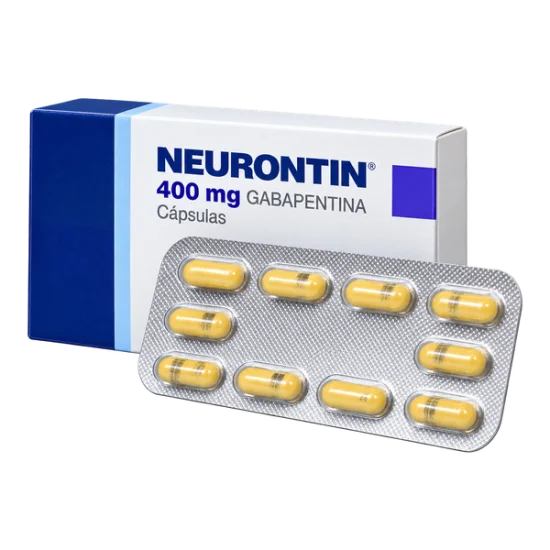
The amount of Neurontin used and how often it is taken depend on the purpose of treatment and are agreed with a doctor or pharmacist. Gabapentin is taken by mouth as a capsule. Treatment commonly begins at a lower dose and is increased gradually when necessary, because sudden exposure to a higher dose can worsen dizziness and drowsiness.
Typical prescribing principles include:
- Take each dose at the agreed times.
- Swallow the capsule with water.
- Use the schedule provided for the specific condition and kidney function.
- Do not double the next dose after forgetting one.
- If a dose is missed, take it when remembered unless the next scheduled dose is close.
- Never stop regular gabapentin abruptly without a planned reduction, especially when it is being used for epilepsy.
A sudden stop can cause withdrawal symptoms and may increase seizure risk in people treated for epilepsy. Possible withdrawal effects include anxiety, insomnia, sweating, nausea, pain, and agitation. A gradual reduction allows the nervous system to adjust.
Keep the dosing times linked to daily routines, such as breakfast and the evening meal, unless the prescribed schedule says otherwise. A written medication record can help when several medicines are taken at different times.
Do not open, crush, or chew the capsule unless a prescriber has supplied a specific alternative administration plan. Altering the dosage form can make accurate dosing more difficult.
How it affects the body
Gabapentin attaches to the alpha-2-delta-1 auxiliary subunit of voltage-gated calcium channels on nerve cells. This changes calcium entry into presynaptic nerve terminals and reduces the release of excitatory neurotransmitters. Excessive neuronal signalling can contribute to seizures and neuropathic pain, so reducing this signalling may calm abnormal nerve activity.
Gabapentin does not work like an opioid. It does not act by stimulating opioid receptors, and it does not produce analgesia through the same pathway as morphine or codeine.
Cellular Interactions and Neurotransmitter Regulation
At the synapse, gabapentin influences voltage-gated calcium channels and limits the release of signalling chemicals involved in neuronal excitation. Research has also examined effects on hyperpolarization-activated cyclic nucleotide-gated channels and astrocytic glutamate transporter-1, though the alpha-2-delta-1 interaction remains the central pharmacological explanation for its clinical use [1].
The result is reduced transmission of excessive electrical activity. That effect can help control partial seizures and can lower the intensity of abnormal pain signals travelling from damaged nerves.
Therapeutic indications
The U.S. Food and Drug Administration recognises Neurontin for adjunctive treatment of partial-onset seizures in adults and children within specified age and dosing ranges. It is also approved for postherpetic neuralgia in adults. Medsafe provides New Zealand medicine information for gabapentin products, while the Mayo Clinic and Cleveland Clinic describe its role in nerve pain and seizure management.
| Clinical use |
What gabapentin is intended to do |
Typical treatment context |
| Partial-onset seizures |
Reduce excessive electrical activity |
Added to an established seizure regimen or prescribed as directed for seizure control |
| Postherpetic neuralgia |
Reduce persistent pain after shingles |
Ongoing treatment of burning, electric, stabbing, or hypersensitive skin pain |
| Other neuropathic pain |
Sometimes considered under specialist direction |
Use depends on the diagnosis, clinical evidence, and local prescribing practice |
Postherpetic neuralgia can continue after the shingles rash has healed. Light touch, clothing, or a bedsheet may feel painful because damaged nerves send amplified signals. Gabapentin targets that abnormal signalling rather than treating the original varicella-zoster infection.
Cochrane reviews have found that gabapentin can provide meaningful pain relief for some adults with chronic neuropathic pain, while response varies considerably between individuals. The medicine may reduce pain intensity without removing every symptom, and treatment can be limited by dizziness or somnolence [2].
The first treatment goal is often practical: better sleep, less burning pain, improved ability to walk, or fewer seizure symptoms. Pain scores alone do not capture every useful change.
Common mistakes
Several avoidable patterns can reduce benefit or increase risk:
- Stopping gabapentin after one sedating dose instead of discussing a slower adjustment.
- Taking an extra capsule because pain has flared.
- Missing doses repeatedly and then taking several capsules close together.
- Drinking alcohol during the first days of treatment.
- Driving before knowing how the medicine affects alertness.
- Forgetting to mention over-the-counter sleep aids or sedating antihistamines.
- Crushing or opening capsules to make them easier to swallow without checking the prescribed formulation.
- Stopping suddenly after long-term use.
- Assuming that pain relief proves the underlying nerve injury has healed.
- Measuring success only by complete pain disappearance.
The extra-dose mistake is common. Gabapentin does not usually provide immediate relief from a sudden pain spike, so taking more than prescribed can increase dizziness without producing a proportional benefit.
Record the time of each dose during the first week and write down sleepiness, balance, pain intensity, and seizure symptoms. This gives the prescriber usable information for a dose decision.
Reasons not to use it
Neurontin is not suitable for a person with a known allergy to gabapentin or any capsule ingredient. Extra caution is needed with reduced kidney function, respiratory disease, a history of substance misuse, advanced age, or medicines that cause sedation.
The combination of gabapentin with opioids can increase profound sedation and respiratory depression. The U.S. Food and Drug Administration issued a safety communication about breathing problems with gabapentinoids, with higher risk in people using opioids, older adults, or those with chronic respiratory disease [3].
Benzodiazepines, sleeping tablets, sedating antihistamines, muscle relaxants, and alcohol can add to drowsiness and impaired coordination. The danger is greater when several sedating substances are combined, when doses are increased rapidly, or when sleep apnoea is present.
Gabapentin has relatively few pharmacokinetic interactions with common medicines. Antacids containing aluminium or magnesium can reduce gabapentin absorption, so separating them by at least two hours is commonly advised in medicine guidance.
Unwanted effects
The most frequent adverse effects involve the central nervous system. Dizziness and drowsiness may appear after starting treatment or after an increase. These symptoms often improve as the body adapts, though persistent impairment needs review.
Common or clinically recognised effects include:
- Dizziness or light-headedness.
- Sleepiness, fatigue, or slowed reactions.
- Unsteady walking or reduced coordination.
- Blurred or double vision.
- Swelling of the hands, ankles, or feet.
- Increased appetite or weight gain.
- Dry mouth.
- Nausea or digestive discomfort.
- Tremor or involuntary movements in some patients.
Weight gain is more likely to matter during longer courses, especially when reduced activity or increased appetite occurs at the same time. Peripheral swelling can also be relevant in people with heart failure or other conditions that cause fluid retention.
One practical detail is easy to miss: the first few days after a dose increase may feel more sedating than the same dose feels later. Driving decisions should be based on actual alertness, not on the assumption that a previously tolerated medicine will feel identical after titration.
If dizziness appears, rise slowly from a chair and avoid ladders or uneven ground until coordination is clear. A fall can be the most serious consequence of an otherwise temporary side effect.
Rare but urgent reactions include severe skin rash, facial or throat swelling, breathing difficulty, marked confusion, unusual bruising, jaundice, or suicidal thoughts. Gabapentin has also been associated with mood changes and suicidal ideation across antiepileptic medicines as a class.
Comparison
Gabapentin is one option among several medicines used for neuropathic pain. The choice depends on the diagnosis, other conditions, kidney and liver function, previous treatment response, and the person’s risk of sedation.
| Treatment category |
Main pharmacological approach |
Practical distinction |
| Gabapentin |
Modulates alpha-2-delta calcium-channel subunits |
Often adjusted gradually; dizziness and sleepiness may limit treatment |
| Pregabalin |
Acts on the same broad calcium-channel target |
More predictable absorption, with similar risks of sedation, swelling, and weight gain |
| Duloxetine or amitriptyline |
Changes monoamine signalling involved in pain control |
May help selected neuropathic pain patterns but can cause nausea, dry mouth, blood-pressure changes, or anticholinergic effects |
Pregabalin is pharmacologically related to gabapentin and may be considered for conditions such as postherpetic neuralgia or diabetic peripheral neuropathy. It generally has more predictable absorption than gabapentin, though that does not make it suitable for every person.
Duloxetine is a serotonin-noradrenaline reuptake inhibitor. It may be useful when neuropathic pain occurs alongside depression or diabetic peripheral neuropathy, but it requires attention to nausea, blood pressure, liver disease, and interactions with other serotonergic medicines.
Amitriptyline is a tricyclic antidepressant that can reduce neuropathic pain at doses lower than those used for depression. Dry mouth, constipation, blurred vision, urinary difficulty, and morning grogginess can be troublesome, especially for older adults.
Extended-release gabapentin formulations use different release and absorption characteristics from standard immediate-release capsules. They should not be substituted on a milligram-for-milligram basis without a prescriber’s direction.
What doctors say
In clinical practice, prescribers usually judge gabapentin by function rather than by a single pain score. Better sleep, fewer night-time shocks, improved walking tolerance, or fewer seizure symptoms may show benefit before pain disappears.
A clinician will normally review:
- The original diagnosis and whether the symptoms fit neuropathic pain.
- Kidney function and age-related sensitivity.
- Dizziness, falls, confusion, and daytime sleepiness.
- Use of opioids, benzodiazepines, alcohol, or other sedatives.
- Weight change and ankle swelling.
- Whether the medicine is still producing a worthwhile benefit.
For epilepsy, consistent timing matters because irregular use can reduce seizure protection. For neuropathic pain, a gradual trial allows the prescriber to balance symptom relief against sedation. NICE guidance lists gabapentin among initial treatment options for several neuropathic pain presentations, alongside other mechanism-based choices [4].
A useful clinical question is not simply “Does it work?” It is whether the improvement is large enough to justify the adverse effects. Some people notice a clear reduction in burning pain. Others experience sleepiness without enough pain relief, leading to a change in treatment.