Skip to content
In stock Minomycin
Acne

Minomycin

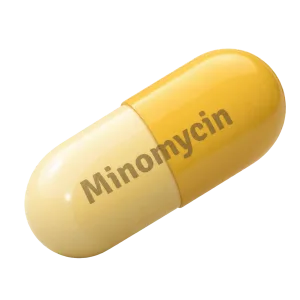
Minomycin is intended for adults and adolescents with susceptible bacterial infections or inflammatory acne. It contains minocycline, a tetracycline antibiotic that slows bacterial protein production…

Guaranteed quality Original product
Delivery: from 4 days Discreet shipping
24/7 Support Always available
Active ingredient: Minocycline
Select dosage:
Select pack Package Per unit Price
$ 10.10 $ 302.94
Free Express Delivery $ 9.44 $ 605.88 $ 566.61 Save 6%
Free Express Delivery $ 9.27 $ 908.82 $ 834.02 Save 8%
Free Express Delivery $ 9.10 $ 1,211.76 $ 1,092.08 Save 10%
Best value Free Express Delivery $ 8.99 $ 1,817.64 $ 1,617.55 Save 11%
$ 8.04 $ 241.23
Free Regular Delivery $ 7.39 $ 482.46 $ 443.19 Save 8%
Free Express Delivery $ 7.11 $ 723.69 $ 639.54 Save 12%
Free Express Delivery $ 7.01 $ 964.92 $ 841.50 Save 13%
Best value Free Express Delivery $ 6.87 $ 1,447.38 $ 1,236.07 Save 15%

Free delivery on orders from $ 374.00, free express delivery from $ 561.00

Secure payment methods:
VISA AMEX JCB DISCOVER

Minomycin is intended for adults and adolescents with susceptible bacterial infections or inflammatory acne. It contains minocycline, a tetracycline antibiotic that slows bacterial protein production and can reduce inflammation in the skin.

Product information

Minomycin belongs to the tetracycline antibiotic class. Its active ingredient is minocycline, which acts against a range of susceptible bacteria and also has anti-inflammatory activity relevant to acne management. Medsafe classifies minocycline as a prescription antibacterial medicine with systemic effects [1].

Directions for use

The correct amount of Minomycin varies between strengths and between individuals. There is no single amount that suits everyone. The prescriber selects the dose according to the condition being treated, age, kidney and liver function, infection severity, and previous treatment.

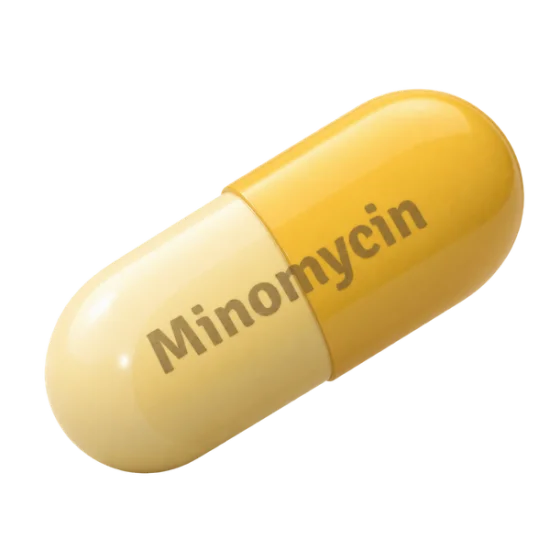
Minomycin capsule administration

Use the prescribed dose at the prescribed interval. The following points apply to oral minocycline treatment:

  • swallow the capsule whole with a full glass of water;
  • take doses at evenly spaced times when possible;
  • remain upright after taking it;
  • separate it from antacids and mineral supplements containing calcium, magnesium, aluminium, iron, or zinc, because these can reduce absorption;
  • complete the prescribed course for an infection unless the prescriber changes it;
  • if a dose is missed, take it when remembered unless the next dose is close; do not double the amount.

Food can affect tolerability. Taking minocycline with a light meal may reduce nausea, while mineral-rich products can interfere with absorption. Dairy intake is not always prohibited, but calcium-containing food or supplements should not be taken at the same time as the capsule.

Keep a simple dosing routine, such as linking the capsule with a regular daily activity that does not involve iron, calcium, magnesium, or zinc supplements.

A dose does not need to be repeated automatically after vomiting. The correct action depends on how soon vomiting occurred and the prescribed schedule; repeated doses can increase adverse effects.

Ingredients

Minomycin contains minocycline, an active ingredient in the tetracycline antibiotic class. Minocycline acts against susceptible bacteria by slowing bacterial protein production and also has anti-inflammatory activity relevant to inflammatory acne. The product is a prescription antibacterial medicine with systemic effects.

How it affects the body

Minocycline is absorbed after oral administration and distributes widely through body tissues. Its antibacterial action comes from binding to the bacterial 30S ribosomal subunit, reducing the production of proteins required for bacterial growth. The medicine does not treat viral illnesses such as influenza or the common cold.

Therapeutic indications

Minocycline is used when a clinician considers a tetracycline antibiotic suitable for the suspected or confirmed infection. Its clinical use depends on the organism involved, the affected body site, previous antibiotic exposure, allergy history, and local prescribing guidance.

Common treatment contexts include:

  • inflammatory acne involving papules, pustules, or deeper lesions;
  • selected bacterial skin infections;
  • certain respiratory, genital, urinary, or other infections caused by susceptible organisms;
  • specialist use in inflammatory conditions, including rheumatoid arthritis, where minocycline’s anti-inflammatory properties may be considered.

Antibiotics should not be used for acne or infection without a defined clinical reason. Unnecessary exposure increases the chance of adverse effects and antibiotic resistance. This approach is consistent with stewardship guidance from the Centers for Disease Control and Prevention.

Clinical use Main therapeutic purpose
Inflammatory acne Reduces susceptible bacteria and inflammatory activity in the skin
Susceptible bacterial infection Limits bacterial protein production and growth
Rheumatoid arthritis specialist use May provide anti-inflammatory effects in selected treatment plans

Dermatological applications in acne management

Dermatologists may prescribe oral minocycline when acne is widespread, inflamed, painful, or inadequately controlled with topical treatment. The medicine works throughout the body, so it can reach skin areas that are difficult to treat with creams alone.

Improvement is gradual. Fewer new inflamed lesions may appear before older marks fade, and visible change can take several weeks. Minocycline is not a treatment for acne scars that have already formed.

A practical point is easy to miss: acne can appear better before the full course is complete, but stopping early may allow the bacterial and inflammatory process to return. The duration is selected by the prescriber and depends on the response.

Immunomodulatory role in rheumatoid arthritis

Minocycline has been studied in rheumatoid arthritis because it can influence inflammatory pathways in addition to its antibacterial action. Its use for this condition is specialist-led and differs from its use for acne or an acute infection.

Minocycline does not provide immediate pain relief comparable to a simple analgesic. Any anti-inflammatory benefit develops over time and must be weighed against more established disease-modifying options, disease severity, joint damage, and other medicines.

Common mistakes

Several everyday habits can reduce treatment success or increase side effects:

  • taking the capsule just before lying down;
  • swallowing it with very little water;
  • taking it at the same time as iron, calcium, magnesium, zinc, or antacid products;
  • doubling the next dose after a missed capsule;
  • continuing intense sun exposure without adequate protection;
  • stopping an infection course as soon as symptoms improve;
  • ignoring dizziness before driving;
  • treating persistent headache or visual disturbance as a minor inconvenience;
  • starting leftover antibiotics for a new illness;
  • assuming a darker patch of skin will disappear immediately after treatment ends.

One less obvious mistake is taking the capsule with a daily mineral supplement. The supplement may seem unrelated, yet it can bind to minocycline in the digestive tract and reduce the amount absorbed.

Write down the names of all supplements, acne products, anticoagulants, and retinoids used during treatment. This makes interaction screening much more accurate than relying on memory.

Reasons not to use it

Avoid minocycline when there is:

  • a previous serious allergy to minocycline, tetracyclines, or a related ingredient;
  • pregnancy, unless a specialist has made a clear risk-benefit decision;
  • breastfeeding without specific medical direction, because tetracyclines can enter breast milk;
  • use in children younger than eight years, except under specialist instruction, because tetracyclines can affect developing teeth and bones;
  • severe liver disease without specialist supervision;
  • a history of significant intracranial hypertension linked to tetracycline treatment.

Minocycline can interact with oral retinoids such as isotretinoin because both may increase the risk of raised pressure inside the skull. Antacids and supplements containing iron, calcium, magnesium, aluminium, or zinc can lower absorption. Warfarin and other anticoagulants may require closer monitoring because antibiotic treatment can alter anticoagulant response.

When this is not for you

NOT for you if: you have a serious tetracycline allergy, are pregnant without specialist advice, or have another contraindication listed below.

Minomycin is not suitable for everyone. Talk to a clinician before using it if you are breastfeeding, have severe liver disease, have had raised pressure inside the skull linked to tetracycline treatment, or are taking isotretinoin, anticoagulants, antacids, or mineral supplements. Alcohol may worsen dizziness and increase strain on the liver, especially during prolonged treatment. Heavy alcohol use is therefore a poor combination with minocycline.

Unwanted effects

Minocycline can cause digestive, neurological, skin, and liver-related reactions. The risk depends on treatment duration, dose, individual susceptibility, and other medicines.

Recognised reactions include:

  • nausea, stomach discomfort, or diarrhoea;
  • headache;
  • dizziness or drowsiness;
  • fatigue;
  • constipation;
  • skin sensitivity to sunlight;
  • changes in skin, teeth, nails, gums, or other tissues caused by pigmentation;
  • vaginal or oral candidiasis after alteration of normal microbial flora.

Dizziness may be more noticeable during the first part of treatment. It can affect balance, concentration, and driving ability. Headache with visual changes, persistent vomiting, or unusual pressure behind the eyes needs prompt medical assessment because tetracycline antibiotics have been associated with intracranial hypertension.

Common systemic reactions

Mild nausea or tiredness may settle as the body adjusts, though persistent or worsening symptoms need review. Taking the capsule with suitable food can improve stomach comfort, but antacids and mineral supplements should remain separated from the dose.

Drowsiness is not universal. A person who feels light-headed, unsteady, or slowed should avoid driving and machinery until the effect has passed.

Do not treat a new severe headache as an ordinary antibiotic side effect when it comes with blurred vision, double vision, or vomiting. Those symptoms require prompt medical evaluation.

Skin pigmentation and discoloration

Minocycline can cause blue-grey, grey-brown, or dark pigmentation in the skin, scars, gums, teeth, nails, or other tissues. This is more associated with prolonged or cumulative exposure than with a short course, although individual risk varies.

Pigmentation may fade after treatment stops, but it can persist. New unusual darkening should be reported early rather than ignored until the course is finished.

Rare but serious reactions include severe rash, blistering or peeling skin, facial swelling, breathing difficulty, jaundice, dark urine, marked weakness, fever with joint pain, or unusual bruising. These symptoms can indicate a severe allergic, hepatic, autoimmune, or skin reaction.

Comparison

Minomycin differs from topical acne medicines and from non-tetracycline antibiotics because it acts systemically and combines antibacterial activity with anti-inflammatory effects.

Treatment approach Main feature
Oral minocycline Systemic antibacterial and anti-inflammatory activity
Topical acne treatment Acts mainly at the skin surface and avoids systemic exposure
Non-antibiotic acne treatment Targets oil production, follicular blockage, or inflammation without antibiotic activity

Clinicians may favour topical therapy for limited acne, while oral minocycline may be considered for more extensive inflammatory disease. The trade-off is wider body exposure, which creates a greater range of potential adverse effects.

For bacterial infections, the best antibiotic depends on culture results, likely organisms, allergy history, and local resistance patterns. Minomycin is not automatically the preferred option for every infection.

What doctors say

In clinical practice, dermatologists usually judge oral minocycline by the number of new inflamed lesions, tenderness, and the pattern of improvement rather than by a single day of clearer skin. A short-lived fluctuation does not always mean treatment failure.

Physicians also look for signs that the medicine is causing harm. Persistent headaches, balance problems, pigmentation, abnormal fatigue, dark urine, or yellowing of the skin can change the treatment decision.

For suspected infection, doctors may use examination findings, swabs, cultures, or other tests to decide whether an antibiotic is appropriate. An antibiotic cannot correct symptoms caused by a virus, allergy, hormonal disorder, or non-infectious inflammation.

The clinical trade-off is clear: Minomycin can be useful for selected inflammatory acne and susceptible bacterial disease, but systemic exposure creates limitations that topical treatment does not. Rheumatoid arthritis use requires a separate assessment and should not be treated as a routine acne regimen.

What customers often ask

Can older adults take Minomycin?

Older adults can receive minocycline when the prescriber considers the indication and medical history suitable. Medsafe information reviewed in 2024 highlights the need to consider liver function, dizziness, balance problems, and interactions with medicines commonly used later in life. The WHO antimicrobial stewardship principles published in 2022 also support using antibiotics only when bacterial treatment is justified. Older adults should report new unsteadiness, confusion, severe headache, or unusual weakness promptly.

Is Minomycin taken with food or on an empty stomach?

Minocycline may be taken with food when this improves stomach tolerance, although mineral-containing products can interfere with absorption. Medsafe prescribing information available in 2024 advises separating tetracycline doses from antacids and preparations containing iron, calcium, magnesium, aluminium, or zinc. Medsafe product information from 2024 also recognises gastrointestinal irritation as a reason for careful administration. A full glass of water is useful, and the capsule should not be taken immediately before lying down.

Can the capsule be split, crushed, or chewed?

The capsule should be swallowed whole rather than split, crushed, or chewed. Medsafe product information from 2024 supports intact oral administration because altering the dosage form can make swallowing more difficult and may irritate the mouth or throat. Medsafe product information from 2024 also supports taking oral capsules with adequate fluid. If swallowing is difficult, the prescriber should select a suitable alternative rather than having the capsule altered at home.

Can Minomycin affect driving, concentration, or machinery work?

Minocycline can cause dizziness, drowsiness, vertigo, or reduced alertness in some people. Medsafe guidance from 2024 advises caution with driving and machinery until the individual response is known. WHO medication-safety principles published in 2023 support avoiding hazardous tasks when a medicine affects balance or alertness. Do not drive or operate machinery while feeling slowed, dizzy, faint, or unsteady.

What happens after stopping Minomycin, and is tapering required?

Minocycline is not generally stopped by reducing the dose gradually in the way required for some steroid medicines. Medsafe information from 2024 indicates that the key issue is completing the prescribed course for an infection unless the prescriber changes it because of an adverse reaction or another clinical reason. Medsafe product information from 2024 stresses that duration should match the treatment plan rather than extend indefinitely. Acne or inflammatory symptoms may return after stopping because the underlying condition can remain active.

Which diet, exercise, or habits help or hinder treatment?

Regular hydration, a consistent dosing routine, and separating mineral supplements from the capsule can support reliable absorption. Medsafe information from 2024 supports taking the capsule with adequate fluid and avoiding administration alongside interfering mineral products. WHO guidance published in 2023 supports sensible antibiotic use, including avoiding leftover doses and unnecessary self-treatment. Sun exposure may worsen photosensitivity, while heavy alcohol use can add to dizziness and liver strain. A pharmacist can help review supplements, medicines, and daily habits before treatment begins.

Do you offer anonymous delivery?

Your order will be securely packed and shipped within 24 hours. This is exactly what your package will look like (images of an actual item sent). It has the size and look of a regular private letter (24x11x0.7 cm) and its contents cannot be seen.

Comparison

How the medicines for Acne compare

How Buyers Rate Minomycin

Based on 5 reviews

Oliver, 59 Verified
Rating: 4 out of 5

The first few days brought mild nausea and I felt slightly off-balance in the mornings. Taking the capsule after breakfast helped, although I kept mineral supplements several hours away. The skin inflammation settled gradually rather than overnight.

Taupō 31 Oct 2026
Michael, 33 Verified
Rating: 4 out of 5

After several weeks I had fewer painful spots, but the improvement was slow. I developed a persistent headache with blurred vision and stopped driving until I was assessed. The treatment plan was changed after that.

Masterton 11 Oct 2026
Amy, 37 Verified
Rating: 3.5 out of 5

My skin became less inflamed during the first month. I had dry mouth and some tiredness, which were manageable. Remembering not to take the capsule with my iron supplement was the part I found hardest.

Blenheim 9 Nov 2026
Wendy, 34 Verified
Rating: 3.5 out of 5

The infection symptoms improved, but constipation and dizziness bothered me for several days. I missed one dose and took it later rather than doubling the next one. The course was completed after the prescriber confirmed the timing.

Te Awamutu 13 Oct 2026
Kevin, 42 Verified
Rating: 3.5 out of 5

The capsules reduced new breakouts, though I was disappointed that old marks remained. I also noticed light sensitivity and became more careful outdoors. The result was useful, but the side effects meant I needed follow-up.

Dunedin 21 Oct 2026

Sources

  1. Medsafe (2024). Minomycin Data Sheet.
Get our free app Shop faster and track your orders 3.9 · 258 reviews Install