The spots on my back became less painful first. I had mild dizziness on two mornings, so I stopped driving until it settled and mentioned it at my review.
Pukekohe Several weeks 11 Oct 2026Minocycline
Minocycline reduces the growth of acne-associated bacteria and dampens inflammation in the skin. It is intended for people with inflammatory acne or other bacterial infections where a tetracycline…
Minocycline reduces the growth of acne-associated bacteria and dampens inflammation in the skin. It is intended for people with inflammatory acne or other bacterial infections where a tetracycline antibiotic is clinically appropriate. The capsule form produces systemic exposure, so treatment requires attention to interactions, neurological symptoms, liver health, and sun sensitivity.
Product information
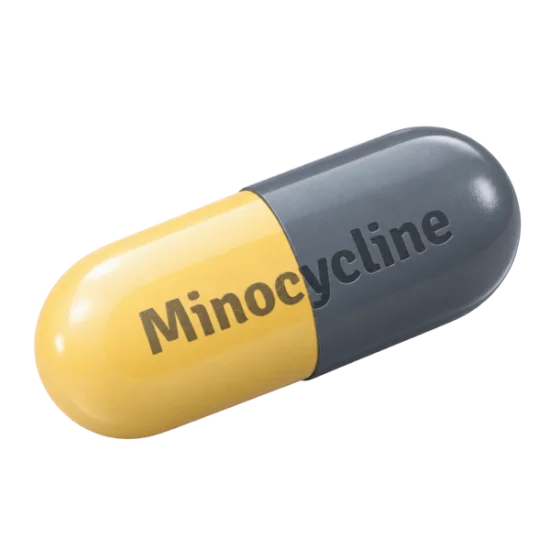
Minocycline belongs to the tetracycline antibiotic class. It is a semisynthetic derivative related to tetracycline and is used in dermatology mainly for inflammatory, moderate-to-severe acne vulgaris. The active substance reaches skin tissues after oral administration and acts against bacteria that contribute to follicular inflammation.
Directions for use
The dose is decided individually, taking age, other medicines, and health conditions into account. The route is oral, using the capsule as supplied for administration.
Key administration points include:
- Swallow the capsule with plenty of water.
- Remain upright after taking it.
- Use the prescribed schedule consistently.
- Separate the dose from iron, calcium, magnesium, aluminium, and bismuth products when instructed.
- Complete the prescribed course unless a clinician stops treatment because of an adverse reaction.
- If a dose is forgotten, take it when remembered unless the next scheduled dose is near; do not double the amount.
Minocycline can be taken with food if stomach upset occurs, although mineral-rich foods or supplements may affect absorption. Follow the individual dosing plan rather than changing the timing repeatedly to manage acne fluctuations.
Do not use leftover capsules for a later flare. Acne can resemble other inflammatory skin disorders, and a repeated antibiotic course may be unsuitable if the diagnosis or resistance pattern has changed.
Ingredients
Minocycline is a semisynthetic tetracycline antibiotic supplied here as an oral capsule. It is used mainly for inflammatory, moderate-to-severe acne vulgaris and other bacterial infections when clinically appropriate. The active substance reaches skin tissues, reduces acne-associated bacterial growth, and helps dampen follicular inflammation.
How it affects the body
Minocycline enters susceptible bacterial cells and binds to the 30S subunit of the bacterial ribosome. This interferes with the attachment of transfer RNA and interrupts bacterial protein synthesis. Without adequate protein production, bacterial growth slows.
The result is bacteriostatic rather than an immediate chemical destruction of every bacterium. In acne, lowering the activity of C. acnes reduces one source of follicular inflammation. The anti-inflammatory properties of tetracycline antibiotics may also contribute to improvement in papules and pustules.
The process can be summarised as follows:
- Minocycline reaches the skin through systemic circulation.
- The molecule enters susceptible bacterial cells.
- Binding at the 30S ribosomal subunit disrupts protein synthesis.
- Bacterial proliferation within inflamed follicles decreases.
- Inflammatory lesions may gradually become less frequent and less tender.
Resistance remains a clinical concern. Repeated or prolonged antibiotic exposure can select for resistant organisms, which is why dermatology guidance supports combination treatment and avoids antibiotic monotherapy when a suitable topical partner is available. The FDA prescribing information describes minocycline’s ribosomal action and its systemic safety warnings [1].
Therapeutic indications
Acne involves blocked follicles, excess sebum, altered keratinisation, inflammation, and activity from Cutibacterium acnes, formerly called Propionibacterium acnes. Minocycline can reduce the bacterial component and inflammatory response. It does not remove acne scars, open comedones immediately, or prevent every future breakout.
Medsafe and other regulatory authorities classify minocycline as a prescription antibiotic. Its use should be based on the diagnosis, the severity of disease, previous treatment response, allergy history, and other medicines.
Minocycline capsules may be considered when inflammatory lesions are widespread, painful, or persistent. Oral antibiotics are generally used for a defined course and are often combined with a non-antibiotic acne treatment to reduce relapse and limit antibiotic exposure.
Common mistakes
Several habits can make treatment less tolerable or reduce its benefit:
- Taking the capsule immediately before lying down.
- Swallowing it with only a sip of water.
- Taking it at the same time as an iron or mineral supplement.
- Stopping after a few improved days and restarting leftover capsules weeks later.
- Treating a severe headache or blurred vision as a routine acne symptom.
- Ignoring dizziness before driving.
- Using tanning beds or spending prolonged time in strong sun.
- Expecting old acne scars to disappear through antibiotic treatment.
- Applying irritating exfoliants while the skin is already sensitive.
- Continuing an oral antibiotic without a planned review.
One small behavioural detail matters: taking the capsule while already in bed is a poor routine because the oesophagus receives less fluid and gravity no longer helps the capsule pass into the stomach.
Reasons not to use it
- Previous serious allergy to minocycline, tetracyclines, or a related antibiotic.
- Pregnancy, especially later pregnancy, unless a specialist has made a clear risk-benefit decision.
- Breastfeeding when the prescriber considers infant exposure clinically unacceptable.
- Children younger than eight years, because tetracyclines can affect developing teeth and bone.
- Active liver disease or a history of serious drug-induced liver injury.
- Previous intracranial hypertension associated with a tetracycline antibiotic.
- Severe unexplained headache or visual disturbance before treatment begins.
Important interactions include:
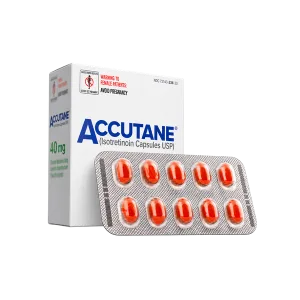
- Isotretinoin and other systemic retinoids: the combination can increase the risk of raised intracranial pressure.
- Antacids containing aluminium, calcium, or magnesium: these can reduce absorption.
- Iron supplements: iron may bind minocycline in the digestive tract and lower absorption.
- Bismuth-containing products: these can also reduce antibiotic absorption.
- Warfarin: tetracycline antibiotics may alter anticoagulant response, so monitoring may be required.
- Medicines that affect the liver: combined use may increase concern about hepatic injury.
When this is not for you
Not for you if: you have a serious tetracycline allergy, pregnancy-related restrictions, significant liver disease, or previous tetracycline-associated intracranial hypertension.
Unwanted effects
Minocycline can cause common, usually manageable adverse effects as well as uncommon reactions that require urgent assessment. The risk profile is broader than that of a purely topical acne treatment because an oral capsule exposes the whole body to the antibiotic.
Possible effects include:
- Nausea, indigestion, or abdominal discomfort.
- Diarrhoea.
- Headache.
- Dizziness or a spinning sensation.
- Vestibular symptoms such as imbalance or motion sensitivity.
- Skin sensitivity to sunlight.
- Temporary changes in skin, nails, teeth, or mucous-membrane pigmentation after longer exposure.
- Rash or other allergic reactions.
Vestibular symptoms deserve practical attention. A person may feel unsteady when turning the head, walking in a dark room, or getting out of bed. Driving or cycling should be avoided until dizziness has settled and normal balance has returned.
Photosensitivity can increase the likelihood of sunburn. Use shade, protective clothing, and a broad-spectrum sunscreen during treatment, especially in New Zealand’s high ultraviolet environment. A severe sun reaction is not simply a cosmetic nuisance; blistering or extensive redness requires medical assessment.
Hepatotoxicity is uncommon but medically significant. Warning symptoms include yellowing of the skin or eyes, dark urine, unusually pale stools, severe persistent nausea, upper abdominal pain, or marked tiredness. Minocycline can also cause drug-induced autoimmune hepatitis after longer exposure.
Pseudotumor cerebri, also called idiopathic intracranial hypertension, is a rare reaction involving raised pressure around the brain. Severe or persistent headache, blurred vision, double vision, or brief episodes of visual dimming need prompt medical evaluation. The risk may be greater when tetracycline antibiotics are combined with systemic retinoids.
Severe watery or bloody diarrhoea during treatment or after completion can indicate antibiotic-associated colitis. Do not self-treat this symptom with an anti-diarrhoeal medicine before receiving clinical advice.
Comparison
Doxycycline is the closest oral alternative by antibiotic class. It also inhibits bacterial protein synthesis at the 30S ribosomal subunit and is widely used for inflammatory acne. Doxycycline can cause gastrointestinal irritation and photosensitivity, while minocycline is more associated with vestibular effects, pigmentation, and rare autoimmune reactions.
Clindamycin phosphate is a lincosamide antibiotic used topically for acne. It acts at the 50S ribosomal subunit rather than the 30S subunit. Topical clindamycin limits systemic exposure, but resistance develops readily when it is used without benzoyl peroxide.
Adapalene is a topical retinoid. It normalises follicular keratinisation and helps prevent comedones, but it does not act as an antibiotic. Benzoyl peroxide has antimicrobial and keratolytic activity and is useful in combination regimens that aim to reduce bacterial resistance.
| Option | Main mechanism | Typical limitation |
|---|---|---|
| Minocycline | Oral 30S ribosomal inhibition with anti-inflammatory activity | Systemic adverse effects and resistance concerns |
| Doxycycline | Oral 30S ribosomal inhibition with anti-inflammatory activity | Gastrointestinal effects and sun sensitivity |
| Adapalene or benzoyl peroxide | Local effects on follicular blockage or bacterial load | Skin irritation and slower tolerance development |
NICE acne guidance supports limiting oral antibiotic courses and combining antibiotic treatment with topical therapy where clinically suitable [2]. A dermatologist may choose minocycline when the pattern of acne, previous treatment history, and tolerability profile make it a reasonable option.
What doctors say
Dermatologists generally assess inflammatory lesion count, scarring risk, treatment history, menstrual or hormonal factors, current medicines, and the person’s tolerance for systemic treatment. Minocycline is usually considered a time-limited treatment rather than a permanent acne-control strategy.
A clinician would also look for signs that acne needs a different approach. Deep nodules, rapidly forming scars, extensive chest or back involvement, or a major effect on mood may justify specialist review.
Monitoring becomes more important when treatment continues for an extended period, when there is liver disease, or when symptoms suggest intracranial hypertension. The EMA Summary of Product Characteristics (SmPC) for minocycline describes the need to consider neurological, hepatic, allergic, and pregnancy-related risks [3].
What customers often ask
How long does one Minocycline dose keep working?
Minocycline acts over the dosing interval established by the prescribed regimen, but acne improvement depends on repeated exposure rather than one capsule producing a visible short-term change. Its antibacterial and anti-inflammatory effects develop through continued treatment. The FDA prescribing information (2024) describes oral minocycline pharmacokinetics and dosing schedules for approved uses [4].
Do not take an extra capsule because a lesion looks inflamed later the same day. A higher amount does not provide a safe instant correction and may increase adverse effects such as dizziness, nausea, or headache.
How does Minocycline differ from Doxycycline?
Both are tetracycline antibiotics that inhibit bacterial protein synthesis at the 30S ribosomal subunit. Minocycline is more strongly associated with vestibular symptoms, pigmentation, and rare autoimmune reactions, while doxycycline is often associated with gastrointestinal irritation and photosensitivity. WHO antibiotic stewardship principles in 2025 support choosing the narrowest suitable regimen and limiting unnecessary antibiotic exposure.
The better option depends on acne severity, previous response, other medicines, pregnancy status, liver health, and tolerability. A prescriber may also choose a topical regimen when systemic treatment is unnecessary.
Can Minocycline be taken with food or on an empty stomach?
Minocycline may be taken with food when this reduces nausea or stomach discomfort. Iron, calcium, magnesium, aluminium, and bismuth products can interfere with absorption, so timing should be separated according to the prescribed instructions. The EMA medicine-safety information available in 2025 describes mineral-binding interactions relevant to tetracycline antibiotics.
Avoid taking the capsule with a mineral supplement unless the timing has been planned. A full glass of water is preferable to a small amount of liquid.
How soon can an effect become noticeable?
Inflammatory acne usually improves gradually rather than after one or two doses. Some people notice fewer painful lesions within several weeks, while a more stable response may require a longer planned course. NICE acne guidance reviewed through 2025 describes reassessment after an appropriate treatment period rather than judging an antibiotic after only a few days.
New lesions may still appear early in treatment. Worsening inflammation, severe headache, visual symptoms, jaundice, or a widespread rash requires prompt clinical assessment.
Can Minocycline be used during pregnancy or breastfeeding?
Minocycline is generally avoided during pregnancy unless a specialist determines that treatment is necessary. Tetracycline exposure later in pregnancy can affect developing teeth and bones. Medsafe pregnancy information from 2024 supports discussing exposure promptly if pregnancy occurs during treatment.
Breastfeeding also requires an individual decision because minocycline can pass into breast milk. Do not start, stop, or restart minocycline for acne during pregnancy or breastfeeding without a specific treatment plan.
Which diet, exercise, or habits help or hinder the result?
Regular sleep, gentle cleansing, non-comedogenic skin products, and avoiding picking can support acne care. Diet alone does not replace antibiotic treatment, although some people notice flares after high-glycaemic eating patterns or particular dairy products. The American Academy of Dermatology guidance discussed in 2025 supports combining medical treatment with practical skin-care habits rather than relying on diet alone.
Exercise is compatible with treatment, but intense heat and sun exposure can worsen discomfort when photosensitivity or dizziness occurs. Shower after heavy sweating and avoid sharing towels or razors.
Do you offer anonymous delivery?
Your order will be securely packed and shipped within 24 hours. This is exactly what your package will look like (images of an actual item sent). It has the size and look of a regular private letter (24x11x0.7 cm) and its contents cannot be seen.
Comparison
Accutane
Diane 35
Minocycline Current
Minomycin
Oral and topical minocycline formulations
The product described here is an oral capsule. Oral minocycline distributes through the bloodstream and can reach several tissues, including the skin. Topical preparations place the active substance directly on the treatment area and are designed to limit systemic exposure.
The route changes the balance between local concentration and whole-body exposure.
| Formulation | Main exposure pattern | Typical clinical consideration |
|---|---|---|
| Oral minocycline | Systemic exposure with delivery to skin tissues | Useful when inflammatory acne is extensive or difficult to manage locally |
| Extended-release oral formulation | Systemic exposure with modified release | May alter peak concentrations and tolerability compared with conventional release |
| Topical minocycline gel | Higher local exposure with less systemic absorption | Intended for local acne treatment and may reduce systemic adverse effects |
Extended-release formulations can change the speed at which minocycline enters circulation. Some studies have associated modified-release products with fewer vestibular symptoms than conventional oral dosing, although tolerability still varies between individuals.
The topical route is not automatically interchangeable with an oral capsule. A gel may be appropriate for local inflammatory acne, while an oral product may be selected when lesions are widespread or when topical treatment alone has not controlled the condition.
How Buyers Rate Minocycline
Based on 5 reviews
By the second month I was getting fewer deep lesions around my jaw. My stomach felt unsettled when I took it without food, and eating a small meal made the routine easier.
Queenstown Two months 23 Oct 2026The redness improved, but the old marks stayed. I had expected the pigmentation to disappear as well, so the follow-up discussion helped me understand what the antibiotic could and could not do.
Taupō A dermatologist-planned course 26 Oct 2026The acne was calmer after several weeks, although I developed headaches that did not feel normal. The clinician told me to stop and arranged an assessment rather than treating the symptom as ordinary.
Blenheim Several weeks 3 Nov 2026The combination worked better for me than the antibiotic alone. I kept forgetting to separate it from my mineral supplement at first, and changing that timing made the course more consistent.
Oamaru Several weeks 7 Nov 2026Sources
- U.S. Food and Drug Administration (2024). Minocycline hydrochloride prescribing information.
- National Institute for Health and Care Excellence (2023). Acne vulgaris: management.
- European Medicines Agency (2024). Summary of Product Characteristics (SmPC) — minocycline.
- U.S. National Library of Medicine (2024). Minocycline: Drug Label Information.