Morning stiffness became shorter by the second month, and I could manage stairs more easily. I still had a sore injection area for a day after each pen, so I rotated between both thighs and my abdomen.
Whangārei Four months 10 Oct 2026Humira
It is prescribed for conditions such as rheumatoid arthritis, psoriasis, Crohn’s disease, ulcerative colitis, and uveitis. By blocking TNF-alpha, it reduces signals that drive persistent inflammation.
Product information
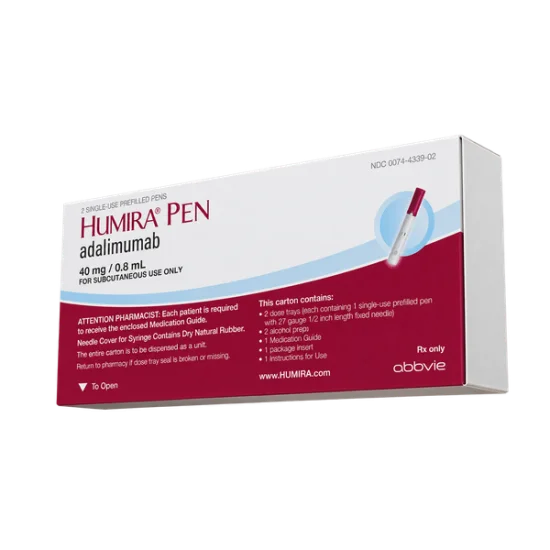
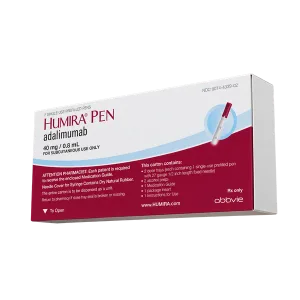
Humira contains adalimumab, a fully human monoclonal antibody and tumour necrosis factor-alpha (TNF-alpha) inhibitor. The injector is intended for subcutaneous use only. Dosing differs between strengths and between users, so there is no single amount that suits everyone. Humira is manufactured by AbbVie and is supplied as a single-use prefilled pen.
Directions for use
Humira is administered beneath the skin using a single-use prefilled pen. Common injection areas include the front of the thighs or the abdomen, avoiding the area immediately around the navel. Injection sites should be rotated to reduce irritation and tissue discomfort.
The product is normally stored in a refrigerator at 2–8°C and protected from light. It must not be frozen. Medsafe and manufacturer prescribing information describe the storage and administration requirements for adalimumab products [3].
Treatment schedules vary between conditions and patients, so there is no single amount that suits everyone. The prescribed dose may differ according to the indication, induction requirements, age, body weight, and response. Use only the schedule supplied for the person receiving treatment.
Key administration points include:
- Inject only by the subcutaneous route.
- Wash and dry the hands before handling the pen.
- Do not inject into bruised, tender, hardened, scarred, or inflamed skin.
- Rotate between suitable injection sites.
- Do not reuse the pen.
- Do not share a pen with another person.
- Dispose of the used device in a suitable sharps container.
- If a dose is missed, contact the prescribing clinic or follow the individual missed-dose plan rather than doubling the next injection.
A dose is injected under the skin rather than into a vein or muscle. The pen is designed for subcutaneous administration after a prescriber or trained healthcare professional has explained the technique.
Ingredients
Humira contains adalimumab, a fully human monoclonal antibody and tumour necrosis factor-alpha (TNF-alpha) inhibitor. The injector is intended for subcutaneous use only. Dosing differs between strengths and between users, so there is no single amount that suits everyone. Humira is manufactured by AbbVie and is supplied as a single-use prefilled pen.
Adalimumab attaches to TNF-alpha, an immune-signalling protein involved in inflammation. The drug prevents TNF-alpha from activating its receptors on immune and tissue cells, reducing inflammatory activity in affected joints, skin, bowel, or eyes. The pharmacological action and approved uses are described in regulatory product information reviewed by the FDA and EMA [1].
TNF-alpha is useful in normal immune defence, so blocking it has a trade-off. Inflammation may decrease, but the body can become less able to control some infections. This explains the screening and monitoring requirements used before and during treatment.
How it affects the body
Adalimumab attaches to TNF-alpha, an immune-signalling protein involved in inflammation. The drug prevents TNF-alpha from activating its receptors on immune and tissue cells, reducing inflammatory activity in affected joints, skin, bowel, or eyes.
Therapeutic indications
Humira is used across rheumatology, dermatology, gastroenterology, and ophthalmology. The exact indication, starting regimen, maintenance schedule, and treatment duration depend on the disease, age, body weight, previous treatment, and response.
Regulatory indications for adalimumab include:
- Rheumatoid arthritis in adults, often alongside methotrexate or another disease-modifying antirheumatic drug.
- Psoriatic arthritis in adults with active joint inflammation.
- Ankylosing spondylitis and other axial spondyloarthritis presentations.
- Plaque psoriasis in adults and selected younger patients.
- Juvenile idiopathic arthritis, including polyarticular juvenile idiopathic arthritis.
- Crohn’s disease in adults and eligible children.
- Ulcerative colitis in adults and eligible younger patients.
- Non-infectious intermediate, posterior, and panuveitis in appropriate patients.
- Hidradenitis suppurativa in indicated age groups.
Medsafe product information and European regulatory information describe adalimumab use in several of these immune-mediated conditions [2]. Approval does not mean that every patient with a listed disease will receive Humira. Treatment decisions depend on disease severity, previous therapies, infection risk, vaccination status, and other medicines.
Rheumatic and musculoskeletal disorders
Rheumatoid arthritis causes immune-mediated inflammation in the joint lining. Persistent inflammation can damage cartilage and bone. Humira may reduce swollen joints, morning stiffness, pain, and inflammatory markers when it controls the underlying immune response.
Psoriatic arthritis can affect peripheral joints, the spine, tendons, and areas where tendons attach to bone. Adalimumab may be selected when several joints or extra-articular features require systemic treatment. Ankylosing spondylitis and related axial conditions involve inflammation around the spine and sacroiliac joints.
Juvenile idiopathic arthritis is a group of inflammatory arthritic conditions beginning in childhood. Polyarticular disease affects five or more joints and may require biologic treatment when conventional disease-modifying therapy does not provide adequate control.
Dermatological, gastrointestinal, and ophthalmic conditions
In plaque psoriasis, TNF-alpha contributes to the inflammatory process that produces thick, scaly plaques. Humira can reduce skin inflammation and improve the extent and severity of lesions in eligible patients.
Crohn’s disease and ulcerative colitis involve chronic inflammation in the gastrointestinal tract. A response may include fewer bowel movements, less rectal bleeding in ulcerative colitis, reduced abdominal symptoms, and improved inflammatory markers. A clinician may also assess endoscopic or radiological findings.
Uveitis affects internal eye structures and can threaten vision when inflammation persists. Adalimumab is used for selected non-infectious forms. New eye pain, light sensitivity, floaters, or reduced vision requires prompt medical assessment because these symptoms can have several causes.
Common mistakes
Several avoidable errors can reduce treatment benefit or increase risk:
- Injecting into the same area repeatedly.
- Using a pen that has been frozen or exposed to excessive heat.
- Continuing injections during a serious infection without contacting the treatment team.
- Doubling the next dose after a missed injection.
- Forgetting to report recent tuberculosis exposure or hepatitis history.
- Receiving a live vaccine without checking its compatibility with immune-suppressing treatment.
- Stopping Humira as soon as symptoms improve.
- Treating a painful, expanding injection-site reaction as routine irritation.
- Failing to tell every prescriber that adalimumab is being used.
- Storing the pen loose in a refrigerator where it may freeze against the back wall.
A pen should remain in its protective packaging until it is needed. A domestic refrigerator is not the same as a freezer compartment, and temperature fluctuations can matter.
Reasons not to use it
Humira is not suitable for everyone. This medication is not for you if you have a serious active infection, untreated tuberculosis, or a severe hypersensitivity reaction to adalimumab or an ingredient in the formulation.
Important situations requiring specific medical assessment include:
- Current fever, severe infection, infected wound, or infection requiring antibiotics.
- Previous or possible tuberculosis exposure.
- Chronic or recurrent infections.
- Hepatitis B infection or previous hepatitis B exposure.
- Demyelinating disease, such as multiple sclerosis.
- Moderate-to-severe heart failure.
- A history of recurrent cancer or certain blood disorders.
- Pregnancy, planned pregnancy, or breastfeeding.
- Recent or planned surgery.
- Treatment with other immune-suppressing medicines.
Adalimumab should not be combined with anakinra or abatacept because combined immune suppression can increase the risk of serious infection without providing a routine treatment advantage. Other biologic medicines and targeted immune therapies also require careful review. The FDA prescribing information identifies serious infection, tuberculosis, hepatitis B reactivation, malignancy, and neurological reactions among the clinically important risks [1].
Live vaccines require special planning. Examples include some live viral vaccines and certain travel vaccines. Inactivated vaccines may still be recommended, although immune response can be reduced during treatment. Household vaccination plans may also need discussion when a person receiving Humira is severely immunosuppressed.
When this is not for you
Do not use Humira without medical assessment if you have a serious infection, untreated tuberculosis, or have previously had a severe allergic reaction to adalimumab. Tell the treatment team if you have persistent or recurrent infections, hepatitis B, heart failure, a neurological condition, a history of cancer or blood disorders, or if you are pregnant, breastfeeding, having surgery, or taking medicines that suppress the immune system.
Seek urgent medical assessment for breathing difficulty, facial swelling, widespread hives, severe weakness, persistent fever, unexplained bruising, new neurological symptoms, or signs of a serious infection.
Unwanted effects
The most frequent practical problems are injection-site reactions, mild respiratory infections, headache, nausea, abdominal discomfort, and skin symptoms. Injection-site redness, itching, swelling, or soreness often settles within a few days.
Adalimumab can increase susceptibility to infections because TNF-alpha contributes to immune defence. Tuberculosis and invasive infections are uncommon but clinically serious risks. Symptoms such as persistent cough, night sweats, unexplained weight loss, prolonged fever, painful urination, or a wound that is not healing require prompt assessment.
Other important adverse effects may include:
- Allergic reactions, including anaphylaxis.
- Reactivation of hepatitis B.
- New or worsening heart failure.
- Demyelinating neurological symptoms.
- Blood-count abnormalities.
- Lupus-like autoimmune reactions.
- Serious skin reactions.
- Rare malignancies associated with long-term immune suppression.
A mild red patch at an injection site is different from rapidly spreading redness, severe pain, pus, or fever. Those features may indicate infection rather than a routine local reaction.
One practical detail is easy to miss: changing the injection site does not mean injecting into any convenient area. Bruised skin, psoriasis plaques, eczema, scars, and areas with active inflammation should be avoided.
Another common problem is attributing every symptom to Humira. A sore throat, diarrhoea, rash, or fatigue can arise from infection, the underlying inflammatory condition, or another medicine. Timing and severity help the prescriber decide what action is appropriate.
Comparison
Humira belongs to the TNF-inhibitor group, but biologic medicines within this group differ in structure, route, dosing intervals, and approved indications. A biosimilar has highly similar biological characteristics to a reference biologic, but it is not a conventional chemical generic tablet.
| Treatment category | Active substance and target | Administration pattern |
|---|---|---|
| Humira | Adalimumab; TNF-alpha inhibitor | Subcutaneous prefilled pen; schedule depends on indication |
| Etanercept therapy | Etanercept; binds TNF-related inflammatory signals | Subcutaneous injection; schedule varies by condition |
| Infliximab therapy | Infliximab; monoclonal antibody against TNF-alpha | Intravenous infusion at a clinic; induction and maintenance schedules vary |
Etanercept is a fusion protein rather than a monoclonal antibody. Infliximab is an antibody administered by intravenous infusion, which means that each dose requires clinical attendance and observation. Adalimumab can be administered subcutaneously using a pen after appropriate training.
The choice depends on the disease, organ involvement, previous treatment, infection risk, pregnancy plans, injection preference, access to infusion services, and clinical response. ABP 501 is a biosimilar to adalimumab; regulatory assessment focuses on comparable quality, pharmacological behaviour, and clinical performance. The EMA explains the scientific principles used to evaluate biosimilars [4].
A patient who responds well to one TNF inhibitor may not respond equally to another. Loss of response can result from inadequate drug exposure, anti-drug antibodies, a change in disease activity, or a diagnosis requiring a different treatment pathway.
What doctors say
In clinical practice, doctors usually assess Humira by combining symptom change with objective findings. For rheumatoid arthritis, this may include joint examination, inflammatory markers, and functional ability. For Crohn’s disease or ulcerative colitis, bowel symptoms alone may not show whether intestinal inflammation has fully settled.
A biologic response may develop gradually. Some patients notice improved pain or stiffness before laboratory markers change. Others experience a partial response that requires dose review, adherence assessment, drug-level testing, or a different biologic strategy.
Doctors also look for treatment-limiting risks at every review. This includes infections, vaccination status, neurological symptoms, heart failure symptoms, new skin lesions, and changes in cancer screening needs. A patient who feels well still needs planned monitoring because infection risk can exist without early warning symptoms.
Humira should be considered a long-term disease-control treatment rather than a short course for immediate pain relief. Stopping injections without a clinical plan can allow inflammation to return and may complicate later disease control.
What customers often ask
Can alcohol be used while taking Humira?
Alcohol does not have a direct, established chemical interaction with adalimumab according to the FDA product information reviewed in 2023. The practical concern is that heavy alcohol use can worsen liver health, impair judgement about infection symptoms, and complicate medicines used alongside Humira. People with hepatitis B, liver disease, inflammatory bowel disease, or several immune-suppressing medicines need an individual plan from their treatment team. Moderate intake may be acceptable for some adults, but alcohol should be avoided when unwell or taking medicines that already affect the liver.
How does Humira differ from the closest alternative by mechanism?
Humira contains adalimumab, a monoclonal antibody that binds TNF-alpha, while etanercept is a fusion protein that captures TNF-related inflammatory signals. Infliximab also targets TNF-alpha but is given by intravenous infusion rather than a prefilled subcutaneous pen. The EMA biosimilar framework, described in 2024 regulatory guidance, recognises that medicines can share a target while differing in molecular structure, administration, and approved use. The best choice depends on the disease and clinical circumstances.
Is Humira suitable for older adults?
Age alone does not exclude Humira, and Medsafe information available in 2024 describes its use in adults across several inflammatory diseases. Older adults may have a higher baseline risk of infection, shingles, tuberculosis reactivation, cancer, or complications from other medicines. Kidney and liver function, vaccination history, frailty, recurrent infections, and heart failure symptoms deserve careful review. Fever, confusion, breathlessness, or a sudden decline in function should be assessed promptly during treatment.
What should be discussed with a doctor before starting Humira?
Before starting treatment, discuss current infections, tuberculosis exposure, hepatitis B, vaccination plans, previous cancer, neurological disease, heart failure, pregnancy, breastfeeding, and all immune-modifying medicines. The WHO vaccine guidance published in 2022 supports reviewing immunisation needs before immune-suppressing therapy begins. Screening may include blood tests, hepatitis testing, tuberculosis assessment, and a review of the injection technique. Tell the prescriber about anakinra, abatacept, other biologics, and medicines used for inflammatory or autoimmune conditions.
Can Humira affect driving, concentration, or machinery work?
Humira is not generally expected to impair driving or concentration, according to EMA product information available in 2024. Dizziness, headache, fatigue, blurred vision, infection, or an allergic reaction can still make driving or machinery work unsafe for an individual. The first injections should be followed carefully for unexpected symptoms before undertaking safety-critical work. A severe allergic reaction or neurological symptom requires urgent medical attention rather than continued driving.
What should happen if the expected result does not come?
A partial or absent response should lead to a clinical review rather than an extra injection. The clinician may check the diagnosis, adherence, injection technique, infection, drug levels, anti-drug antibodies, or another cause of persistent symptoms. The American College of Rheumatology treatment principles published in 2021 support adjusting therapy when disease activity remains uncontrolled. Do not switch, combine, or shorten the interval between biologic treatments without a prescribed plan.
Which concrete condition rules Humira out?
Active serious infection is a clear reason to delay or avoid Humira until the infection has been assessed and treated. Untreated tuberculosis and a previous severe allergic reaction to adalimumab are also major exclusions. The FDA information reviewed in 2023 identifies serious infection risk as a central safety issue with TNF blockers. A mild cold is not automatically an absolute exclusion, but fever, breathing symptoms, rapidly worsening illness, or antibiotic treatment should be reported before the next dose.
Do you offer anonymous delivery?
Your order will be securely packed and shipped within 24 hours. This is exactly what your package will look like (images of an actual item sent). It has the size and look of a regular private letter (24x11x0.7 cm) and its contents cannot be seen.
Comparison
How Buyers Rate Humira
Based on 5 reviews
The plaques on my elbows became much thinner. I caught a chest infection during treatment and needed medical advice about the next injection, which delayed the schedule and made me more cautious.
Upper Hutt Three months 20 Oct 2026Bowel urgency improved during the first several weeks, but fatigue did not disappear as quickly. I kept expecting every symptom to resolve and needed a review to discuss iron levels and ongoing inflammation.
Rotorua Six months 26 Oct 2026The eye flares became less frequent, and I stopped needing repeated steroid drops. The pen took practice because I initially pressed too hard and bruised my thigh.
Christchurch Five months 1 Nov 2026My fingers were less swollen, but the first weeks were uneven. One injection caused redness that lasted longer than usual, and the clinic asked me to send a photo before deciding whether to continue.
Ashburton Two months 8 Nov 2026Sources
- U.S. Food and Drug Administration (2023). Humira (adalimumab) Prescribing Information
- European Medicines Agency (2024). Humira: European Public Assessment Report
- Medsafe (2024). Humira Data Sheet
- European Medicines Agency (2024). Biosimilar Medicines: Overview and Regulatory Information