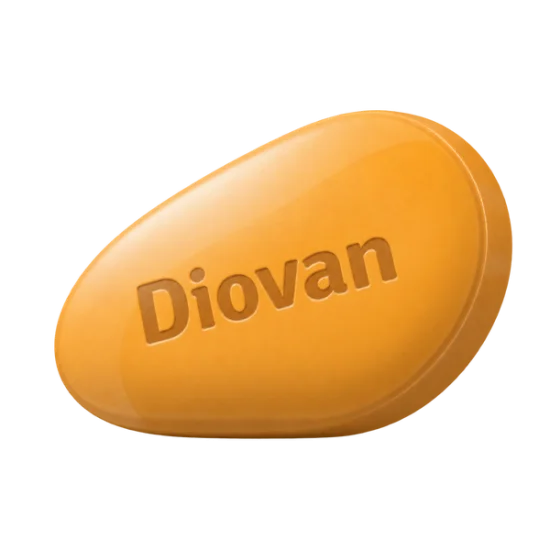
I used Diovan for several weeks and my home readings became much steadier. I liked having one regular tablet time because it fitted around breakfast and I felt more confident walking around town.
New Plymouth Several weeks 26 Nov 2026Diovan
High blood pressure, heart failure, and some post-heart-attack complications may require treatment that reduces strain on the heart and blood vessels. Diovan contains valsartan, an angiotensin II…
High blood pressure, heart failure, and some post-heart-attack complications may require treatment that reduces strain on the heart and blood vessels. Diovan contains valsartan, an angiotensin II receptor blocker used for these cardiovascular conditions. It lowers the action of angiotensin II, helping blood vessels relax and reducing blood pressure.
Product information
Diovan contains valsartan, an angiotensin II receptor blocker used for these cardiovascular conditions.
Directions for use
The amount per intake is set individually rather than being one fixed number for every person. Diovan is taken by mouth as tablets, usually on a regular daily schedule established by the prescriber.
- Take the prescribed amount at the same time each day.
- Swallow the tablet with water.
- Diovan may be taken with food or on an empty stomach.
- Do not change the amount because one blood-pressure reading is higher or lower than usual.
- Dose increases are gradual when required, allowing blood pressure, kidney function, and potassium to be assessed.
- Treatment for hypertension may continue long term.
- Heart-failure treatment often requires gradual adjustment alongside other cardiovascular medicines.
- If a dose is missed, take it when remembered unless the next scheduled dose is close; do not take two doses together.
A missed dose is usually less dangerous than doubling the next dose. Severe vomiting, diarrhoea, heavy sweating, or poor fluid intake can increase the risk of low blood pressure and kidney stress during treatment.
Ingredients
Diovan is used as a single-ingredient valsartan treatment. Combination products that add hydrochlorothiazide belong to a different formulation and should not be treated as interchangeable with Diovan tablets. The two active substances have different effects: valsartan blocks angiotensin II, while hydrochlorothiazide increases urinary removal of sodium and water.
The amount of valsartan taken at each intake is selected individually. Prescribers consider blood-pressure readings, kidney function, potassium levels, age, heart failure status, previous treatment, and other medicines.
How it affects the body
Valsartan selectively blocks the AT1 receptor, where angiotensin II normally causes blood-vessel tightening, sodium retention, and increased pressure within the circulation. The result is reduced vascular resistance and less workload for the heart. [1]
Therapeutic indications
Diovan is prescribed for hypertension, selected cases of heart failure, and certain clinically stable patients after myocardial infarction when left-ventricular dysfunction or heart failure is present. Lowering blood pressure reduces pressure on the arteries and decreases the heart’s workload. In heart failure, valsartan can reduce harmful neurohormonal stimulation that contributes to fluid retention and cardiac strain. [2]
The Valsartan Heart Failure Trial studied valsartan in people with symptomatic heart failure. Its findings helped define how ARB treatment may be used when patients cannot tolerate an ACE inhibitor or when additional neurohormonal blockade is considered appropriate.
Common mistakes
Several practical errors can make Diovan appear less useful or less tolerable:
- Taking it only when a home reading is high instead of following the prescribed schedule.
- Doubling the next intake after a missed dose.
- Stopping treatment once blood pressure improves.
- Using NSAIDs regularly without mentioning them during a medicine review.
- Starting potassium supplements or potassium-based salt substitutes without checking the whole regimen.
- Continuing strenuous activity while faint, severely dizzy, or dehydrated.
- Treating repeated diarrhoea or vomiting as unrelated when blood pressure medicine is being taken.
- Assuming normal symptoms mean potassium and kidney function must also be normal.
- Confusing single-ingredient Diovan treatment with a hydrochlorothiazide-containing combination.
A home monitor can give misleading readings when the cuff is too small, the arm is unsupported, or the measurement is taken immediately after caffeine, exercise, or smoking. Repeating the reading after quiet rest creates a more useful record.
Reasons not to use it
- Previous serious hypersensitivity to valsartan or an excipient in the tablet.
- Pregnancy, especially after the first trimester, because medicines acting on the renin–angiotensin system can harm fetal kidney development and amniotic-fluid levels.
- Previous angioedema linked to an ARB or another renin–angiotensin medicine.
- Severe dehydration or persistent fluid loss without medical assessment.
- Significant kidney disease requiring an individually monitored treatment plan.
- Severe liver disease or biliary obstruction, where valsartan exposure and tolerability may be affected.
- Concurrent aliskiren in a person with diabetes or significant renal impairment.
When this is not for you
Diovan is not suitable for everyone. Talk to a prescriber before using it if you have had a serious reaction to valsartan, are pregnant, have previously experienced angioedema with a similar medicine, are severely dehydrated, or have significant kidney, liver, or bile-duct problems. Extra supervision is needed if you have narrowed renal arteries, heart failure, low circulating blood volume, or high potassium, or if you take aliskiren while having diabetes or reduced kidney function.
Unwanted effects
Dizziness, headache, fatigue, and low blood pressure can occur with valsartan, especially after treatment begins or after an increase. Some people notice dizziness mainly when standing. These effects may improve as the circulation adjusts, but persistent or severe symptoms require clinical review.
Valsartan can affect kidney function and potassium balance. Hyperkalaemia is more likely with kidney disease, diabetes, dehydration, potassium supplements, potassium-sparing diuretics, or other medicines that raise potassium. Blood tests help identify these changes before symptoms develop.
Seek urgent medical attention for swelling of the face, lips, tongue, or throat; difficulty breathing; fainting; severe weakness; or a rapidly worsening reaction. Valsartan can rarely cause angioedema, including intestinal angioedema, which may present with severe abdominal pain, nausea, or vomiting without obvious skin swelling.
Hydrochlorothiazide belongs to combination formulations rather than standard single-ingredient Diovan. It can contribute to hypokalaemia, hyponatraemia, dehydration, increased uric acid, and sensitivity to sunlight. Long-term hydrochlorothiazide exposure has also been associated with non-melanoma skin cancer risk, making sun protection and assessment of changing skin lesions relevant when that component is prescribed. [3]
One practical detail is easy to miss: low blood pressure may appear after illness rather than immediately after starting treatment. Another is that potassium changes can remain silent until they become significant, which is why laboratory monitoring matters even when a person feels well.

Comparison
Diovan works through the renin–angiotensin system. Other cardiovascular treatments may act on different pathways, so selection depends on the diagnosis and the person’s laboratory results.
| Treatment approach | Main action | Clinical distinction |
|---|---|---|
| Valsartan ARB | Blocks angiotensin II at AT1 receptors | Useful for hypertension and selected heart-failure or post-infarction treatment |
| ACE inhibitor | Reduces formation of angiotensin II | May cause a persistent cough or, rarely, angioedema |
| Calcium-channel blocker | Relaxes arterial smooth muscle | Often useful when arterial pressure remains elevated or vascular spasm is present |
An ARB may be chosen when an ACE inhibitor causes troublesome cough. Combining an ARB with an ACE inhibitor is not routine because dual blockade can increase hypotension, kidney impairment, and abnormal potassium levels. A calcium-channel blocker may be added when blood pressure remains above the individual target despite suitable renin–angiotensin treatment.
The best option is shaped by kidney function, potassium, heart-failure status, diabetes, previous angioedema, and concurrent medicines.
What doctors say
In clinical practice, doctors often focus on trends rather than one isolated blood-pressure value. The response to Diovan is judged through repeated readings, symptoms, kidney results, potassium, and the reason for treatment.
A physician may describe valsartan as a useful option when angiotensin II needs to be blocked without the cough that some patients develop with ACE inhibitors. The trade-off is that an ARB can still cause hypotension, kidney-function changes, or high potassium.
The Valsartan Heart Failure Trial and subsequent regulatory assessments support carefully selected use in heart failure, while the FDA, EMA, and Medsafe materials emphasise fetal toxicity, renal monitoring, and interaction risks. [4]
Patients often expect a single tablet to correct every cardiovascular risk. Diovan lowers one important driver of cardiovascular harm, but cholesterol, smoking, diabetes, sleep, physical activity, and fluid intake may still influence long-term outcomes.
What customers often ask
Which diet, exercise, and daily habits support Diovan treatment?
Regular physical activity, lower sodium intake, moderate alcohol consumption, weight management, and smoking cessation can support blood-pressure control. The 2024 WHO hypertension guidance describes these measures as part of cardiovascular risk reduction, while Medsafe information supports monitoring for dehydration and low blood pressure during valsartan treatment. Avoiding repeated NSAID use is also useful because it may weaken blood-pressure control and strain kidney function. Very intense exercise should be avoided when dizziness, faintness, or dehydration is present. A clinician can tailor activity advice to cardiovascular status and treatment response.
Can Diovan be taken with food or on an empty stomach?
Diovan can generally be taken with food or without food, provided the timing is kept consistent. The FDA prescribing information reviewed in 2021 describes oral valsartan administration without a food requirement for routine use. Food does not replace the need for a regular schedule, and changing the timing repeatedly can make home readings harder to interpret. Alcohol may worsen dizziness or low blood pressure in some people, especially early in treatment.
How long does treatment last, and is long-term use acceptable?
Treatment length depends on whether Diovan is being used for hypertension, heart failure, or post-myocardial-infarction cardiac support. Medsafe guidance available in 2024 recognises long-term cardiovascular treatment with ongoing assessment of blood pressure, kidney function, and potassium. Many people with hypertension need continuing treatment because the underlying tendency toward high blood pressure persists. Long-term use is acceptable when the benefits remain appropriate and monitoring does not show a problem requiring a change.
What should happen if the expected result does not come?
A persistently high reading does not automatically mean that the amount should be increased. The 2023 EMA assessment of valsartan-based treatment supports reviewing adherence, measurement technique, salt intake, NSAID use, kidney function, and other medicines before changing therapy. Record several readings under similar conditions and provide the pattern during a clinical review. Urgent assessment is needed for chest pain, severe breathlessness, one-sided weakness, fainting, or a blood pressure result accompanied by severe symptoms.
What should happen after a missed dose?
Take the missed tablet when remembered unless the next scheduled intake is close. The FDA’s 2021 Diovan prescribing information advises against taking an extra amount to compensate for a missed dose. Resume the usual schedule rather than compressing two intakes together. If vomiting prevents the tablet from staying down, or diarrhoea causes dehydration, the situation may need individual advice because low blood pressure and kidney stress become more likely.
Do you offer anonymous delivery?
Your order will be securely packed and shipped within 24 hours. This is exactly what your package will look like (images of an actual item sent). It has the size and look of a regular private letter (24x11x0.7 cm) and its contents cannot be seen.
Comparison
How Buyers Rate Diovan
Based on 3 reviews
My readings improved, but the first part of treatment was slower than I expected and I felt light-headed after standing quickly. The dizziness eased, although I still needed to be careful after exercise.
Whanganui The first part of treatment 29 Oct 2026Diovan gave me a more consistent blood-pressure result over the following months. I kept a simple morning record, and that made it easier to see the improvement instead of judging the treatment from one reading.
Levin The following months 12 Nov 2026Sources
- U.S. Food and Drug Administration (2021). DIOVAN (valsartan) tablets, prescribing information.
- Medsafe, New Zealand Medicines and Medical Devices Safety Authority (2024). Diovan Data Sheet.
- World Health Organization (2024). Guideline for the pharmacological treatment of hypertension in adults.
- New England Journal of Medicine (2001). A Randomized Trial of the Angiotensin-Receptor Blocker Valsartan in Chronic Heart Failure.