Skip to content
In stock Betadine
Antiseptics

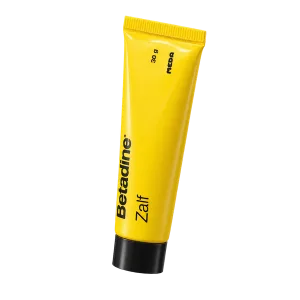
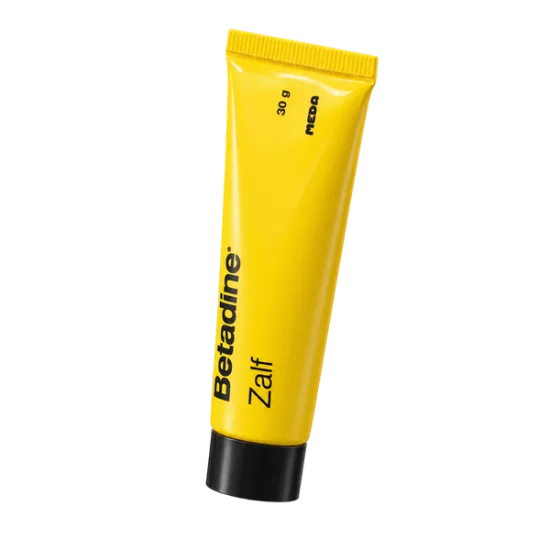
Betadine

Betadine is intended for adults and children needing topical antiseptic care for minor skin injuries. Its ointment format supports local application to affected skin, helping reduce microbial…

Guaranteed quality Original product
Delivery: from 4 days Discreet shipping
24/7 Support Always available
Active ingredient: Povidone-iodine
Select pack Package Per unit Price
$ 194.48 $ 194.48
$ 138.38 $ 388.96 $ 276.76 Save 29%
Best value $ 110.95 $ 583.44 $ 332.86 Save 43%

Free delivery on orders from $ 374.00, free express delivery from $ 561.00

Secure payment methods:
VISA AMEX JCB DISCOVER

Betadine is intended for adults and children needing topical antiseptic care for minor skin injuries. Its ointment format supports local application to affected skin, helping reduce microbial contamination during wound care.

Product information

Betadine is a topical antiseptic ointment supplied in a tube. The product is designed for external application to minor cuts, grazes, superficial abrasions, and small burns where local antiseptic care is appropriate.

Betadine belongs to the povidone-iodine antiseptic category. Povidone-iodine preparations release iodine gradually at the skin surface, where iodine can damage proteins and other structures used by many microorganisms [1].

Directions for use

Use Betadine on the affected skin according to the purpose of treatment and the instructions agreed with a doctor or pharmacist. The amount and frequency depend on the wound, its size, the skin condition, and whether the product is being used for prevention or treatment support.

A practical approach includes:

  • Wash your hands before and after applying the ointment.
  • Rinse visible dirt from a minor wound with clean running water.
  • Pat the surrounding skin dry without rubbing the injured area.
  • Apply a thin layer of Betadine to the affected surface.
  • Keep the ointment away from the eyes and inside of the mouth.
  • Cover the area with a suitable dressing only when protection from friction or contamination is needed.
  • Stop home treatment and seek medical attention if redness spreads, pain increases, pus develops, or fever occurs.

Do not use the ointment repeatedly over large areas without medical direction. Iodine exposure can increase when a topical preparation is applied extensively, frequently, or beneath an occlusive dressing.

If a dressing sticks to the wound, moisten it with clean water before removal. Pulling a dry dressing away can disturb new tissue and restart bleeding.

A missed application does not require a doubled amount. Resume the agreed schedule when appropriate, and avoid applying extra ointment to compensate.

Ingredients

Betadine is a topical antiseptic ointment in a tube for external application to minor cuts, grazes, superficial abrasions, and small burns. It belongs to the povidone-iodine antiseptic category; these preparations release iodine gradually at the skin surface, where it can damage proteins and other structures used by many microorganisms [1].

How it affects the body

Povidone-iodine is an iodine complex. The povidone component acts as a carrier, allowing free iodine to become available gradually at the application site. Free iodine can disrupt microbial proteins and cell membranes. This gives the preparation activity against a broad range of bacteria, fungi, and viruses. The extent of activity depends on the formulation and contact conditions.

This action is local. It does not make the whole body resistant to infection and does not treat infections located deep beneath the skin.

The brown or golden-brown colour associated with iodine preparations comes from iodine chemistry. Colour alone does not show whether a wound is healing, and it should not be used to judge infection severity.

Research on topical antiseptics shows that tissue compatibility depends on concentration, exposure time, wound depth, and frequency of use. Antiseptics may be useful for selected contaminated wounds, while routine prolonged use on healthy healing tissue can irritate the skin [3].

Take a photo of the wound for your own comparison only if it is useful to monitor change. Compare redness, swelling, discharge, and pain over time rather than focusing on the ointment’s colour.

A burning sensation, increasing tenderness, or a rash after application can indicate irritation or contact sensitivity. Wash the area gently and stop using the product if a significant reaction develops.

Therapeutic indications

The product is designed for external application to minor cuts, grazes, superficial abrasions, and small burns where local antiseptic care is appropriate.

The ointment is most suitable for local, short-term care. Deep wounds, extensive burns, animal bites, puncture wounds, and injuries with embedded dirt need medical assessment rather than repeated home application.

Common mistakes

Several habits can reduce the value of topical antiseptic care:

  • Applying ointment before removing visible dirt.
  • Covering a wound with a thick layer.
  • Using the product on a large area without advice.
  • Reapplying every few hours because the wound still looks red.
  • Combining Betadine with alcohol, peroxide, chlorhexidine, or another antiseptic.
  • Applying it to the eyes, mouth, or deep wound.
  • Ignoring increasing pain because the wound appears small.
  • Removing a dressing aggressively when it has dried onto the wound.
  • Continuing treatment despite a spreading rash or persistent burning.
  • Treating an animal bite or puncture wound at home without assessment.

A small wound can still become complicated when a foreign body remains under the skin. Gravel, glass, plant material, and splinters may require removal by a clinician.

The ointment should not be used as a substitute for tetanus assessment after a contaminated injury. Tetanus protection depends on vaccination history and the type of wound, not on topical antiseptic use.

Reasons not to use it

  • A known allergy or previous significant reaction to povidone-iodine.
  • Thyroid disease, especially when repeated or extensive use is being considered.
  • Significant kidney disease when large-area or prolonged treatment may be needed.
  • Pregnancy or breastfeeding if repeated, extensive, or prolonged application is planned.
  • Use in newborns or very young infants without clinical direction.
  • A large wound, extensive burn, deep puncture, bite, or wound requiring closure.
  • Suspected infection with spreading redness, increasing warmth, pus, fever, or red streaking.

Tell the clinician or pharmacist if you use lithium, have thyroid treatment, or are receiving investigations or treatment involving the thyroid. Povidone-iodine may interfere with some thyroid tests and can add to iodine exposure.

Avoid combining several antiseptics on the same area unless this has been specifically advised. Mixing products can increase irritation and makes it harder to identify which preparation caused a reaction.

When this is not for you

Betadine may not be right for you if you have had an allergy or significant reaction to povidone-iodine, thyroid or kidney disease, or if you are pregnant or breastfeeding and need repeated or extensive treatment. Ask a clinician before using it on a newborn, a large or deep wound, an extensive burn, a bite, or a puncture wound. Seek medical advice instead of continuing home treatment if redness spreads, warmth or pain increases, pus or fever develops, or red streaking appears.

Unwanted effects

Most problems with topical antiseptic ointments are local. Possible reactions include:

  • Stinging or burning after application.
  • Dryness, redness, or irritation.
  • Itching or a rash.
  • Contact dermatitis, including blistering in sensitive individuals.
  • Temporary staining of the skin or fabric.

A mild brief sting may occur on damaged skin. Persistent burning, swelling, blistering, or worsening redness requires the ointment to be removed and the skin assessed.

Severe allergic reactions are uncommon but need urgent care. Warning signs include swelling of the lips or face, wheezing, difficulty breathing, widespread hives, or faintness.

Betadine should not be placed in the eyes. If it enters the eye, rinse with plenty of clean water and obtain medical advice if pain, blurred vision, or irritation continues.

One practical detail is easy to miss: ointment can transfer from fingertips to towels, clothing, bedding, or bathroom surfaces. Wash hands after application and allow the treated area to settle before contact with fabrics.

Comparison

Different wound-care products have different roles. The choice depends on the wound, the person’s medical history, and whether the main need is cleansing, antisepsis, moisture control, or protection from friction.

Approach Main role Practical limitation
Betadine topical ointment Local antiseptic care for minor skin injuries Not suitable for every wound or repeated large-area use
Sterile saline or clean water Removal of dirt and loose material Does not provide sustained antiseptic activity
Alcohol-based antiseptic Rapid surface disinfection on intact skin May sting and can irritate broken skin
Plain protective ointment Reduces friction and moisture loss Does not provide antiseptic action

Betadine is different from a simple barrier ointment because its purpose includes reducing microbial contamination. It is also different from an antibiotic cream, which contains an antibacterial drug and may create a risk of sensitisation or inappropriate antibiotic exposure when used without a clear indication.

A topical antiseptic cannot replace removal of foreign material, wound closure, tetanus assessment, or treatment of an established deep infection. The WHO describes hand hygiene and appropriate wound-care technique as central parts of reducing contamination during care [2].

What doctors say

In clinical practice, the first question is usually the type of wound, not the brand of ointment. A clean, shallow graze may need washing, protection, and observation. A puncture wound may need assessment for retained material, tendon injury, nerve damage, and tetanus protection.

Doctors also look at the trend over time. Pain that eases, redness that remains local, and gradual closure are reassuring signs. Redness that expands beyond the wound, increasing swelling, pus, fever, or reduced movement suggests a need for medical review.

Medsafe places emphasis on correct topical use, avoiding sensitive sites, and recognising when self-care is no longer appropriate [4]. A clinician may also choose a different approach when a person has iodine sensitivity, thyroid disease, a large wound, or a history of poor wound healing.

Betadine is best viewed as one part of minor wound care. Cleaning, protection from repeated friction, hand hygiene, and observation still determine much of the result.

What customers often ask

Can Betadine be used before sun exposure?

Betadine is not a sunscreen and does not protect treated skin from ultraviolet radiation. A covered or healing wound should be protected from direct sunlight, especially when the skin is newly closed or irritated. The WHO advises physical protection and appropriate wound hygiene during recovery, while the treated area should not be deliberately exposed to strong sunlight . WHO guidance from 2009 supports protecting healing skin from avoidable environmental exposure. Keep the wound covered when practical and avoid applying additional cosmetic products over it unless advised.

What happens when Betadine is stopped, and does it need tapering?

Topical Betadine does not require tapering. Stopping it does not cause the withdrawal symptoms associated with some medicines. Once a minor wound is clean, closed, and free from concerning symptoms, continued antiseptic application may not be necessary; repeated use can cause dryness or irritation in some people. Medsafe product information supports using topical antiseptics for the intended period rather than continuing automatically . Medsafe information from 2020 also supports stopping when the intended period of use has ended.

What should I do if the wound does not improve?

Review the wound if pain, redness, swelling, heat, discharge, or reduced movement is increasing. Medical assessment is also appropriate when there is fever, a red streak, numbness, a deep cut, a puncture, an animal bite, or a wound that will not close. The EMA’s general safety principles for topical antiseptic preparations support limiting treatment to suitable local indications and obtaining assessment when symptoms suggest a deeper process [5]. An EMA document from 2018 provides a regulatory context for evaluating topical medicines. Do not respond by applying progressively thicker layers or combining several antiseptics.

Can Betadine be combined with medicines or supplements?

Avoid combining it on the same skin area with another antiseptic unless a clinician or pharmacist has directed this. People using lithium, thyroid medicines, or iodine-containing products should mention this before repeated or extensive povidone-iodine use because iodine exposure may affect thyroid management or testing. A once-only small-area application carries less systemic exposure than prolonged use over a large wound. The FDA’s topical antiseptic information advises using these preparations only as directed and stopping when significant irritation occurs . FDA information from 2020 also emphasizes following the product directions and monitoring for irritation.

What should be discussed with a doctor before starting Betadine?

Mention thyroid disease, kidney disease, iodine sensitivity, pregnancy, breastfeeding, treatment with lithium, and regular use on large or broken areas. Describe the wound’s depth, cause, age, and any retained dirt or foreign material. A clinician may also review tetanus protection after a contaminated injury. These details help determine whether a topical antiseptic is appropriate or whether wound closure, removal of foreign material, antibiotics, or other care is needed. Medsafe guidance from 2020 can help clinicians assess whether the product is suitable.

Can Betadine affect driving, concentration, or machinery work?

A small-area topical application is not expected to impair driving, concentration, or the operation of machinery because it is applied to the skin rather than taken by mouth. Avoid driving if you develop a severe allergic reaction, feel faint, or need urgent medical care. Keep the ointment away from the eyes, since blurred vision from accidental eye contact can make driving unsafe. Skin discomfort may also interfere with manual work when the treated area is on the hands. FDA information from 2020 supports seeking advice if an adverse reaction affects safe activity.

Can Betadine be used under 18?

Children and adolescents may require different advice depending on age, wound size, thyroid history, and how much skin is affected. Use on infants and young children should be guided by a clinician, especially when the wound is extensive or treatment may continue for several days. Do not allow a child to lick or swallow the ointment. Store the tube out of reach and seek urgent advice after ingestion or eye exposure. Medsafe information from 2020 supports keeping topical medicines away from children.

Do you offer anonymous delivery?

Your order will be securely packed and shipped within 24 hours. This is exactly what your package will look like (images of an actual item sent). It has the size and look of a regular private letter (24x11x0.7 cm) and its contents cannot be seen.

Comparison

How the medicines for Antiseptics compare

How Buyers Rate Betadine

Based on 3 reviews

Christopher M., 56 Verified
Rating: 4 out of 5

I applied a thin layer of Betadine once daily to a shallow scrape after falling on a rough path. The ointment stayed in place better than a liquid, and the area looked calmer after a few days. It did sting briefly when I first applied it.

Napier 2 Nov 2026
Graham, 48 Verified
Rating: 3 out of 5

I applied a thin layer to a small cut on my hand once daily for several days. The cut healed, although the skin around it became dry, so I used less ointment and stopped once the surface had closed. I would not use it on a larger wound without getting advice.

Hamilton Several days 6 Oct 2026
Daniel, 47 Verified
Rating: 5 out of 5

I used a thin layer of Betadine on minor grazes after outdoor work for a few days. It was easy to apply, but I initially put on far too much and stained a dressing. A thin layer was more practical.

Greymouth A few days 13 Oct 2026

Sources

  1. U.S. Food and Drug Administration (2020). OTC Monograph M003: Topical Antiseptic Drug Products for Over-the-Counter Human Use.
  2. World Health Organization (2009). WHO Guidelines on Hand Hygiene in Health Care.
  3. Cochrane (2017). Topical antiseptics for treating infected wounds.
  4. Medsafe (2020). Betadine Antiseptic Ointment: Data Sheet.
  5. European Medicines Agency (2018). European public assessment and product information documents for povidone-iodine topical medicines.
Get our free app Shop faster and track your orders Install