Skip to content
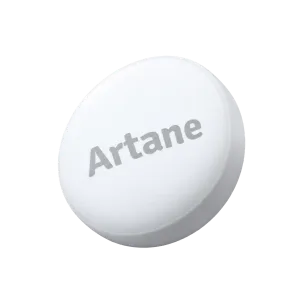
In stock Artane
Neurology

Artane

Adults with Parkinson disease or medicine-induced movement symptoms may be prescribed Artane, which contains trihexyphenidyl hydrochloride. It reduces excessive cholinergic activity in the brain…

Guaranteed quality Original product
Delivery: from 4 days Discreet shipping
24/7 Support Always available
Active ingredient: Trihexyphenidyl
Select pack Package Per unit Price
$ 3.43 $ 308.55
Free Regular Delivery $ 3.18 $ 411.40 $ 381.48 Save 7%
Free Regular Delivery $ 2.91 $ 617.10 $ 523.60 Save 15%
Best value Free Express Delivery $ 2.75 $ 925.65 $ 742.39 Save 20%

Free delivery on orders from $ 374.00, free express delivery from $ 561.00

Secure payment methods:
VISA AMEX JCB DISCOVER

Adults with Parkinson disease or medicine-induced movement symptoms may be prescribed Artane, which contains trihexyphenidyl hydrochloride. It reduces excessive cholinergic activity in the brain, helping ease tremor, stiffness, and some involuntary movements.

Product information

Artane is an oral anticholinergic tablet used in Parkinson disease and selected extrapyramidal symptoms caused by dopamine-blocking medicines. Extrapyramidal symptoms are drug-related movement problems such as stiffness, tremor, muscle spasms, restlessness, or abnormal postures.

Parkinson disease involves changes in dopamine-producing nerve cells and movement control. Artane does not replace dopamine. It changes the balance between dopamine and acetylcholine signals within movement pathways, which can reduce tremor and rigidity in some patients. NICE guidance places anticholinergic treatment in a limited role because cognitive and other anticholinergic effects can outweigh movement benefits, especially in older adults [3].

Management of Parkinson Disease Symptoms

Artane may help when tremor and muscle stiffness are prominent. Its benefit is less predictable for slowness of movement, balance impairment, speech changes, or advanced Parkinson disease.

Clinicians may also use trihexyphenidyl for extrapyramidal reactions associated with antipsychotic treatment. The aim is to reduce the movement reaction while the responsible medicine is reviewed. Artane should not be used as an automatic solution for every new tremor or muscle spasm.

A new tremor, sudden stiffness, or abnormal movement after starting an antipsychotic needs a medication review; increasing Artane without identifying the cause can hide a serious reaction.

Directions for use

Artane tablets are taken by mouth. The dose is decided individually, taking age, other medicines, and health conditions into account. Treatment commonly begins cautiously, with adjustments based on tremor control, stiffness, alertness, vision, bowel function, and urination.

  • Take Artane at the prescribed times.
  • Swallow the tablet with water unless the prescriber gives different instructions.
  • Do not take extra tablets to compensate for tremor that breaks through.
  • If a dose is missed, take it when remembered unless the next scheduled dose is near; skip the missed dose rather than doubling.
  • Do not stop long-term treatment abruptly without a planned review, especially when it is being used alongside treatment for Parkinson disease or an antipsychotic-related movement disorder.
  • Avoid driving until dizziness, blurred vision, and drowsiness are absent and the individual response is known.

Treatment duration depends on the reason for use. Some people need a short course for a medicine-induced movement reaction; others receive longer treatment for persistent Parkinsonian tremor. Long-term therapy requires periodic review because anticholinergic burden can rise gradually, even when the original movement symptoms remain controlled.

A common practical error is taking Artane only when tremor feels severe. Intermittent use can produce uneven symptom control and makes side effects harder to interpret. Another is taking a missed dose together with the next one, which can sharply increase confusion, blurred vision, and urinary problems.

Ingredients

Artane contains trihexyphenidyl hydrochloride, a centrally acting anticholinergic. It reduces the effect of acetylcholine at muscarinic receptors in parts of the brain involved in movement control. The result can be less tremor and reduced muscle overactivity.

Acetylcholine is a neurotransmitter, meaning a chemical messenger used by nerve cells. In Parkinson disease, reduced dopamine activity can leave cholinergic signalling relatively overactive. Trihexyphenidyl shifts this balance by dampening acetylcholine signals rather than increasing dopamine directly. The U.S. National Library of Medicine prescribing information describes trihexyphenidyl as an anticholinergic treatment used for parkinsonian symptoms and drug-induced extrapyramidal reactions [1].

This mechanism also explains many unwanted effects:

  • Dry mouth results from reduced salivary secretion.
  • Blurred vision can occur when the pupil and focusing muscles are affected.
  • Constipation reflects slower intestinal movement.
  • Difficulty passing urine may develop when bladder contraction is reduced.
  • Drowsiness, confusion, or poor concentration can occur because the medicine acts within the central nervous system.

Artane works differently from levodopa, which increases dopamine availability in the brain. It also differs from dopamine agonists, which stimulate dopamine receptors. That difference matters when a doctor chooses treatment for a particular symptom pattern.

How it affects the body

It reduces the effect of acetylcholine at muscarinic receptors in parts of the brain involved in movement control. In Parkinson disease, reduced dopamine activity can leave cholinergic signalling relatively overactive. Trihexyphenidyl shifts this balance by dampening acetylcholine signals rather than increasing dopamine directly.

Therapeutic indications

Adults with Parkinson disease or medicine-induced movement symptoms may be prescribed Artane, which contains trihexyphenidyl hydrochloride. It reduces excessive cholinergic activity in the brain, helping ease tremor, stiffness, and some involuntary movements.

Artane is an oral anticholinergic tablet used in Parkinson disease and selected extrapyramidal symptoms caused by dopamine-blocking medicines. Extrapyramidal symptoms are drug-related movement problems such as stiffness, tremor, muscle spasms, restlessness, or abnormal postures.

Artane may help when tremor and muscle stiffness are prominent. Its benefit is less predictable for slowness of movement, balance impairment, speech changes, or advanced Parkinson disease.

Clinicians may also use trihexyphenidyl for extrapyramidal reactions associated with antipsychotic treatment. The aim is to reduce the movement reaction while the responsible medicine is reviewed. Artane should not be used as an automatic solution for every new tremor or muscle spasm.

Common mistakes

Several patterns regularly lead to poor results:

  • Increasing the dose independently when tremor returns.
  • Treating constipation as unrelated and allowing it to become severe.
  • Driving despite blurred vision or drowsiness.
  • Combining Artane with sedating antihistamines, sleeping tablets, or alcohol.
  • Taking another anticholinergic medicine without recognising the duplicate effect.
  • Stopping suddenly after prolonged use without a planned review.
  • Assuming that a dry mouth is harmless when it is accompanied by difficulty swallowing, confusion, or reduced urination.
  • Using Artane for a new movement problem without checking whether another medicine caused it.

One useful personal record is simple: note the time of each dose, tremor or stiffness before treatment, bowel movement pattern, urination, vision, and alertness. This gives the clinician practical information for adjusting treatment.

If handwriting or tremor improves but memory, balance, or urination worsens, record both changes; the treatment decision depends on the full pattern, not the motor benefit alone.

Reasons not to use it

  • Narrow-angle or untreated angle-closure glaucoma.
  • Urinary retention or significant bladder outflow obstruction.
  • Severe constipation, intestinal obstruction, or paralytic ileus.
  • Previous serious reaction to trihexyphenidyl.
  • Marked cognitive impairment, delirium, or recurrent hallucinations.
  • A history of severe anticholinergic sensitivity.
  • Conditions worsened by a rapid heartbeat, where anticholinergic effects may create additional risk.

When this is not for you

Artane may not be for you if you have glaucoma risk, urinary retention, severe constipation, marked cognitive impairment, recurrent hallucinations, or a history of severe anticholinergic sensitivity. Older adults need special care because confusion, falls, urinary retention, and constipation may appear even at doses tolerated by younger adults. People with enlarged prostate symptoms, heart rhythm problems, glaucoma risk, or memory problems should have these factors considered before treatment.

Pregnancy and breastfeeding require an individual risk assessment. Human evidence is limited, and trihexyphenidyl may affect the infant or milk supply through its anticholinergic action. The treating clinician should weigh the need for symptom control against alternatives and the infant’s wellbeing.

Unwanted effects

Anticholinergic effects are the most relevant tolerability issue. The Artane data sheet identifies effects such as dry mouth, blurred vision, constipation, nausea, dizziness, drowsiness, and difficulty urinating among reported reactions [2].

Symptom Why it may occur Practical response
Dry mouth or nausea Reduced salivary and digestive secretions Small sips of water and regular oral care may help
Dizziness or drowsiness Central nervous system anticholinergic activity Rise slowly and avoid driving until the response is clear
Constipation Slower bowel movement Maintain fluid intake and discuss persistent symptoms promptly

Side effects can be more troublesome after a dose increase, during hot weather, or when Artane is combined with other medicines that cause drowsiness or dry mouth. Older adults often have a narrower margin between symptom relief and confusion.

Blurred vision deserves practical attention. Driving, cycling, climbing ladders, and operating machinery become less safe if visual focusing is impaired. A patient may notice that reading becomes difficult before distance vision changes.

Constipation that lasts several days, becomes painful, or occurs with vomiting needs prompt medical attention rather than repeated self-treatment with laxatives.

One detail patients often miss is urinary retention. A weak stream, lower abdominal pressure, or inability to pass urine can signal excessive anticholinergic activity and requires urgent assessment.

Nausea may settle as the body adjusts, but persistent vomiting can cause dehydration and worsen dizziness. Alcohol can intensify drowsiness and impaired coordination, so combining them is discussed separately in the FAQ.

Comparison

Approach Main pharmacological action Typical clinical role
Artane — trihexyphenidyl Reduces central acetylcholine signalling Tremor, rigidity, or selected drug-induced extrapyramidal symptoms
Levodopa-based therapy Increases dopamine availability Broader motor symptoms in Parkinson disease
Dopamine-blocking medicine adjustment Reduces the cause of a drug-induced reaction Review of antipsychotic or anti-nausea treatment when symptoms begin

Artane may suit a tremor-dominant pattern when cognitive function and anticholinergic risk are acceptable. Levodopa-based treatment is generally more central when slowness, rigidity, and wider motor disability require treatment. When symptoms are caused by another medicine, reviewing that medicine may be more important than adding an anticholinergic.

There is a trade-off. Artane can reduce tremor without directly replacing dopamine, but it may worsen memory, constipation, urination, and vision. A treatment that improves hand shaking while causing confusion is not a good long-term balance.

What doctors say

In clinical practice, doctors often treat Artane as a symptom-targeted option rather than a universal Parkinson disease treatment. It can be useful for tremor and rigidity, yet the same anticholinergic action that reduces movement symptoms can impair concentration, bowel function, bladder emptying, and visual focus.

A neurologist will usually look for a measurable benefit. Better handwriting, less tremor during meals, easier dressing, or fewer muscle spasms are more useful markers than a general impression of feeling different.

The medicine also needs a review when a patient develops hallucinations, falls, confusion, or urinary difficulty. These symptoms can indicate that the burden of treatment has become greater than its benefit.

For drug-induced movement symptoms, clinicians assess the responsible antipsychotic or anti-nausea medicine. Artane may help, but the underlying treatment plan still needs attention. A movement reaction that persists, changes character, or includes fever and severe rigidity should not be managed by self-adjusting tablets.

What customers often ask

Can alcohol be used while taking Artane?

Alcohol can add to Artane-related drowsiness, dizziness, blurred vision, and impaired coordination. Medsafe’s 2025 safety information for trihexyphenidyl supports caution with other central nervous system depressants because combined effects can increase falls and poor judgement. The WHO’s 2023 Parkinson disease information also recognises falls and mobility problems as important complications, so alcohol is a poor combination when balance is already affected. Avoid driving or machinery if any sedation or visual disturbance occurs. A pharmacist or clinician can help assess whether alcohol is safe for you.

Is Artane suitable for older adults?

Older adults can receive Artane, but the risk of confusion, hallucinations, constipation, urinary retention, blurred vision, and falls is higher. NICE guidance published in 2017 places anticholinergic treatment in a restricted role for Parkinson disease because cognitive adverse effects may be significant. Medsafe’s 2025 product information supports cautious individual dosing and monitoring in older people. A new change in memory, behaviour, walking, or bladder function should prompt a treatment review.

Can Artane be used during pregnancy or breastfeeding?

Pregnancy and breastfeeding require a specific clinical decision because human safety information for trihexyphenidyl is limited. Medsafe’s 2025 product information advises weighing maternal benefit against potential effects on the developing baby or breastfed infant. The medicine’s anticholinergic action may also reduce milk production in some circumstances. Treatment should be reviewed before conception whenever possible, and an infant exposed through breast milk should be monitored for poor feeding, unusual sleepiness, or other changes.

How long does an Artane course last, and is long-term use acceptable?

The course depends on whether Artane is treating Parkinsonian symptoms or a reaction caused by another medicine. NICE’s 2017 Parkinson disease guideline supports regular review of anticholinergic treatment because long-term cognitive, bladder, bowel, and vision effects can accumulate. Medsafe’s 2025 information supports dose adjustment according to clinical response and tolerability rather than a fixed course for every patient. Long-term use can be acceptable for selected patients when the movement benefit remains clear and adverse effects remain controlled.

Can Artane tablets be split, crushed, or chewed?

The tablet should be swallowed as prescribed rather than crushed or chewed, unless a prescriber or dispensing pharmacist has specifically approved another method. The Medsafe 2025 product information provides the relevant administration and formulation guidance for Artane tablets. Crushing can make swallowing unpleasant and may alter how the tablet is taken, even when it is not a modified-release product. A person who cannot swallow tablets safely needs a planned alternative rather than changing the tablet independently.

Do you offer anonymous delivery?

Your order will be securely packed and shipped within 24 hours. This is exactly what your package will look like (images of an actual item sent). It has the size and look of a regular private letter (24x11x0.7 cm) and its contents cannot be seen.

Comparison

Aricept

Active ingredient: Donepezil
10mg 5mg
From $ 220.66
pills
3.7 (3)

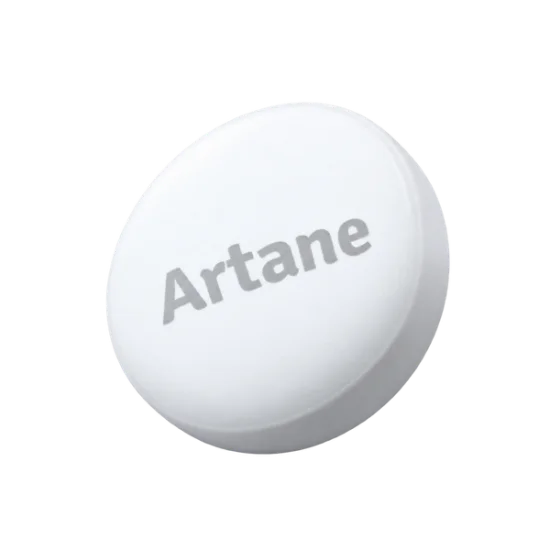
Artane Current

Active ingredient: Trihexyphenidyl
2mg
From $ 308.55
pills
3.3 (5)

Azilect

Active ingredient: Rasagiline
1mg
From $ 84.15
pills
3.8 (4)

Baclofen

Active ingredient: Baclofen
10mg 25mg
From $ 188.87
pills
3.6 (5)

Neurontin

Active ingredient: Gabapentin
100mg 300mg 400mg 600mg 800mg
From $ 76.67
pills
3.9 (5)

How the medicines for Neurology compare

How Buyers Rate Artane

Based on 5 reviews

Andrew, 44 Verified
Rating: 4 out of 5

I used Artane tablets for tremor and stiffness linked to Parkinson symptoms. After the first few weeks, eating and writing felt more manageable, and the improvement was clear enough to notice during ordinary tasks.

Napier 15 Nov 2026
Tom S., 58 Verified
Rating: 4 out of 5

Artane reduced the shaking in my hands when I was working at the computer. It did not make every symptom disappear, but daily tasks became less frustrating and the benefit stayed consistent.

Masterton 25 Oct 2026
Matthew, 29 Verified
Rating: 1.5 out of 5

Artane did not help the movement problem I was having after another medicine. I also felt unusually dry-mouthed and unfocused, so I stopped taking it after discussing the reaction with my doctor.

Auckland 22 Nov 2026
Gary N., 68 Verified
Rating: 3 out of 5

The tablets reduced my tremor, but constipation and a slightly blurred feeling in my vision were inconvenient. The benefit was real, though the treatment needed more adjustment than I expected.

Tauranga 1 Nov 2026
Ben, 68 Verified
Rating: 4 out of 5

Artane made my hands steadier during meals and helped with stiffness in the morning. I was satisfied with the practical improvement because it made small routines easier.

Wellington 11 Nov 2026

Sources

  1. U.S. National Library of Medicine (2024). Trihexyphenidyl Hydrochloride tablet — prescribing information.
  2. Medsafe (2025). Artane Tablets — Data Sheet.
  3. National Institute for Health and Care Excellence (2017). Parkinson’s disease in adults: diagnosis and management.
Get our free app Shop faster and track your orders 3.9 · 488 reviews Install