My knee was less stiff in the morning and I walked more comfortably. I also noticed my ankles looked puffy after about ten days, so the prescriber reviewed my blood pressure and changed the plan.
Rotorua Several weeks 6 Oct 2026Arcoxia
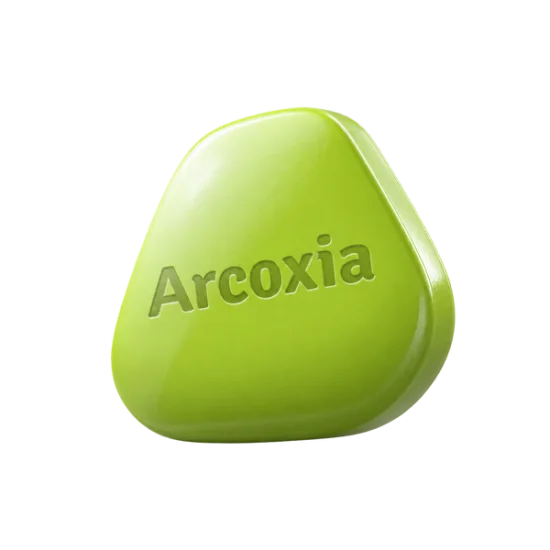
Arcoxia is used for inflammatory joint disease and short-term pain in adults who have been prescribed etoricoxib. By selectively inhibiting COX-2, it can reduce pain, swelling, and stiffness.
Product information
Etoricoxib, the active ingredient in Arcoxia, is a selective COX-2 inhibitor used for inflammatory joint disease and short-term pain. Arcoxia tablets can reduce pain, swelling, and stiffness in conditions such as arthritis, ankylosing spondylitis, acute gout, and selected musculoskeletal pain.
Directions for use
- Take Arcoxia by mouth as prescribed.
- Use the prescribed dose at the prescribed frequency.
- Swallow the tablet with water.
- It may be taken with or without food, although taking it after food can be more comfortable for people who notice stomach upset.
- Use the shortest treatment duration that controls the relevant condition.
- Do not take extra tablets to compensate for a missed dose.
- If a dose is missed, take the next scheduled dose at the usual time unless a prescriber has given different instructions.
- Do not double the next dose.
The amount per intake is selected for the individual rather than applied as one universal dose. Treatment for acute gout, dental pain, arthritis, and ankylosing spondylitis is not interchangeable.
Do not crush a tablet unless the prescriber or dispensing instructions specifically allow it. Altering a solid oral dosage form can make administration unreliable. Keep a written record of the time taken if several medicines are used each day; double-dosing is an easy mistake when pain disrupts sleep.
The Medsafe data sheet describes etoricoxib dosing by indication, with treatment decisions based on the diagnosed condition and the person’s risk factors [3]. Prescription use is appropriate because dose selection requires more than judging pain intensity alone.
Ingredients
Arcoxia contains etoricoxib, a selective cyclo-oxygenase-2 (COX-2) inhibitor in the nonsteroidal anti-inflammatory drug (NSAID) class. It is supplied as oral tablets and is prescribed for inflammatory pain, joint stiffness, and certain acute pain conditions.
Etoricoxib reduces the production of prostaglandins, chemical messengers involved in pain, swelling, inflammation, and fever. The drug acts more selectively on COX-2 than older non-selective NSAIDs, which also inhibit COX-1.
Role of etoricoxib in targeted inhibition
COX-2 activity rises during inflammation. It contributes to the release of prostaglandins around affected joints and tissues. By inhibiting COX-2, etoricoxib can reduce inflammatory pain and improve movement.
COX-1 has separate roles in the stomach lining, kidney function, and platelet activity. Etoricoxib has less direct COX-1 inhibition than medicines such as naproxen or ibuprofen, though it can still cause stomach, kidney, fluid-retention, and blood-pressure problems. The EMA and MHRA product information describe these pharmacological and safety considerations for etoricoxib [1].
How it affects the body
Etoricoxib selectively inhibits cyclo-oxygenase-2, reducing the production of prostaglandins that contribute to pain, swelling, inflammation, and fever. It has less direct cyclo-oxygenase-1 inhibition than non-selective NSAIDs, but this selectivity does not eliminate kidney, fluid-retention, stomach, or blood-pressure risks.
Therapeutic indications
Arcoxia is used for inflammatory and painful musculoskeletal conditions when a prescriber considers etoricoxib suitable. Its indications include arthritis, ankylosing spondylitis, acute gout attacks, and some short-term pain states.
| Condition | Symptoms that may improve | Usual treatment aim |
|---|---|---|
| Osteoarthritis or rheumatoid arthritis | Joint pain, swelling, and stiffness | Improve daily movement and reduce inflammatory discomfort |
| Ankylosing spondylitis | Spinal pain, stiffness, and reduced mobility | Reduce inflammation and morning stiffness |
| Acute gout | Sudden severe joint pain and swelling | Control the inflammatory flare |
| Dental or musculoskeletal pain | Short-term acute pain | Provide temporary pain relief during the painful episode |
Arcoxia may also be prescribed for acute dental pain after a dental procedure. The duration depends on the reason for treatment, because a short acute-pain course is managed differently from continuing arthritis symptoms. NICE guidance for osteoarthritis places NSAIDs within a wider treatment plan that can include movement, physical therapy, and condition-specific care [2].
Patients with acute gout often need rapid anti-inflammatory treatment, while people with osteoarthritis or ankylosing spondylitis may need a longer plan with regular review. The medicine controls symptoms; it does not remove urate crystals, repair damaged cartilage, or permanently change the course of an inflammatory disease.
Common mistakes
Several practical errors can reduce benefit or increase harm:
- Taking Arcoxia together with ibuprofen, naproxen, diclofenac, or another NSAID.
- Continuing a short acute-pain course for longer than prescribed.
- Ignoring rising blood pressure because the joints feel better.
- Taking an extra tablet after a missed dose.
- Starting treatment during significant dehydration without obtaining medical advice.
- Forgetting to mention warfarin, aspirin, diuretics, lithium, or blood-pressure medicines.
- Assuming COX-2 selectivity eliminates ulcer, kidney, or cardiovascular risk.
- Using leftover tablets for a new pain episode without confirming that the diagnosis is the same.
A frequent real-world problem is treating a new pain site with old medication. Pain after an injury, dental procedure, or infection may require a different assessment, especially if swelling, fever, or loss of function is present.
Patients sometimes stop monitoring blood pressure once the pain improves. That misses one of the clinically relevant effects that may occur without obvious symptoms.
Reasons not to use it
Arcoxia is NOT for you if you have uncontrolled hypertension, established cardiovascular disease, severe kidney disease, or a serious NSAID allergy. It should not be used in people with:
- Active stomach or intestinal ulceration or bleeding
- Previous serious allergic reaction to etoricoxib, aspirin, or another NSAID
- Severe liver disease
- Severe kidney disease
- Uncontrolled high blood pressure
- Established heart failure
- Ischaemic heart disease, peripheral arterial disease, or previous stroke
- Pregnancy when use has not been specifically assessed by the prescriber
- A planned coronary artery bypass operation
Etoricoxib can interact with medicines that affect blood pressure, kidney function, clotting, or inflammation. Relevant combinations include:
- Warfarin and other anticoagulants
- ACE inhibitors, angiotensin-receptor blockers, and diuretics
- Low-dose aspirin
- Methotrexate
- Lithium
- Ciclosporin or tacrolimus
- Other NSAIDs, including COX-2 inhibitors
- Oral contraceptives containing oestrogen
The combination of an NSAID, an ACE inhibitor or angiotensin-receptor blocker, and a diuretic can place substantial stress on kidney function, especially during dehydration. Low-dose aspirin may be prescribed for cardiovascular protection, but adding etoricoxib can increase gastrointestinal risk without removing cardiovascular concerns.
People with hypertension should have blood pressure controlled before treatment. Those with a history of ulcer disease, kidney impairment, heart failure, or cardiovascular events require a different risk assessment from someone with no relevant history.
When this is not for you
Talk to a prescriber before using Arcoxia if you have heart or circulation disease, uncontrolled high blood pressure, kidney or liver problems, heart failure, a history of ulcers or bleeding, or a serious reaction to aspirin or another NSAID. Tell the prescriber about medicines such as warfarin, aspirin, diuretics, lithium, or other anti-inflammatory painkillers. Use during pregnancy and before planned coronary artery bypass surgery requires specific medical assessment.
Unwanted effects
Common or clinically relevant reactions can include:
- Headache or dizziness
- Indigestion, stomach discomfort, nausea, or diarrhoea
- Swelling of the ankles or feet from fluid retention
- Increased blood pressure
- Palpitations
- Tiredness
- Changes in kidney function
- Skin rash
Some effects are more likely with longer treatment, higher exposure, older age, dehydration, or concurrent medicines that affect kidney function. A person can have a blood-pressure rise without feeling any different, so blood-pressure monitoring may be needed during treatment.
Seek urgent medical attention for chest pain, sudden breathlessness, weakness on one side, facial swelling, severe skin blistering, black stools, vomiting blood, or a marked reduction in urine. These symptoms can indicate a cardiovascular event, serious allergy, severe skin reaction, gastrointestinal bleeding, or kidney injury.
Arcoxia can worsen fluid retention in susceptible people. Swollen ankles that appear after starting treatment deserve attention, especially when accompanied by breathlessness or a rapid increase in body weight.
One practical detail is easy to overlook: dehydration from vomiting, diarrhoea, fever, or intense exercise can place extra strain on the kidneys while taking an NSAID. Restoring fluids and obtaining medical advice may be necessary rather than simply continuing the same routine.
Another detail concerns blood pressure. A home reading that becomes repeatedly higher after starting treatment may be clinically relevant even when joint pain has improved.
Comparison
Etoricoxib belongs to the COX-2 inhibitor subgroup of NSAIDs. Traditional NSAIDs inhibit both COX-1 and COX-2 to varying degrees. This difference helps explain why people may experience different stomach, cardiovascular, kidney, or blood-pressure effects with each option.
| Treatment approach | Main pharmacological feature | Main clinical limitation |
|---|---|---|
| Etoricoxib | Selective COX-2 inhibition | Can raise blood pressure and cardiovascular risk in susceptible patients |
| Non-selective NSAID | Inhibits COX-1 and COX-2 | More direct COX-1 inhibition may contribute to stomach irritation and ulcer risk |
| Paracetamol | Analgesic action without meaningful anti-inflammatory activity | May provide less relief when inflammation is the main pain driver |
The COX-2 selectivity of etoricoxib may be useful for people who have experienced stomach symptoms with some traditional NSAIDs. It does not remove the risk of gastrointestinal bleeding, especially when other risk factors are present.
Cardiovascular assessment matters. Etoricoxib may cause fluid retention, increase blood pressure, and raise cardiovascular risk in people with established heart or circulation disease. The choice between etoricoxib and another NSAID depends on the diagnosis, blood-pressure control, kidney function, ulcer history, age, and other medicines.
A lower risk in one area does not mean a lower risk in every area. That trade-off is central to choosing a COX-2 inhibitor.
What doctors say
In clinical practice, prescribers usually treat etoricoxib as a condition-specific anti-inflammatory rather than a general-purpose pain tablet. The first questions are the diagnosis, expected treatment duration, cardiovascular history, kidney function, blood-pressure control, and other NSAID exposure.
Doctors often explain that symptom relief should be judged by function as well as pain intensity. For arthritis, useful changes may include easier walking, less morning stiffness, or improved sleep. A need for repeated dose increases suggests that the treatment plan needs review.
Etoricoxib can be a reasonable option when inflammation is prominent and a prescriber wants selective COX-2 inhibition. It is a poor choice when cardiovascular risk is high, blood pressure is uncontrolled, or kidney function is unstable. The medicine’s benefits and drawbacks must be assessed together.
The treatment plan may also include exercise adapted to the joint, weight management where relevant, physical therapy, or gout-specific urate management. Arcoxia reduces inflammatory symptoms but does not replace disease-modifying treatment when such treatment is indicated.
What customers often ask
How long does one dose of Arcoxia keep working?
The EMA product information reviewed in 2025 describes etoricoxib as a once-daily medicine for several approved indications, with its effect intended to cover the dosing interval. The duration experienced by an individual varies with the condition, inflammation level, kidney and liver function, and the prescribed strength. Do not repeat a dose early because pain returns before the next scheduled time. A treatment review is more appropriate when relief consistently fades too soon. Record when relief begins and fades to help the prescriber assess the response.
How does Arcoxia differ from traditional NSAIDs?
Medsafe’s 2024 regulatory information classifies etoricoxib as a selective COX-2 inhibitor, while medicines such as ibuprofen and naproxen inhibit COX enzymes less selectively. This can produce different patterns of stomach, blood-pressure, kidney, and cardiovascular risk. Etoricoxib may suit some people with inflammatory pain, yet its COX-2 selectivity does not make it appropriate for people with significant cardiovascular disease. The choice depends on the person’s medical history rather than the drug class alone.
What should I do if the expected result does not come?
NICE guidance published in 2022 supports reviewing the diagnosis, functional response, and treatment risks when an anti-inflammatory does not provide adequate relief. Do not increase the amount yourself or add another NSAID. Persistent pain may reflect uncontrolled inflammation, nerve pain, mechanical injury, infection, or a condition that needs different treatment. Contact the prescribing service for a reassessment, especially when pain is accompanied by fever, marked swelling, weakness, or loss of function.
Can Arcoxia cause stomach problems?
The WHO’s 2023 pharmacological safety material recognises that NSAIDs can cause dyspepsia, ulceration, and gastrointestinal bleeding, even when a medicine is more selective for COX-2. Arcoxia can cause indigestion, nausea, stomach discomfort, and, less commonly, serious bleeding. Black stools, vomiting blood, or severe persistent abdominal pain require urgent medical assessment. The risk rises with previous ulcers, anticoagulants, aspirin, corticosteroids, older age, and prolonged treatment.
How soon does the effect of Arcoxia become noticeable?
The EMA product information reviewed in 2025 reports that etoricoxib can begin reducing pain during the first treatment period, though the timing varies by condition. Acute inflammatory pain may improve sooner than chronic stiffness, while the full functional benefit can take longer to judge. Track movement, sleep, and morning stiffness rather than relying only on a single pain score. Lack of meaningful improvement after the prescribed trial should lead to a treatment review rather than unsupervised dose escalation.
Which condition rules out Arcoxia?
Medsafe’s 2024 product information identifies established ischaemic heart disease, peripheral arterial disease, cerebrovascular disease, and uncontrolled hypertension as important reasons to avoid etoricoxib. Severe heart failure, active gastrointestinal bleeding, severe kidney disease, and a serious previous NSAID allergy also rule out treatment. A history of these conditions must be disclosed before use. Chest pain, sudden breathlessness, one-sided weakness, or facial swelling during treatment requires urgent medical attention.
Do you offer anonymous delivery?
Your order will be securely packed and shipped within 24 hours. This is exactly what your package will look like (images of an actual item sent). It has the size and look of a regular private letter (24x11x0.7 cm) and its contents cannot be seen.
Comparison
Aleve
Arcoxia Current
How Buyers Rate Arcoxia
Based on 4 reviews
The pain eased enough for me to sleep on the second night. I had mild indigestion, especially when I took it without food, but that settled when I changed the timing.
Gisborne A short course 16 Oct 2026The swelling and pain became manageable within the first day. I still needed several days before the joint felt normal, and I understood that the tablets treated the flare rather than the cause of my gout.
Napier Several days 24 Oct 2026It helped my morning stiffness, but the benefit was not enough to continue without review. My blood pressure readings were higher than usual, so the doctor stopped it and considered another approach.
Porirua Several weeks 3 Nov 2026Sources
- European Medicines Agency (2025). Arcoxia: EPAR — Product Information
- National Institute for Health and Care Excellence (2022). Osteoarthritis in over 16s: diagnosis and management, NG226
- Medsafe (2024). Arcoxia Data Sheet