Skip to content
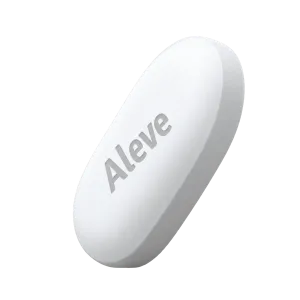
In stock Aleve
Pain Relief

Aleve

Pain from headaches, muscle strain, backache, toothache, menstrual cramps, or minor arthritis may respond to Aleve, which contains naproxen sodium. As a non-steroidal anti-inflammatory drug (NSAID)…

Guaranteed quality Original product
Delivery: from 4 days Discreet shipping
24/7 Support Always available
Active ingredient: Naproxen
Select dosage:
Select pack Package Per unit Price
$ 2.90 $ 173.91
$ 2.68 $ 260.87 $ 241.23 Save 8%
$ 2.57 $ 347.82 $ 308.55 Save 11%
Free Regular Delivery $ 2.44 $ 521.73 $ 439.45 Save 16%
Free Express Delivery $ 2.38 $ 782.60 $ 641.41 Save 18%
Best value Free Express Delivery $ 2.33 $ 1,043.46 $ 839.63 Save 20%
$ 3.27 $ 196.35
$ 3.03 $ 294.53 $ 273.02 Save 7%
$ 2.90 $ 392.70 $ 347.82 Save 11%
Free Regular Delivery $ 2.76 $ 589.05 $ 497.42 Save 16%
Free Express Delivery $ 2.68 $ 883.58 $ 723.69 Save 18%
Best value Free Express Delivery $ 2.64 $ 1,178.10 $ 949.96 Save 19%

Free delivery on orders from $ 374.00, free express delivery from $ 561.00

Secure payment methods:
VISA AMEX JCB DISCOVER

Pain from headaches, muscle strain, backache, toothache, menstrual cramps, or minor arthritis may respond to Aleve, which contains naproxen sodium. As a non-steroidal anti-inflammatory drug (NSAID), it reduces prostaglandins involved in pain, swelling, and fever.

Product information

Aleve contains naproxen sodium as its active pharmaceutical ingredient. Naproxen sodium belongs to the NSAID class, alongside other anti-inflammatory pain relievers.

Directions for use

Dosing differs between strengths and between users, so there is no single amount that suits everyone. Use the dose stated for the Aleve strength supplied on this product page, and do not exceed the maximum daily amount for that formulation.

Practical administration points include:

  • Swallow the tablet with water.
  • Take it with food or milk if stomach upset occurs.
  • Use the lowest amount that controls symptoms.
  • Keep doses evenly separated when more than one dose is permitted.
  • Do not combine Aleve with another naproxen product.
  • Avoid taking it with ibuprofen, diclofenac, or another NSAID unless a prescriber has specifically directed this.
  • Do not continue self-treatment for persistent pain without medical review.
  • If a dose is missed, take it when remembered unless the next dose is near; do not double the next dose.

The 24-count presentation describes the pack quantity, not a universal course length. The appropriate duration depends on the symptom, the tablet strength, age, kidney function, stomach history, and other medicines.

Do not crush or chew a tablet unless the product information specifically permits it. Altering a solid dosage form can affect swallowing and tolerability, while a tablet that is difficult to swallow may need a different formulation.

Write down every pain reliever taken during the day. This simple habit helps prevent accidental duplication of naproxen, ibuprofen, aspirin, or combination cold medicines.

Ingredients

Aleve contains naproxen sodium as its active pharmaceutical ingredient. Naproxen sodium belongs to the NSAID class, alongside other anti-inflammatory pain relievers. It is used for temporary relief of minor pain and inflammation rather than for treating the underlying cause of a chronic disease.

The sodium salt dissolves readily after oral administration. The body converts it to naproxen, the active compound responsible for its analgesic and anti-inflammatory effects. Regulatory information for naproxen products describes inhibition of cyclo-oxygenase enzymes and a resulting reduction in prostaglandin production [1].

Mechanism of action of naproxen sodium

Prostaglandins are chemical messengers that help sensitise pain nerves and contribute to inflammation. Naproxen reduces cyclo-oxygenase activity. This lowers the production of these messengers. Pain signals become less intense. Inflammatory swelling can settle.

This mechanism explains why Aleve can help with both pain and inflammation. It also explains several risks: prostaglandins help protect the stomach lining and support kidney blood flow, so reducing them can cause gastrointestinal or kidney problems in susceptible people.

Naproxen does not numb an area like a local anaesthetic. It works throughout the body after absorption from the digestive tract.

Take the tablet with a full glass of water. Food or milk can reduce stomach irritation. Absorption may be slightly slower.

How it affects the body

Naproxen reduces cyclo-oxygenase activity. This lowers the production of prostaglandins, chemical messengers that sensitise pain nerves and contribute to inflammation. Reduced prostaglandin production makes pain signals less intense and allows inflammatory swelling to settle.

Therapeutic indications

Aleve is intended for temporary relief of mild-to-moderate aches and pains. Common uses include:

  • Minor arthritis pain
  • Muscle aches and strains
  • Backache
  • Headache
  • Toothache
  • Menstrual cramps
  • Minor joint pain
  • Pain associated with everyday physical activity

The medicine can reduce pain and inflammation, yet it does not repair an injured joint, cure an infection, or remove the cause of recurring headaches. Pain that repeatedly returns after treatment needs a clinical assessment, especially when it affects sleep, movement, appetite, or daily work.

For acute muscle pain, the anti-inflammatory effect may be useful when stiffness or local swelling accompanies soreness. For a simple tension headache, an anti-inflammatory tablet may help, but frequent headaches can signal medication-overuse headache or another condition requiring review.

Dental pain deserves special attention. Aleve may provide temporary relief, but persistent toothache can involve decay, infection, or an abscess. Pain relief should not delay dental treatment when swelling, fever, or difficulty swallowing develops.

Clinical guidance from NICE supports NSAIDs as options for selected musculoskeletal and osteoarthritis pain, with the choice shaped by gastrointestinal, kidney, cardiovascular, and individual patient risks [2].

Common mistakes

Several practical errors reduce benefit or increase harm:

  • Taking Aleve together with ibuprofen or diclofenac
  • Using it for several days without reviewing persistent pain
  • Taking an extra tablet because relief was not immediate
  • Forgetting that some cold, flu, or period-pain products contain an NSAID
  • Taking it during dehydration from vomiting, diarrhoea, or fever
  • Ignoring black stools or vomiting blood
  • Assuming food prevents ulcers
  • Continuing it despite facial swelling, wheezing, or a severe rash
  • Using old dosing habits after switching to a different tablet strength
  • Drinking heavily while taking repeated doses

A common real-world mistake is confusing “longer lasting” with “stronger at every dose.” Naproxen may provide extended coverage, but it does not guarantee better relief for every type of pain.

Another is treating recurring headaches repeatedly without recording frequency. Headache days that increase over time deserve assessment rather than indefinite self-medication.

Reasons not to use it

Aleve is not suitable for everyone. It is contraindicated in people who:

  • Have had an allergic reaction, asthma attack, hives, or swelling after naproxen, aspirin, or another NSAID
  • Have an active stomach ulcer or gastrointestinal bleeding
  • Have severe kidney disease or severe liver disease
  • Have severe heart failure or uncontrolled high blood pressure
  • Are recovering from coronary artery bypass surgery
  • Are in late pregnancy
  • Have been told to avoid NSAIDs because of a previous serious reaction

Important interactions include:

  • Anticoagulants such as warfarin or apixaban
  • Antiplatelet medicines such as clopidogrel
  • Corticosteroids
  • Selective serotonin reuptake inhibitors, which may add to bleeding risk
  • ACE inhibitors, angiotensin-receptor blockers, and diuretics
  • Lithium
  • Methotrexate
  • Cyclosporine or tacrolimus
  • Other NSAIDs, including high-dose aspirin

When this is not for you

Aleve may not be suitable if you have had a serious reaction to aspirin or another NSAID, an ulcer or digestive bleeding, severe kidney or liver disease, severe heart failure, uncontrolled high blood pressure, or recent coronary artery bypass surgery. It should be avoided in late pregnancy. Extra caution is needed if you take blood thinners, aspirin, steroids, antidepressants, blood-pressure medicines, diuretics, lithium, methotrexate, cyclosporine, tacrolimus, or another NSAID.

Unwanted effects

The most common problems relate to the digestive system. Possible effects include indigestion, heartburn, nausea, abdominal discomfort, constipation, diarrhoea, and headache.

Taking Aleve with food may improve stomach comfort. It does not remove the risk of ulceration or gastrointestinal bleeding. Alcohol can increase irritation and may worsen bleeding risk, especially with repeated NSAID use.

Serious symptoms require urgent medical attention:

  • Vomiting blood or material resembling coffee grounds
  • Black, tarry stools
  • Severe or persistent abdominal pain
  • Chest pain, breathlessness, sudden weakness, or slurred speech
  • Swelling of the face, lips, tongue, or throat
  • Wheezing or difficulty breathing
  • A widespread blistering or peeling rash
  • Markedly reduced urine or sudden swelling of the legs

NSAIDs can increase blood pressure, cause fluid retention, and impair kidney function. The risk rises with prolonged use, higher exposure, dehydration, heart failure, kidney disease, and concurrent medicines that affect renal function. FDA safety information also describes cardiovascular and gastrointestinal warnings for non-aspirin NSAIDs [3].

One practical detail is easy to miss: indigestion alone may be mild, but black stools are not an ordinary stomach side effect. They can indicate bleeding from the upper digestive tract.

Another detail concerns hydration. Vomiting, diarrhoea, fever, or heavy sweating can reduce kidney blood flow; taking naproxen during significant dehydration increases renal stress.

Comparison

Pain reliever Main profile Key limitation
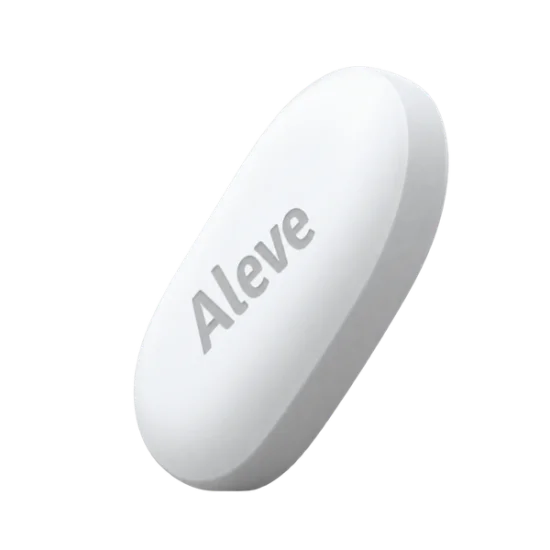
Aleve, naproxen sodium NSAID with anti-inflammatory and analgesic activity; longer action Stomach, kidney, blood-pressure, and cardiovascular risks
Ibuprofen NSAID with anti-inflammatory and analgesic activity; usually shorter action Similar NSAID risks and more frequent dosing may be needed
Paracetamol Analgesic and fever reducer with limited anti-inflammatory action Excessive use can damage the liver

Naproxen may suit pain where inflammation is prominent and longer coverage is useful. Ibuprofen may be preferred when a shorter-acting option is desirable or when a person needs greater flexibility between doses. Paracetamol may be considered when anti-inflammatory activity is not required or when NSAIDs are unsuitable, although liver safety becomes the central concern.

Do not combine naproxen and ibuprofen simply because the first tablet has not worked quickly. Both affect prostaglandin pathways, and combining NSAIDs increases adverse-effect risk rather than creating a reliable stronger effect. A person may sometimes use paracetamol with an NSAID, but the total daily amounts and existing liver disease must be considered.

Naproxen may be unsuitable where cardiovascular or gastrointestinal risk is high. A longer duration is useful for some pain patterns but less convenient if an adverse reaction develops.

What doctors say

In clinical practice, doctors often view naproxen as a useful option when pain and inflammation occur together, provided the patient’s risk factors have been screened. The benefit should be judged by improved movement, sleep, or daily function, not only by a lower pain score.

A physician will usually ask about previous ulcers, indigestion, kidney disease, high blood pressure, heart disease, asthma triggered by pain relievers, pregnancy, and current medicines. Those questions are not routine paperwork. They identify the conditions most likely to turn a familiar pain tablet into a serious problem.

Longer action can improve convenience, but it is not a reason to take more than directed. The drug remains in the body for many hours, so repeated early doses can accumulate.

Medsafe’s safety framework for NSAIDs supports attention to dose, duration, contraindications, and interactions when naproxen is used in New Zealand. Clinical judgement becomes more important as treatment extends beyond short-term pain relief.

What customers often ask

Can Aleve affect driving, concentration, or work with machinery?

Naproxen does not usually impair alertness in the way sedating medicines can, but dizziness, drowsiness, blurred vision, or headache may occur in some users. Medsafe's 2023 safety information advises caution with activities requiring full attention when such symptoms develop. A person who feels dizzy or unusually tired should not drive or operate machinery until the effect has passed.

Can alcohol be used while taking Aleve?

Alcohol may increase stomach irritation and can add to the risk of gastrointestinal bleeding when combined with naproxen. The concern is greater with heavy alcohol intake, repeated dosing, previous ulcers, anticoagulants, or corticosteroids. WHO guidance on NSAID safety (2023) supports limiting factors that increase gastrointestinal harm. Avoid alcohol when Aleve has already caused indigestion, abdominal pain, or nausea.

Is Aleve suitable for older adults?

Older adults can be more sensitive to NSAID-related stomach bleeding, kidney impairment, fluid retention, and blood-pressure changes. The EMA’s 2018 naproxen safety information describes age, kidney function, cardiovascular disease, and interacting medicines as factors that influence risk. An older person should use the lowest appropriate exposure and avoid self-treatment when pain is persistent, unexplained, or associated with weakness or falls.

What should be discussed with a doctor before starting Aleve?

Discuss any history of stomach ulcer, gastrointestinal bleeding, kidney disease, heart disease, high blood pressure, asthma after aspirin or NSAIDs, pregnancy, or liver disease. Mention anticoagulants, aspirin, steroids, antidepressants, blood-pressure medicines, diuretics, lithium, and methotrexate. Medsafe's 2023 information for naproxen emphasises the importance of reviewing concurrent medicines because several combinations increase bleeding or kidney risk.

Which symptoms mean stopping Aleve and seeking urgent medical help?

Stop using Aleve and seek urgent help for vomiting blood, black stools, severe abdominal pain, chest pain, breathing difficulty, sudden weakness, facial swelling, or a blistering rash. These symptoms can indicate gastrointestinal bleeding, cardiovascular complications, a serious allergic reaction, or severe skin injury. FDA's 2020 NSAID safety information treats these reactions as urgent rather than as symptoms to monitor at home [4].

Do you offer anonymous delivery?

Your order will be securely packed and shipped within 24 hours. This is exactly what your package will look like (images of an actual item sent). It has the size and look of a regular private letter (24x11x0.7 cm) and its contents cannot be seen.

Comparison

How the medicines for Pain Relief compare

How Buyers Rate Aleve

Based on 3 reviews

Ian, 27 Verified
Rating: 5 out of 5

The relief lasted longer than the pain tablets I had used before, and I could sleep more comfortably. I took it with breakfast because an empty stomach gave me mild heartburn.

Invercargill Several days 26 Oct 2026
Zoe, 28 Verified
Rating: 3.5 out of 5

It reduced the cramps enough for me to work normally. The first time I took it late, when the pain was already strong, and it did not feel as useful. I also noticed mild nausea when I took it without food.

Whanganui Over two cycles 1 Nov 2026
Christopher, 39 Verified
Rating: 3 out of 5

It helped with swelling and walking for a few hours, but the pain returned after the course ended. I stopped relying on it daily and arranged a medical review because I was also taking treatment for high blood pressure.

Timaru Several days 6 Oct 2026

Sources

  1. European Medicines Agency (2018). Summary of Product Characteristics (SmPC) — naproxen.
  2. National Institute for Health and Care Excellence (2022). Osteoarthritis in over 16s: diagnosis and management.
  3. U.S. Food and Drug Administration (2015). FDA strengthens warning that non-aspirin nonsteroidal anti-inflammatory drugs increase chance of heart attack or stroke.
  4. U.S. Food and Drug Administration (2020). Naproxen Sodium Drug Facts Label.
Get our free app Shop faster and track your orders Install