The involuntary movements became less intrusive during meals, and I could use a cup more steadily. Sleep was lighter at first, so my neurologist changed the timing rather than increasing the amount.
Oamaru Several weeks of treatment 3 Nov 2026Amantadine
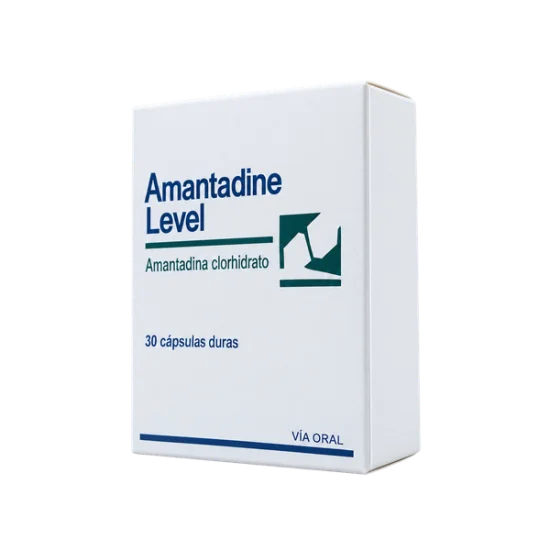
Patients with Parkinson’s disease who develop troublesome involuntary movements may be prescribed Amantadine as part of a neurology treatment plan. This oral pill can reduce dyskinesia and support…
Patients with Parkinson’s disease who develop troublesome involuntary movements may be prescribed Amantadine as part of a neurology treatment plan. This oral pill can reduce dyskinesia and support motor control, often alongside levodopa.
Product information
Amantadine is a medicine used in neurology for Parkinson’s disease and levodopa-associated dyskinesia. It belongs to a class of medicines that act on glutamate and dopamine signalling in the central nervous system.
Directions for use
Amantadine pills should be used only within the treatment plan selected for the individual. The correct amount differs between strengths and between users, so there is no single dose that suits everyone.
Amantadine is absorbed after oral administration and is eliminated mainly through the kidneys. Renal function therefore has a major influence on exposure. Older adults may also clear the medicine more slowly, even when kidney impairment has not produced obvious symptoms.
- Missed doses may alter symptom control, but doubling the next dose can increase adverse effects.
- Reduced kidney clearance may allow Amantadine to accumulate.
- Prescribers may use a lower amount or a less frequent schedule when renal function is reduced.
The half-life is not a personal dosing instruction. It describes drug handling in the body; the chosen schedule depends on the prescribed strength and the patient’s clinical characteristics.
Tell the prescriber about kidney disease, reduced urine output, dialysis, or a recent change in renal function before the Amantadine regimen is selected or renewed.
Insomnia may improve when the prescriber places the larger portion of the daily schedule earlier in the day. Do not change the schedule independently, because the correct timing depends on the prescribed regimen.
Amantadine may be taken with food if it causes nausea, unless the prescriber has given a different instruction. Taking it at a similar time each day can make symptom patterns easier to assess. Medsafe's 2024 amantadine medicine information emphasises following the prescribed schedule and reporting troublesome adverse effects. A heavy meal is not required for the medicine to work.
Take the missed dose when remembered unless the next scheduled dose is near. If it is nearly time for the next dose, skip the missed dose and return to the usual schedule; do not take two doses together. The FDA prescribing information from 2017 advises against compensating for a missed dose with an extra amount. Seek urgent clinical advice if several doses have been missed and tremor, stiffness, gait disturbance, severe weakness, or dyskinesia suddenly worsens.
Ingredients
Amantadine is an oral medicine used in neurology. It acts on glutamate and dopamine signalling in the central nervous system and is used for Parkinson’s disease and levodopa-associated dyskinesia.
How it affects the body
Amantadine has several actions in the central nervous system. Its anti-dyskinetic effect is linked mainly to modulation of glutamate signalling through NMDA receptors, although dopaminergic effects also contribute to its activity.
NMDA receptors help regulate excitatory nerve transmission. Excessive or poorly balanced glutamatergic signalling may contribute to abnormal motor patterns in Parkinson’s disease. By modifying this pathway, Amantadine can reduce the intensity of levodopa-related dyskinesia in some patients.
The medicine also influences dopamine release, dopamine reuptake, and related neuronal signalling. These effects may support movement, but they also explain why hallucinations, confusion, agitation, or sleep disturbance can occur, especially in older adults or people with impaired kidney function.
The mechanism differs from that of levodopa:
- Amantadine: modulates NMDA-related glutamate activity and influences dopamine signalling.
- Levodopa: enters the brain and is converted into dopamine, directly replenishing a neurotransmitter that is deficient in Parkinson’s disease.
The clinical balance is individual: reduced dyskinesia may be valuable, while confusion, ankle swelling, or sleep disruption may limit treatment [2].
Therapeutic indications
Amantadine is used in neurology for Parkinson’s disease and levodopa-associated dyskinesia. Dyskinesia means involuntary, often writhing or dance-like movement that can develop after long-term dopaminergic treatment. Amantadine may reduce the severity of these movements while helping preserve useful mobility [1].
The medicine does not remove the underlying cause of Parkinson’s disease. It forms one part of a broader plan that may include levodopa, physiotherapy, exercise, occupational therapy, and treatment of sleep, mood, or autonomic symptoms.
Management of Parkinson’s disease symptoms
Neurologists may consider Amantadine when a person has:
- Levodopa-induced dyskinesia that interferes with eating, walking, dressing, or social activity.
- Motor fluctuations, where mobility changes between better and poorer periods.
- Parkinsonian stiffness, slowness, or tremor requiring additional symptom control.
- A treatment plan in which reducing dyskinesia is a greater priority than adding more dopaminergic stimulation.
Amantadine can support functional mobility, but its benefit differs between patients. Some people notice fewer involuntary movements. Others experience limited improvement or develop adverse effects that make continued treatment unsuitable.
In clinical practice, the timing of symptoms matters. A movement diary can help a neurologist relate dyskinesia to each levodopa dose, meals, sleep, and daily activity. This is more useful than describing symptoms simply as “good” or “bad” days.
Common mistakes
Several practical errors can reduce benefit or increase risk:
- Doubling after a missed dose. This may cause dizziness, confusion, or other dose-related effects.
- Stopping suddenly. Rebound tremor, stiffness, gait disturbance, dyskinesia, or weakness can follow.
- Ignoring kidney problems. The medicine may accumulate when renal clearance falls.
- Taking a late dose without considering sleep. Insomnia and vivid dreams may become more troublesome.
- Treating hallucinations as a normal part of Parkinson’s disease. They may indicate a medicine-related problem requiring prompt review.
- Failing to mention over-the-counter medicines. Sedating antihistamines and other centrally acting products can worsen confusion or falls.
- Assuming reduced dyskinesia means the entire Parkinson’s regimen is correct. Slowness, freezing, and wearing off still need assessment.
Reasons not to use it
Extra caution is needed with epilepsy, recurrent falls, low blood pressure, glaucoma, eczema, urinary retention, heart rhythm problems, and a history of psychosis. Pregnancy and breastfeeding require an individual risk assessment because the clinical need and available safety information must be weighed together.
Potential interactions include other medicines that affect the heart rhythm, central nervous system, blood pressure, or urinary function. Diuretics may also alter Amantadine exposure in some patients. A complete medicine list should include Parkinson’s treatments, sleeping tablets, antihistamines, antidepressants, antipsychotics, and non-prescription products.
When this is not for you
This medicine is not for you if
- You have had a serious allergic reaction to amantadine or an ingredient in the pills.
- You have severe kidney impairment without an appropriate specialist dosing plan.
- You have untreated severe heart failure or clinically significant fluid retention that could worsen.
- You have a history of serious Amantadine-related neuropsychiatric reactions.
- You cannot reliably follow the prescribed schedule and have no support for safe administration.
- You are experiencing unexplained hallucinations, severe confusion, or acute behavioural change that has not been assessed.
Unwanted effects
The adverse effects of Amantadine range from mild nuisance symptoms to clinically significant neurological or cardiovascular reactions. Reported problems include nausea, dry mouth, constipation, blurred vision, dizziness, insomnia, vivid dreams, ankle swelling, and postural light-headedness.
Neuropsychiatric effects deserve close attention. Some patients develop confusion, agitation, anxiety, hallucinations, or unusual behaviour. The risk is higher in older adults, people with cognitive impairment, and those receiving other medicines that affect the central nervous system.
Movement-related problems can also change. A patient may experience worsening balance, increased falls, or a new pattern of involuntary movement. Livedo reticularis, a mottled purplish skin pattern, and peripheral oedema are recognised adverse effects that should be reported during treatment.
Serious symptoms need prompt medical assessment:
- New hallucinations or severe confusion.
- Fainting, marked dizziness, or an irregular heartbeat.
- Severe swelling of the legs.
- Inability to pass urine.
- Significant shortness of breath.
- Suicidal thoughts or extreme behavioural change.
- Severe muscle stiffness, fever, or rapidly worsening mobility.
A dry mouth can be uncomfortable, yet drinking large amounts of fluid is not always appropriate for people with heart or kidney disease. Small sips, sugar-free gum, and a review of other medicines may be more suitable.
Comparison
The mechanism differs from that of levodopa:
- Amantadine: modulates NMDA-related glutamate activity and influences dopamine signalling.
- Levodopa: enters the brain and is converted into dopamine, directly replenishing a neurotransmitter that is deficient in Parkinson’s disease.
A person can therefore receive both medicines for different treatment targets. Amantadine is not simply a stronger version of levodopa.
What doctors say
Neurologists generally judge Amantadine by function rather than by a single symptom score. The useful question is whether the patient can walk, eat, dress, sleep, or communicate with fewer disruptive involuntary movements.
A doctor may also ask about:
- Hallucinations or vivid dreams.
- Falls and near-falls.
- New ankle swelling.
- Urination and constipation.
- Changes in sleep timing.
- The relationship between Amantadine and levodopa doses.
- Recent changes in kidney function.
Consistency matters because irregular use can make the treatment response difficult to interpret. A symptom diary covering several days often gives a clearer picture than memory alone.
One clinical nuance is that an older adult may appear “more confused” before anyone identifies the medicine as a contributor. Amantadine accumulation can be overlooked when the dose has not changed, because kidney function may have changed gradually.
WHO pharmacovigilance principles support recording suspected adverse drug reactions with enough detail to identify the medicine, timing, symptoms, and outcome. That approach is useful for Amantadine, especially when neurological symptoms overlap with Parkinson’s disease itself [3].
What customers often ask
How long does an Amantadine course last, and is long-term use acceptable?
Treatment length depends on the reason for prescribing, symptom response, kidney function, and adverse effects. Some people use Amantadine for an extended period under neurological supervision, while others stop when the balance of benefit and harm changes. Parkinson’s Foundation clinical guidance available in 2025 supports regular review of ongoing Parkinson’s medicines rather than automatic continuation. Long-term use should not be stopped abruptly.
Can Amantadine be taken with food or on an empty stomach?
Amantadine may be taken with food if it causes nausea, unless the prescriber has given a different instruction. Taking it at a similar time each day can make symptom patterns easier to assess. Medsafe's 2024 amantadine medicine information emphasises following the prescribed schedule and reporting troublesome adverse effects. A heavy meal is not required for the medicine to work.
Can Amantadine cause hallucinations?
Yes. Hallucinations, confusion, agitation, and unusual behaviour are recognised neurological adverse effects of Amantadine. EMA safety information from 2024 identifies greater concern in older adults and in people with reduced kidney clearance. New hallucinations should be reported promptly, especially when accompanied by falls, severe sleep disturbance, or disorientation.
What should I do after a missed dose?
Take the missed dose when remembered unless the next scheduled dose is near. If it is nearly time for the next dose, skip the missed dose and return to the usual schedule; do not take two doses together. The FDA prescribing information from 2017 advises against compensating for a missed dose with an extra amount. Seek urgent clinical advice if several doses have been missed and tremor, stiffness, gait disturbance, severe weakness, or dyskinesia suddenly worsens.
Do you offer anonymous delivery?
Your order will be securely packed and shipped within 24 hours. This is exactly what your package will look like (images of an actual item sent). It has the size and look of a regular private letter (24x11x0.7 cm) and its contents cannot be seen.
Comparison
Aciclovir
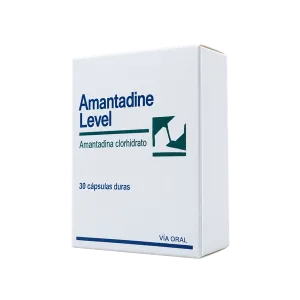
Amantadine Current
How Buyers Rate Amantadine
Based on 4 reviews
Walking felt much the same, but the twisting movements were easier to manage. I also noticed dry mouth and occasional dizziness when standing, which improved after the regimen was reviewed.
Auckland A treatment trial 6 Oct 2026The tremor and stiffness returned quickly, and my legs felt weak. The main lesson was not to treat Amantadine as something that could simply be stopped without a plan.
Gisborne Before abrupt discontinuation 21 Oct 2026The dyskinesia was less distracting at work, and I felt more confident using public transport. I still had vivid dreams during the first part of treatment, so I kept a symptom record for the follow-up appointment.
Hastings During the first part of treatment 12 Oct 2026Sources
- European Medicines Agency (2011). Summary of Product Characteristics (SmPC) — amantadine.
- European Medicines Agency (2018). Summary of Product Characteristics (SmPC) — amantadine.
- World Health Organization (2002). The importance of pharmacovigilance: safety monitoring of medicinal products.