Skip to content
In stock Aciclovir
Antivirals

Aciclovir

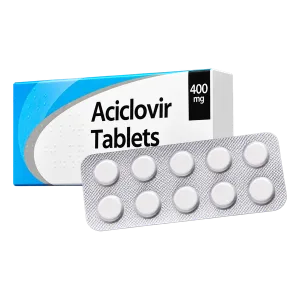
Aciclovir tablets are an oral product used for infections caused by susceptible herpes viruses. They help limit viral replication, with treatment goals including shorter cold sores and reduced rash…

Guaranteed quality Original product
Delivery: from 4 days Discreet shipping
24/7 Support Always available
Active ingredient: Aciclovir
Select dosage:
Select pack Package Per unit Price
$ 2.90 $ 173.91
$ 2.43 $ 260.87 $ 218.79 Save 16%
$ 2.18 $ 347.82 $ 261.80 Save 25%
$ 1.89 $ 521.73 $ 340.34 Save 35%
Free Regular Delivery $ 1.72 $ 782.60 $ 465.63 Save 41%
Best value Free Express Delivery $ 1.65 $ 1,043.46 $ 592.79 Save 43%
$ 5.80 $ 173.91
$ 3.80 $ 347.82 $ 228.14 Save 34%
$ 3.10 $ 521.73 $ 278.63 Save 47%
$ 2.73 $ 695.64 $ 327.25 Save 53%
Free Regular Delivery $ 2.41 $ 1,043.46 $ 433.84 Save 58%
Free Express Delivery $ 2.19 $ 1,565.19 $ 590.92 Save 62%
Best value Free Express Delivery $ 2.07 $ 2,086.92 $ 744.26 Save 64%
$ 6.23 $ 187.00
$ 3.99 $ 374.00 $ 239.36 Save 36%
$ 3.24 $ 561.00 $ 291.72 Save 48%
$ 2.88 $ 748.00 $ 345.95 Save 54%
Free Regular Delivery $ 2.50 $ 1,122.00 $ 450.67 Save 60%
Free Express Delivery $ 2.27 $ 1,683.00 $ 613.36 Save 64%
Best value Free Express Delivery $ 2.13 $ 2,244.00 $ 768.57 Save 66%

Free delivery on orders from $ 374.00, free express delivery from $ 561.00

Secure payment methods:
VISA AMEX JCB DISCOVER

Aciclovir tablets are an oral product used for infections caused by susceptible herpes viruses. They help limit viral replication, with treatment goals including shorter cold sores and reduced rash progression and acute pain in shingles.

Product information

Aciclovir is an antiviral medicine rather than an antibiotic. Its tablet strength and dosing can differ between users, so there is no single amount that suits everyone. The medicine acts against herpes simplex virus types 1 and 2, plus varicella-zoster virus.

Directions for use

Aciclovir is supplied here as tablets for oral use. The tablet should be swallowed with water and used on the prescribed schedule. Dosing differs between strengths and between users, so there is no single amount that suits everyone.

Treatment plans differ for a first genital herpes episode, recurrent cold sores, recurrent genital herpes, shingles, chickenpox, and long-term suppression. Kidney function also changes the appropriate interval between doses because aciclovir leaves the body mainly through the kidneys.

  • Take each dose at evenly spaced times when several doses per day are prescribed.
  • Swallow the tablet whole with water.
  • Maintain normal fluid intake unless a clinician has advised fluid restriction.
  • If a dose is missed, take it when remembered unless the next scheduled dose is close.
  • Do not double a dose to make up for one that was missed.
Set reminders for recurring doses rather than relying on memory. Missed doses are common when treatment is taken several times daily, and irregular timing can reduce the benefit during a short outbreak window.

Ingredients

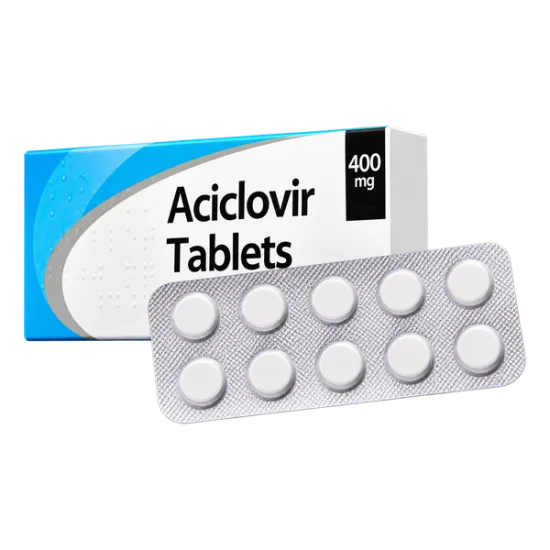
This product is supplied as tablets marked Aciclovir Tablets. The available information identifies oral tablets for susceptible herpes virus infections; the exact composition beyond the product name is not provided.

How it affects the body

A nucleoside analogue is a compound designed to resemble one of the building blocks used to make viral genetic material. Herpes viruses need to copy their DNA to create new virus particles. Aciclovir interrupts that copying process inside infected cells.

Viral DNA synthesis inhibition

After a tablet is absorbed, aciclovir enters cells. Virus-infected cells contain an enzyme called viral thymidine kinase, which starts converting aciclovir into its active form. Human cells activate far less of the medicine, which explains its selective action against infected cells.

The active compound blocks viral DNA polymerase, the enzyme herpes viruses use to assemble DNA. It also causes premature DNA chain termination, so the virus cannot complete the genetic instructions needed to reproduce. Aciclovir does not remove herpes viruses from the body, yet it can reduce the severity and duration of active episodes. Medsafe medicine information describes aciclovir as an established antiviral treatment for herpesvirus infections. [1]

Starting treatment during the first tingling, burning, itching, or tenderness of a familiar herpes outbreak often gives a better result than waiting for blisters or ulcers to fully develop.

Therapeutic indications

Aciclovir tablets are used for infections caused by susceptible herpes viruses. The treatment goal varies with the condition: an initial genital herpes episode may need rapid control of pain and lesions, while recurrent disease may be treated at the earliest warning signs or managed with a planned suppressive regimen.

Viral condition Typical treatment goal
Cold sores Shorten lesion development and discomfort
Genital herpes Treat first or recurrent episodes and reduce recurrences in selected people
Shingles Limit viral replication, rash progression, and acute pain when started early

Management of herpes simplex and varicella-zoster

Cold sores often begin with a local prodrome: tingling, tightness, itching, or burning around the lip. Genital herpes can begin with local discomfort, tingling, painful blisters, ulcers, swollen glands, or flu-like symptoms during a first episode. Shingles usually causes pain, burning, or sensitivity on one side of the body before a blistering rash develops.

Early antiviral treatment matters most for shingles and for first episodes of genital herpes. Oral antivirals can shorten lesion healing and reduce viral shedding, though they do not guarantee that another recurrence will never happen. The World Health Organization’s genital herpes guidance supports aciclovir as a treatment option for first and recurrent herpes simplex episodes. [2]

Chickenpox can also be treated with aciclovir in selected clinical situations, though the decision depends on age, timing, severity, pregnancy status, immune function, and other health factors.

For genital herpes, keep a brief record of the first warning symptom, lesion onset, pain level, and possible triggers. It helps distinguish a true recurrence from irritation, thrush, dermatitis, or another cause of discomfort.

Common mistakes

A frequent mistake is waiting until an outbreak is fully developed before beginning a prescribed episodic plan. Aciclovir can still be useful, yet earlier treatment usually has a stronger effect on viral replication.

Another issue is taking doses too close together after forgetting one. Doubling up increases exposure without reliably restoring the intended schedule. Skipping fluids during a painful illness, fever, or gastrointestinal upset can also raise the risk of kidney-related problems.

People sometimes assume that no visible sores means no possibility of herpes transmission. Herpes simplex can be shed without obvious lesions. Antiviral treatment can reduce viral activity, though it does not make transmission impossible.

Stopping a prescribed course as soon as symptoms improve may also lead to incomplete treatment of the active episode. Follow the planned duration for the condition being treated.

Reasons not to use it

Aciclovir is not for you if you have had a serious allergic reaction to aciclovir, valacyclovir, or another ingredient in the tablet.

Extra care is needed in the following situations:

  • Reduced kidney function, kidney disease, or dialysis.
  • Dehydration or conditions causing fluid loss.
  • Older age, because renal clearance may decline.
  • Pregnancy or breastfeeding, where the expected benefit and treatment plan need individual assessment.
  • Conditions or treatments that weaken immune function.
  • Use of medicines that may affect kidney handling of aciclovir, including probenecid, cimetidine, ciclosporin, tacrolimus, and certain anti-inflammatory pain medicines.

Aciclovir can interact with medicines that reduce renal clearance, raising blood levels and increasing adverse-effect risk. The FDA prescribing information also highlights the need for dose adjustment in renal impairment and attention to hydration. [4]

When this is not for you

A previous reaction involving facial swelling, breathing difficulty, severe hives, blistering, or skin peeling is clinically significant.

Unwanted effects

Most people tolerate oral aciclovir without major problems. Common effects include nausea, vomiting, diarrhoea, abdominal discomfort, headache, dizziness, tiredness, and skin rash. These effects are often mild and may settle as the course continues.

Kidney-related adverse effects are less common with tablets than with intravenous aciclovir, though risk rises in people with reduced kidney function, dehydration, older age, or medicines that affect renal function. Confusion, tremor, agitation, hallucinations, drowsiness, or other neurological symptoms require prompt medical assessment, especially in older adults or people with kidney impairment.

Rare severe skin reactions and serious allergic reactions can occur. Swelling of the lips, tongue, or throat, wheezing, widespread blistering rash, severe skin peeling, fainting, or difficulty breathing require urgent care.

New confusion or marked drowsiness during aciclovir treatment should never be dismissed as ordinary fatigue, especially if the person has kidney disease or has recently become dehydrated through vomiting, diarrhoea, or poor fluid intake.

Comparison

Comparison with valacyclovir

Valacyclovir is converted into aciclovir after absorption. Its main practical difference is higher oral bioavailability, meaning more active aciclovir reaches the bloodstream from each swallowed dose. This can allow less frequent daily dosing for some herpes indications.

Feature Aciclovir Valacyclovir
Active antiviral exposure Direct aciclovir treatment Converts to aciclovir in the body
Oral absorption Lower bioavailability Higher bioavailability
Typical dosing pattern Often requires more frequent doses Often allows fewer daily doses

Aciclovir remains a widely used option because its antiviral action is well characterised and its clinical role is long established. Valacyclovir may suit people whose prescribed plan benefits from fewer daily doses. The choice depends on the infection being treated, kidney function, recurrence pattern, other medicines, and the clinician’s intended treatment schedule.

Neither option cures latent herpes infection. Both work by limiting replication during active viral shedding. A Cochrane review of antiviral therapy for recurrent herpes labialis found that oral antiviral medicines can modestly shorten episodes when used early. [3]

What doctors say

In clinical practice, doctors usually focus first on the pattern of infection: first episode, recurrence, frequent recurrences, severe disease, shingles, or infection in a person with reduced immunity. The timing of symptoms is often as relevant as the visible rash, because antiviral treatment works best while the virus is actively replicating.

For people with repeated genital herpes, clinicians may discuss episodic treatment versus suppressive treatment. Episodic treatment is aimed at individual outbreaks. Suppressive treatment is a planned daily approach for selected people with frequent, distressing, or transmission-sensitive recurrences.

Doctors also review kidney health before deciding on an oral schedule. A person with normal renal function may use a different plan from an older person with chronic kidney disease, even when both have the same viral condition. The European Medicines Agency identifies renal function and medicine interactions as central safety considerations for antivirals cleared through the kidneys. [5]

What customers often ask

What should I discuss with a doctor before starting Aciclovir?

Discuss the condition being treated, when symptoms began, previous herpes or shingles episodes, kidney disease, allergies, and every regular medicine you use. Medsafe medicine-safety guidance published in 2024 places special emphasis on kidney function because aciclovir is eliminated through the kidneys. Mention pregnancy, breastfeeding, immune-suppressing treatment, dehydration, and any recent vomiting or diarrhoea. These details can change the prescribed treatment schedule. A clinician can then match the regimen to your circumstances.

Can Aciclovir affect driving, concentration, or work with machinery?

Aciclovir does not usually cause major impairment, yet dizziness, tiredness, drowsiness, confusion, or visual disturbance can occur in some people. WHO clinical guidance updated in 2016 recognises that illness severity and individual tolerance can affect daily functioning during herpesvirus treatment. Avoid driving or machinery if you feel dizzy, unusually sleepy, confused, or unable to concentrate. This warning is more relevant for older adults and people with reduced kidney function.

What should I do if Aciclovir does not give the expected result?

Seek medical review if lesions continue to spread, pain becomes severe, symptoms return unusually quickly, or there is little improvement after the expected treatment period. Medsafe guidance from 2024 advises reassessment where response is poor, since the cause may be delayed treatment, an incorrect diagnosis, reduced absorption, immune suppression, or the need for a different management plan. Do not increase the dose or extend treatment independently. Eye symptoms, facial shingles, urinary difficulty, or extensive genital lesions need prompt assessment.

Which symptoms mean I should stop Aciclovir and see a doctor urgently?

Urgent assessment is needed for facial swelling, breathing difficulty, severe hives, blistering or peeling skin, fainting, or a widespread rash. The FDA’s 2021 aciclovir prescribing information also supports urgent evaluation for neurological symptoms such as confusion, hallucinations, severe drowsiness, tremor, or seizures. Reduced urine output, severe flank pain, or persistent vomiting can signal a kidney problem. A shingles rash near the eye or changes in vision also require urgent care.

What is the best time of day to take Aciclovir?

The best timing depends on the prescribed schedule and the infection being treated. EMA antiviral safety materials published in 2019 emphasise maintaining suitable dosing intervals for medicines cleared by the kidneys. If doses are required more than once daily, space them as evenly as practical across waking hours unless a clinician gives a different plan. Taking doses with water and linking them to regular activities, such as meals or brushing teeth, can improve consistency.

Do you offer anonymous delivery?

Your order will be securely packed and shipped within 24 hours. This is exactly what your package will look like (images of an actual item sent). It has the size and look of a regular private letter (24x11x0.7 cm) and its contents cannot be seen.

Comparison

How the medicines for Antivirals compare

Outbreak management and patient support strategies

Herpes outbreaks can disrupt sleep, work, intimacy, and confidence. Antiviral tablets address viral replication, while practical measures can reduce friction, discomfort, and transmission risk during an active episode.

For cold sores, avoid picking lesions and avoid sharing lip products, drink bottles, cutlery, or towels while sores are present. For genital herpes, avoid sexual contact from the first warning sensation until lesions have healed fully. Condoms reduce transmission risk but do not eliminate it because herpes can affect skin outside the covered area.

Shingles needs a different approach. Keep the rash clean and dry, wear loose clothing, and seek prompt assessment if the rash involves the eye, tip of the nose, ear, face, or widespread areas of skin. Pain that continues after a shingles rash has healed may need separate treatment.

For a recurring cold sore, keep the prescribed tablets accessible before symptoms begin. The useful treatment window can be short, and waiting until a lesion has crusted usually provides less benefit.

How Buyers Rate Aciclovir

Based on 3 reviews

Richard, 45 Verified
Rating: 4.5 out of 5

I started treatment when the tingling began rather than waiting for the sores. The episode was milder than my previous one and I was more comfortable after a few days. Remembering the later doses was the hardest part, so I used alarms.

Napier 5-day course 2 Nov 2026
Kevin C., 44 Verified
Rating: 3 out of 5

The first few days were painful and stressful, and the tablets did not make everything disappear overnight. The lesions started settling during the course, but I also needed pain relief and time off cycling because friction made it worse.

Invercargill 10-day course 6 Oct 2026
Stuart, 63 Verified
Rating: 3.5 out of 5

I began the tablets soon after the rash appeared. The rash stopped spreading quickly, although the nerve pain lasted longer than I expected. Drinking more water and keeping the dose times written down helped me stay on track.

New Plymouth 7-day course 22 Oct 2026

Sources

  1. Medsafe (2024). Aciclovir data sheet.
  2. World Health Organization (2016). WHO guidelines for the treatment of genital herpes simplex virus.
  3. Cochrane (2015). Interventions for prevention of herpes simplex labialis.
  4. U.S. Food and Drug Administration (2021). Acyclovir tablets prescribing information.
  5. European Medicines Agency (2019). Guideline on the clinical evaluation of antiviral medicinal products.
Get our free app Shop faster and track your orders Install