The racing thoughts and suspiciousness eased during the second and third weeks. I slept heavily at first and gained several kilograms because I was hungry in the evening. My doctor arranged blood tests and changed the timing, which made the daytime tiredness easier.
Pukekohe Six weeks 14 Nov 2026Zyprexa
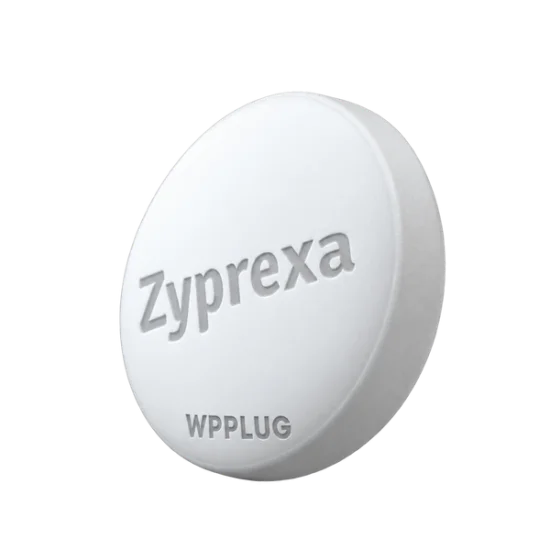
Zyprexa tablets contain olanzapine, an atypical antipsychotic used for schizophrenia and manic episodes associated with bipolar disorder. It helps regulate dopamine and serotonin signalling, which…
Zyprexa tablets contain olanzapine, an atypical antipsychotic used for schizophrenia and manic episodes associated with bipolar disorder. It helps regulate dopamine and serotonin signalling, which can reduce hallucinations, delusions, severe agitation, and mood instability when prescribed for the appropriate condition.
Product information
Zyprexa is the brand name for olanzapine, an atypical antipsychotic in the thienobenzodiazepine class. It is prescribed for adults with schizophrenia and for manic or mixed episodes associated with bipolar disorder. Olanzapine may also be continued during bipolar maintenance treatment when a clinician considers ongoing prevention of mood episodes appropriate.
Directions for use
- Dose: Take the prescribed amount of oral olanzapine tablets in mg. The dose is selected by the doctor according to the treatment purpose, age, response, other medicines, and medical history.
- Frequency: Take the prescribed dose at the frequency agreed with the doctor. The dosing schedule depends on the purpose of treatment and the individual clinical response.
- Timing: Swallow the tablets orally at the prescribed time of day. Follow the clinician's instructions about taking them with or without food.
- Duration: Continue treatment for the duration agreed with the doctor, including ongoing treatment after an acute episode when continued antipsychotic therapy is clinically appropriate. Do not stop or change treatment without medical advice.
- Route: Use Zyprexa by the oral route as tablets. Do not start, stop, or adjust treatment without an agreed plan from a doctor or pharmacist.
Ingredients
Zyprexa tablets contain olanzapine, an atypical antipsychotic in the thienobenzodiazepine class. Olanzapine regulates dopamine and serotonin signalling and is used in the treatment of schizophrenia and manic or mixed episodes associated with bipolar disorder.
How it affects the body
Olanzapine reduces excessive signalling through dopamine and serotonin pathways in the brain. It acts mainly as an antagonist, meaning it blocks selected receptors rather than stimulating them.
Dopamine D2 receptor blockade is linked with improvement in hallucinations, delusions, disorganised thinking, and manic overactivity. Serotonin 5-HT2A receptor blockade influences dopamine release in several brain regions and contributes to the clinical profile of atypical antipsychotics.
Olanzapine also interacts with dopamine receptors D1 through D4 and serotonin receptors including 5-HT2C, 5-HT3, and 5-HT6. It has activity at histamine H1 and muscarinic receptors as well. These additional actions help explain sedation, increased appetite, dry mouth, constipation, and blurred vision. The European Medicines Agency describes this receptor activity in its olanzapine product information [2].
Receptor Affinity Profile
The main therapeutic relationship is between:
- Dopamine D2 antagonism: helps reduce psychotic and manic symptoms.
- Serotonin 5-HT2A antagonism: influences dopamine pathways and may reduce some movement-related effects compared with older dopamine-blocking antipsychotics.
- Histamine H1 antagonism: may cause sleepiness and increased appetite.
- Muscarinic receptor antagonism: may contribute to dry mouth, constipation, blurred vision, and difficulty urinating.
The same pharmacology can produce both benefit and inconvenience. A person may sleep more easily during a manic episode yet feel excessively tired during the day. Appetite may return after a period of illness but can also become difficult to control.
Therapeutic indications
Approved Clinical Indications
Zyprexa is used mainly for:
- Schizophrenia, including positive symptoms such as hallucinations and delusions.
- Manic episodes associated with bipolar disorder.
- Mixed episodes in bipolar disorder, where manic and depressive symptoms occur together.
- Ongoing treatment after an acute episode when continued antipsychotic therapy is clinically appropriate.
The dose is selected according to the purpose of treatment, age, response, other medicines, and medical history. It should not be started, stopped, or adjusted without an agreed plan from a doctor or pharmacist.
Sedation can occur early in treatment. Some patients notice it within the first few doses, while improvement in psychotic or manic symptoms may take longer and requires regular assessment.
Olanzapine received initial approval from the US Food and Drug Administration for schizophrenia and later indications involving bipolar mania [1].
Common mistakes
Several practical mistakes can reduce the benefit of Zyprexa:
- Stopping suddenly after feeling better.
- Taking an extra tablet after a missed dose.
- Ignoring rapid appetite or weight changes.
- Treating severe constipation as a minor nuisance.
- Drinking alcohol to counteract anxiety or insomnia.
- Failing to report new restlessness, tremor, stiffness, or abnormal mouth movements.
- Changing smoking habits without mentioning the change.
- Taking sedating medicines together without checking the combination.
- Assuming a tablet prescribed for bipolar mania is suitable for a different depressive or anxiety condition.
A patient may feel sleepy and interpret that as proof the medicine is working. Sedation alone does not show that psychosis or mania is controlled.
Keep a simple record of sleep, mood changes, appetite, weight trend, and troublesome adverse effects. This gives the prescriber useful information without turning daily treatment into a complicated project.
Reasons not to use it
- Previous serious allergic reaction to olanzapine.
- Severe liver disease or substantial liver-enzyme abnormalities.
- Diabetes, prediabetes, obesity, or a history of major lipid abnormalities.
- Parkinson’s disease or dementia with Lewy bodies, where antipsychotics may worsen motor and cognitive symptoms.
- Seizure history or conditions that lower the seizure threshold.
- Narrow-angle glaucoma, urinary retention, or severe constipation.
- Cardiovascular disease, fainting, or medicines that prolong the QT interval.
- Pregnancy or breastfeeding, where the expected benefits and risks require individual assessment.
- Older age with dementia-related psychosis, because antipsychotics carry increased mortality and cerebrovascular risks in this population.
Alcohol can increase sedation and impair coordination. Other sedatives, opioid pain medicines, sleeping tablets, and some antihistamines may intensify drowsiness or breathing problems.
Smoking can increase olanzapine clearance through enzyme induction. A sudden change in smoking habits can therefore alter olanzapine exposure and may require clinical review. The Medsafe data sheet for olanzapine provides guidance on clinically relevant interactions and patient groups requiring caution [4].
When this is not for you
Zyprexa is not suitable for everyone. NOT for you if you have had a serious allergic reaction to olanzapine, cannot complete required monitoring, or face risks that outweigh the expected benefit. Particular caution is needed in the following situations:
Unwanted effects
Olanzapine can be highly useful for psychosis and mania, yet its metabolic burden is a major prescribing consideration. Weight gain, increased appetite, raised blood glucose, and changes in blood lipids occur more often with olanzapine than with some other second-generation antipsychotics.
Common adverse effects include:
- Sleepiness or reduced alertness.
- Increased appetite and weight gain.
- Constipation and dry mouth.
- Dizziness, especially when standing quickly.
- Swelling of the hands or ankles.
- Restlessness or akathisia.
- Raised blood glucose or worsening diabetes.
- Increased triglycerides or cholesterol.
- Sexual dysfunction in some patients.
Akathisia is an inner feeling of being unable to sit still. It differs from a tremor, which is an involuntary rhythmic movement. Mouth or tongue tremors, lip movements, stiffness, and slowed movement can represent extrapyramidal symptoms and need clinical review.
Metabolic Risks and Weight Gain
Olanzapine may contribute to metabolic syndrome, a cluster involving abdominal weight gain, high blood pressure, raised blood glucose, and abnormal blood lipids. Dyslipidaemia means an unhealthy lipid pattern, such as high triglycerides or LDL cholesterol.
Doctors commonly monitor:
- Body weight and waist measurement.
- Blood pressure.
- Fasting glucose or HbA1c.
- Triglycerides and cholesterol.
- Changes in appetite, thirst, and urination.
The World Health Organization identifies cardiometabolic monitoring as part of good care for people receiving antipsychotic treatment [3]. A small change in appetite can become clinically relevant over several months, so early reporting gives the treatment team more options.
Seek urgent medical attention for severe muscle rigidity with fever, confusion, fainting, uncontrolled movements, a seizure, facial swelling, or signs of a serious allergic reaction. New excessive thirst, frequent urination, vomiting, or marked weakness can indicate significant blood glucose disturbance.
Constipation deserves attention too. Severe abdominal pain, vomiting, or several days without a bowel movement requires prompt medical assessment, especially when other medicines also slow bowel activity.

Comparison
Antipsychotic selection depends on the diagnosis, previous response, suicide risk, movement symptoms, metabolic health, heart rhythm, smoking status, and the person’s ability to attend monitoring appointments. No single medicine has the best balance for every patient.
| Treatment approach | Main clinical role | Key limitation |
|---|---|---|
| Olanzapine | Schizophrenia and bipolar mania; strong antipsychotic and antimanic activity | Weight gain and metabolic effects |
| Clozapine | Treatment-resistant schizophrenia and persistent suicidality in selected patients | Requires blood monitoring and has serious potential adverse effects |
| Other second-generation antipsychotics | Options for psychosis or bipolar disorder with different tolerability profiles | Response and side effects vary widely |
Clozapine is a tricyclic dibenzodiazepine with a specialised role in treatment-resistant schizophrenia. It may be considered after inadequate response to other antipsychotics, including olanzapine, but it requires structured blood-count monitoring because of the risk of severe neutropenia.
Olanzapine is often considered before clozapine when a person has not yet completed adequate trials of other antipsychotics. It does not require the same blood-monitoring system as clozapine, though metabolic monitoring remains essential.
Treatment comparisons should include the person’s previous experience. A medicine that caused severe akathisia, high blood glucose, or disabling sedation may be unsuitable even if it is effective for another patient.
What doctors say
In clinical practice, doctors usually judge olanzapine by two parallel measures: symptom control and physical health. Fewer hallucinations or less mania is a meaningful benefit, yet rising weight, glucose, or triglycerides can change the long-term treatment plan.
A clinician will often ask about sleep, appetite, energy, restlessness, bowel movements, thirst, and daily functioning rather than relying only on a symptom score. Family members may notice movement changes or sedation before the patient recognises them.
Treatment response should be assessed over an appropriate period. Stopping after a few days can make a useful medicine appear ineffective, while continuing despite severe adverse effects can create avoidable harm. Dose changes are usually gradual because abrupt changes may disturb sleep, mood, or psychotic symptoms. The clinician may also review physical measurements before changing the regimen. Follow-up can identify whether benefits are continuing and whether adverse effects need treatment.
What customers often ask
Can Zyprexa be taken with food or on an empty stomach?
Olanzapine tablets may be taken with food or without food, because meals do not usually determine whether the oral dose can be absorbed. Taking it at a consistent time can make missed doses less likely and helps distinguish medicine effects from changes in routine. FDA prescribing information reviewed in 2023 describes oral olanzapine administration without a required meal schedule .
What should happen if the expected result does not come?
Do not increase the dose independently or stop treatment abruptly when symptoms remain. Persistent hallucinations, mania, severe depression, or agitation may mean that more time, a dose review, a different diagnosis, or another treatment approach is needed. NICE guidance published in 2014 supports structured review of response, adherence, adverse effects, and diagnosis before changing antipsychotic therapy [5].
Can the tablet be split, crushed, or chewed?
A standard oral tablet should be swallowed as directed unless a prescriber or pharmacist has confirmed that splitting is appropriate for that specific tablet. Crushing or chewing can be difficult if the tablet is not designed for alteration and may produce an inaccurate dose. FDA product information reviewed in 2023 distinguishes oral tablet administration from other olanzapine formulations .
Do you offer anonymous delivery?
Your order will be securely packed and shipped within 24 hours. This is exactly what your package will look like (images of an actual item sent). It has the size and look of a regular private letter (24x11x0.7 cm) and its contents cannot be seen.
Comparison
How Buyers Rate Zyprexa
Based on 3 reviews
I noticed less agitation and my sleep became more regular. The first week brought a dry mouth and constipation, and I needed to pay attention to fluids and fibre. I did not like the increased appetite, so weight monitoring became part of each appointment.
Whanganui One month 21 Nov 2026The tablets helped during a manic episode, but I felt too sedated after the dose was increased. I also developed an uncomfortable need to keep moving. The dose was reviewed rather than stopped suddenly, and the restlessness improved after the treatment plan changed.
Upper Hutt Three months 24 Oct 2026Sources
- US Food and Drug Administration (2023). Zyprexa (olanzapine) Prescribing Information
- European Medicines Agency (2024). Olanzapine: European public assessment and product information
- World Health Organization (2023). Mental health, human rights and legislation: guidance and clinical considerations for psychosis care
- Medsafe (2023). Olanzapine Data Sheet
- National Institute for Health and Care Excellence (2014). Psychosis and schizophrenia in adults: prevention and management