Skip to content
In stock Propecia
Hair Loss

Propecia

Propecia is an oral finasteride tablet for adult men with androgenetic alopecia, also called male pattern hair loss. It lowers scalp DHT and can help slow follicle miniaturisation; the regimen for…

Guaranteed quality Original product
Delivery: from 4 days Discreet shipping
24/7 Support Always available
Active ingredient: Finasteride
Select dosage:
Select pack Package Per unit Price
$ 3.83 $ 76.67
$ 2.87 $ 115.01 $ 86.02 Save 25%
$ 1.75 $ 230.01 $ 104.72 Save 54%
$ 1.48 $ 345.02 $ 132.77 Save 62%
$ 1.26 $ 460.02 $ 151.47 Save 67%
$ 1.14 $ 690.03 $ 205.70 Save 70%
$ 1.04 $ 1,035.05 $ 280.50 Save 73%
Best value $ 0.94 $ 1,380.06 $ 336.60 Save 76%
$ 7.67 $ 76.67
$ 4.30 $ 153.34 $ 86.02 Save 44%
$ 3.12 $ 230.01 $ 93.50 Save 59%
$ 2.06 $ 460.02 $ 123.42 Save 73%
$ 1.87 $ 690.03 $ 168.30 Save 76%
$ 1.71 $ 920.04 $ 205.70 Save 78%
$ 1.56 $ 1,380.06 $ 280.50 Save 80%
$ 1.25 $ 2,070.09 $ 336.60 Save 84%
Best value Free Regular Delivery $ 1.12 $ 2,760.12 $ 402.05 Save 85%

Free delivery on orders from $ 374.00, free express delivery from $ 561.00

Secure payment methods:
VISA AMEX JCB DISCOVER

Propecia is an oral finasteride tablet for adult men with androgenetic alopecia, also called male pattern hair loss. It lowers scalp DHT and can help slow follicle miniaturisation; the regimen for the selected strength should be confirmed with a healthcare professional before starting.

Product information

Propecia contains finasteride per tablet. Finasteride belongs to the 5-alpha-reductase type II inhibitor class and is used as a Hair Loss Treatment for adult men with male pattern hair loss. The regimen for the selected strength should be confirmed with a healthcare professional before starting.

Directions for use

  • Swallow the tablet whole with water.
  • Take only one tablet in a 24-hour period.
  • Continue daily treatment for as long as continued benefit is required.
  • If a dose is missed, take the next scheduled dose at the usual time.
  • Do not double the dose to compensate for a missed tablet.
  • Do not change the strength or frequency without medical direction.

The tablet should not be crushed or split. Finasteride can be absorbed through the skin, so pregnant women or women who could become pregnant should not handle broken or crushed tablets.

A missed dose does not require a catch-up dose. Taking two tablets together increases exposure without accelerating hair growth.

Ingredients

Propecia contains finasteride per tablet. Finasteride belongs to the 5-alpha-reductase type II inhibitor class and is used as a Hair Loss Treatment for adult men with male pattern hair loss. The regimen for the selected strength should be confirmed with a healthcare professional before starting; it is distinct from higher-strength finasteride regimens used for prostate conditions.

Testosterone is converted into dihydrotestosterone, or DHT, by the enzyme 5-alpha-reductase. In genetically sensitive scalp follicles, DHT gradually shortens the growth phase and causes progressive miniaturisation. A miniaturised follicle produces thinner, shorter hairs before visible density declines.

Finasteride and DHT reduction

Finasteride inhibits type II 5-alpha-reductase, reducing the conversion of testosterone to DHT. Lower scalp DHT can slow further follicle miniaturisation and help susceptible follicles remain in the growth cycle for longer. Clinical trials and regulatory data support its use for male androgenetic alopecia [1].

This process does not create an immediate cosmetic change. Existing hair must move through its natural growth cycle before reduced shedding or increased density becomes visible.

Take the tablet at a time linked to an established routine, such as breakfast or brushing your teeth. The exact clock time matters less than taking one dose consistently each day.

How it affects the body

Testosterone is converted into dihydrotestosterone, or DHT, by the enzyme 5-alpha-reductase. Finasteride inhibits type II 5-alpha-reductase, reducing the conversion of testosterone to DHT. Lower scalp DHT can slow further follicle miniaturisation and help susceptible follicles remain in the growth cycle for longer.

Therapeutic indications

Androgenetic alopecia is the clinical term for Male Pattern Hair Loss. It reflects an interaction between inherited follicle sensitivity and androgen activity. Hair loss commonly begins with recession at the temples, thinning at the crown, or both.

Propecia treats this hormonal and genetic form of hair loss in adult men. It is not designed for sudden patchy loss, scalp inflammation, scarring alopecia, or hair loss caused by a nutritional deficiency. Those patterns require a different clinical assessment.

The rate of change varies between individuals. Family history, age, baseline hair density, duration of hair loss, and follicle sensitivity all influence the visible response.

Common mistakes

Several habits make Propecia difficult to assess:

  • Stopping before three to six months without a medical reason.
  • Taking extra tablets after a missed dose.
  • Switching between strengths without clinical direction.
  • Crushing or splitting tablets.
  • Forgetting to mention finasteride before a PSA test.
  • Comparing wet hair with dry hair and interpreting normal variation as treatment failure.
  • Assuming that increased shedding during the first weeks proves the treatment is harmful.
  • Continuing despite new depression or suicidal thoughts without seeking prompt help.
  • Judging progress only by the hairline when crown density is the main treatment target.

Hair grows in cycles, so short-term shedding does not provide a reliable measure of final response. A clinician may use photographs, scalp examination, and the pattern of change rather than a single day’s hair count.

Keep a simple record of the start date, dose, missed doses, sexual symptoms, mood changes, and photograph dates. This gives the prescriber useful information without turning daily hair shedding into a test.

Reasons not to use it

  • Women who are pregnant or may become pregnant must not use finasteride.
  • Women who are pregnant or may become pregnant must not handle crushed or broken tablets.
  • Children and adolescents should not use Propecia.
  • Men with a previous serious reaction to finasteride or any tablet ingredient should not take it.
  • A person with unexplained sudden or patchy hair loss needs assessment before starting a treatment designed for androgenetic alopecia.

Finasteride can cause abnormalities in the external genitalia of a male fetus if exposure occurs during pregnancy. Intact tablets have a protective coating, but broken tablets can release finasteride through skin contact. The FDA and Medsafe identify pregnancy exposure as a specific safety concern for finasteride [3].

When this is not for you

Propecia is NOT for you if you are pregnant or may become pregnant, are under 18, or have unexplained sudden or patchy hair loss.

It is also sensible to report any history of depression, suicidal thoughts, breast symptoms, or sexual dysfunction before treatment begins.

Unwanted effects

The main adverse effects associated with Propecia involve sexual function. In controlled clinical trials, decreased libido occurred in about 1.8% of men taking finasteride 1 mg compared with 1.3% receiving placebo. Erectile dysfunction occurred in about 1.4% compared with 0.6%, while ejaculation disorders occurred in about 1.4% compared with 0.9% [2].

Reported effects include:

  • Reduced sexual desire
  • Difficulty achieving or maintaining an erection
  • Reduced ejaculate volume
  • Ejaculation disorder
  • Breast tenderness or enlargement
  • Testicular discomfort
  • Skin rash or itching
  • Depressed mood or depressive symptoms

Clinical trial rates were low, and some men stopped treatment because of sexual symptoms. Persistent sexual symptoms after discontinuation have been reported in post-marketing experience, although the frequency and causal relationship remain difficult to establish from spontaneous reports.

Finasteride lowers PSA levels. A doctor interpreting a PSA result needs to know that the patient is taking finasteride, because the measured value may be reduced and could require clinical adjustment during assessment for prostate disease.

Mood changes deserve attention. Depressed mood, depression, and suicidal thoughts have been reported with finasteride products. A new or worsening change in mood requires prompt medical review, especially if thoughts of self-harm occur.

Breast enlargement, a lump, nipple discharge, or persistent breast pain also requires medical assessment. These symptoms are uncommon but should not be ignored.

Tell the clinician ordering a PSA blood test that you use finasteride. The laboratory number may look lower than expected because finasteride reduces PSA production.

Sexual side effects may appear during the first months, but they can also develop later. They may improve during treatment or after stopping, though persistent symptoms have been reported. This is a real limitation of treatment, not a reason to conceal symptoms.

Comparison

Treatment choice depends on the pattern of loss, medical history, tolerance, and the person’s preference for oral or topical therapy.

Approach Main pharmacological action Practical limitation
Finasteride 1 mg Reduces conversion of testosterone to scalp DHT Prescription treatment; sexual and mood-related adverse effects can occur
Topical minoxidil Supports follicle activity through a non-hormonal topical mechanism Requires regular scalp application and may cause irritation or unwanted facial hair
Hair-transplant surgery Relocates follicles that are less sensitive to DHT Surgical procedure; it does not prevent ongoing loss in untreated follicles

Finasteride acts on the hormonal driver of follicle miniaturisation. Topical minoxidil works through a different pathway and does not reduce DHT. Some clinical plans use one approach alone, while others combine mechanisms under medical supervision.

Surgery changes hair distribution rather than treating the underlying androgen sensitivity. Untreated follicles can still thin after a procedure.

What doctors say

In clinical practice, doctors usually assess the pattern and duration of hair loss before attributing it to androgenetic alopecia. Receding temples and crown thinning support the diagnosis, while sudden diffuse shedding, smooth patches, scaling, or scarring may point to another cause.

A realistic treatment discussion includes both potential benefits and limitations. Finasteride can slow DHT-driven follicle miniaturisation, but it cannot restore every lost follicle or guarantee a full head of hair. The response is gradual and needs continuous use.

Clinicians also ask about medicines, fertility plans, mood history, sexual function, and prostate testing. These questions are relevant because finasteride affects androgen metabolism, sexual symptoms, mood reporting, and PSA interpretation.

One practical issue is treatment persistence. A man may stop after eight weeks because the mirror looks unchanged, even though the biological process requires months. A second common problem is changing doses independently after reading about the higher finasteride strength used for prostate treatment. The two strengths have different indications and should not be substituted.

What customers often ask

What should I do if the expected result does not come?

A lack of visible improvement after the first several weeks does not establish treatment failure, because Propecia usually requires several months for a fair assessment. The FDA's 2022 clinical data for finasteride 1 mg support evaluating the response over a longer treatment period rather than relying on early changes. If hair loss remains rapid after six to twelve months, the diagnosis, adherence, dose, and other causes of shedding should be reviewed. New patchy loss, scalp inflammation, or sudden diffuse shedding needs separate clinical assessment.

Do diet, exercise, or daily habits affect the result?

Propecia targets DHT-related follicle miniaturisation, so diet and exercise do not replace its pharmacological action. Adequate protein, correction of a documented deficiency, sleep, and management of significant illness can support general hair health, while crash dieting may worsen diffuse shedding. The WHO's 2020 guidance recognises nutrition as relevant to general health, but finasteride-specific benefit comes from DHT reduction rather than a special diet [4]. Avoid treating supplements as a substitute for diagnosis when hair loss changes suddenly.

Can Propecia be taken with food or on an empty stomach?

Propecia can be taken with or without food. Food does not require a special dosing schedule for the 1 mg tablet, according to the product’s regulatory information. Taking it with a regular meal may help people who experience mild stomach discomfort, though gastrointestinal symptoms are not the main adverse effect associated with finasteride. The EMA product information describes oral finasteride use for male androgenetic alopecia and supports consistent daily administration, as reflected in the 2024 regulatory record.

Can people under 18 use Propecia?

Propecia is not indicated for children or adolescents. Male pattern hair loss is assessed differently in younger people, and finasteride has not been established as a routine treatment for this population. The 2024 Medsafe regulatory information restricts the indication to adult men with androgenetic alopecia. A young person with hair loss needs assessment for causes such as alopecia areata, scalp disease, nutritional deficiency, or systemic illness.

What happens after stopping Propecia, and is tapering needed?

Finasteride does not normally require a taper because the prescribed regimen is a fixed daily dose rather than a treatment that must be gradually reduced. After stopping, DHT activity returns toward its previous level, and hair preserved or gained during treatment may be lost over the following months. The 2012 Cochrane evidence review describes the need for continued treatment to maintain benefit. A doctor can help decide whether stopping is appropriate and whether another hair-loss approach is suitable.

Can older adults use Propecia?

Older men may use finasteride when a clinician confirms that the hair loss is androgenetic alopecia and the treatment’s risks are acceptable. Age alone does not create a separate higher Propecia dose, but older adults often have more medicines, prostate monitoring, and medical conditions to consider. Finasteride’s effect on PSA interpretation becomes especially relevant when prostate assessment is part of routine care. The 2024 Medsafe information supports reviewing medical history and concurrent treatment before use.

Does Propecia affect driving, concentration, or machinery work?

Propecia is not generally expected to impair driving or the operation of machinery. Some men report dizziness, mood changes, or other symptoms that could affect concentration, even though these are not the usual treatment effects. The 2022 FDA prescribing information lists adverse reactions and post-marketing reports that should be considered when symptoms arise. Do not drive or operate machinery if you feel unwell, dizzy, unusually fatigued, or unable to concentrate.

Do you offer anonymous delivery?

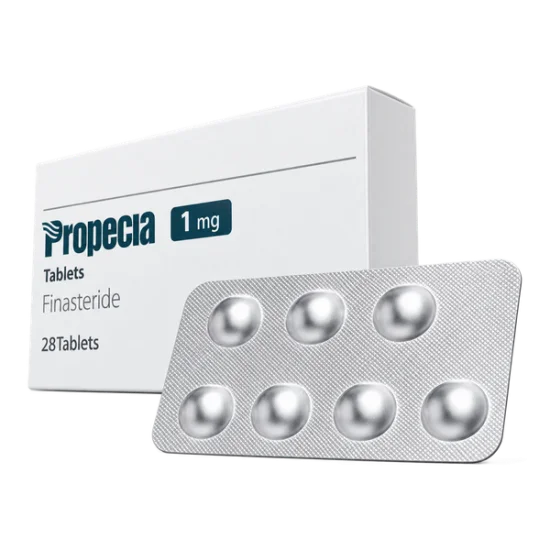
Your order will be securely packed and shipped within 24 hours. This is exactly what your package will look like (images of an actual item sent). It has the size and look of a regular private letter (24x11x0.7 cm) and its contents cannot be seen.

Comparison

How the medicines for Hair Loss compare

How Buyers Rate Propecia

Based on 4 reviews

Lee, 61 Verified
Rating: 5 out of 5

The crown looked thinner before I started. I noticed less scalp showing after about six months, and the change was easier to see in photographs than in the mirror. I had no sexual problems, although I still had to remember the tablet every morning.

Whangārei Nine months 5 Nov 2026
Christopher, 45 Verified
Rating: 4 out of 5

I expected a quick improvement and felt disappointed after the first two months. By month four, shedding seemed lower, but I developed reduced libido and stopped after discussing it with my doctor. The symptom improved after stopping, though the hair benefit was not established for long enough.

Te Awamutu Four months 15 Oct 2026
Luke, 66 Verified
Rating: 3.5 out of 5

The hairline did not move forward, but the crown became more stable. I kept taking it because the main goal was slowing further loss. My doctor reminded me to mention finasteride before my PSA test, which I had not known.

Invercargill One year 25 Oct 2026
Richard, 68 Verified
Rating: 3.5 out of 5

The routine was easy, and I noticed fewer loose hairs on the pillow after several months. I later developed breast tenderness and arranged a review rather than ignoring it. The treatment was paused while the symptom was assessed.

Masterton Seven months 10 Nov 2026

Sources

  1. U.S. Food and Drug Administration (2022). PROPECIA (finasteride) tablets, 1 mg: Prescribing Information.
  2. U.S. Food and Drug Administration (2022). PROPECIA (finasteride) tablets, 1 mg: Clinical Studies and Adverse Reactions.
  3. Medsafe (2024). Propecia 1 mg tablets: Data Sheet.
  4. World Health Organization (2020). Healthy diet: Fact sheet.
Get our free app Shop faster and track your orders 3.9 · 346 reviews Install