My periods became easier to predict, and the first month was manageable apart from breast tenderness. I stopped after developing new headaches that needed medical review, so the cycle control was useful but not worth ignoring that change.
Christchurch Several cycles 8 Nov 2026Yasmin
Yasmin tablets are taken by mouth once daily, with or without food, for pregnancy prevention. This combined oral contraceptive contains drospirenone and ethinylestradiol, suppresses ovulation…
Yasmin tablets are taken by mouth once daily, with or without food, for pregnancy prevention. This combined oral contraceptive contains drospirenone and ethinylestradiol, suppresses ovulation, thickens cervical mucus, and can make menstrual bleeding more predictable.
Product information
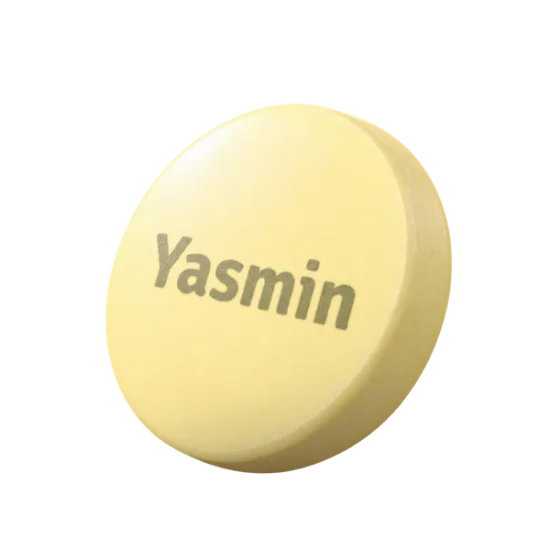
Yasmin is a combined oral contraceptive used primarily for pregnancy prevention. It belongs to the birth control pills group and combines an oestrogen with a progestogen to prevent ovulation during the menstrual cycle. The formulation contains drospirenone and ethinylestradiol in each active tablet [1]. It is taken by mouth once daily. Its suitability depends on individual cardiovascular, hepatic, renal, and migraine-related risks.
The medicine is intended for people who require oral contraception and have no medical condition that makes combined hormonal contraception unsuitable. Its contraceptive action depends on taking the tablets consistently and maintaining the correct schedule. Dosing can differ between strengths and between users, so there is no single amount that suits everyone.
Directions for use
Yasmin is taken orally as one tablet each day according to the prescribed regimen. The usual combined-pill pattern involves active tablets taken for several consecutive days followed by a hormone-free interval, but the exact schedule must match the strength and pack instructions supplied for the product.
Practical administration points include:
- swallow each tablet with water;
- take it at a consistent time;
- food is permitted and does not prevent oral use;
- start the first pack on the day specified by the prescriber or contraceptive plan;
- use additional contraception when required after a missed tablet or late start;
- do not take extra tablets routinely to compensate for several missed doses.
If vomiting occurs soon after taking a tablet, absorption may be incomplete. Severe diarrhoea can create a similar problem. The event should be managed using the missed-tablet instructions for the product and the timing of the episode.
Dosing differs between strengths and between users, so there is no single amount that suits everyone. Yasmin should not be started, stopped, or changed repeatedly without a clear contraceptive plan because gaps can reduce pregnancy protection.
Ingredients
Each Yasmin film-coated tablet contains two active pharmaceutical ingredients:
| Ingredient | Pharmacological role |
|---|---|
| Drospirenone | A progestogen that suppresses ovulation and changes cervical mucus |
| Ethinylestradiol | An oestrogen that supports ovulation suppression and cycle control |
Drospirenone has progestogenic activity and also has antimineralocorticoid properties. This means it can influence sodium and water handling in the body. People with kidney disease, adrenal disorders, or medicines that raise potassium require specific assessment before use.
Ethinylestradiol is a synthetic oestrogen. Combined with drospirenone, it helps stabilise the hormonal pattern that produces predictable withdrawal bleeding during the tablet-free interval.
Yasmin is supplied as pills for oral use. Dosing can differ between strengths and between users, so there is no single amount that suits everyone.
How it affects the body
Yasmin prevents pregnancy mainly by suppressing the hormonal signals that trigger ovulation. Drospirenone and ethinylestradiol reduce the normal rise in follicle-stimulating hormone and luteinising hormone. Without the mid-cycle luteinising hormone surge, an egg is less likely to be released.
The cervical mucus also becomes thicker. Sperm then have greater difficulty passing through the cervix. The lining of the uterus undergoes hormonal changes as well, creating a less receptive environment for implantation.
Therapeutic indications
Yasmin is a combined oral contraceptive used primarily for pregnancy prevention. The medicine is intended for people who require oral contraception and have no medical condition that makes combined hormonal contraception unsuitable.
Yasmin may make menstrual bleeding more predictable because the active tablets provide a consistent hormonal pattern. Withdrawal bleeding usually occurs during the hormone-free interval rather than following the body’s natural ovulation cycle.
Some users experience:
- more predictable bleeding;
- lighter menstrual flow;
- fewer days of bleeding;
- less cycle-to-cycle variation;
- improvement in menstrual discomfort.
Common mistakes
Several practical mistakes can reduce reliability or create unnecessary anxiety:
- starting the first pack without confirming the correct start day;
- taking tablets at widely different times;
- forgetting that vomiting can affect absorption;
- treating several missed tablets as one missed tablet;
- stopping after spotting without arranging another contraceptive method;
- overlooking St John’s wort or enzyme-inducing medicines;
- assuming that a lighter withdrawal bleed proves pregnancy;
- restarting after a long gap without considering whether pregnancy is possible;
- ignoring a new migraine with aura or a significant rise in blood pressure.
A missed tablet is not the same as a late tablet in every situation. The number of missed tablets and their position in the pack affect the next steps.
Alcohol does not directly switch off Yasmin’s contraceptive mechanism. It can still contribute indirectly to failure if intoxication leads to a missed tablet, vomiting, or unprotected sex during a period of reduced cover.
Reasons not to use it
Medical assessment is needed before use if any of the following applies:
- current or previous deep-vein thrombosis or pulmonary embolism;
- known thrombophilia or a strong family history of early blood clots;
- stroke, heart attack, or significant coronary artery disease;
- migraine with aura;
- uncontrolled high blood pressure;
- severe liver disease or liver tumours;
- severe kidney impairment;
- adrenal insufficiency;
- unexplained vaginal bleeding;
- current or previous hormone-sensitive breast cancer;
- planned major surgery followed by prolonged immobility;
- smoking combined with older age or other vascular risk factors.
Pregnancy is another reason not to continue contraceptive use. Yasmin should not be used to prevent pregnancy after pregnancy has already been established.
Certain medicines can reduce contraceptive protection or alter hormone levels. Examples include enzyme-inducing medicines used for epilepsy, tuberculosis, HIV infection, or some herbal preparations containing St John’s wort. Some medicines can also increase potassium when used with drospirenone.
When this is not for you
Yasmin is not suitable for everyone. It is NOT for you if you have migraine with aura, a history of blood clots, or another listed contraindication. A combined oral contraceptive containing ethinylestradiol should generally be avoided in people with specific clotting, cardiovascular, liver, or migraine conditions.
Provide a complete medicine list before starting Yasmin, including epilepsy treatment, HIV treatment, blood-pressure medicines, potassium supplements, and herbal products. The interaction may depend on the exact active substance rather than the medicine’s brand name.
Unwanted effects
Common side effects of combined oral contraceptives include nausea, breast tenderness, headache, abdominal discomfort, mood changes, and irregular bleeding. These effects are often more noticeable during the first few cycles and may settle with continued use.
Yasmin can also cause:
- acne changes;
- reduced or increased libido;
- fluid retention or a feeling of bloating;
- changes in blood pressure;
- contact-lens discomfort;
- changes in menstrual bleeding.
A serious but uncommon risk of combined hormonal contraception is venous thromboembolism, meaning a blood clot in a deep vein or the lungs. The risk is influenced by age, smoking, obesity, personal or family clotting history, prolonged immobility, surgery, and the type of progestogen. The European Medicines Agency has reviewed blood-clot risks across combined hormonal contraceptives [3].
Urgent symptoms include one-sided leg swelling or pain, sudden breathlessness, chest pain, coughing blood, sudden weakness, facial drooping, severe unexplained headache, or a major change in vision. These symptoms require urgent medical attention.
One practical detail is easy to miss: headaches that are new, severe, or associated with neurological symptoms are different from an ordinary mild headache. A history of migraine with aura can affect whether an oestrogen-containing pill is suitable.
Another detail concerns potassium. Drospirenone can increase potassium in susceptible people, especially when combined with medicines that affect renal potassium handling. This risk is more relevant with kidney disease, adrenal disease, or certain blood-pressure medicines.

Comparison
Combined oral contraceptives differ from progestogen-only pills because they contain both oestrogen and progestogen. A progestogen-only method may be selected when oestrogen is unsuitable, while a combined pill may offer more predictable withdrawal bleeding for some users.
| Contraceptive approach | Main hormonal action |
|---|---|
| Yasmin combined pill | Suppresses ovulation, thickens cervical mucus, and changes the endometrium |
| Progestogen-only pill | Primarily changes cervical mucus and may suppress ovulation, depending on the active substance |
| Non-hormonal method | Prevents sperm and egg interaction without altering reproductive hormones |
The choice depends on medical history, migraine pattern, blood pressure, smoking status, postpartum circumstances, and other factors. The World Health Organization Medical Eligibility Criteria provides a recognised framework for assessing these factors [2].
What doctors say
In clinical practice, prescribers usually assess clotting risk before selecting a combined pill. Blood pressure, migraine history, smoking, body weight, family history, liver disease, and recent pregnancy can change the balance between benefits and risks.
A clinician would also expect consistent use. Yasmin cannot compensate for frequent missed tablets, and irregular use is a common reason for breakthrough bleeding and reduced pregnancy protection.
The first few cycles deserve realistic expectations. Mild nausea, breast tenderness, or spotting may occur early, while persistent or severe symptoms need review. A sudden symptom such as chest pain or one-sided leg swelling is treated differently from ordinary early-cycle discomfort.
Doctors also distinguish contraceptive goals from menstrual goals. More predictable bleeding can be useful, but persistent irregular bleeding may require assessment for pregnancy, infection, thyroid disease, fibroids, polycystic ovary syndrome, or another cause.
What customers often ask
Can Yasmin be taken with food or on an empty stomach?
Yasmin can be taken with food or without food, provided the tablet is swallowed as directed. Taking it with food may reduce nausea for some users, although food is not required for contraceptive action. The FDA prescribing information for drospirenone and ethinylestradiol products describes oral administration without requiring a meal, and this principle remains clinically relevant in 2025 .
What is the best time of day to take Yasmin?
The best time is one that makes daily use consistent, such as after breakfast or before bed. A fixed routine helps reduce late or missed tablets, which are a common cause of reduced contraceptive reliability. Medsafe patient information for oral contraceptives supports taking tablets regularly and following the prescribed pack schedule; the practical choice of morning or evening depends on the user’s routine. The FDA prescribing information from 2022 also supports using a consistent daily schedule.
How does Yasmin differ from a combined pill with levonorgestrel?
Yasmin contains drospirenone and ethinylestradiol, while another combined pill may contain levonorgestrel with ethinylestradiol. Both approaches suppress ovulation, but the progestogen differs and may influence bleeding, acne, fluid retention, and clot-risk considerations. The European Medicines Agency’s combined-hormonal-contraceptive review from 2013 explains why progestogen type forms part of individual contraceptive selection.
What should be done after a missed Yasmin tablet?
The response depends on how many tablets were missed and where the missed tablet falls within the pack. One late tablet is managed differently from several consecutive missed tablets, and emergency contraception may need consideration after unprotected sex during reduced contraceptive cover. The World Health Organization’s contraceptive guidance published in 2015 emphasises prompt resumption and additional protection when the dosing schedule has been interrupted.
Can alcohol be used while taking Yasmin?
Alcohol does not directly neutralise drospirenone or ethinylestradiol. It can still create a practical problem if it leads to a missed tablet, vomiting, or unprotected sex when tablets have not been taken correctly. WHO family-planning guidance from 2015 treats adherence and vomiting as the relevant issues rather than alcohol itself.
Which condition rules Yasmin out?
A history of migraine with aura is a concrete condition that can rule out an oestrogen-containing combined pill because of vascular risk. Current or previous blood clots, stroke, severe uncontrolled hypertension, and some liver diseases are also important exclusions. The 2024 CDC Medical Eligibility Criteria and WHO recommendations classify these conditions according to their contraceptive risk category.
Can Yasmin be combined with epilepsy medicines or herbal supplements?
Some enzyme-inducing epilepsy medicines can lower contraceptive hormone levels and reduce pregnancy protection. St John’s wort may also reduce the effectiveness of hormonal contraception through enzyme induction. The FDA drug-interaction information from 2022 for drospirenone and ethinylestradiol products identifies enzyme inducers as a clinically relevant group, so every prescribed medicine and supplement should be assessed before combination use.
Do you offer anonymous delivery?
Your order will be securely packed and shipped within 24 hours. This is exactly what your package will look like (images of an actual item sent). It has the size and look of a regular private letter (24x11x0.7 cm) and its contents cannot be seen.
How Buyers Rate Yasmin
Based on 3 reviews
The tablets fitted into my morning routine and the bleeding became lighter. I had spotting during the first pack and felt mildly nauseated when I took it without breakfast, although eating later in the day seemed to help.
Ashburton Three months 23 Oct 2026My cycle was more predictable after about two packs, and I liked not having to think about contraception during the day. I missed two tablets while travelling and needed extra advice, which showed me that the schedule was less forgiving than I had assumed.
Lower Hutt About two packs 18 Nov 2026Sources
- U.S. Food and Drug Administration (2022). Yasmin (drospirenone and ethinyl estradiol) Tablets Prescribing Information.
- World Health Organization (2015). Medical Eligibility Criteria for Contraceptive Use, Fifth Edition.
- European Medicines Agency (2013). Combined hormonal contraceptives containing levonorgestrel, norgestimate or norethisterone — referral procedure.