Skip to content
In stock Protopic
Eczema

Protopic

Protopic is a tacrolimus ointment applied directly to affected skin for moderate to severe atopic dermatitis and eczema. The 0.1% topical formulation reduces local immune inflammation, helping…

Guaranteed quality Original product
Delivery: from 4 days Discreet shipping
24/7 Support Always available
Active ingredient: Tacrolimus
Select pack Package Per unit Price
$ 100.98 $ 100.98
$ 97.24 $ 201.96 $ 194.48 Save 4%
$ 92.25 $ 302.94 $ 276.76 Save 9%
$ 78.54 $ 403.92 $ 314.16 Save 22%
Best value $ 64.33 $ 504.90 $ 321.64 Save 36%

Free delivery on orders from $ 374.00, free express delivery from $ 561.00

Secure payment methods:
VISA AMEX JCB DISCOVER

Protopic is a tacrolimus ointment applied directly to affected skin for moderate to severe atopic dermatitis and eczema. The 0.1% topical formulation reduces local immune inflammation, helping relieve redness, itching, and flare-related skin irritation. Its corticosteroid-free action makes it useful for selected areas where repeated steroid exposure may be unsuitable.

Product information

Protopic 0.1% Ointment contains tacrolimus as tacrolimus monohydrate, a topical calcineurin inhibitor. Tacrolimus belongs to the immunosuppressant class, but its ointment formulation acts mainly in the treated skin rather than producing the broad immune effects associated with systemic treatment. The product is supplied in a tube as an ointment.

Directions for use

Use Protopic only on areas affected by atopic dermatitis and follow the individual instructions agreed with a doctor or pharmacist. How much to use and how often depends on the purpose of treatment, the body site, age, flare pattern, and clinical response.

  • Apply a thin layer to the affected skin.
  • Use the ointment at the prescribed frequency.
  • Keep it away from the eyes, mouth, and other mucous membranes.
  • Do not cover treated skin with airtight dressings unless specifically instructed.
  • Wash hands after application when the hands are not being treated.
  • Avoid bathing, showering, or swimming immediately after application because water can remove the ointment.
  • Moisturisers may be used, but the timing should follow the agreed treatment plan.
  • If an application is missed, apply the next dose when remembered if it is not close to the next scheduled application; do not apply extra ointment to compensate.

Do not use Protopic on infected skin without medical advice. Cold sores, chickenpox-like blisters, spreading redness, yellow crusting, pus, or increasing pain can require a different treatment.

A common practical error is applying a very thick layer because the skin feels dry. More ointment does not produce faster immune control and can increase stickiness, transfer to clothing, and local irritation.

Sun protection matters during treatment. Limit unnecessary exposure to natural sunlight and avoid tanning devices because tacrolimus-treated skin may be more sensitive. Use protective clothing and a suitable sunscreen on exposed areas, while keeping sunscreen out of the eyes and off open, weeping lesions.

Ingredients

Excipient Composition and Base Formulation

The ointment base contains paraffin ingredients, including white soft paraffin and liquid paraffin. These substances give Protopic its smooth, occlusive texture and help keep the treated skin from losing excessive moisture. The base is designed for topical application rather than oral use.

The ointment should remain on the skin. It should not be placed in the eyes, inside the mouth, or on mucous membranes. Wash hands after application unless the hands themselves are the treatment site.

How it affects the body

Tacrolimus binds to an intracellular protein called FKBP-12. This combination inhibits calcineurin, an enzyme needed to activate T lymphocytes. Reduced T-cell activation lowers the release of inflammatory cytokines that contribute to eczema redness, swelling, itching, and skin sensitivity. The European Medicines Agency describes topical tacrolimus as a non-steroidal anti-inflammatory treatment for atopic dermatitis [1].

Mechanism of Action in Inflammatory Skin Conditions

Eczema involves an impaired skin barrier and an exaggerated immune response. Irritants, allergens, dryness, friction, and scratching can keep this inflammatory cycle active. Tacrolimus interrupts part of that cycle by reducing inflammatory signalling inside immune cells in the skin.

The result is not an instant numbing effect. It is a gradual reduction in immune-driven inflammation. Itching may improve as the flare settles, while skin texture and redness can take longer to normalise.

A brief warm or stinging sensation after application is common during an early flare. Applying the ointment to fully dry skin and avoiding hot showers immediately beforehand may make this sensation easier to tolerate.

Therapeutic indications

Protopic is prescribed for atopic dermatitis, also called atopic eczema, when inflammation causes persistent itching, redness, dryness, scaling, or recurrent patches. It may be selected when conventional topical treatment has not provided adequate control or when repeated corticosteroid treatment presents a concern for the affected area.

Atopic dermatitis is a relapsing condition. The visible rash may improve, then return after triggers such as cold weather, sweating, stress, harsh cleansers, wool clothing, or skin infection. Protopic controls immune inflammation during treatment but does not remove every factor that causes future flares.

Dermatologists often consider a topical calcineurin inhibitor for the face, eyelids, neck, skin folds, and other delicate areas. Repeated use of potent topical corticosteroids on thin skin can contribute to atrophy, telangiectasia, and striae. Protopic does not carry the same corticosteroid-related skin-thinning mechanism, although it has its own precautions and local adverse effects.

Eczema severity Typical clinical approach Role of Protopic
Mild Emollient care and low-potency anti-inflammatory treatment May be selected for recurrent sensitive-area inflammation
Moderate Prescription anti-inflammatory treatment with regular barrier care Used when persistent inflammation needs steroid-sparing control
Severe More intensive dermatology management May form one part of a wider treatment plan

Targeting Chronic Flare-ups in Atopic Dermatitis

In clinical practice, doctors often see poor control when patients stop treatment as soon as itching eases but before inflammation has fully settled. A small residual patch can become the starting point for another flare, especially around the eyelids, mouth, neck, or hands.

Protopic may also be used within a maintenance strategy for patients with frequent relapses. The exact schedule depends on the treatment purpose and is agreed with a doctor or pharmacist. It is not appropriate to extend, shorten, or intensify that schedule independently.

A flare that becomes painful, rapidly spreads, develops crusting, or produces fluid may indicate infection rather than uncomplicated eczema. That situation needs medical assessment because an anti-inflammatory ointment alone may not address the cause.

Common mistakes

Several routine habits can make Protopic seem less helpful:

  • applying it to damp skin immediately after bathing;
  • using it on every itchy patch without confirming that the patch is eczema;
  • stopping after one comfortable day even though inflammation remains;
  • applying a thick layer to compensate for a missed application;
  • covering the area with plastic or airtight material;
  • using fragranced cleanser or harsh soap over the treated skin;
  • exposing treated skin to tanning devices;
  • ignoring new crusting, pus, pain, or fever;
  • changing to another tacrolimus strength without medical direction.

A less obvious mistake is applying the ointment directly after intense exercise. Sweat and heat can increase stinging. Waiting until the skin has cooled and dried often makes the application more manageable.

Reasons not to use it

  • serious allergic reaction to tacrolimus or any ointment ingredient;
  • active bacterial, viral, or fungal infection at the intended treatment area;
  • severe immune-system disorder or medicines that substantially suppress immunity without specialist supervision;
  • application inside the eyes, mouth, nose, or genital mucosa;
  • prolonged, unprotected ultraviolet exposure;
  • age below that permitted for the prescribed strength;
  • an unassessed rash that may represent another skin disease.

Do not combine Protopic with ultraviolet therapy or tanning devices unless a dermatologist has specifically arranged and monitored that treatment.

When this is not for you

This medication is not for you if:

  • you have had a serious allergic reaction to tacrolimus or any ointment ingredient;
  • the intended treatment area has an active bacterial, viral, or fungal infection;
  • you have a severe immune-system disorder or use medicines that substantially suppress immunity without specialist supervision;
  • you intend to apply it inside the eyes, mouth, nose, or genital mucosa;
  • you plan to use it with prolonged, unprotected ultraviolet exposure;
  • the treated person is below the age permitted for the prescribed strength;
  • the rash has not been assessed and may represent another skin disease.

Tell the prescriber about swollen lymph nodes, recurrent herpes infections, a history of skin cancer, immune deficiency, or treatment with systemic immunosuppressants. Pregnancy and breastfeeding require an individual assessment.

Unwanted effects

The most common early reactions are burning, warmth, itching, redness, or tingling where Protopic is applied. These effects often appear during the first days of treatment and may lessen as the skin inflammation improves. The New Zealand Medsafe data sheet identifies local application-site reactions as important adverse effects to monitor [3].

Other possible reactions include folliculitis, acne-like changes, herpes simplex infection, increased sensitivity to alcohol, and skin infection. Some patients report facial flushing or warmth after drinking alcohol while using tacrolimus ointment. This reaction is uncomfortable rather than a sign that the ointment is working better.

Seek urgent medical assessment for facial swelling, difficulty breathing, widespread hives, blistering over large areas, severe skin pain, or rapidly spreading redness. Stop applying the ointment to a suspected infected area and obtain clinical advice if pus, honey-coloured crusts, fever, or marked tenderness develops.

A patient detail that is easy to miss: burning on application can feel stronger after exercise, a hot shower, or time spent in a warm room because heat increases skin blood flow. Cooling the room and waiting until the skin is dry may help.

Another practical issue concerns contact with clothing and bedding. The ointment can transfer to fabric, so applying it well before sleep may reduce rubbing and unwanted residue.

Comparison

Treatment for eczema may include emollients, topical corticosteroids, topical calcineurin inhibitors, antimicrobial treatment for infected lesions, and specialist therapies for extensive disease. These options do different jobs. NICE and the American Academy of Dermatology also discuss these treatment categories in clinical guidance.

Emollients repair and protect the skin barrier but do not directly suppress T-cell activity. Topical corticosteroids reduce inflammation rapidly, though prolonged or repeated use can be limited by skin-thinning risks in vulnerable areas. Protopic reduces local immune activation without being a corticosteroid, but initial burning and sensitivity to sunlight can affect tolerability.

Treatment category Main action Important limitation
Protopic ointment Reduces local T-cell inflammatory signalling Burning, warmth, and irritation may occur early
Topical corticosteroid Suppresses several inflammatory pathways Repeated potent use can thin vulnerable skin
Emollient Reduces water loss and supports the skin barrier Does not control moderate inflammatory activity alone

Calcineurin Inhibitors Versus Topical Corticosteroids

The choice depends on the site and treatment history. A corticosteroid may be preferred for a short, intense flare, while tacrolimus may be selected for repeated inflammation on the face, eyelids, neck, or folds. Some patients need both approaches at different stages. The site, flare intensity, and prior response all shape that choice. Follow-up helps determine whether the selected approach remains suitable.

Protopic can sting more than an emollient, especially when the skin is cracked. It also does not provide the same rapid feeling of relief that some patients notice with a corticosteroid. Its advantage is the absence of corticosteroid-induced dermal atrophy, not the absence of all adverse effects.

NICE guidance describes atopic dermatitis as a chronic inflammatory skin disease requiring attention to both active inflammation and skin-barrier care [2].

What doctors say

Dermatologists usually set three expectations before starting Protopic. First, the medicine controls inflammation rather than curing the underlying tendency to eczema. Second, early burning does not automatically mean allergy. Third, worsening pain, crusting, pus, or fever suggests a complication that needs assessment.

A doctor will also examine the body site. The face and neck may benefit from a steroid-sparing approach, while thick plaques on other areas may need a different initial treatment. The treatment plan can change after the first review because the response, tolerability, and flare frequency provide useful information.

Consistency matters, but excessive application does not improve results. One of the most useful prescribing conversations concerns the amount of ointment needed for each area and how it fits around moisturiser use, bathing, work, and sleep.

Medsafe regulates medicines and medical devices in New Zealand, while the EMA provides European regulatory information for tacrolimus products. Their product information supports attention to application-site reactions, infection, sun exposure, and appropriate patient selection.

What customers often ask

Which symptoms mean I should stop Protopic and seek urgent medical help?

Stop applying the ointment to the affected area and seek urgent medical assessment for facial swelling, breathing difficulty, widespread hives, severe blistering, or rapidly spreading painful redness. Pus, fever, yellow crusting, or sharply increasing tenderness can indicate infection and also needs prompt review. The EMA product information (2019) identifies infection and serious hypersensitivity symptoms as issues requiring clinical attention. These warnings remain relevant in 2026.

Can I drive, concentrate, or operate machinery while using Protopic?

Topical tacrolimus is not generally expected to impair driving, concentration, or coordination because it is applied to the skin rather than taken as a sedating medicine. Burning, itching, or discomfort can still distract you during an active flare. Avoid operating machinery if the skin reaction is severe enough to affect grip, vision, sleep, or concentration. Medsafe product information (2024) supports assessing individual tolerability rather than assuming every patient will feel identical effects.

What should I do after a missed application?

Apply the ointment when remembered if the next scheduled application is not due soon. If the next application is close, skip the missed one and resume the agreed schedule. Do not use a thick extra layer to compensate, because excess ointment can increase local irritation without producing faster control. The WHO approach (2021) to chronic inflammatory skin disease also emphasises practical adherence rather than dose doubling.

Is Protopic suitable for older adults?

Older adults may use tacrolimus ointment when a clinician considers it appropriate, but the skin, immune status, infection history, and other medicines need review. Thin or fragile skin may react more strongly to any topical product, even though tacrolimus does not cause corticosteroid-type skin atrophy. A prescriber may also investigate persistent or changing lesions more carefully in later life. The EMA framework (2019) for topical tacrolimus supports individual assessment of age, skin condition, and infection risk.

How soon may the effect become noticeable?

Some patients notice less itching or redness within several days, while others need longer before the flare clearly settles. Burning may appear before improvement and can be most noticeable during the first few applications. Full control depends on the severity of inflammation, the treated site, moisturiser use, and continued exposure to triggers. Clinical information reviewed by Medsafe (2024) describes response and tolerability as individual factors rather than promising a fixed onset time.

Do you offer anonymous delivery?

Your order will be securely packed and shipped within 24 hours. This is exactly what your package will look like (images of an actual item sent). It has the size and look of a regular private letter (24x11x0.7 cm) and its contents cannot be seen.

Product Strengths, Formulations, and Package Variations

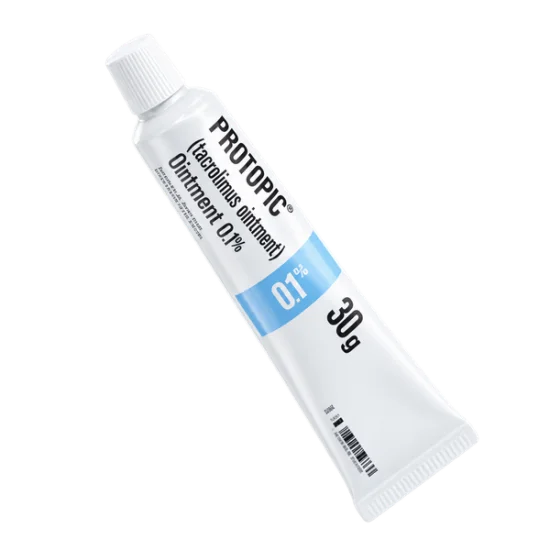
The product described on this page is Protopic 0.1% Ointment in a 30 g tube. It is an ointment, not a cream, lotion, tablet, or injection. The 0.1% strength contains tacrolimus intended for topical application.

Doctors may select different tacrolimus strengths according to age, body site, severity, treatment history, and local prescribing guidance. A lower-strength tacrolimus ointment, such as 0.03%, is used in some clinical settings for selected younger patients or situations where a lower concentration is preferred. That does not change the composition of the 0.1% tube described here.

Formulation Clinical selection Main consideration
Tacrolimus 0.03% ointment Selected patients when a lower strength is appropriate Age, site, and response guide use
Tacrolimus 0.1% ointment Commonly selected for appropriate adult treatment Local burning can occur during early use
Emollient ointment Barrier support alongside anti-inflammatory therapy Does not suppress the immune inflammation itself

The correct strength is a prescribing decision. A patient should not switch between tacrolimus concentrations simply because one feels more comfortable or because the rash changes appearance.

Do not apply Protopic over moisturiser that is still wet or greasy. Allow the emollient to absorb first, unless the prescriber has given a different sequence.

How Buyers Rate Protopic

Based on 5 reviews

James, 54 Verified
Rating: 4.5 out of 5

The first applications burned for about half an hour, which worried me. That settled, and the itching around my cheeks became much easier to manage. I still needed moisturiser every day.

Blenheim Several weeks 15 Oct 2026
Ellie, 37 Verified
Rating: 4 out of 5

The redness improved gradually rather than overnight. I found it uncomfortable after a hot shower, so I started applying it later when my skin had cooled. The tube was easy to use, although the ointment felt greasy under work clothes.

Upper Hutt Several days 22 Oct 2026
Zoe, 38 Verified
Rating: 3.5 out of 5

It helped the itching after several days. I had to be careful around my eyes because a small amount migrated when I rubbed them. The improvement was useful, but I would not describe the first week as comfortable.

Taupō Several days 27 Oct 2026
Jane, 55 Verified
Rating: 5 out of 5

My skin settled without the thinning sensation I had experienced after repeated steroid courses. I still had one flare after a cold week outdoors, so I learned that the treatment did not replace moisturiser or trigger avoidance.

Hastings Several weeks 3 Nov 2026
Craig, 49 Verified
Rating: 3.5 out of 5

The inflammation reduced, but the burning was stronger on cracked skin. I missed one application and did not double the next one. My doctor later adjusted the plan after checking whether infection was present.

Timaru Several weeks 11 Nov 2026

Sources

  1. European Medicines Agency (2019). Protopic: Summary of Product Characteristics and product information for tacrolimus ointment.
  2. NICE (2021). Atopic eczema in under 12s: diagnosis and management (CG57).
  3. Medsafe (2024). Protopic tacrolimus ointment: New Zealand data sheet.
Get our free app Shop faster and track your orders 3.9 · 346 reviews Install