My concentration and cold hands improved after the dose was settled. The first adjustment made me restless at night, so I stopped changing it myself and reported the symptoms.
Porirua Several weeks 27 Oct 2026Cytomel
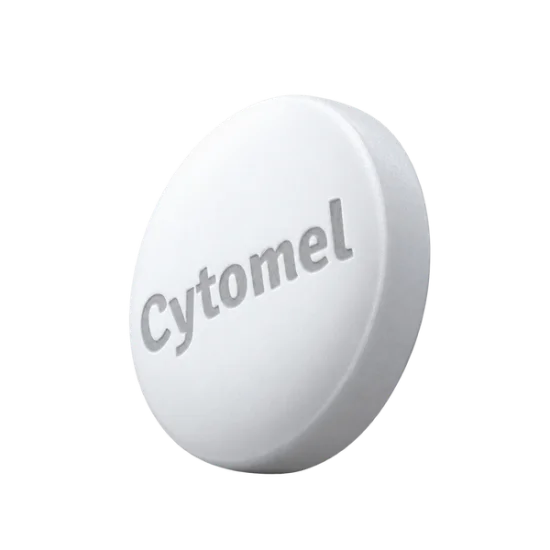
Cytomel tablets contain liothyronine, a synthetic form of triiodothyronine (T3) used to replace or supplement thyroid hormone. It is prescribed mainly for selected cases of hypothyroidism when…
Cytomel tablets contain liothyronine, a synthetic form of triiodothyronine (T3) used to replace or supplement thyroid hormone. It is prescribed mainly for selected cases of hypothyroidism when individual hormone replacement is required.
Product information
Cytomel belongs to the thyroid hormone class. Its active substance is liothyronine, the synthetic form of T3, the biologically active thyroid hormone that influences energy use, heart function, temperature regulation, and many other tissues.
Directions for use
Cytomel is supplied as tablets, with the prescribed strength selected according to thyroid function, age, cardiovascular status, other medicines, and treatment response. The dose is not automatically the same as the amount used by another person.
The key prescribing principles are:
- The intake amount is determined individually.
- Treatment may begin cautiously in people who are older or have heart disease.
- Dose changes are based on symptoms and thyroid blood tests.
- The prescribing clinician may monitor TSH, free T3, and free T4.
- A higher amount is not a reliable way to improve energy or reduce body weight.
- Tablets should be taken by mouth as prescribed.
- A missed dose should not be replaced with an extra dose unless a clinician gives that instruction.
Medsafe regulates medicines in New Zealand, while the European Medicines Agency and other regulators provide thyroid-hormone safety information used in clinical practice. Product strengths and prescribing details must be matched to the specific prescription rather than inferred from another Cytomel tablet.
The prescribed amount per intake is individual. Cytomel should be taken exactly according to the treatment plan, using the same route and timing each day.
Practical administration points include:
- Swallow the tablet with water.
- Keep the daily timing consistent.
- Take it separately from medicines or supplements that can reduce absorption when the prescriber or pharmacist has identified an interaction.
- Do not double the next intake after a missed tablet.
- Do not change the amount because of tiredness, weight change, or a high heart rate.
- Arrange thyroid blood tests at the interval selected by the prescriber.
- Tell the testing service that you use liothyronine, because recent dosing can affect thyroid-hormone results.
Calcium carbonate, iron supplements, some antacids, and certain bile-acid binding medicines can interfere with thyroid-hormone absorption. The timing of these products may need adjustment. Biotin supplements can also distort some thyroid laboratory tests, producing results that do not match the person’s symptoms.
A clinician may increase or reduce the amount gradually. The pace depends on the indication, the baseline TSH and thyroid hormone values, age, pregnancy status, heart health, and response to treatment.
Hormonal Feedback and Discontinuation
Stopping liothyronine suddenly can leave a person without adequate thyroid-hormone replacement if the thyroid gland is not producing enough hormone. Symptoms such as fatigue, slowed thinking, constipation, low mood, and cold intolerance may return.
Tapering is not identical for every patient. Some people require a planned transition to another thyroid-hormone regimen, while others need a different dose or monitoring plan. The correct approach depends on why Cytomel was prescribed and on the person’s thyroid function.
Ingredients
Cytomel belongs to the thyroid hormone class. Its active substance is liothyronine, the synthetic form of T3, the biologically active thyroid hormone that influences energy use, heart function, temperature regulation, and many other tissues.
How it affects the body
After absorption, liothyronine enters cells and binds to thyroid hormone receptors in the cell nucleus. These receptors influence gene activity linked with oxygen consumption, carbohydrate use, lipid metabolism, protein turnover, and heat production.
T3 is already the active thyroid hormone. This means the body does not need to convert it into another thyroid hormone before it can act. The same feature explains its clinical potency and why dose changes require care.
The thyroid system is regulated through feedback between the hypothalamus, pituitary gland, and thyroid gland. Exogenous T3 can reduce the pituitary release of thyroid-stimulating hormone, or TSH, as thyroid hormone levels rise. Laboratory monitoring helps clinicians assess whether replacement is appropriate.
Therapeutic indications
Liothyronine is used when a clinician determines that T3 replacement is appropriate. Treatment may involve thyroid hormone deficiency, selected cases of hypothyroidism, or specialist-managed situations where adjustment of thyroid hormone activity is required.
Common mistakes
Several practical errors can reduce treatment stability:
- Increasing the amount to treat ordinary tiredness
- Taking a missed dose and the next dose together
- Taking calcium or iron at the same time without an interaction plan
- Using biotin before thyroid blood testing without reporting it
- Stopping treatment when symptoms improve
- Changing between thyroid products without a prescribed conversion
- Taking the tablet at inconsistent times
- Treating weight loss as proof that the amount is correct
- Ignoring a fast pulse because there is no chest pain
- Failing to mention pregnancy, heart disease, or anticoagulant treatment
Tablet splitting should be performed only when the prescribed product is designed for that use and the clinician has specified the required fraction. A scored tablet may be easier to divide accurately, but not every tablet should be assumed to provide equal halves.
Crushing or chewing can be unsuitable if the tablet’s design or the treatment instructions require it to be swallowed whole. The safest practical rule is to use the tablet in the form prescribed and obtain a specific instruction before altering it.
Reasons not to use it
The treatment is unsuitable or requires specialist review in the following situations:
- Untreated thyrotoxicosis or uncontrolled hyperthyroidism
- Recent myocardial infarction
- Significant untreated adrenal insufficiency
- Active cardiac arrhythmia
- Unstable angina
- Severe coronary artery disease
- Known hypersensitivity to liothyronine or an excipient
- Pregnancy or breastfeeding without a clinician-directed thyroid plan
People with diabetes may need closer glucose monitoring because thyroid hormone can alter glucose requirements. Those taking warfarin may require monitoring because thyroid status can change sensitivity to anticoagulation. Digoxin response may also change as thyroid function changes.
Other medicines that can affect treatment include amiodarone, corticosteroids, beta-blockers, antacids, iron, calcium, bile-acid sequestrants, and some antidepressants. Amiodarone is clinically significant because it contains iodine and can alter thyroid function in more than one direction.
The United States prescribing information for liothyronine describes cardiac risks from excessive thyroid replacement and the need for cautious use in vulnerable patients [1].
When this is not for you
Cytomel is not suitable for everyone. NOT for you if you have untreated hyperthyroidism, unstable heart disease, or no clinician-directed thyroid indication. It should not be used for routine weight reduction in people with normal thyroid function.
Unwanted effects
Side effects usually reflect excessive thyroid-hormone activity or an amount that is too high for the individual. Common symptoms include palpitations, rapid pulse, tremor, irritability, nervousness, sweating, headache, diarrhoea, muscle weakness, and difficulty sleeping.
Cardiovascular effects deserve special attention. Excess T3 can trigger atrial fibrillation or other arrhythmias, worsen angina, and increase cardiac oxygen demand. The risk is greater in older adults and people with established cardiovascular disease.
Seek urgent medical assessment for:
- Chest pain or pressure
- Fainting
- Severe breathlessness
- A sustained very rapid or irregular heartbeat
- New confusion
- Severe weakness
- Sudden collapse
Long-term overtreatment can accelerate bone loss, with greater concern in post-menopausal women and people who already have osteoporosis. Excessive thyroid hormone can also increase muscle catabolism, so a lower number on the scales does not necessarily indicate a beneficial metabolic response.
One practical issue is that early adverse effects can resemble stress or excess caffeine. A new tremor combined with sweating, loose bowel movements, and a faster resting pulse deserves attention rather than a simple reduction in coffee intake.
Comparison
| Treatment approach | Main hormone activity | Clinical consideration |
|---|---|---|
| Liothyronine treatment | Direct T3 replacement | Acts directly and requires careful individual dosing |
| Levothyroxine treatment | T4 replacement with body conversion to T3 | Often provides a longer, steadier hormone supply |
| Combined T4/T3 treatment | T4 plus T3 activity | Considered only for selected patients under specialist supervision |
Liothyronine has a shorter duration of action than levothyroxine and can produce more noticeable peaks and troughs in hormone activity. That pattern may be useful in selected clinical situations, though it can also produce palpitations, anxiety, or sleep disturbance when the amount is excessive.
Levothyroxine is commonly used for long-term thyroid hormone replacement because T4 provides a circulating reservoir that the body can convert to T3. A combined approach may be considered when symptoms persist despite appropriate treatment and other explanations have been assessed. These options are not interchangeable tablet-for-tablet.
What doctors say
An endocrinologist generally treats Cytomel as a precise hormone-replacement tool rather than an energy booster. The expected benefit is improvement of symptoms caused by inadequate thyroid hormone, supported by laboratory evidence and a clear treatment objective.
Doctors often look for a pattern rather than relying on one symptom. Fatigue alone can arise from anaemia, sleep disorders, depression, medication effects, infection, or nutritional deficiency. Increasing T3 without confirming the cause can mask the real problem while increasing cardiovascular risk.
Clinical practice also places weight on consistency. Taking the tablet at different times, changing the dose frequently, or stopping it around blood tests can make symptom assessment difficult. The American Thyroid Association guideline on thyroid hormone replacement supports laboratory-guided management and careful assessment of treatment response [2].
A clinician may ask about pulse rate, chest discomfort, sleep, bowel changes, tremor, menstrual changes, mood, and body-weight trends. These details help distinguish under-replacement from excessive exposure.
What customers often ask
Can Cytomel be used during pregnancy or breastfeeding?
Pregnancy changes thyroid-hormone requirements, so Cytomel should be continued, changed, or stopped only within an individual treatment plan. Medsafe guidance current to 2024 supports careful medicine review during pregnancy and breastfeeding, with attention to the underlying thyroid disorder. Thyroid blood testing is usually more useful than symptoms alone when treatment needs adjustment. Breastfeeding decisions depend on the maternal dose, thyroid status, and the infant’s clinical circumstances. Follow-up should be coordinated with the clinician managing the thyroid condition.
How long does one Cytomel dose keep working?
Liothyronine acts sooner than T4 replacement, yet one tablet should not be judged by a short-lived sensation of energy. The FDA prescribing information reviewed in 2023 describes liothyronine as a potent thyroid hormone requiring individual dosing and monitoring. Effects on thyroid blood tests may last beyond the time when a person feels stimulation or tiredness. Taking extra tablets to recreate an early sensation can cause excessive thyroid activity.
What happens if Cytomel is stopped, and does it need tapering?
Stopping can allow hypothyroid symptoms to return when the thyroid gland cannot provide enough hormone. The American Thyroid Association guidance published in 2014 supports planned thyroid-hormone management rather than unsupervised interruption. Some patients need tapering, while others need a structured switch to another preparation. The correct plan depends on the diagnosis, laboratory results, pregnancy status, and cardiovascular risk.
Can Cytomel cause tremor?
Tremor is a recognised sign of excessive thyroid-hormone activity and may occur with sweating, anxiety, insomnia, or a rapid pulse. Medsafe safety information updated in 2024 describes these symptoms as clinically relevant signs that require treatment review. A sudden severe tremor with chest pain, fainting, or an irregular heartbeat requires urgent assessment. Reducing the dose without medical direction can create a separate risk of inadequate thyroid replacement.
Can Cytomel tablets be split, crushed, or chewed?
Tablet alteration depends on the specific tablet design and the prescribed fraction. EMA product-information principles in 2022 support using tablets according to their authorised administration instructions rather than assuming that every tablet can be divided accurately. Crushing or chewing may also make the dose less predictable when a tablet is intended to be swallowed whole. Obtain a specific instruction before changing the tablet’s physical form.
What is the best time of day to take Cytomel?
A consistent daily time is usually easier to manage than changing the timing from day to day. The Royal College of Physicians guidance referenced by NHS practice in 2023 supports separating thyroid hormone from absorption-interfering products such as iron and calcium. Some people take liothyronine in the morning, while others follow a divided or specialist-directed schedule. The selected time should remain consistent and should fit the prescribed plan.
Do you offer anonymous delivery?
Your order will be securely packed and shipped within 24 hours. This is exactly what your package will look like (images of an actual item sent). It has the size and look of a regular private letter (24x11x0.7 cm) and its contents cannot be seen.
How Buyers Rate Cytomel
Based on 3 reviews
I noticed more energy after the treatment plan was reviewed, but my pulse also ran faster for a period. The dose was changed after blood tests, and the racing feeling settled.
Masterton Several weeks 2 Nov 2026The tablets fitted into my morning routine, although taking them near my iron supplement caused problems with consistency. Separating the products helped my results become easier to interpret.
Nelson Several weeks 7 Oct 2026Sources
- U.S. Food and Drug Administration (2023). Cytomel (liothyronine sodium) prescribing information.
- American Thyroid Association (2014). Guidelines for the Treatment of Hypothyroidism.