My evening tension felt lower and I slept more steadily. I still woke early on some mornings, so I did not treat it as a complete answer.
New Plymouth Several weeks 6 Oct 2026Ashwagandha
Ashwagandha tablets are taken orally as part of a general wellness routine, with the regimen for the chosen strength confirmed with a healthcare professional before starting. This herbal supplement…
Ashwagandha tablets are taken orally as part of a general wellness routine, with the regimen for the chosen strength confirmed with a healthcare professional before starting. This herbal supplement may support stress management, sleep quality, energy and exercise recovery in selected adults.
Product information
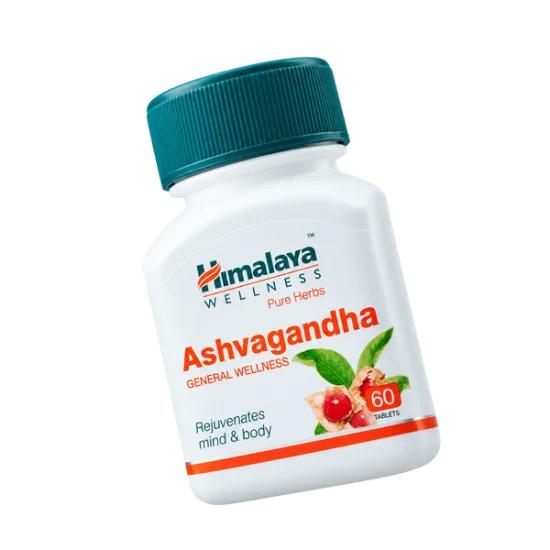
Ashwagandha is a botanical ingredient used in Herbal Supplements and traditional wellness practices. Its botanical name is Withania somnifera. The product is supplied as tablets in a bottle and is labelled for general wellness and support for mind and body.
Ashwagandha belongs to the wider category of Herbal Supplements within Vitamins, Minerals & Supplements, Diet & Nutrition and general Health products.
Directions for use
- Route: Take the tablets orally.
- Dose: The amount in mg per dose is not specified; confirm the regimen for the chosen strength with a healthcare professional before starting.
- Frequency: The number of doses per day is not specified; follow the regimen confirmed for the chosen strength.
- Timing: Before or after meals and time of day are not specified; confirm suitable timing with a healthcare professional.
- Duration: The treatment duration is not specified; confirm how long to use the supplement before starting.
- Safety: If drowsiness appears, avoid driving, cycling in traffic or operating machinery until you know how you react.
Ingredients
Ashwagandha is the botanical ingredient in this herbal supplement. Its botanical name is Withania somnifera. The tablets are supplied in a bottle and labelled for general wellness and support for mind and body.
How it affects the body
Stress activates a communication system between the brain, adrenal glands and body tissues. Cortisol is one hormone involved in this response. It helps regulate alertness, metabolism, blood pressure and the body’s reaction to challenge.
Ashwagandha may influence stress-related symptoms through several biological pathways, yet no single mechanism has been established as the explanation for every reported benefit.
Some clinical trials have reported lower perceived stress or lower cortisol measures in adults taking selected Ashwagandha extracts.
Therapeutic indications
Potential applications include:
- Support for perceived stress and everyday tension.
- Support for sleep quality when stress contributes to difficulty settling.
- General wellness and feelings of energy.
- Exercise recovery alongside adequate food, fluids, rest and training planning.
Ashwagandha may suit an adult seeking an adjunct to healthy sleep, nutrition and stress-management habits.
A 2024 safety and evidence summary from the National Center for Complementary and Integrative Health described potential benefits alongside important safety limits [1].
Common mistakes
Frequent mistakes include starting several stress products together, changing the serving every few days, taking extra tablets after a poor night’s sleep and ignoring new digestive or skin symptoms. Another mistake is attributing ongoing fatigue to stress without checking for anaemia, thyroid disease or sleep apnoea.
A practical record of the starting date, agreed regimen, sleep pattern and unwanted effects can help identify whether the product is useful. Do not use that record to self-adjust medicines prescribed for thyroid disease, blood pressure or diabetes.
Reasons not to use it
Ashwagandha is not suitable for you without specific clinical advice if you:
- Are pregnant or breastfeeding.
- Have liver disease or previous medicine-related liver injury.
- Have a thyroid disorder or take thyroid hormone.
- Have an autoimmune condition.
- Take medicines for blood pressure or blood glucose.
- Use sedatives, sleep medicines or other substances that cause drowsiness.
- Have planned surgery.
- Have unexplained fatigue, weight change, palpitations or persistent insomnia.
Medicines that affect sedation, blood pressure, blood glucose, thyroid function or immune activity may interact with Ashwagandha.
The European Medicines Agency’s herbal-medicine framework supports evaluating the individual preparation and the person’s existing treatment rather than assuming that all botanical products behave identically [2].
When this is not for you
Ashwagandha is not automatically harmless because it is botanical.
Ashwagandha should not delay care for suicidal thoughts, severe anxiety, persistent insomnia, mania, confusion or sudden changes in behaviour. A supplement cannot identify whether symptoms arise from depression, thyroid disease, anaemia, medication effects or another condition.
People taking medicines for blood pressure, blood glucose or thyroid function should obtain individual advice before starting.
Unwanted effects
Possible unwanted effects include nausea, loose stools, abdominal discomfort and drowsiness. An allergic reaction may cause hives, swelling of the lips or face, wheezing or difficulty breathing.
Stop using the product and seek urgent medical help for yellowing of the skin or eyes, dark urine, severe abdominal pain, marked itching, facial swelling or breathing difficulty. These symptoms can indicate liver injury or a serious allergy and should not be managed by simply reducing the serving.
Some people may feel drowsy. Others may experience stomach discomfort or no clear sleep change.
Comparison
Ashwagandha, other Herbal Supplements, behavioural strategies and clinician-led care occupy different roles. The choice depends on symptom severity, duration, medical history and personal preference.
| Approach | Role and limitation |
|---|---|
| Ashwagandha | Possible adjunct for stress-related wellness and sleep; extract evidence varies and interactions require review. |
| Sleep and stress-management strategies | Address routines, behaviour and triggers; benefits may require regular practice and time. |
| Clinician-led treatment | Assesses persistent or severe symptoms and can provide diagnosis, monitoring and targeted treatment. |
Sleep hygiene may include a stable wake time, reduced late caffeine, a dark bedroom and limiting stimulating activity before bed. Stress-management approaches may include structured therapy, breathing practice, exercise and problem-solving. These approaches can take time, yet they address habits and triggers that a supplement cannot correct.
The World Health Organization’s medicinal-plant material describes traditional use while supporting careful interpretation of modern clinical evidence [3].
A 2021 systematic review in the Journal of Ethnopharmacology also illustrates why extract type, study duration and outcome measurement matter when interpreting results [4].
What doctors say
In clinical practice, a sensible discussion focuses on the reason for use, the person’s medical history and the possibility of interactions. A doctor may accept Ashwagandha as an adjunct for selected adults with everyday stress, while setting realistic expectations about the variable evidence. Clinicians also look for symptoms that need a different explanation. Persistent insomnia may require assessment for sleep apnoea or mood disorder. Fatigue may require blood tests. Palpitations may need cardiovascular or thyroid evaluation.
The strongest practical advantage is the possibility of modest support for stress-related wellbeing without relying on a product as the sole intervention. The limitations are equally clear: extract studies cannot be transferred automatically to every tablet, and benefits may be less noticeable than expected.

What customers often ask
Does Ashwagandha cause drowsiness?
Drowsiness is possible, although it does not occur in everyone. The National Center for Complementary and Integrative Health described sedation and digestive effects among safety considerations in its 2024 public information material. Avoid combining it with alcohol, sleep medicines or several calming supplements until a healthcare professional has reviewed the combination. Do not drive or use machinery if you feel impaired.
How does Ashwagandha differ from a magnesium supplement?
Ashwagandha is a botanical extract, while magnesium is a mineral nutrient with different biological roles. Their mechanisms, formulations and evidence are not interchangeable. Medsafe’s consumer-safety approach in 2024 supports checking the specific product and considering medicines, health conditions and total supplement exposure. One should not be substituted for the other to manage diagnosed illness without clinical advice.
How soon might Ashwagandha’s effects become noticeable?
Some people report changes in stress or sleep after repeated use, while others notice no clear effect. A 2021 review indexed by PubMed found that clinical studies commonly used several weeks of observation rather than a single-dose response, with results varying between preparations. A lack of improvement should not lead to taking extra tablets. Persistent symptoms need assessment rather than indefinite self-treatment.
Can older adults use Ashwagandha?
Older adults may use Ashwagandha only after considering medicines, liver function, thyroid health, blood pressure and fall risk. The World Health Organization’s 2009 medicinal-plant monograph supports attention to traditional use but does not remove the need for individual safety review . Drowsiness or dizziness can have greater consequences in later life. A healthcare professional should confirm the regimen before starting.
Does liver disease rule out Ashwagandha?
A history of liver disease is a reason to avoid self-starting Ashwagandha. A 2020 LiverTox review of reported liver injury recommends caution, especially when jaundice, dark urine, severe abdominal pain or unusual itching develops [5]. Stop the product and seek urgent medical assessment if these symptoms appear. Do not restart it unless a clinician determines that doing so is appropriate.
Which symptoms mean stopping Ashwagandha and seeking urgent help?
Stop and seek urgent help for yellow skin or eyes, dark urine, severe abdominal pain, facial swelling, widespread hives, wheezing, difficulty breathing, fainting or severe palpitations. These symptoms may indicate liver injury, a serious allergic reaction or another acute problem. Medsafe’s 2024 safety communication principles support prompt assessment of serious suspected adverse reactions rather than continued experimentation. Mild stomach upset still deserves review if it persists or worsens.
Can Ashwagandha be combined with thyroid medicines?
A combination with thyroid medicine requires individual review because Ashwagandha may affect thyroid-related physiology. The European Medicines Agency’s 2018 herbal-medicine guidance supports checking potential pharmacological effects and interactions before combining treatments. Do not change the thyroid-medicine dose based on symptoms alone. Arrange monitoring through the clinician managing the thyroid condition.
Do you offer anonymous delivery?
Your order will be securely packed and shipped within 24 hours. This is exactly what your package will look like (images of an actual item sent). It has the size and look of a regular private letter (24x11x0.7 cm) and its contents cannot be seen.
Ashwagandha Forms and Supplement Selection
Ashwagandha may be sold as a Capsule, Tablet, Powder or Gummy. The product on this page is supplied as tablets in a bottle. Pack quantity is a packaging detail, not proof of a stronger clinical effect.
Capsules, Tablets, Powders and Gummies
Tablets can be convenient for people who prefer a measured solid form. Powders may allow flexible serving sizes but can be harder to measure consistently. Gummies may be easier to take but can contain sweeteners, flavourings or allergens. Capsules may be easier to swallow for some people, while others find tablets more practical.
No form is universally superior. The clinically relevant details are the botanical material, extract description, serving instructions and any warnings for the person using it.
Extract Standardisation and Label Checks
Different products bearing the Ashwagandha name can contain different extracts and withanolide levels. A transparent product description should identify the plant material and provide clear serving information. Do not compare products by tablet count alone.
For people with food allergies, swallowing difficulty, diabetes or dietary restrictions, excipients can matter as much as the botanical ingredient.
How Buyers Rate Ashwagandha
Based on 3 reviews
I noticed less restless thinking after the first few weeks. The tablets caused mild stomach discomfort at first, which settled when I took them with food.
Rotorua About a month 19 Oct 2026I hoped it would help with stress, but I became unusually sleepy during the day. I stopped and discussed it with my clinician rather than adding another supplement.
Te Awamutu A short trial 3 Nov 2026Sources
- National Center for Complementary and Integrative Health (2024). Ashwagandha: Usefulness and Safety.
- European Medicines Agency (2018). Herbal medicinal products: regulatory and scientific guidance.
- World Health Organization (2009). WHO monographs on selected medicinal plants, Volume 4: Withania somnifera.
- PubMed (2021). Withania somnifera: indexed clinical studies and systematic reviews.
- LiverTox, National Institute of Diabetes and Digestive and Kidney Diseases (2020). Ashwagandha.