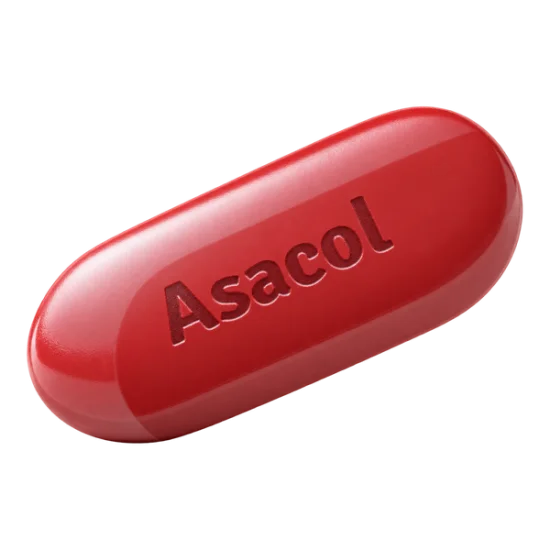
I used the prescribed tablet schedule for ulcerative colitis and noticed less urgency after the first few weeks. The improvement was clear enough that mornings became much easier, and I was satisfied with how manageable the routine became.
Hastings Several weeks 25 Oct 2026Asacol
Asacol tablets are swallowed whole, with the timing and regimen confirmed by a healthcare professional before treatment begins. They contain mesalazine, also called mesalamine, for mild to moderate…
Asacol tablets are swallowed whole, with the timing and regimen confirmed by a healthcare professional before treatment begins. They contain mesalazine, also called mesalamine, for mild to moderate ulcerative colitis. The enteric coating helps release the anti-inflammatory medicine in the lower bowel.
Product information
They contain mesalazine, also called mesalamine, for mild to moderate ulcerative colitis. Asacol contains mesalazine, the international name also written as mesalamine. It belongs to the 5-aminosalicylic acid group.
Directions for use
The exact Asacol regimen is confirmed with a healthcare professional before treatment starts. The prescribed strength, number of tablets, frequency, and duration depend on whether the goal is to control active ulcerative colitis or maintain remission.
- Take the tablets by mouth with water.
- Swallow each tablet whole.
- Follow the prescribed schedule consistently.
- Take doses at the times selected for your regimen.
- If a dose is missed, take it when remembered unless the next scheduled dose is close.
- Do not take two doses together to compensate for a missed tablet.
- Continue the prescribed course unless the prescriber changes it or a serious reaction requires urgent medical assessment.
Asacol tablets may be taken with food when directed, but the same routine each day makes missed doses less likely. Some patients find that linking the tablet to breakfast or another regular meal is easier than relying on memory alone. The tablet should not be crushed into yoghurt, dissolved in water, or chewed.
Drink enough fluid unless a clinician has placed you on fluid restriction. Persistent diarrhoea can cause dehydration and may also signal an active flare, an infection, or a complication that needs assessment.
Ingredients
Asacol contains mesalazine, the international name also written as mesalamine. It belongs to the 5-aminosalicylic acid group.
Mesalazine is metabolised to N-acetyl-5-aminosalicylic acid, an inactive metabolite, after absorption and processing in the body. The exact release pattern depends on the tablet formulation, so the prescribed regimen should match the strength supplied. Formulation-specific instructions therefore remain important.
Active Ingredient Profile
Ulcerative colitis is a chronic inflammatory bowel disease affecting the large intestine. Symptoms may come and go.
How it affects the body
Its main action occurs on the lining of the colon, where it reduces inflammatory activity rather than suppressing the whole immune system.
The tablet coating is designed to delay release until the medicine reaches the more alkaline environment of the terminal ileum and colon. This local delivery helps place mesalazine close to the inflamed mucosa.
Mesalazine reduces the production and activity of inflammatory mediators in the intestinal lining. These include pathways involving prostaglandins, leukotrienes, and reactive oxygen species. The result is less irritation of the colonic mucosa, which can reduce rectal bleeding, urgency, loose stools, and abdominal discomfort when inflammation is the cause.
Medsafe and the FDA describe mesalamine as a locally acting anti-inflammatory treatment for ulcerative colitis [1].
Therapeutic indications
Asacol is used for mild to moderate ulcerative colitis. Mesalazine, also called mesalamine, helps control active disease and supports maintenance of remission by providing anti-inflammatory treatment in the lower bowel. The regimen is confirmed with a healthcare professional before treatment begins.
Common mistakes
Several practical errors can make mesalazine appear less helpful than it is:
- Chewing or crushing the tablets and changing the delayed-release mechanism.
- Taking doses only on days when bowel symptoms are noticeable.
- Doubling a dose after forgetting a tablet.
- Stopping as soon as bleeding or urgency improves.
- Treating persistent diarrhoea as a routine side effect without considering infection or a flare.
- Using ibuprofen or another anti-inflammatory painkiller regularly without mentioning it.
- Ignoring reduced urine output, flank pain, or new swelling.
- Assuming that all mesalazine products have the same release site and dosing schedule.
One detail often surprises patients: different mesalazine formulations can release their active ingredient in different parts of the bowel. Switching between products may therefore require a new regimen rather than a simple tablet-for-tablet substitution.
Another common problem is judging success too early. The bowel lining may continue healing after urgency improves, while some people experience partial symptom relief before the full response becomes clear.
Reasons not to use it
Asacol is not suitable for everyone. This medicine is not for you if you have had a serious allergic reaction to mesalazine, another 5-aminosalicylic acid medicine, or salicylates such as aspirin. A history of severe intolerance to related salicylate medicines requires careful review before treatment.
Extra caution is needed with:
- Kidney disease or a previous episode of drug-related kidney inflammation.
- Liver disease.
- Stomach or duodenal ulceration.
- Asthma or a history of severe allergic reactions.
- Blood disorders or unexplained bruising.
- A previous reaction to sulfasalazine.
- Pregnancy, planned pregnancy, or breastfeeding.
- Treatment with medicines that can affect the kidneys.
Mesalazine may interact with nephrotoxic medicines, including non-steroidal anti-inflammatory drugs, some blood-pressure medicines, and diuretics. Combination treatment can increase the need for kidney monitoring. Azathioprine, mercaptopurine, and thioguanine may increase the risk of blood-count abnormalities when used with mesalazine, so clinicians may arrange blood tests.
When this is not for you
Asacol is not suitable for everyone. Do not assume that a previous reaction to aspirin was unrelated if it involved wheezing, swelling, hives, or severe gastrointestinal symptoms.
Unwanted effects
Mesalazine is often tolerated without major problems, yet side effects can occur. The most frequently reported symptoms include headache, nausea, abdominal discomfort, indigestion, diarrhoea, and changes in bowel symptoms. Some symptoms overlap with ulcerative colitis itself, which can make the cause difficult to judge from one day alone.
Mild symptoms may settle as treatment continues, but worsening abdominal pain, increasing diarrhoea, or new systemic symptoms should not be dismissed as an ordinary flare. Mesalazine can rarely cause an acute intolerance reaction that resembles worsening inflammatory bowel disease.
Less common but clinically serious reactions include:
- Severe skin rash, blistering, peeling, or sores affecting the mouth or eyes.
- Facial swelling, wheezing, difficulty breathing, or widespread hives.
- Fever with a marked sore throat or unusual weakness.
- Severe chest pain, palpitations, or shortness of breath.
- Severe abdominal pain with vomiting.
- Reduced urine output, swollen ankles, or blood in the urine.
- Unusual bruising or bleeding.
Kidney inflammation is uncommon but important. Liver inflammation, pancreatitis, myocarditis, and pericarditis are also recognised rare reactions to mesalazine products. The risk profile means kidney function and other clinical factors may be reviewed during longer treatment, especially in people with existing renal disease.
The FDA prescribing information and Medsafe safety material describe these warnings and the need to stop treatment urgently when a severe hypersensitivity or serious organ reaction is suspected [2].

Comparison
Asacol occupies a local anti-inflammatory position in ulcerative colitis treatment. It acts mainly at the intestinal mucosa and has less whole-body immunosuppressive activity than corticosteroids or thiopurines. This makes mesalazine useful when inflammation is mild to moderate and limited to areas reached by the formulation.
Sulfasalazine is an older 5-aminosalicylic acid treatment. Gut bacteria split sulfasalazine into mesalamine and sulfapyridine. The sulfapyridine component is responsible for many of the intolerance problems associated with sulfasalazine, including nausea, headache, rash, and changes in blood counts. Mesalazine products deliver the active anti-inflammatory component without that linked sulfapyridine molecule.
| Treatment approach | Main role in ulcerative colitis |
|---|---|
| Mesalazine, including Asacol | Local anti-inflammatory treatment for active disease or remission maintenance |
| Sulfasalazine | 5-aminosalicylic acid treatment with sulfapyridine attached |
| Corticosteroids, including budesonide formulations such as Entocort | Shorter-term control of inflammatory activity, with formulation-specific delivery |
Budesonide is a corticosteroid with substantial first-pass metabolism, while azathioprine modifies immune activity over a longer period. Those treatments can be considered when disease severity, location, or response requires a different strategy. They are not interchangeable with Asacol.
A Cochrane review of oral 5-aminosalicylic acid therapy found that mesalazine has a role in inducing remission and maintaining control in ulcerative colitis, with treatment selection guided by disease extent and severity [3].
What doctors say
In clinical practice, gastroenterology teams usually set two different goals with mesalazine: bringing a flare under control and preventing relapse after symptoms improve. The tablet schedule can differ between those goals, so a regimen that helped during a flare may not be the long-term maintenance schedule.
Doctors also look beyond stool frequency. Rectal bleeding, urgency, night-time symptoms, weight loss, anaemia, inflammatory markers, and bowel-test results help determine whether treatment is controlling the disease. Feeling better is encouraging, but symptom improvement does not always mean that the bowel lining has fully healed.
The main limitation is that Asacol is not a rapid rescue treatment for severe ulcerative colitis. A person with heavy bleeding, fever, severe abdominal pain, dehydration, or marked weakness may need urgent assessment and a different level of treatment.
What customers often ask
What is the best time of day to take Asacol?
Medsafe information available in 2024 supports taking Asacol according to the prescribed schedule rather than choosing a universal clock time. Some regimens use divided doses, while others use a different schedule selected for the individual treatment goal. Keeping doses at consistent times can reduce missed tablets and helps the prescriber assess the response accurately. Taking the tablet with water and swallowing it whole preserves the intended release mechanism.
Can Asacol be combined with anti-inflammatory painkillers or supplements?
FDA prescribing information reviewed in 2021 advises attention to medicines that can affect kidney function when mesalamine is used. Regular non-steroidal anti-inflammatory drugs, including ibuprofen or naproxen, may increase kidney-related concern, especially in people with existing renal impairment. Azathioprine and related thiopurines can increase the need for blood-count monitoring when combined with mesalazine. Mineral supplements, herbal products, and pain medicines should be reported before the regimen is finalised because the full combination determines monitoring needs.
Can people under 18 use Asacol?
Medsafe paediatric information from 2024 indicates that use in children and adolescents depends on the individual product information, age, disease severity, and specialist assessment. A child or teenager should not receive an adult ulcerative-colitis regimen simply because the symptoms resemble an adult flare. Paediatric gastroenterology teams may consider body size, bowel involvement, kidney function, and the ability to swallow tablets. Severe bleeding, dehydration, fever, or persistent abdominal pain in a young person requires prompt medical assessment.
Which symptoms mean that Asacol should be stopped and assessed urgently?
The EMA safety information reviewed in 2023 identifies severe rash, facial swelling, breathing difficulty, chest pain, and suspected organ inflammation as reasons for urgent assessment. New severe abdominal pain, repeated vomiting, very heavy rectal bleeding, fainting, or marked dehydration also require urgent medical care because they may represent severe disease rather than a simple medicine side effect. Reduced urine, blood in the urine, flank pain, or sudden swelling can indicate kidney involvement. Do not take another dose while waiting for urgent advice if a severe allergic reaction or serious organ reaction is suspected.
Does Asacol cause headaches?
WHO pharmacovigilance guidance published in 2002 describes adverse-event monitoring, while mesalazine product information lists headache as a reported adverse effect. A mild headache may pass, but a severe or persistent headache deserves assessment, especially when it appears with fever, rash, neck stiffness, visual symptoms, or worsening gastrointestinal illness. Headache can also result from dehydration during diarrhoea, so fluid loss and bowel activity matter when the symptom is assessed. Do not automatically attribute every headache to Asacol if other causes are present.
How soon can the effect of Asacol become noticeable?
The FDA clinical information published in 2021 describes mesalamine as a treatment whose response is assessed over the course of therapy rather than after a single tablet. Urgency or stool frequency may begin to improve before the bowel lining has healed, while some patients need longer before a clear benefit appears. The expected timeframe depends on disease extent, flare severity, adherence, and the prescribed regimen. Worsening symptoms, heavy bleeding, fever, or dehydration should prompt earlier assessment rather than waiting for the expected treatment window.
What happens when Asacol is stopped, and does it need to be tapered?
Medsafe product information current in 2024 describes mesalazine as a treatment that is generally stopped according to the prescriber’s plan rather than tapered like a corticosteroid. Stopping suddenly may allow ulcerative colitis symptoms to return because the underlying inflammation can become active again. A person who wants to stop because of headaches, rash, abdominal pain, or another suspected reaction should seek prompt clinical advice instead of restarting or changing the dose independently. Corticosteroids used alongside Asacol are different and may require tapering under medical supervision.
Do you offer anonymous delivery?
Your order will be securely packed and shipped within 24 hours. This is exactly what your package will look like (images of an actual item sent). It has the size and look of a regular private letter (24x11x0.7 cm) and its contents cannot be seen.
How Buyers Rate Asacol
Based on 3 reviews
Asacol did not settle my symptoms as much as I had hoped. I still had loose stools and developed headaches, so I stopped the tablets after speaking with my doctor. The main issue was that the treatment did not give me enough benefit for the inconvenience.
Blenheim Several weeks 5 Nov 2026The prescribed schedule gradually reduced the bleeding and helped me return to normal meals. I had to be patient because the change was not immediate, but after several weeks I felt that the treatment was doing what it was meant to do.
Timaru Several weeks 20 Nov 2026Sources
- U.S. Food and Drug Administration (2021). Asacol (mesalamine) delayed-release tablets prescribing information.
- Medsafe, New Zealand Medicines and Medical Devices Safety Authority (2024). Asacol data sheet.
- Cochrane (2019). Oral 5-aminosalicylic acid for induction of remission in ulcerative colitis.