Skip to content
In stock Antabuse
Alcohol Dependence

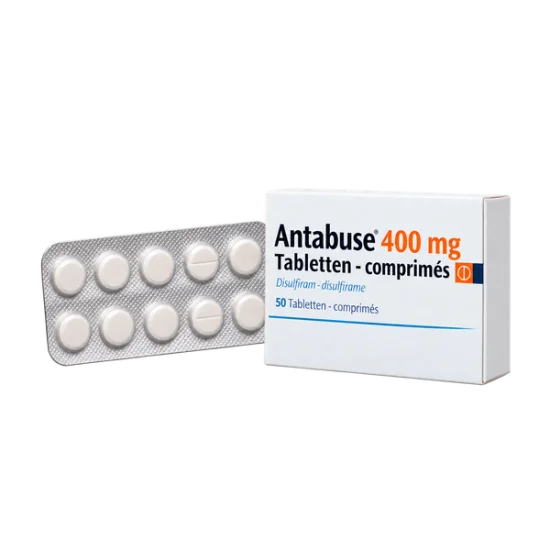
Antabuse

Adults with alcohol dependence who have chosen abstinence may be prescribed Antabuse, a disulfiram tablet treatment used alongside counselling and relapse-prevention support. It creates a strong…

Guaranteed quality Original product
Delivery: from 4 days Discreet shipping
24/7 Support Always available
Active ingredient: Disulfiram
Select dosage:
Select pack Package Per unit Price
$ 0.98 $ 87.89
$ 0.90 $ 117.19 $ 108.46 Save 7%
$ 0.86 $ 175.78 $ 155.21 Save 12%
$ 0.82 $ 263.67 $ 222.53 Save 16%
Best value $ 0.79 $ 351.56 $ 286.11 Save 19%
$ 1.81 $ 108.46
$ 1.60 $ 162.69 $ 143.99 Save 11%
$ 1.48 $ 216.92 $ 177.65 Save 18%
$ 1.35 $ 325.38 $ 243.10 Save 25%
$ 1.28 $ 488.07 $ 345.95 Save 29%
Best value Free Regular Delivery $ 1.26 $ 650.76 $ 452.54 Save 30%

Free delivery on orders from $ 374.00, free express delivery from $ 561.00

Secure payment methods:
VISA AMEX JCB DISCOVER

Adults with alcohol dependence who have chosen abstinence may be prescribed Antabuse, a disulfiram tablet treatment used alongside counselling and relapse-prevention support. It creates a strong physical deterrent to drinking by interrupting alcohol breakdown, so even a small alcohol exposure can cause an unpleasant reaction.

Product information

Disulfiram belongs to the aldehyde dehydrogenase inhibitor class. This enzyme normally helps the body process acetaldehyde, a toxic intermediate formed after alcohol consumption. Antabuse does not remove alcohol cravings on its own, and it does not treat alcohol withdrawal symptoms. Its role is to add a clear physical barrier to drinking within a planned recovery programme. [1]

Directions for use

Antabuse tablets are taken by mouth at the individually prescribed dose. The amount per intake is set for each person rather than being one fixed dose, taking account of treatment goals, medical history, liver function, age, and previous response to disulfiram.

For steady treatment, clinicians commonly set a consistent daily routine. Taking the tablet at the same time each day helps prevent missed doses and makes it easier to link treatment with a recovery habit, such as breakfast or an evening routine.

  • Take Antabuse only after the alcohol-free period set by the prescriber.
  • Swallow the tablet with water unless a prescriber gives different instructions.
  • Take a missed dose when remembered on the same day, unless it is close to the next planned dose.
  • Do not take an extra tablet to compensate for a missed dose.
  • Keep alcohol completely out of the routine, including alcohol-containing medicines and personal-care liquids that may be swallowed.
  • Seek urgent medical help after alcohol exposure if chest pain, fainting, severe breathlessness, confusion, or persistent vomiting develops.

One detail people often miss is the delayed effect. A reaction with alcohol may still occur for up to 14 days after the final dose because enzyme activity takes time to recover. [3]

Put alcohol-containing mouthwash aside before treatment begins. Using a non-alcohol alternative reduces the chance of an avoidable exposure during a rushed morning routine.

Antabuse may be taken with or without food unless the prescriber gives a different instruction. Taking it with food can help some people who experience mild stomach discomfort, while others prefer a consistent morning routine to reduce missed doses. Food does not prevent an alcohol-disulfiram reaction if the food or drink contains alcohol.

Store Antabuse in a dry place at room temperature, protected from excess heat and moisture. Keep tablets in their blister packaging until use and out of children’s reach. During travel, avoid storing tablets in a glove compartment, near a heater, or in a humid toiletry bag. Medsafe (2024) advises storing medicines in conditions that protect them from heat, light, and moisture where relevant.

A weekly reminder on a phone calendar can be useful, yet avoid placing tablets beside alcohol-based hand gel, mouthwash, or cold remedies. Keeping them with a daily non-alcohol routine reduces mix-ups.

Ingredients

Antabuse contains disulfiram. The amount taken at each intake is set individually for each person rather than being one fixed dose. It is an alcohol-sensitising medicine used to support abstinence in adults with alcohol dependence who understand and accept the consequences of drinking while treated.

The supplied presentation contains 50 tablets in blister packaging.

Antabuse should only be started after the alcohol-free period set by the prescriber. Starting it too soon after drinking can trigger the same reaction the treatment is designed to prevent.

How it affects the body

After alcohol is consumed, the liver converts ethanol into acetaldehyde and then converts acetaldehyde into acetate. Disulfiram blocks the second step by inhibiting aldehyde dehydrogenase. Acetaldehyde then accumulates rapidly.

The deterrent effect relies on informed, voluntary adherence. Antabuse works best when it is part of a wider plan that addresses triggers, routines, mental health, family support, and relapse risk.

Therapeutic indications

Antabuse is used in adults with alcohol dependence who have chosen abstinence. It is taken alongside counselling and relapse-prevention support to create a physical deterrent to drinking by interrupting alcohol breakdown.

Common mistakes

Several avoidable mistakes can make Antabuse treatment harder or more dangerous.

  • Starting treatment before the agreed alcohol-free interval has passed.
  • Assuming that only beer, wine, and spirits contain relevant alcohol.
  • Forgetting about cough mixtures, herbal tinctures, mouthwash, food extracts, and liquid medicines.
  • Doubling a dose after forgetting a tablet.
  • Stopping follow-up after the first few alcohol-free weeks.
  • Hiding a lapse because of embarrassment, rather than discussing it promptly.
  • Continuing treatment despite jaundice, dark urine, persistent nausea, or unusual fatigue.

One subtle problem is testing a new product by taking a small amount. With disulfiram, even a small exposure can be enough to cause a reaction, so experimentation is not a safe way to assess ingredients.

Reasons not to use it

  • known allergy to disulfiram or related compounds;
  • severe heart disease, coronary artery disease, or significant cardiovascular instability;
  • psychosis or a history of severe psychotic illness;
  • severe liver disease or active hepatitis;
  • major cognitive impairment that prevents informed agreement with treatment;
  • use of metronidazole or products containing alcohol;
  • use of paraldehyde.

Disulfiram can interact with several medicines. Important examples include warfarin, phenytoin, isoniazid, some benzodiazepines, tricyclic antidepressants, and medicines metabolised through liver enzyme pathways. These combinations may require a dose change, closer monitoring, or an alternative treatment.

Pregnancy, breastfeeding, diabetes, epilepsy, thyroid disease, kidney impairment, and a history of head injury all require an individual clinical discussion before starting.

When this is not for you

Antabuse is not for you if you are currently drinking alcohol, have recently consumed alcohol before the required alcohol-free interval, or cannot reliably avoid alcohol-containing products.

Antabuse can also worsen the consequences of alcohol in people with heart disease or reduced liver reserve.

Unwanted effects

That accumulation can cause facial flushing, pulsating headache, sweating, nausea, vomiting, thirst, chest discomfort, palpitations, breathlessness, blurred vision, weakness, low blood pressure, and anxiety. The response can be severe and its intensity varies with the amount of alcohol consumed, the time since the last Antabuse dose, and individual sensitivity. [2]

Antabuse can be well tolerated when alcohol is avoided. Early effects may include drowsiness, tiredness, headache, metallic or garlic-like taste, acne-like rash, reduced libido, stomach upset, or mild nausea. These effects should be discussed if they persist or interfere with daily life.

More serious reactions are uncommon but require prompt assessment. Disulfiram can affect the liver and may cause hepatitis, sometimes after several months of treatment. Warning signs include yellow skin or eyes, dark urine, pale stools, ongoing abdominal pain, marked tiredness, loss of appetite, or unexplained itching.

Nerve-related effects such as tingling, numbness, unsteady walking, weakness, mood changes, confusion, or vision changes also need medical review. A person who develops an extensive rash, fever, mouth sores, or facial swelling needs urgent assessment.

The major safety issue remains alcohol exposure. A disulfiram-alcohol reaction can escalate beyond nausea and flushing into low blood pressure, collapse, heart rhythm disturbance, seizure, or cardiovascular complications in vulnerable people. The World Health Organization identifies alcohol dependence as a chronic health condition requiring structured support and ongoing risk management. [5]

Keep a written list of medicines, supplements, and oral-care products used at home. It is easy to forget a liquid remedy bought months earlier, especially during a cold or flu episode.

Comparison

Alcohol dependence can be treated with several medication approaches. Choice depends on drinking goals, liver health, opioid use, medical history, and the person’s ability to maintain abstinence before treatment begins.

Treatment approach Main action Clinical fit
Disulfiram in Antabuse Creates an aversive reaction if alcohol is consumed Adults committed to abstinence who can avoid alcohol-containing products
Naltrexone Reduces alcohol reward through opioid-receptor blockade People aiming to reduce heavy drinking or prevent relapse, when opioids are not being used
Acamprosate Modulates glutamate and GABA signalling after abstinence People maintaining abstinence, including some with liver concerns

Antabuse has a distinct advantage for a person who wants a visible, daily commitment to not drinking. It can be less suitable where treatment is inconsistent, where alcohol exposure is hard to avoid, or where a person feels pressured rather than ready to abstain.

Naltrexone may reduce the rewarding effect of alcohol, while acamprosate is used to support continued abstinence after detoxification. Neither approach creates the immediate alcohol-disulfiram reaction associated with Antabuse. NICE places medication within structured psychosocial treatment rather than presenting tablets as a stand-alone answer. [4]

What doctors say

In clinical practice, doctors usually describe Antabuse as a commitment-based treatment rather than a craving medicine. It can be valuable for people who have already stopped drinking and want an external safeguard during high-risk periods such as weekends, social events, paydays, or early recovery.

A prescriber will usually ask about previous withdrawal seizures, liver problems, heart disease, depression, anxiety, psychosis, and all prescribed or non-prescribed medicines. Blood tests may be used to assess liver function before treatment and during follow-up where clinically indicated.

The expected benefit is not a feeling of calm or euphoria. The benefit is behavioural: Antabuse makes the decision to drink carry an immediate and memorable physical consequence. Its drawback is equally clear: accidental alcohol exposure can produce the same reaction.

What customers often ask

Stopping Antabuse and tapering

Antabuse does not usually require tapering in the way some antidepressants, sedatives, or opioid medicines do. A prescriber may stop it directly when treatment goals, adverse effects, or medical circumstances require a change. Alcohol sensitivity can remain for up to 14 days after the last tablet, so alcohol still needs to be avoided during that period. The FDA prescribing information (2012) describes this prolonged reaction risk after discontinuation.

Duration of the deterrent effect

One dose can continue to influence alcohol metabolism beyond the day it is taken because disulfiram’s enzyme inhibition persists. The exact duration differs between people, and the alcohol reaction may occur for up to two weeks after treatment stops. This is why missing a tablet does not mean alcohol becomes safe immediately. NICE guidance (2011) on alcohol dependence supports planned medication use with continued behavioural support.

Alcohol exposure during Antabuse treatment

Alcohol should be completely avoided while taking Antabuse and for 14 days after the final dose. Beer, wine, spirits, alcohol-containing medicines, mouthwash, and some food preparations can all matter. The reaction may include severe flushing, vomiting, rapid heartbeat, low blood pressure, breathlessness, collapse, or chest pain. The WHO (2018) recognises alcohol dependence as a condition where relapse-prevention plans need to account for environmental triggers and exposure risks.

Pregnancy and breastfeeding

Antabuse requires an individual risk-benefit assessment during pregnancy. Alcohol exposure during pregnancy carries serious risks, yet disulfiram treatment also needs specialist consideration because safety data in pregnancy and breastfeeding are limited. Breastfeeding decisions should take account of the medicine, the parent’s recovery needs, and the infant’s health. Medsafe medicine-safety resources (2024) support individual clinical review for medicines used during pregnancy and lactation.

Pre-treatment medical discussion

Before starting Antabuse, discuss recent alcohol use, liver disease, heart disease, diabetes, epilepsy, thyroid problems, kidney impairment, depression, anxiety, psychosis, and any history of head injury. Provide a full list of medicines, including anticoagulants, seizure medicines, antibiotics, sleep medicines, pain medicines, and liquid remedies. Liver assessment may be arranged because disulfiram can rarely cause serious hepatic injury. FDA prescribing information (2012) lists liver-related precautions and clinically relevant interactions.

Food and daily dosing routine

Antabuse may be taken with or without food unless the prescriber gives a different instruction. Taking it with food can help some people who experience mild stomach discomfort, while others prefer a consistent morning routine to reduce missed doses. Food does not prevent an alcohol-disulfiram reaction if the food or drink contains alcohol. The New Zealand Formulary (2025) describes disulfiram as a medicine used to support abstinence within supervised alcohol-dependence care.

Home and travel storage

Store Antabuse in a dry place at room temperature, protected from excess heat and moisture. Keep tablets in their blister packaging until use and out of children’s reach. During travel, avoid storing tablets in a glove compartment, near a heater, or in a humid toiletry bag. Medsafe (2024) advises storing medicines in conditions that protect them from heat, light, and moisture where relevant.

Do you offer anonymous delivery?

Your order will be securely packed and shipped within 24 hours. This is exactly what your package will look like (images of an actual item sent). It has the size and look of a regular private letter (24x11x0.7 cm) and its contents cannot be seen.

How Buyers Rate Antabuse

Based on 3 reviews

Daniel, 69 Verified
Rating: 5 out of 5

I used Antabuse during my first four months without alcohol. The first week I had a mild headache and a strange taste in my mouth, then that settled. Knowing I could not have a drink made family dinners less of an argument with myself.

Levin Four months 1 Nov 2026
Graham L., 46 Verified
Rating: 4.5 out of 5

I took it each morning for nearly three months after stopping drinking. It helped when work stress built up because the option of buying alcohol felt closed off. I had to replace my mouthwash after noticing it contained alcohol, which was an annoying lesson but an easy fix.

Wellington Nearly three months 6 Oct 2026
Matthew, 51 Verified
Rating: 3.5 out of 5

I stayed on it for six weeks and found the routine useful, but nausea made mornings difficult at first. My doctor reviewed my other medicines and adjusted the plan rather than telling me to push through it. The tablet did not deal with cravings by itself, so counselling still mattered.

Blenheim Six weeks 18 Oct 2026

Sources

  1. U.S. Food and Drug Administration (2012). Antabuse (disulfiram) tablets: Prescribing Information.
  2. Medsafe (2024). Data Sheet — disulfiram (Antabuse).
  3. New Zealand Formulary (2025). Disulfiram.
  4. National Institute for Health and Care Excellence (2011). Alcohol-use disorders: Diagnosis, assessment and management of harmful drinking and alcohol dependence.
  5. World Health Organization (2018). Global status report on alcohol and health 2018.
Get our free app Shop faster and track your orders Install
