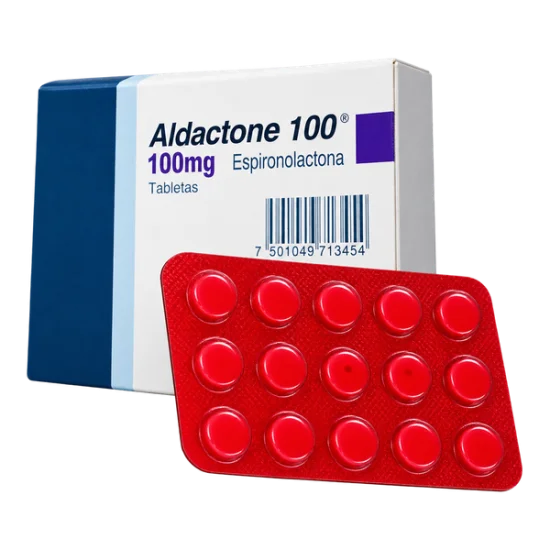
Product information
Aldactone contains spironolactone, a mineralocorticoid receptor antagonist and potassium-sparing diuretic. The amount used and how often it is taken depend on the purpose of treatment and are agreed with a doctor or pharmacist.
Spironolactone is also available as a generic form. A generic product contains the same active substance and is used for the same pharmacological purposes, while inactive ingredients and tablet appearance may differ between manufacturers.
Directions for use
The dose and frequency depend on the purpose of treatment and are agreed with a doctor or pharmacist. Aldactone tablets are taken by mouth, with the regimen adjusted to the clinical indication and laboratory results.
Common practical principles include:
- Take the tablet at the prescribed time each day.
- Take it with food if that is how the regimen has been prescribed, since food can influence spironolactone exposure.
- A morning dose may reduce disruption from increased urination during sleep.
- Do not change the dose because swelling or blood pressure seems better.
- If a dose is missed, take it when remembered unless the next dose is due soon; do not double the dose.
- Do not stop long-term treatment suddenly without a planned instruction, especially when it forms part of heart-failure or blood-pressure management.
- Do not crush or chew the tablet unless a prescriber has confirmed that this is suitable for the specific product.
Aldactone treatment may continue for weeks, months, or longer, depending on the diagnosis. Blood pressure, body weight, swelling, kidney function, sodium, and potassium can all influence dose decisions. Follow-up appointments help assess whether the regimen remains suitable. Laboratory results may prompt a dose change. Report new or worsening symptoms before changing treatment yourself.
Weighing yourself at the same time each morning can help identify fluid changes in heart failure. A rapid increase over a short period deserves prompt clinical attention, especially if breathlessness or ankle swelling also increases.
Ingredients
Aldactone contains spironolactone, a mineralocorticoid receptor antagonist and potassium-sparing diuretic. The amount used and how often it is taken depend on the purpose of treatment and are agreed with a doctor or pharmacist.
Spironolactone is also available as a generic form. A generic product contains the same active substance and is used for the same pharmacological purposes, while inactive ingredients and tablet appearance may differ between manufacturers.
Aldactone is prescribed for cardiovascular, renal, hepatic, and endocrine conditions. It is not suitable for self-directed treatment of swelling or blood pressure because potassium and kidney function can change without obvious early symptoms.
Aldactone can increase potassium even when the person feels well. Blood tests for potassium and kidney function are often used after treatment begins and after dose changes.
Therapeutic indications
Aldactone is used when aldosterone activity contributes to fluid retention, raised blood pressure, or cardiovascular strain. The United States Food and Drug Administration recognises spironolactone for several indications, while local prescribing information and Medsafe guidance determine use in New Zealand. [1]
| Clinical use |
Treatment objective |
Main pharmacological effect |
| Heart failure |
Reduce fluid burden and support cardiovascular treatment |
Aldosterone blockade with potassium conservation |
| Oedema and fluid retention |
Reduce excess sodium and water |
Increased urinary sodium and water excretion |
| Hypertension |
Lower blood pressure in selected patients |
Reduced fluid volume and aldosterone-mediated vascular effects |
| Primary hyperaldosteronism |
Control excess aldosterone activity |
Mineralocorticoid receptor blockade |
Heart failure can stimulate persistent aldosterone activity, which promotes sodium retention, fluid accumulation, and cardiac remodelling. Spironolactone addresses that hormonal pathway and may be used alongside other heart-failure medicines.
Oedema may occur with heart, liver, or kidney disease. Aldactone can reduce swelling by increasing sodium and water excretion, although the appropriate regimen depends on the underlying diagnosis and kidney function.
Primary hyperaldosteronism is an endocrine disorder in which the adrenal glands produce too much aldosterone. This can lead to hypertension and low potassium. Spironolactone counteracts aldosterone while the underlying cause is assessed.
Reasons not to use it
Aldactone is not suitable for everyone. It is contraindicated in Addison’s disease, also called primary adrenal insufficiency, because aldosterone deficiency is already present and spironolactone can worsen the mineralocorticoid imbalance.
Formal contraindications include:
- Hyperkalaemia.
- Severe renal impairment or acute kidney injury.
- Anuria, meaning the kidneys are producing little or no urine.
- Addison’s disease.
- A previous serious reaction to spironolactone.
- Concomitant treatment with eplerenone.
Important interactions include ACE inhibitors such as lisinopril, angiotensin-receptor blockers such as losartan, potassium supplements, potassium-containing salt substitutes, and some other medicines affecting the renin–angiotensin–aldosterone system. Non-steroidal anti-inflammatory drugs, including ibuprofen and high-dose aspirin, can reduce kidney blood flow and weaken diuretic effects while increasing renal and potassium risks.
Lithium toxicity can also become more likely when kidney handling of lithium changes. Digoxin interpretation may be affected by electrolyte changes. Provide the prescriber or pharmacist with a complete list of prescription medicines, over-the-counter products, and supplements before treatment begins.
When this is not for you
This medication is not for you if you have:
- Hyperkalaemia.
- Severe renal impairment or acute kidney injury.
- Anuria, meaning the kidneys are producing little or no urine.
- Addison’s disease.
- A previous serious reaction to spironolactone.
- Concomitant treatment with eplerenone.
Extra caution is required with diabetes, chronic kidney disease, liver disease, low blood pressure, dehydration, and a history of electrolyte abnormalities. Older adults may be more vulnerable to kidney function changes and high potassium.
It is not appropriate during pregnancy because anti-androgenic effects may harm a developing male foetus.
Unwanted effects
Aldactone’s most important laboratory risk is hyperkalaemia, meaning an abnormally high blood potassium level. The risk rises with kidney impairment, diabetes with renal involvement, dehydration, older age, and combination treatment with medicines that also raise potassium. The EMA describes potassium monitoring as a central part of safe spironolactone use. [2]
Possible adverse effects include:
- Dizziness or light-headedness from reduced blood pressure or fluid volume.
- Headache.
- Increased urination, especially after starting treatment.
- Nausea, stomach discomfort, or diarrhoea.
- Breast tenderness or enlargement.
- Menstrual irregularities.
- Reduced libido or changes in sexual function.
- Fatigue.
- Hyperkalaemia.
- Worsening kidney function.
Gynecomastia is enlargement of breast tissue in men. It occurs because spironolactone affects androgen and progesterone pathways as well as aldosterone receptors. The likelihood can increase with prolonged treatment or higher exposure. Report persistent breast tenderness, a new lump, or troublesome enlargement for clinical assessment.
Hyperkalaemia can cause muscle weakness, unusual fatigue, tingling, palpitations, or abnormal heart rhythms. Symptoms may be absent, which is why a blood test can be more useful than waiting for warning signs.
The risk of dehydration rises when Aldactone is combined with vomiting, diarrhoea, heavy sweating, or inadequate fluid intake. Excessive fluid restriction is also unhelpful unless it has been prescribed for heart failure or another specific condition.
Avoid potassium supplements and potassium-based salt substitutes unless they are specifically included in the treatment plan. A salt substitute can contain enough potassium to matter even when it looks like an ordinary kitchen product.
Comparison
Aldactone is selected for its aldosterone-blocking and potassium-sparing properties. Other medicines may remove more fluid, lower blood pressure through another pathway, or provide more selective aldosterone blockade.
| Treatment |
Main action |
Typical clinical distinction |
| Aldactone — spironolactone |
Blocks aldosterone and conserves potassium |
Useful when aldosterone activity, heart failure, or hyperaldosteronism is central |
| Furosemide — also sold as Lasix |
Loop diuretic that increases sodium and water loss |
Stronger fluid removal, with greater risk of low potassium and dehydration |
| Eplerenone |
More selective mineralocorticoid receptor antagonist |
May cause fewer hormone-related effects, while still raising potassium risk |
Furosemide is often used when rapid or substantial fluid removal is needed. It can lower potassium, magnesium, and sodium, so its monitoring profile differs from spironolactone.
Eplerenone acts on the same broad hormonal pathway but is more selective than spironolactone. It may be considered when breast tenderness, gynecomastia, or menstrual effects become problematic. It still requires attention to potassium and kidney function.
Lisinopril and losartan lower blood pressure through the renin–angiotensin system rather than acting as conventional diuretics. They may be combined with spironolactone in selected heart-failure or hypertension regimens, but the combination can raise potassium and requires laboratory monitoring.
Spironolactone may interact with potassium supplements, aspirin, and ibuprofen. Low-dose aspirin may be used for specific cardiovascular reasons, but regular or high-dose use should be reviewed because non-steroidal anti-inflammatory medicines can affect kidney function and fluid balance.
What doctors say
In clinical practice, doctors usually judge spironolactone by more than one outcome. Blood pressure, swelling, breathlessness, weight, kidney function, potassium, and symptoms such as breast tenderness may all influence the next decision.
A physician will often regard potassium as the key early safety marker. Stable kidney function does not guarantee stable potassium if another medicine is added, dehydration develops, or the dose changes.
The benefit is often strongest when aldosterone activity is genuinely contributing to the condition. A person taking Aldactone for heart failure may notice less swelling or easier breathing, while someone treated for acne or androgenic symptoms may need a longer period before visible changes appear.
One practical issue is that increased urination may be most noticeable after starting treatment or after a dose adjustment. Planning the dose earlier in the day can reduce inconvenience, but the prescribed schedule should remain the priority.