Skip to content
In stock Abana
Cholesterol

Abana

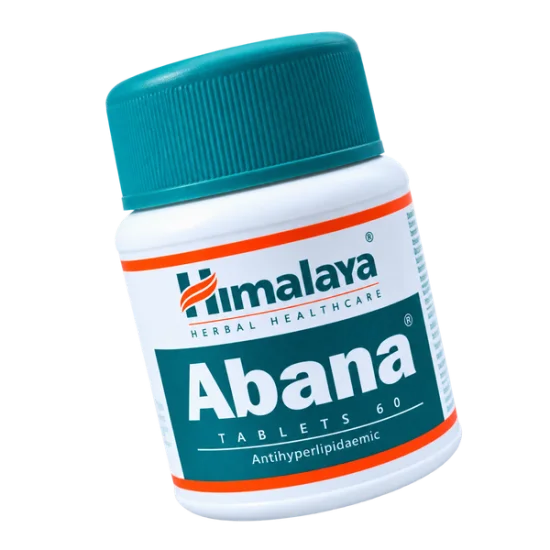
Lipid balance and cardiovascular wellness are the main health goals associated with Abana, a botanical product from Himalaya Herbal Healthcare. Its antihyperlipidemic positioning supports attention…

Guaranteed quality Original product
Delivery: from 4 days Discreet shipping
24/7 Support Always available
Active ingredient: Arjuna, Ashwagandha
Select pack Package Per unit Price
$ 166.43 $ 166.43
$ 134.64 $ 332.86 $ 269.28 Save 19%
$ 123.42 $ 499.29 $ 370.26 Save 26%
Free Regular Delivery $ 117.81 $ 665.72 $ 471.24 Save 29%
Free Express Delivery $ 114.44 $ 832.15 $ 572.22 Save 31%
Free Express Delivery $ 112.51 $ 998.58 $ 675.07 Save 32%
Free Express Delivery $ 110.86 $ 1,165.01 $ 776.05 Save 33%
Free Express Delivery $ 109.63 $ 1,331.44 $ 877.03 Save 34%
Free Express Delivery $ 109.29 $ 1,497.87 $ 983.62 Save 34%
Best value Free Express Delivery $ 108.46 $ 1,664.30 $ 1,084.60 Save 35%

Free delivery on orders from $ 374.00, free express delivery from $ 561.00

Secure payment methods:
VISA AMEX JCB DISCOVER

Lipid balance and cardiovascular wellness are the main health goals associated with Abana, a botanical product from Himalaya Herbal Healthcare. Its antihyperlipidemic positioning supports attention to cholesterol and triglyceride management alongside diet, activity, and medical monitoring.

Product information

Abana is a herbal cardiovascular formulation supplied in bottles and classified as antihyperlipidemic. The product is intended to support heart functioning and lipid balance rather than replace treatment prescribed for established cardiovascular disease.

Directions for use

Abana tablets are taken orally. The correct amount differs between strengths and between users, so one fixed dose cannot be applied to everyone.

Abana Dosage and Administration

Dosing differs between strengths and between users, so there is no single amount that suits everyone. Abana is an oral tablet product supplied in bottles, and administration should follow the dose selected for the specific product strength.

Practical administration points include:

  • Take the tablet by mouth with water.
  • Use a consistent time of day if that helps maintain regular use.
  • Do not take extra tablets to compensate for a missed dose.
  • Avoid combining Abana with additional lipid supplements without checking for overlapping ingredients.
  • Keep a record of any digestive, allergic, or cardiovascular symptoms after starting.

If a dose is missed, take the next scheduled dose when it is due unless a qualified prescriber has provided different instructions. Do not double the next dose.

If Abana causes stomach discomfort, taking it with a meal may be easier to tolerate, provided the product’s specific directions permit administration with food.

Cholesterol management remains relevant because high LDL cholesterol and elevated triglycerides can contribute to atherosclerotic cardiovascular risk over time [1].

Ingredients

Abana is a herbal cardiovascular formulation from Himalaya Herbal Healthcare, supplied as oral tablets in bottles and classified as antihyperlipidemic. Specific botanical ingredients and their amounts are not provided in the available product information.

How it affects the body

The term “antihyperlipidemic” refers to an approach aimed at reducing or regulating excessive blood lipids. These include cholesterol and triglycerides, which circulate in the bloodstream inside lipoprotein particles.

The liver regulates cholesterol synthesis, bile-acid production, lipoprotein processing, and the removal of circulating lipids. This does not mean that every herbal product acts directly on liver enzymes. Abana’s product classification supports its use within a lipid-management context, but it does not establish a specific biochemical pathway without verified active-ingredient data.

Therapeutic indications

Abana is positioned for support in this area. The product should be viewed as part of a wider lipid-management plan, especially when a person already has high cholesterol, diabetes, hypertension, kidney disease, or a previous cardiovascular event. NICE guidance treats cardiovascular risk as a combination of measurable factors rather than a single cholesterol result [2].

Healthy heart functioning depends on adequate blood flow, normal blood pressure, appropriate oxygen delivery, and efficient contraction of the cardiac muscle. A product labelled for cardiovascular support may complement these goals, yet it should not be presented as a treatment for angina, heart failure, arrhythmia, or a previous heart attack.

Herbal products require the same practical discipline from the user: identify the goal, use a consistent approach, and measure relevant outcomes rather than relying only on how the body feels [3].

Common mistakes

Several practical errors can weaken lipid-management efforts:

  • Replacing prescribed therapy with a supplement after one reassuring cholesterol result.
  • Taking several products that claim to support cholesterol at the same time.
  • Assuming HDL improvement alone means cardiovascular risk has been corrected.
  • Ignoring triglycerides because total cholesterol appears acceptable.
  • Failing to mention herbal products before surgery or blood testing.
  • Doubling a dose after a missed tablet.
  • Continuing the product through jaundice, severe abdominal pain, or a widespread rash.
  • Expecting an immediate change in exercise tolerance or general energy.
  • Measuring cholesterol too soon to identify a meaningful trend.
  • Treating diet, alcohol intake, diabetes, and blood pressure as unrelated issues.

A second common mistake is judging a product by how “natural” it sounds. Botanical substances can still produce adverse effects and interactions.

Reasons not to use it

  • Known allergy to Abana or any of its ingredients.
  • Pregnancy or breastfeeding, unless a clinician has specifically assessed the product.
  • Active liver disease or unexplained abnormal liver tests.
  • Severe kidney disease or complex cardiovascular disease.
  • A history of serious reactions to herbal preparations.
  • Use of anticoagulants, antiplatelet medicines, diabetes medicines, blood-pressure medicines, or lipid-lowering medicines without an interaction review.
  • Planned surgery, when supplements may need to be stopped in advance.
  • Use by a person under 18 years of age without specialist direction.

When this is not for you

Abana is NOT for you if you are pregnant or breastfeeding without clinician assessment, have active liver disease, or take medicines with possible interactions. The product should be avoided or reviewed carefully if you have a known allergy to Abana or its ingredients, severe kidney disease, complex cardiovascular disease, or a history of serious reactions to herbal preparations.

Do not use Abana as a replacement for prescribed cholesterol treatment after a heart attack, stroke, or diagnosis of familial hypercholesterolaemia. The possible interaction profile depends on the actual botanical ingredients, so the complete medicine and supplement list must be assessed together.

Unwanted effects

Botanical lipid-support products may cause digestive symptoms or sensitivity reactions. Possible problems include nausea, abdominal discomfort, loose stools, constipation, headache, or skin irritation. The risk depends on the actual ingredients, the person’s medical conditions, and medicines taken at the same time.

Stop use and seek prompt medical care for facial swelling, wheezing, widespread hives, severe abdominal pain, persistent vomiting, yellow skin, dark urine, or unusual weakness. These symptoms may indicate an allergic reaction, liver problem, or another condition requiring assessment.

Mild stomach symptoms can be easier to manage when the product is taken with food and when several new supplements are not started together. Persistent symptoms still deserve review rather than being dismissed as part of “getting used to” the product.

One practical point often missed is that herbal products can complicate the interpretation of liver blood tests. Tell the clinician ordering blood tests about Abana and every other supplement being used.

Comparison

Abana belongs to the botanical lipid-support category. Other approaches target lipids through different mechanisms and have different levels of clinical evidence.

Potential advantages include a focus on measurable lipid outcomes, compatibility with diet and activity changes, and flexibility when a person wants a botanical option. The main drawback is that verified ingredients, dose information, and product-specific clinical evidence may be limited, making effectiveness and interaction risk difficult to judge.

Approach Main focus Clinical limitation
Abana botanical formulation General antihyperlipidemic and cardiovascular support Product-specific active ingredients and dose are needed to judge its mechanism
Fish-oil products Triglyceride reduction in selected situations Effects vary by omega-3 dose and formulation; self-treatment may be unsuitable
Prescription lipid-lowering therapy LDL or triglyceride reduction according to the active ingredient Requires assessment of cardiovascular risk, interactions, and monitoring

Abana should not be compared with a named competitor brand. A category comparison is more useful because herbal formulations can differ considerably in their ingredients, doses, and evidence base.

For people with a previous heart attack, stroke, peripheral artery disease, familial hypercholesterolaemia, or very high LDL cholesterol, prescription therapy may be clinically necessary. A botanical product should not be used to delay that treatment.

What doctors say

In clinical practice, lipid management starts with risk classification and baseline measurements. A doctor would usually want to know the LDL cholesterol level, triglycerides, blood pressure, glucose status, smoking history, family history, and any previous vascular event before judging whether a supplement is appropriate.

A clinician may also review thyroid disease, kidney function, liver function, alcohol intake, and medicines that can affect lipid values. These details can explain abnormal results more effectively than adding another product.

Abana may fit a supportive wellness plan for someone focused on lipid balance, but expectations should remain measured. A supplement cannot be judged by the absence of symptoms because high cholesterol often causes no warning signs.

What customers often ask

How long does an Abana course last, and is long-term use acceptable?

The appropriate course depends on the product strength, the reason for use, and the person’s health profile. There is no single universal duration that applies to every user, and long-term use should be reviewed through symptoms, medicines, and lipid measurements. WHO cardiovascular guidance published in 2023 supports risk-factor monitoring rather than relying on symptoms alone. Long-term use is not automatically appropriate when liver disease, pregnancy, complex cardiovascular disease, or medicine interactions are present. A clinician can use these factors to decide whether continued use is reasonable.

What should be discussed with a doctor before starting Abana?

Discuss your full medicine and supplement list, liver and kidney history, pregnancy or breastfeeding, allergies, planned surgery, and the reason for using a lipid-support product. Bring recent results for LDL cholesterol, HDL cholesterol, triglycerides, blood pressure, and glucose when available. Medsafe provides the New Zealand medicines-safety framework used for evaluating medicine-related risks and adverse reactions. WHO cardiovascular guidance published in 2023 also supports risk-factor review. This discussion is especially important when you already use prescribed cholesterol, diabetes, blood-pressure, anticoagulant, or antiplatelet treatment.

What should happen after a missed Abana dose?

Take the next scheduled dose at the usual time unless a prescriber has given different instructions. Do not take two doses together to compensate for a missed tablet. NICE guidance updated in 2023 emphasises consistent cardiovascular risk management, but a single missed dose does not justify an extra dose. If missed doses happen often, use a routine linked to a regular meal or another daily habit.

Is Abana suitable for people under 18?

Abana should not be given to anyone under 18 without specific clinical direction. Children and adolescents with abnormal lipid results need assessment for inherited conditions, thyroid disease, diabetes, diet, and other causes. The WHO’s 2023 cardiovascular materials support early risk-factor assessment but do not establish Abana as a routine treatment for minors. A paediatric clinician should select any treatment and determine the monitoring plan.

Which symptoms mean stopping Abana and seeking urgent medical help?

Stop using the product and seek urgent help for facial or throat swelling, wheezing, fainting, severe chest discomfort, or sudden difficulty breathing. Yellow skin, dark urine, severe abdominal pain, or persistent vomiting also require prompt medical assessment. Medsafe’s adverse-reaction principles, considered alongside WHO guidance published in 2023, support reporting suspected serious reactions, especially when symptoms appear after a new product. Do not restart Abana until the cause of the reaction has been assessed.

Can older adults use Abana?

Older adults may use lipid-support products only after considering kidney function, liver function, swallowing ability, and the number of medicines already taken. Multiple medicines increase the chance of interactions and make new symptoms harder to interpret. EMA guidance on lipid-modifying treatments published in 2018 stresses patient-specific assessment, which is also relevant when considering botanical products. A lower tolerance for dehydration, dizziness, or digestive upset may require closer observation in older people.

Do you offer anonymous delivery?

Your order will be securely packed and shipped within 24 hours. This is exactly what your package will look like (images of an actual item sent). It has the size and look of a regular private letter (24x11x0.7 cm) and its contents cannot be seen.

How Buyers Rate Abana

Based on 3 reviews

Stuart T., 46 Verified
Rating: 3 out of 5

I took one tablet consistently with breakfast and also reduced takeaway meals. I did not feel a dramatic change, but my follow-up blood test gave me something concrete to discuss. The first few days brought mild stomach rumbling, which settled when I took it with food.

Christchurch Several weeks 6 Oct 2026
Jonathan N., 69 Verified
Rating: 2.5 out of 5

I used it for about a month and kept a written list of everything I was taking. I stopped after developing a persistent rash and contacted my clinic. The rash improved, but I would not restart a supplement without checking the ingredients and interactions first.

Wellington About a month 16 Oct 2026
Simon, 51 Verified
Rating: 5 out of 5

After roughly eight weeks, I felt more organised about my health because I was tracking meals, walking, and blood results together. I missed several tablets during travel, so the routine was not perfect. The product was only one part of the plan, and I did not treat it as a replacement for medical care.

Blenheim Roughly eight weeks 4 Nov 2026

Sources

  1. World Health Organization (2023). Cardiovascular diseases (CVDs).
  2. NICE (2023). Cardiovascular disease: risk assessment and reduction, including lipid modification (NG238).
  3. European Medicines Agency (2018). Guideline on clinical investigation of medicinal products in the treatment of lipid disorders.
Get our free app Shop faster and track your orders Install